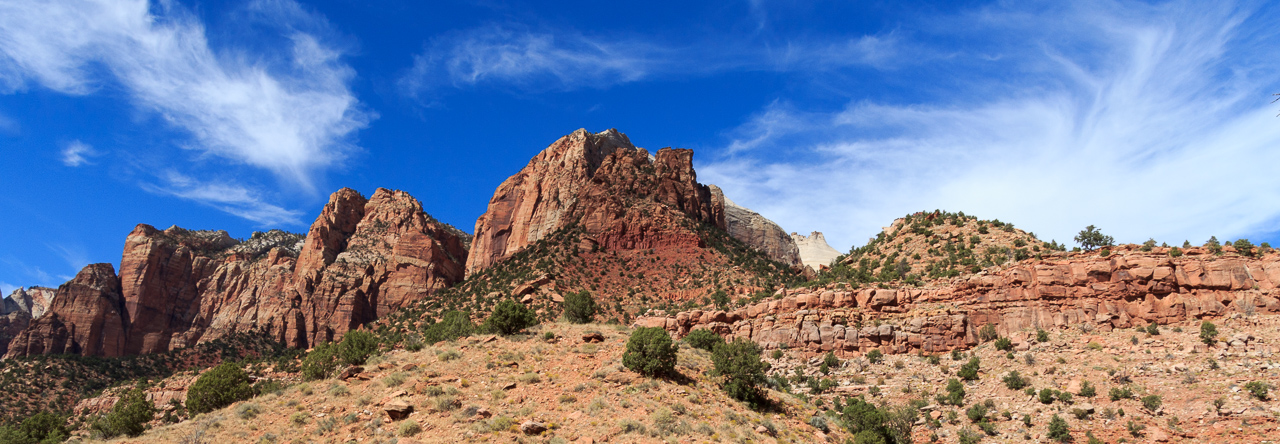
Continuing with our travels in the fall of 2023, we shine a spotlight on Laura, our daughter, her family, and their homestead.

Around the homestead
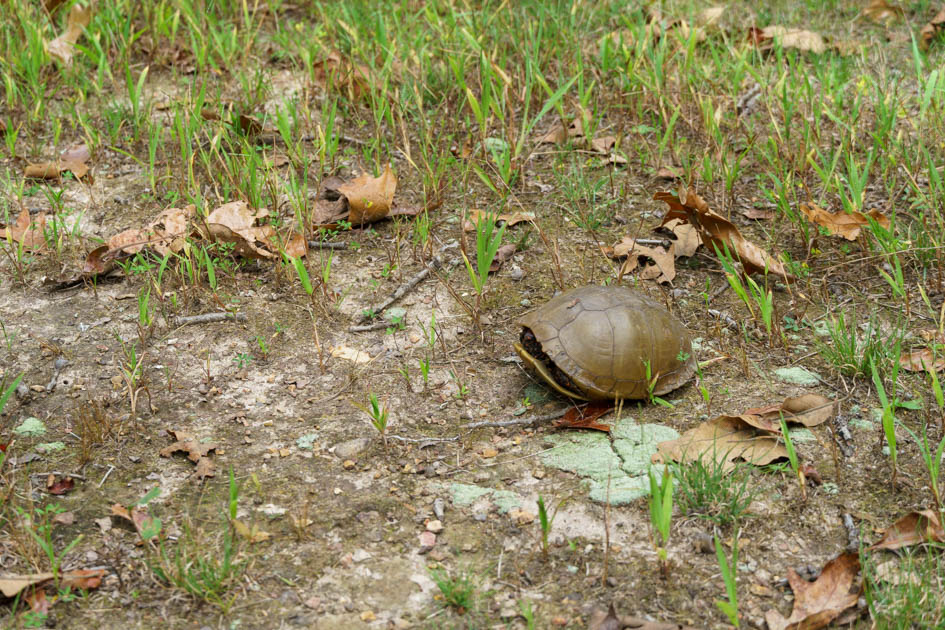
Their land is home to a variety of animals, from deer to frogs, mountain lions to turtles, various snakes, and other critters too many to mention. Other than hearing the frogs at night and seeing armadillo roadkill on the roadside, we saw a turtle outside our kitchen window one morning and waking up to chirping birds was also a treat.
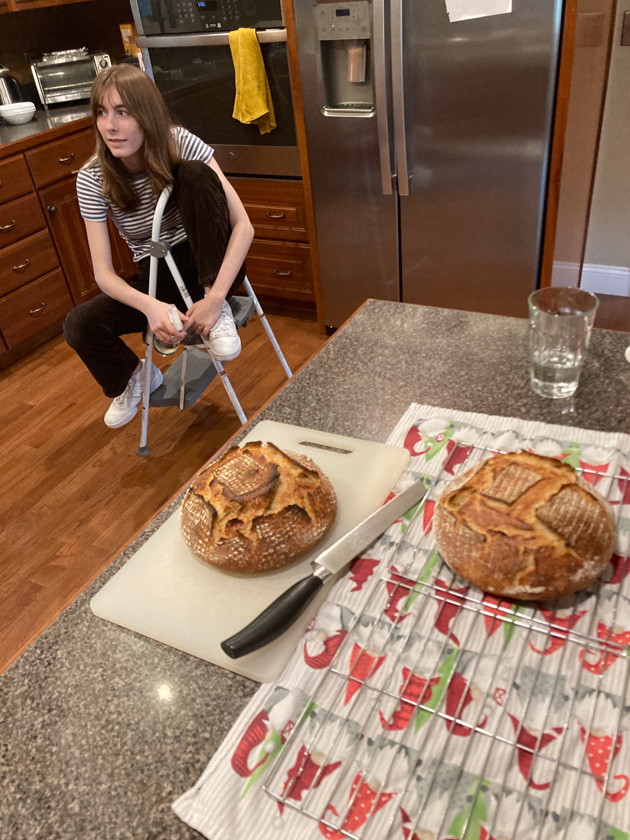
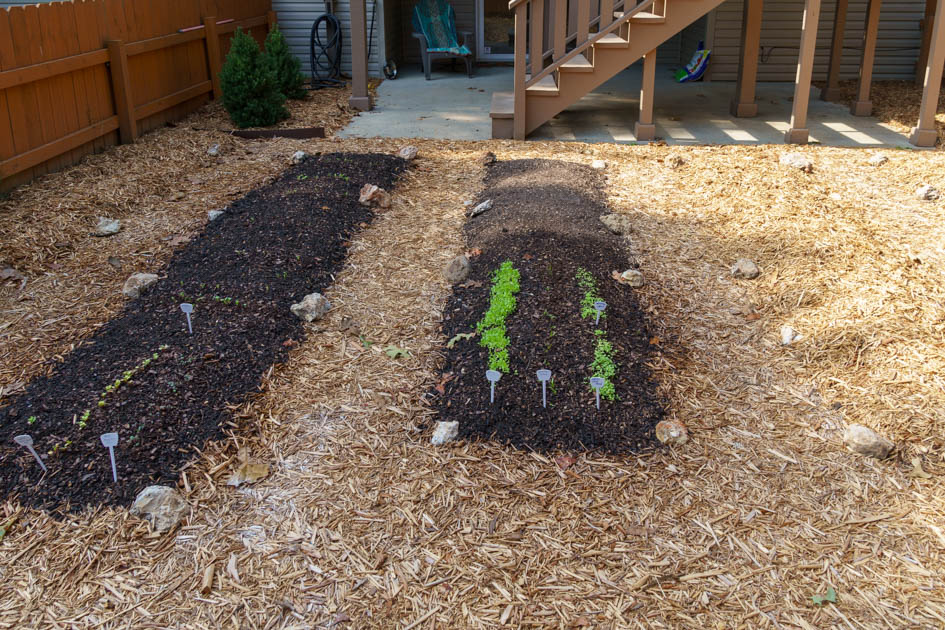
During our visit, we could find Laura making bread, driving the tractor, shoveling dirt in her garden, tending to the chicks, or engaged in other household chores. She even removed a tick from my neck. I guess the beauty and the benefits of living off the land have chased away her fear of spiders, which once induced blood-curdling screams when she was a child. We’re proud of what she’s accomplished and how she’s carved out her space in the world.


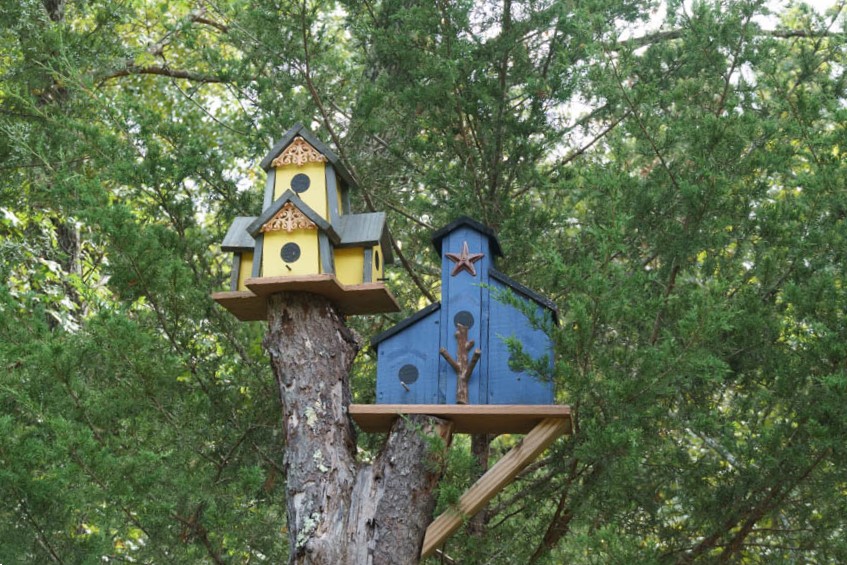
The baby chicks not only fascinated us, they entertained us. We laughed as the baby chicks scratched around in the dirt, climbed over each other, ate their meals, and flicked dirt on themselves when taking dust baths.


Chris was under pressure to complete the chicken coop on wheels in time for the brood to move in. Fortunately, he made it on time.


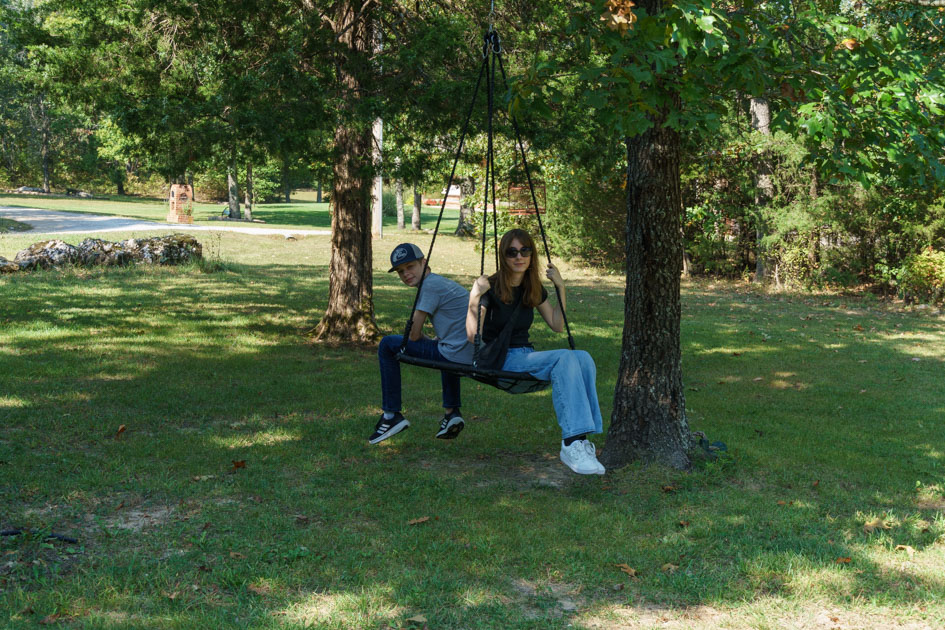
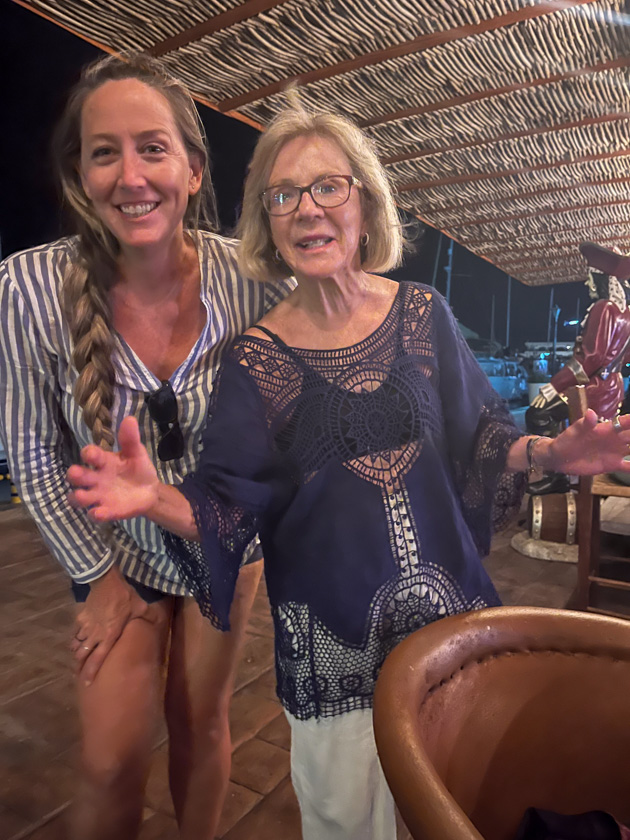
We also enjoyed goofing around while grabbing a meal at Cafe Cusco on C-Street in Springfield, Missouri.


Although there was plenty of work to do around the house, we managed to take time to explore a few sights while there.
Hidden Waters Nature Park
Nearby is Hidden Waters Nature Park, a segment of the Trail of Tears. Through journals, it was determined that in 1837 the B. B. Cannon group, composed of Cherokee Nation people, passed through the Hidden Waters acreage and used the spring to replenish their water supply.

The 11.3-acre park includes walking trails, ponds, gardens, and plenty more. The Callaway Cabin survived the devastating 1880 tornado and 170 years of development. The cabin stands as a reminder of the modest living pioneers carved out for themselves as they settled in Missouri.


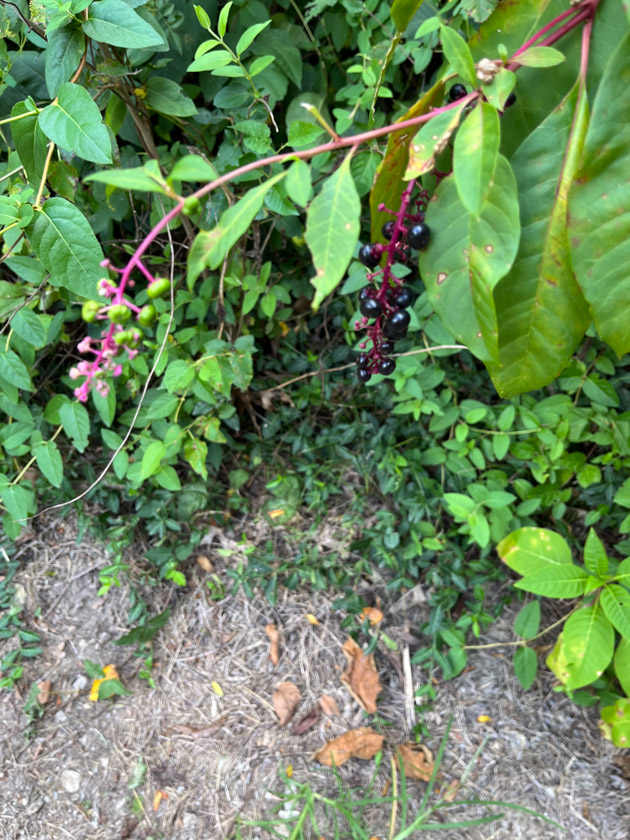
The park is where fourteen springs provide a constant flow of water to the headwaters of the West Fork of the Niangua. After combining with several rivers and tributaries, the water flows into the Gulf of Mexico.

Planning for the park began in 1998 when Dan and Zoann Beckner purchased three acres of land in the center of Marshfield. The couple had something besides a planned housing development in mind for the property. They added a trail, built three bridges to cross the streams, and enlarged three of the natural ponds. Jack Watters, a city alderman, persuaded the city to establish the acreage as a park in 2003.
Come armed to repel mosquitoes. I was not prepared, and the pesky mosquitoes feasted on my legs and arms.
Downtown Marshfield
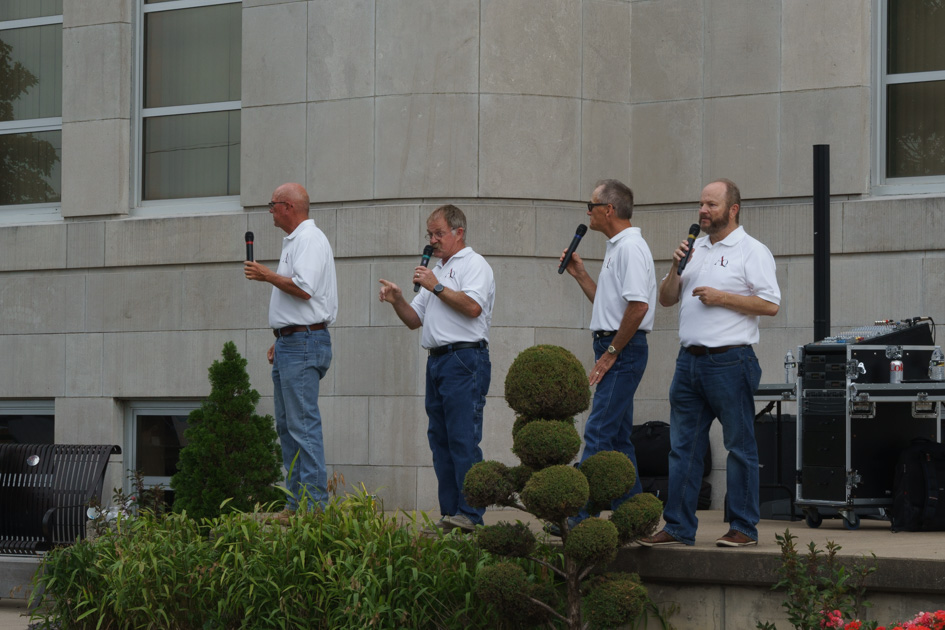
Our visit coincided with Marshfield’s Harvest Festival, which gave us a chance to check out the town square surrounding the Webster County courthouse. The town of approximately 7,600 had a good turnout, with vendors lining the sidewalk selling their wares, along with food and drink trucks offering refreshments. The music and singing added a lively energy to the atmosphere.

Memorials for those who lost lives during war times are a common site in any town, and Marshfield is not an exception.

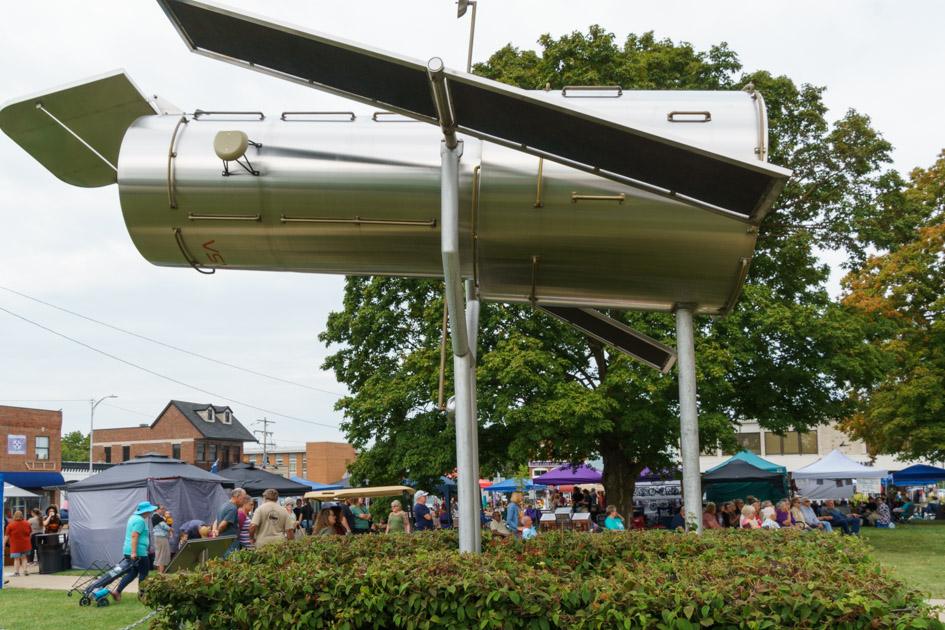
What’s that? The Hubble Space Telescope? How is it related to Marshfield, Missouri? A quick search revealed the telescope was named after Edwin Hubble who was born in Marshfield, Missouri, in 1889. It was his discovery and study of the Andromeda Nebula that led to the knowledge that the galaxy in which we live is but one galaxy among millions in the universe. Hubble also has a road named after him in Marshfield.
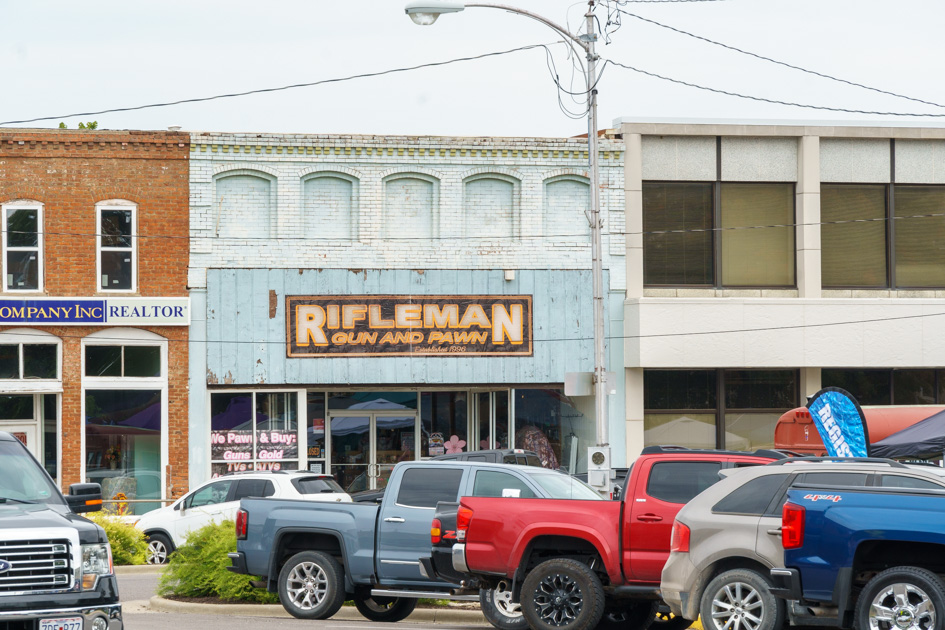
And here are a couple shots of the downtown buildings.

Round Hay Bales
On our way back from the harvest festival, I saw something I’ve waited years to learn more about: round hay bales. I know, it’s silly, but all I ever saw were the cylinder-shaped boulders of hay in fields. I wanted to know how the farmers created those huge round bales. So we drove back to the farm where we saw the men and equipment working.
This piece of equipment rakes the cut hay into a long row.

Then another piece of equipment comes by and vacuums up the hay until it’s full. The equipment wraps a netting around the bale and . . .
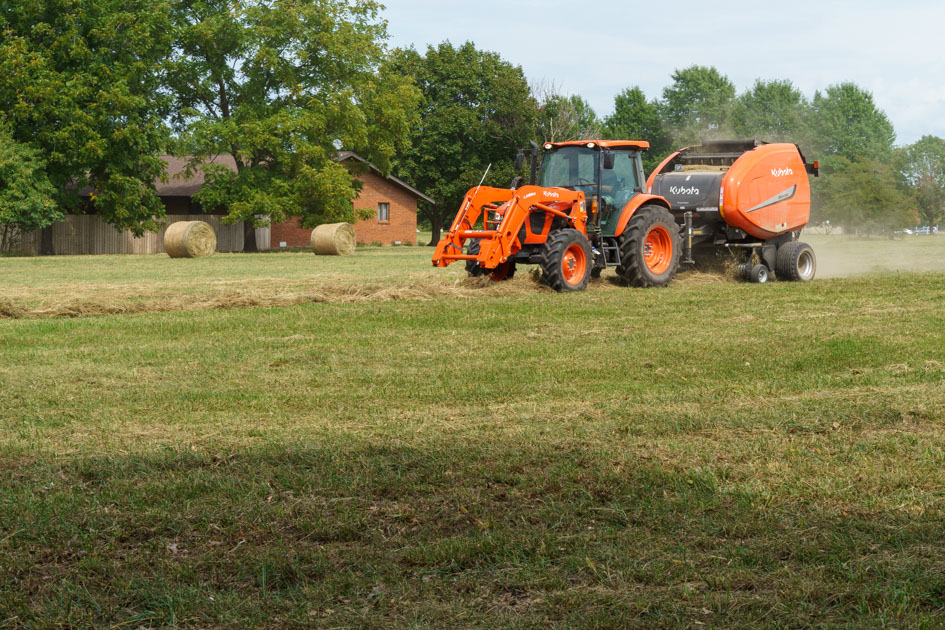
Voila! Out pops a round hay bale.
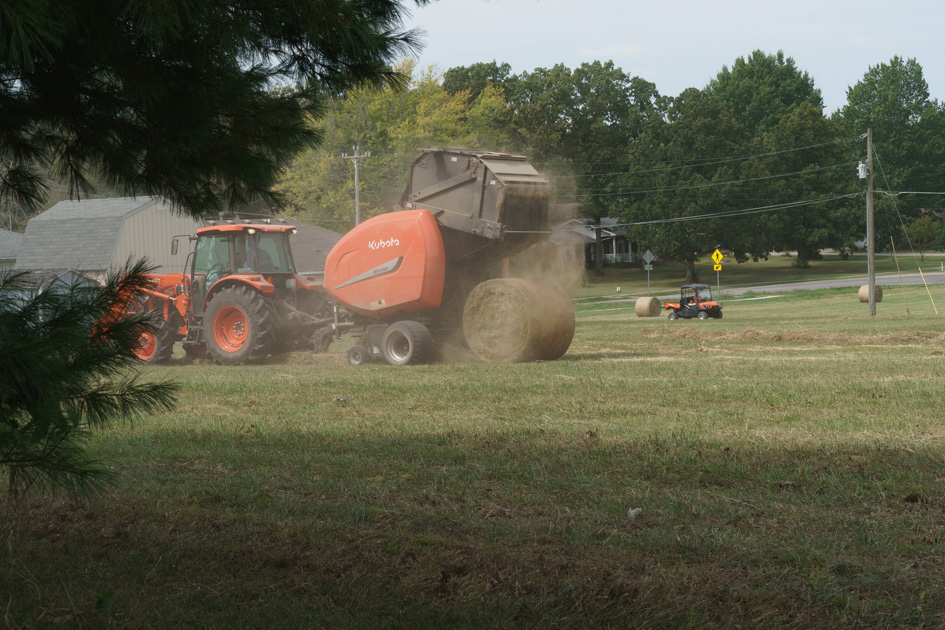
The bales can range from 1.2 to 1.8 meters wide and weigh up to 2,200 pounds (1,000 kg). One large round bale is equivalent to 10 – 15 square bales. Finally, my curiosity satisfied.
Beyond Marshfield
Fair Grove Heritage Reunion
A trip to Fair Grove Heritage Days sounded like a fun outing. The exhibits featured a demonstration of a McCormick threshing machine, a lineup of historic tractors, and another tractor with a pulley that might be a log splitter. I’m not sure.

As with most community celebrations, vendors displayed their items for sale under canopies while others sold food or drinks. And the few stores that occupied the buildings had their doors open for business.


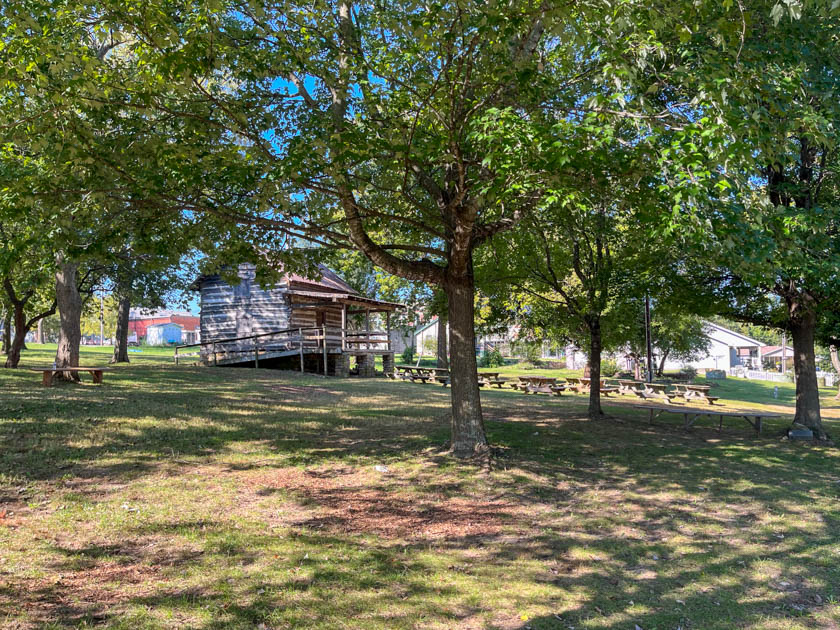
The Duke School is named after the first teacher, Chatham Duke, who was known to use the rod a time or two during his tenure. The original schoolhouse was built in 1846.

The replica school building was reconstructed in 1979 from a log building once owned by Mr. Duke.

I think the antique tractor with the pulley in the photo below had something to do with wood, perhaps log splitting? I noticed a bunch of split wood piled up in stacks.

The heat finally got the best of us, so we didn’t stay too long. A few days later, Laura and I returned to Fair Grove to pick up a dresser she saw, and I spent a few minutes taking photos of the place without the crowds.

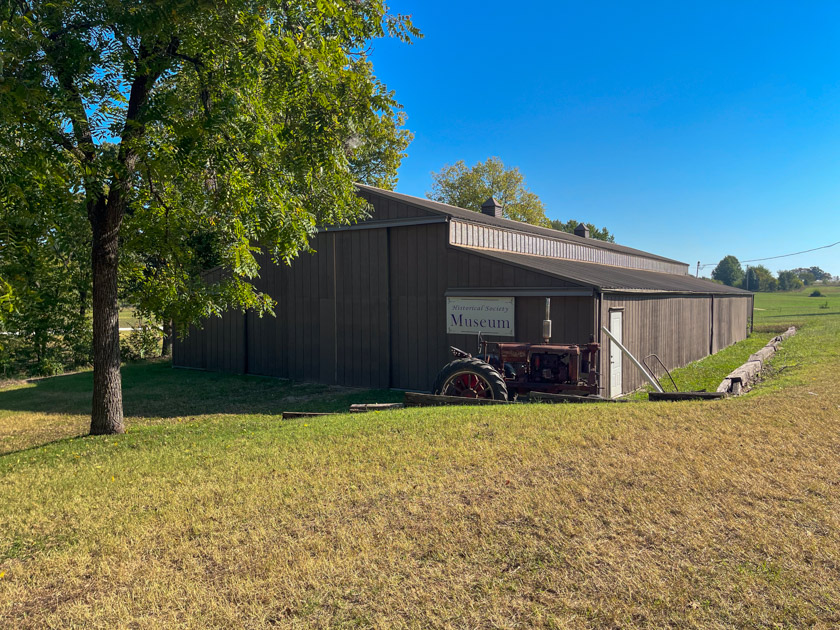



I wish the museum would have been open. I can only imagine what treasures hide behind the barn doors.
Askinosie Chocolate Candy Factory
It doesn’t matter how large or small a factory is; we are suckers for a tour of the facilities. The Askinosie Chocolate micro factory did not disappoint. They’re on the famous Commercial Street (also known as C Street) in Springfield, Missouri.

Our guide led the way to where the cocoa beans arrive from around the world. They only use beans from small cocoa farmers who prioritize sustainability, following a Direct Trade approach.
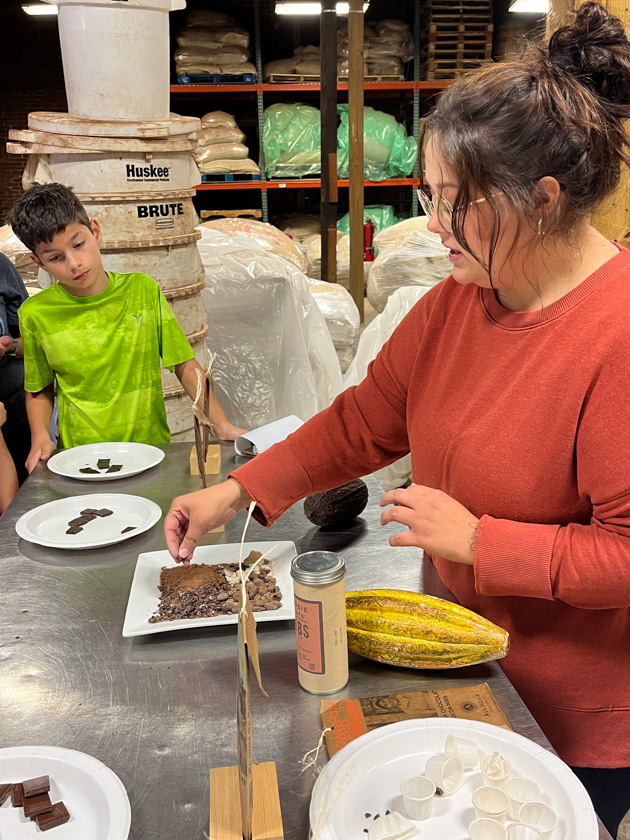
We donned our hair nets before entering the processing section, where our guide detailed the purpose of each machine’s role.
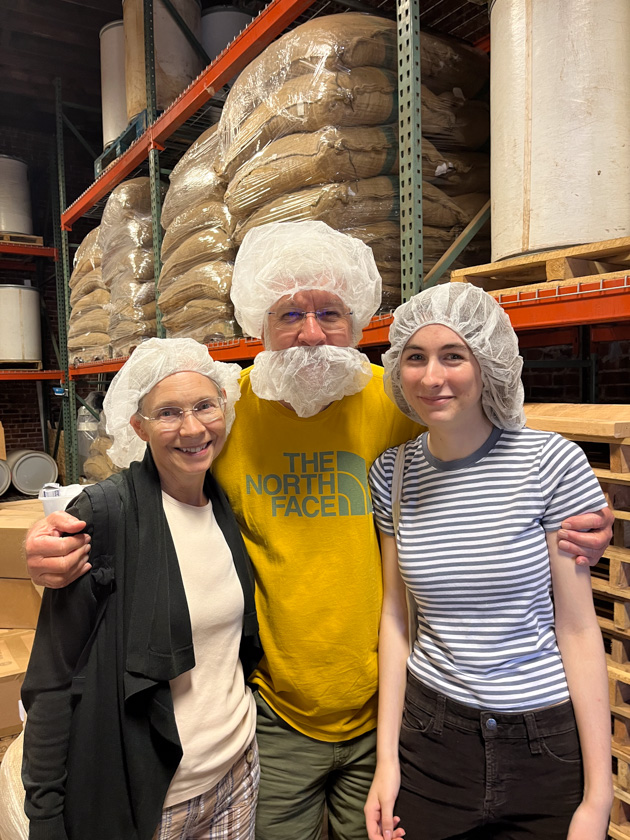
On to the lab, where all the magic happens.


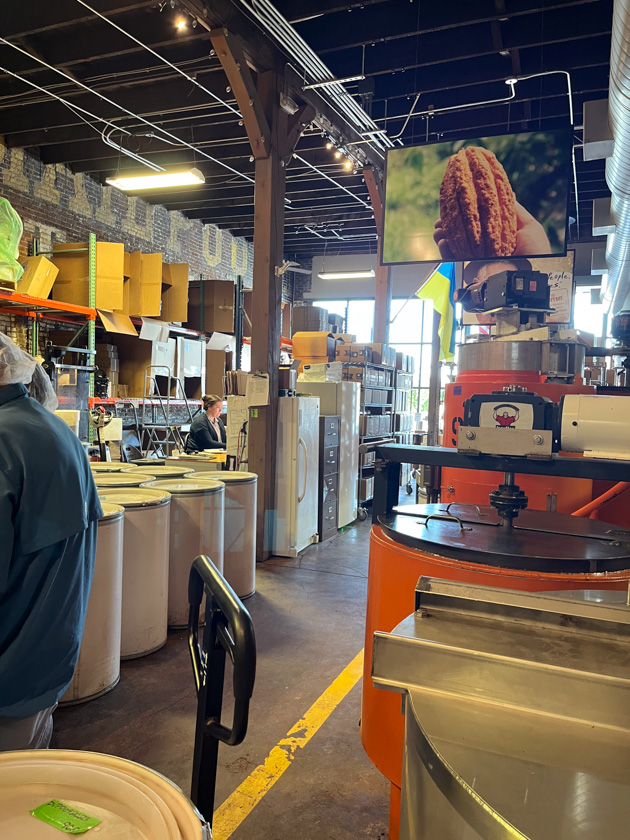

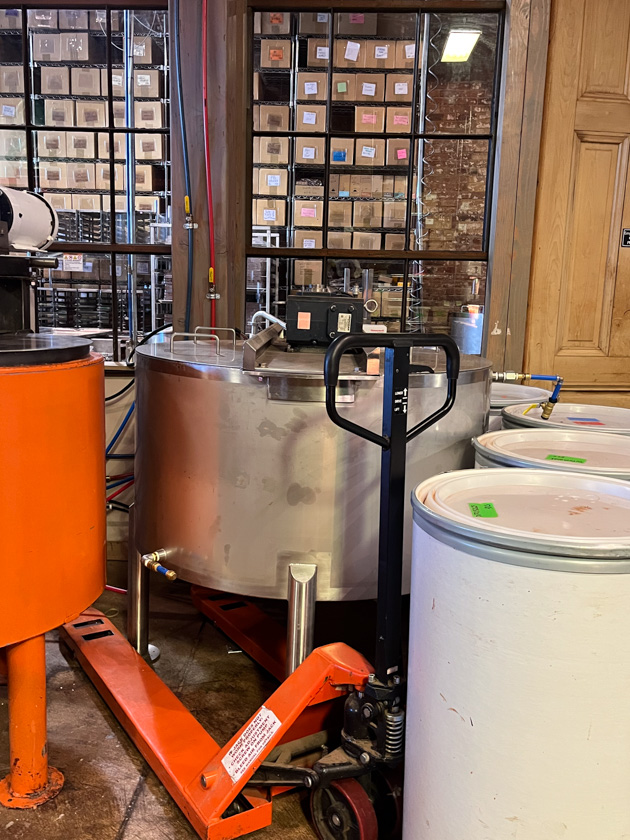
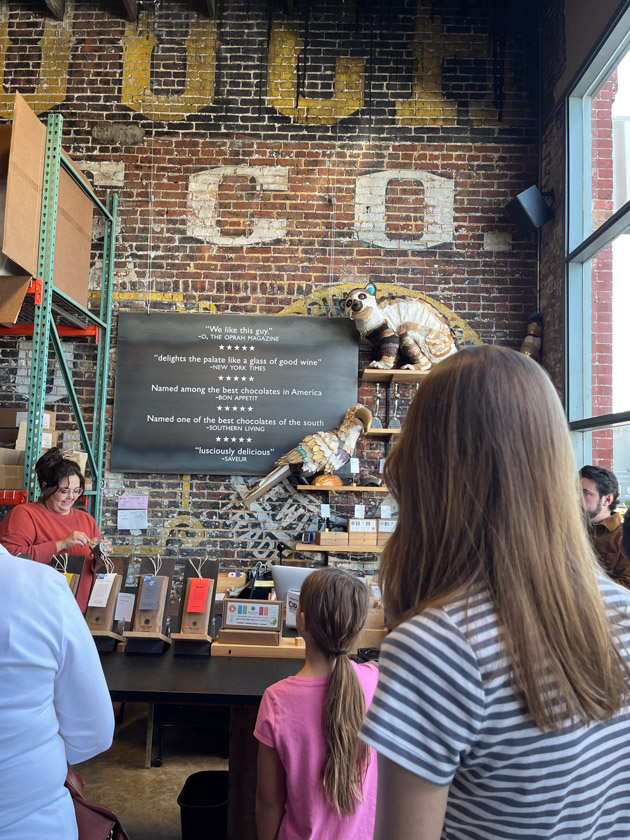
Although I had fun during the tour and found the information interesting, I don’t remember much about the process and that’s okay. I do remember how the chocolate felt on my tongue as it melted in my mouth. Oh, no. Now I have a craving. I better take a break from typing and order a supply of Askinosie chocolate bars.
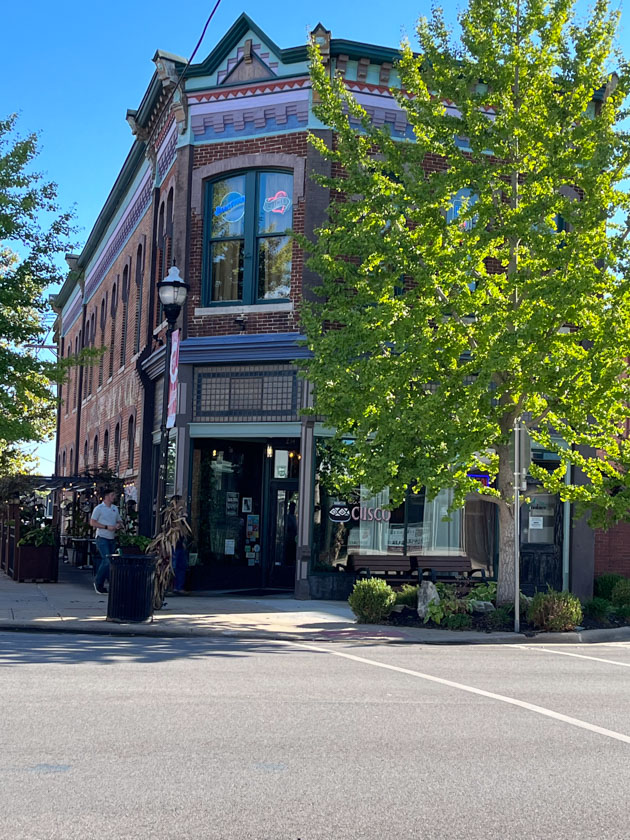
After our tour, we checked out a couple of buildings nearby on C Street where visitors will find galleries, shops, dining, and regular events to explore.

Up Next: Wonders of Wildlife Museum & Aquarium, Wild Animal Safari, then a trip to the Clinton Presidential Library in Little Rock, Arkansas
Safe Travels
















 The Traveling Todds