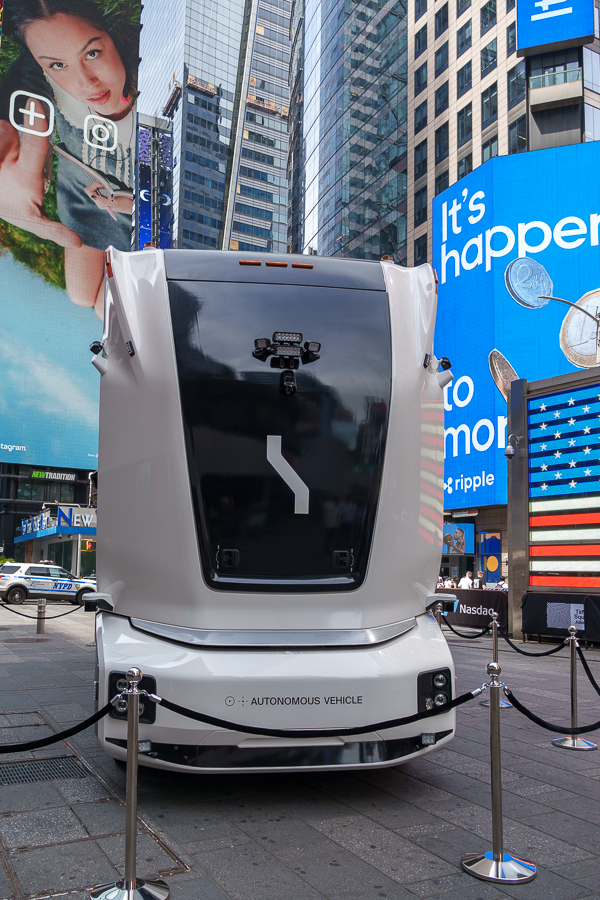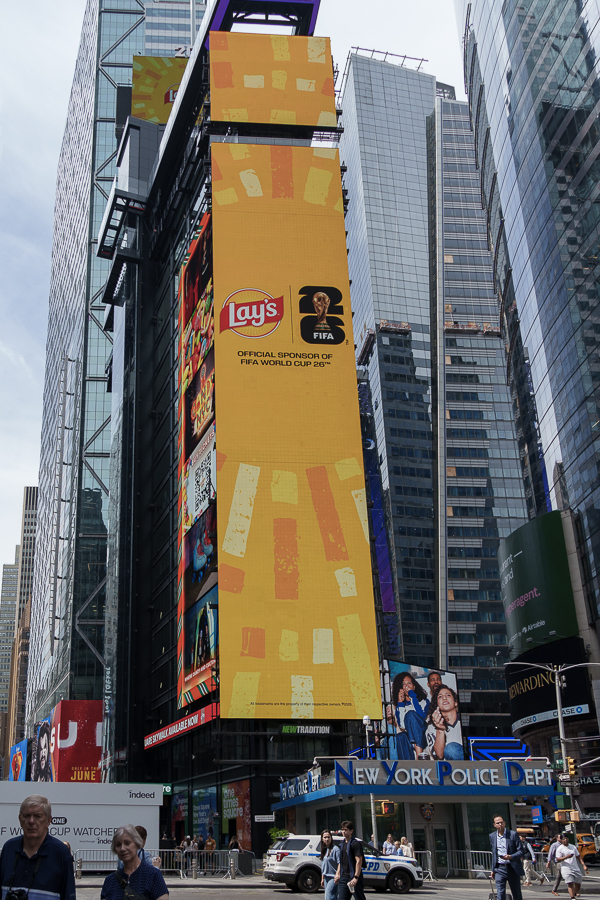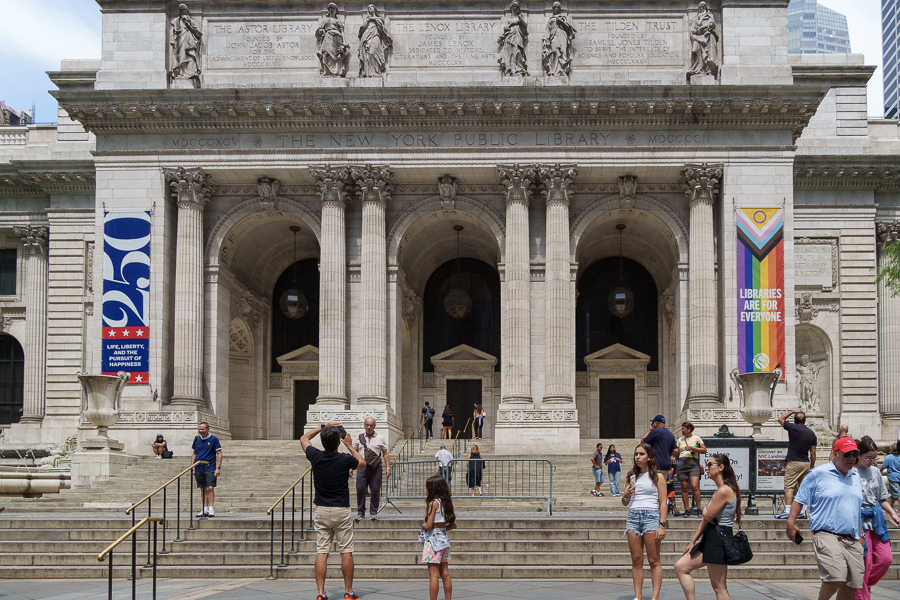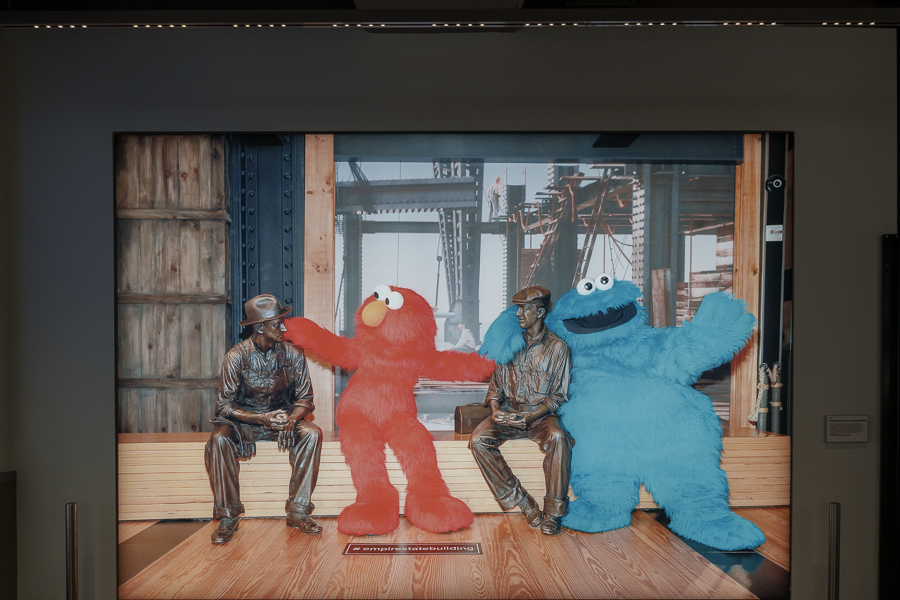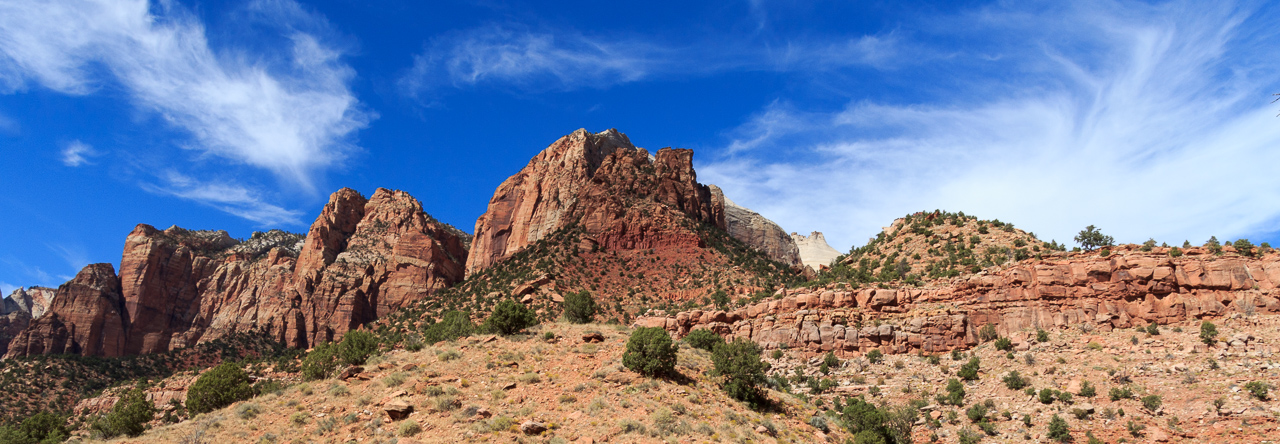
June 2026, New York City

Hooray! We’re finally back online.

In December 2025, our last post, I wrote we’d be on hiatus. I never thought it would be nine months later. But here we are in September 2026. The year 2025 was one health issue after another for Jon, which curtailed our travel plans for a year and a half. Finally, in June 2026, a window opened up between all the procedures, doctor appointments, labs, and PT appointments. Where did we decide to go?

New York City. Specifically, Lincoln Center on Manhattan Island. What inspired us to fly across the country? Sting, the rock star, and former lead singer and bassist of the rock band Police. He wrote and composed “The Last Ship,” an autobiographical musical, which we saw in April 2020, a few weeks before the pandemic shut down San Francisco Bay Area. We were eager to see it again in a larger venue like the Metropolitan Opera House.

We boarded a plane on June 7, 2026, for a six-day adventure of exploring and eating our way through the island.

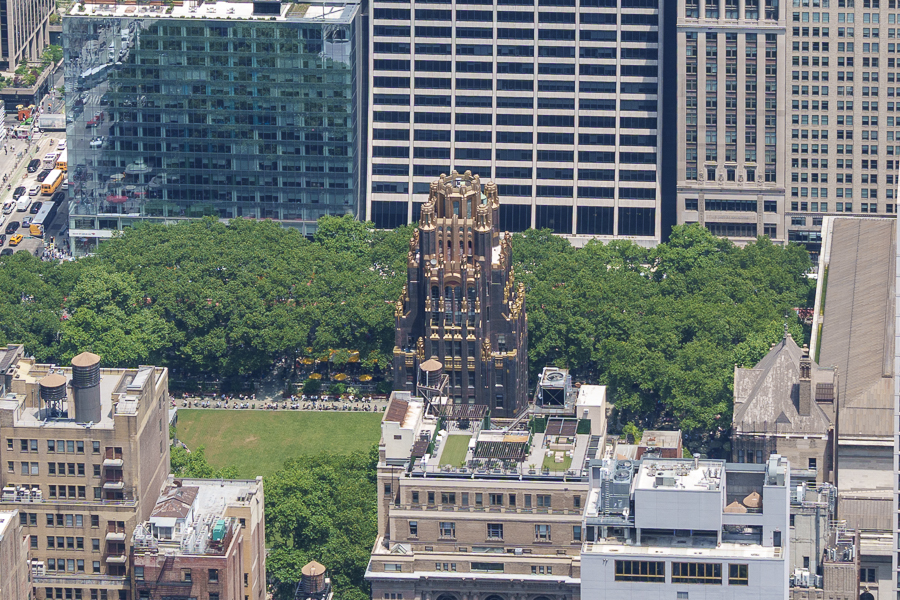
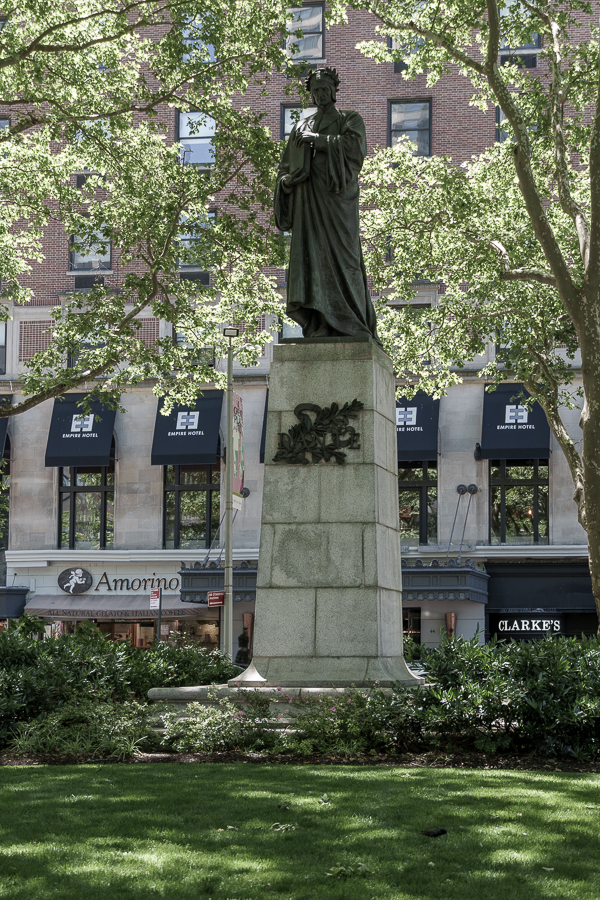
The view from our room at the Empire Hotel was of Dante Park, a triangular-shaped park, with trees providing plenty of shade. Across from our room and on the base-side of the triangle, rental bikes filled every slot in the morning, and by late afternoon only empty slots remained. It might have been fun to ride a bike had traffic not been so heavy. Instead we hoofed it most everywhere we went.

Monument to honor Dante Alighieri created in 1921 by Ettore Ximenes. The Empire Hotel stands in the background.
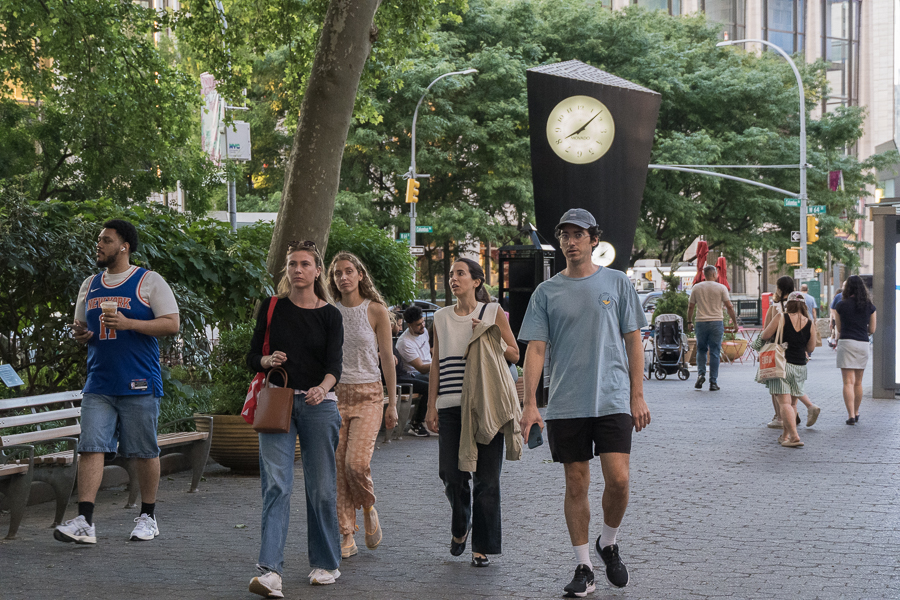
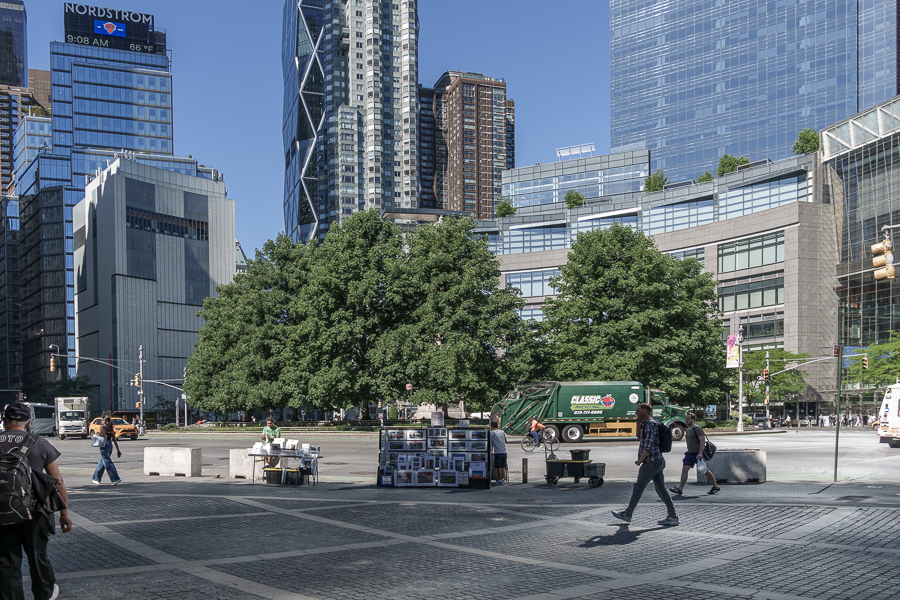
Tourists and residents walk past the “Time Sculpture” at Lincoln Center created by Philip Johnson

The Lincoln Square Business Improvement District maintains the park and provides benches and small tables and chairs. During breaks between our sightseeing, my favorite pastime was watching the activity in the park from our hotel room window. Pedestrians rushed by to reach their destination. People gathered to chat, play cards, chess, or board games. Other people ate their lunch, read, or watched humanity stream by.

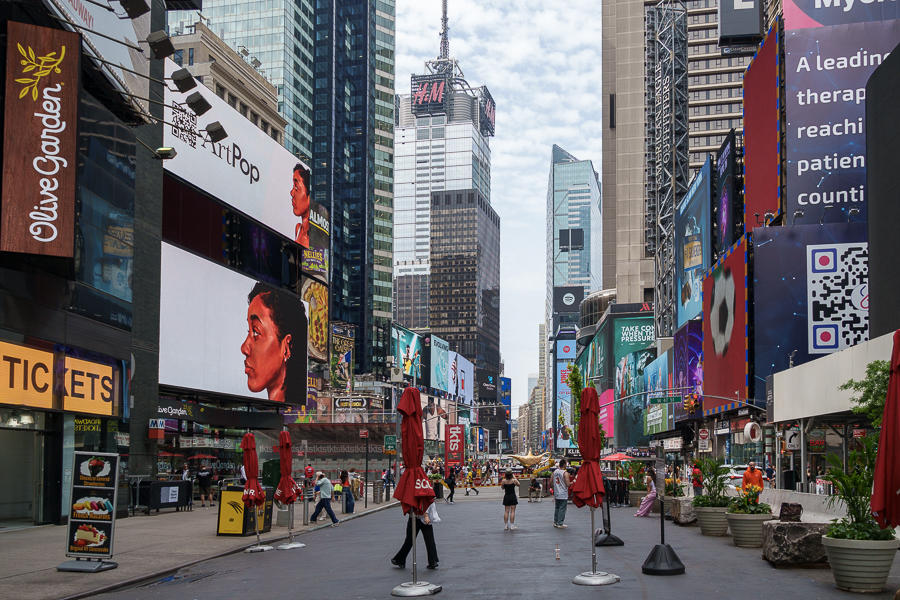
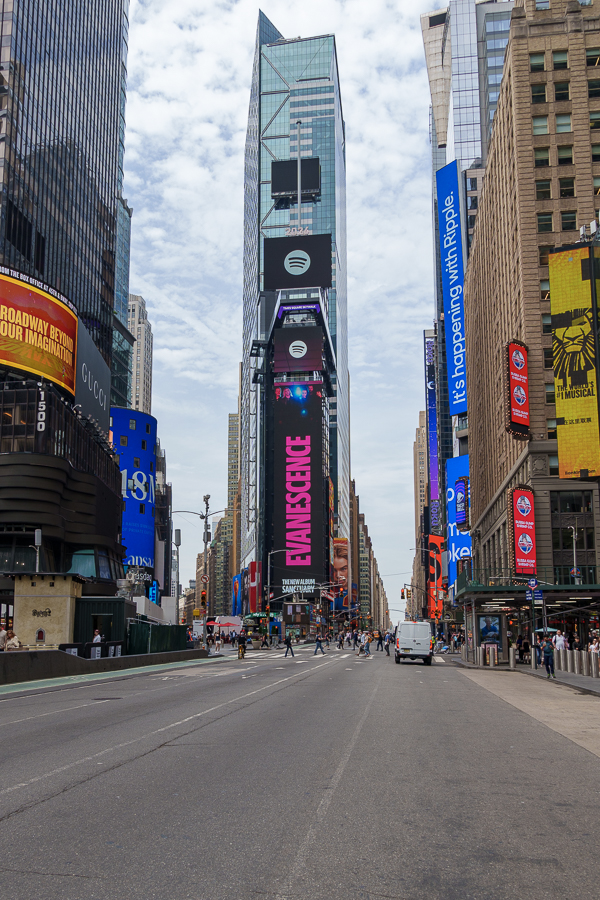
With Lincoln Center across the street, we didn’t worry about walking long distances between the Metropolitan Opera House and our home base. We also found the location within walking distance or a short metro ride to Rockefeller Center, the Empire State Building, Times Square, and other sights. Having Central Park only a few blocks away was also a bonus.

We immensely enjoyed The Last Ship for its music, storyline, and scenery. The opening scene with Sting and Shaggy singing while standing on a girder and descending from the ceiling over the stage took my breath away as did the launch of the ship at the end. We were so glad we made the trip.

We made good use of our time while in Manhattan by making a grand attempt to see all the sights. Although we didn’t see it all, we crossed off several on our list.

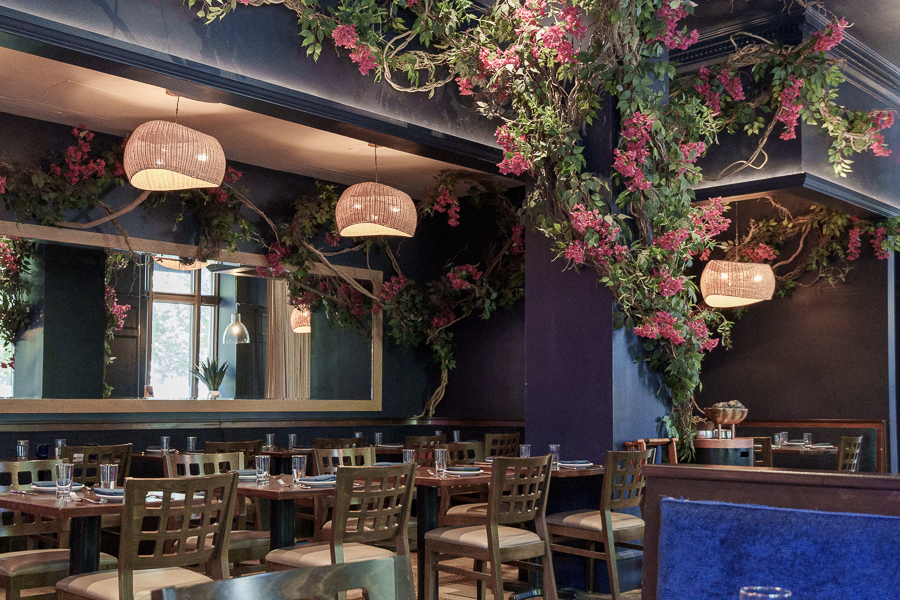
Surrounded by first-rate restaurants assured us we’d not go hungry. In fact, I cannot think of one meal we had that was a disappointment.

  • Rosa Mexicano offers breakfast and dinner.
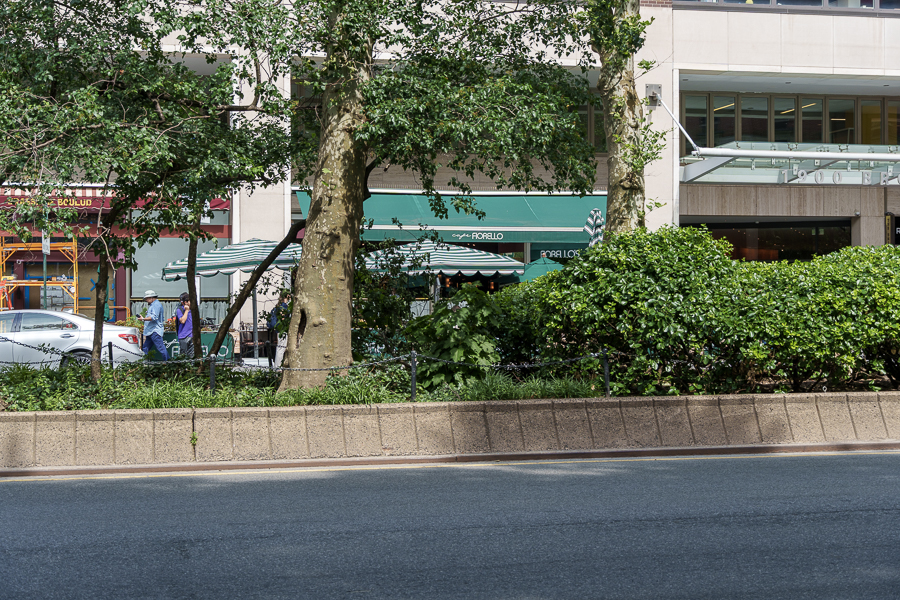
  • Italian dishes at Cafe Fiorello serves lunch, dinner and weekend brunch
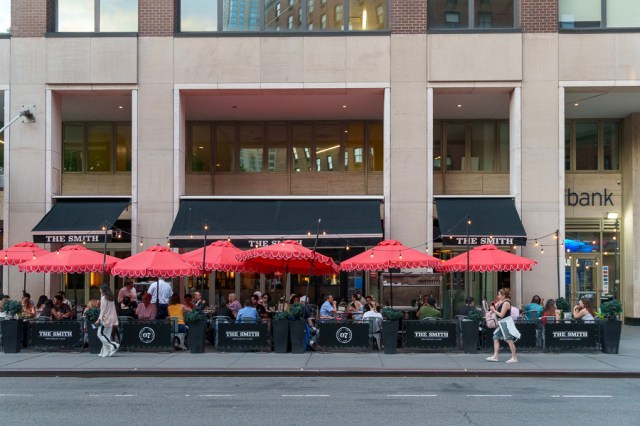
  • The Smith Restaurant serves breakfast, lunch, and dinner.
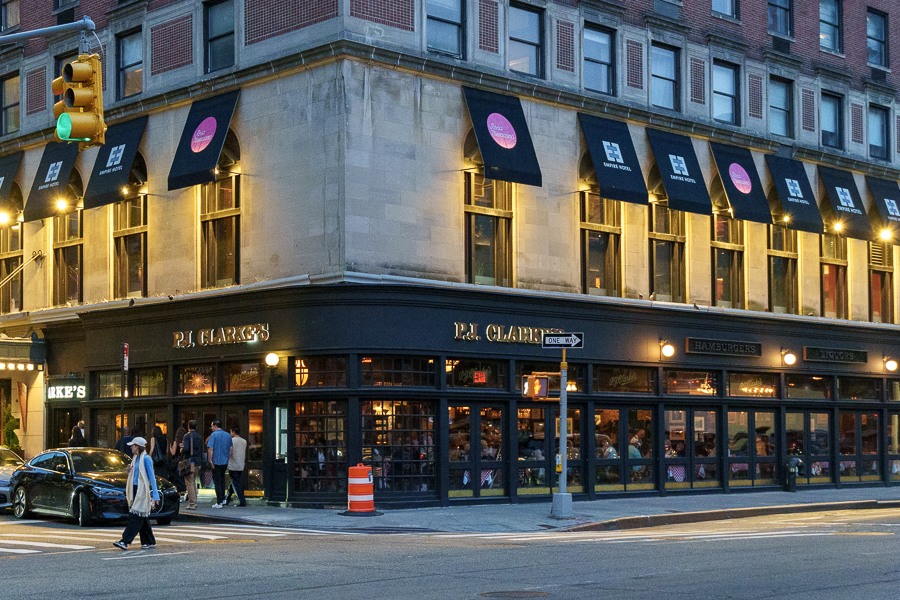
  • PJ Clarke’s Lincoln Square serves lunch, dinner, and weekend brunch. Read the history of the restaurant and the 1868 building on their website.
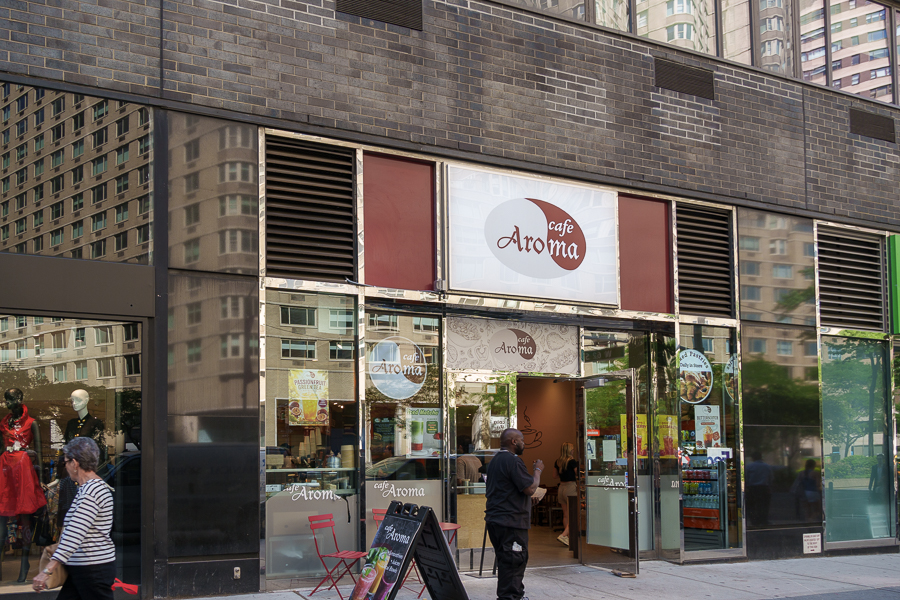
  • Café Aroma supplied us with a quick breakfast and cups of coffee.
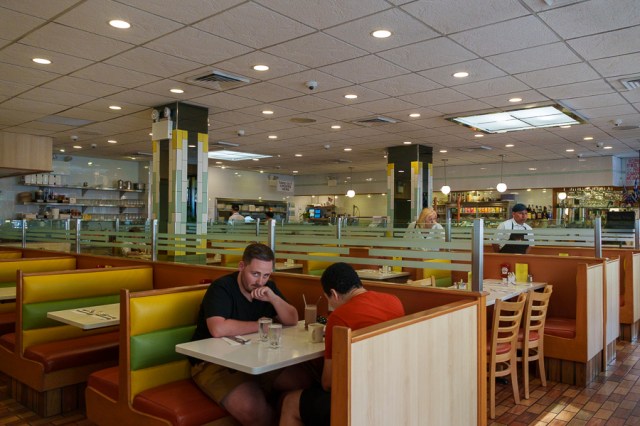
  • The Flame Diner reminded us of the diners of the 1950s and 60s. They’re even open 24 hours.

Our first foray into the wild took us on the NYC subway. We thought it similar to the BART system in San Francisco, except cleaner and more comfortable, even when we had to grab a pole.

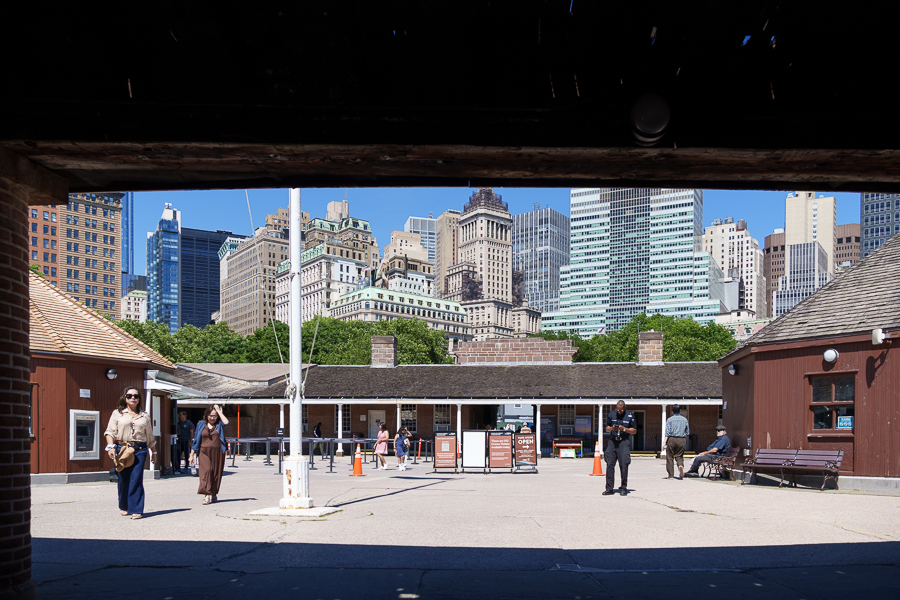
A glimpse of the old and new through the entrance of Castle Clinton National Monument.

Near the South Ferry/Whitehall Street Station, we searched for the Castle Clinton National Monument. After a few wrong turns, a maintenance person pointed us in the right direction.

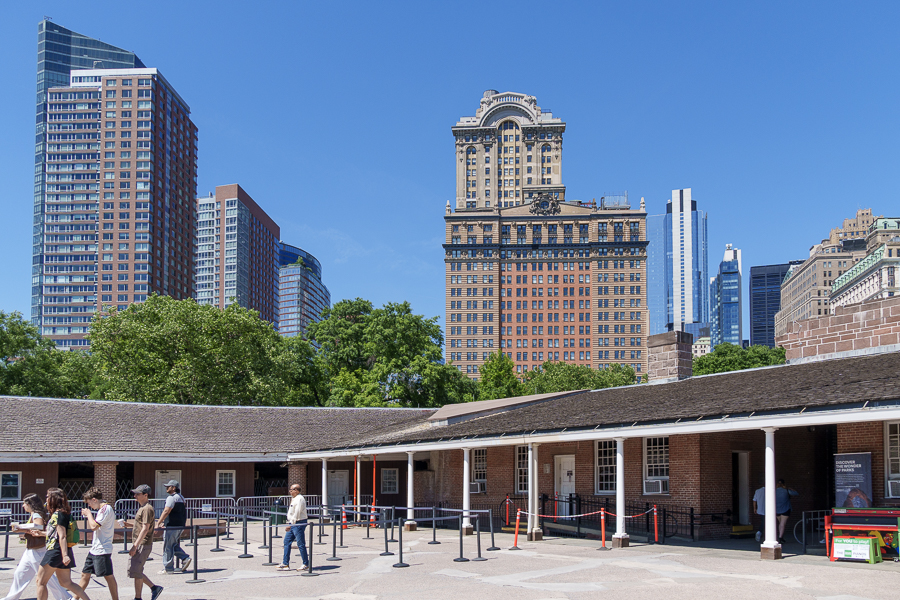
Our timing didn’t match up with the tour times, but we were able to look at some of the exhibits inside the compound and the surrounding area and the rest of our visit included gawking at the surrounding high rises.
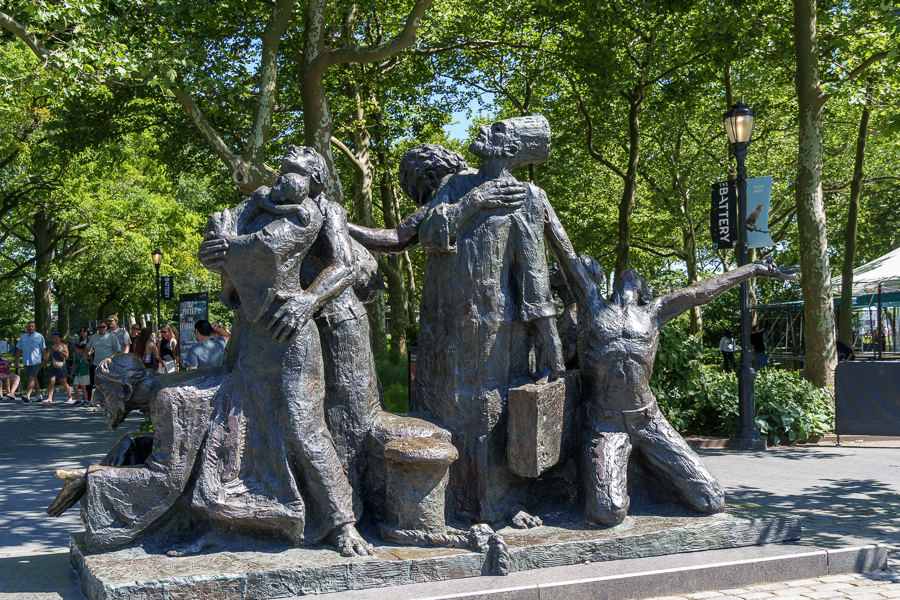
Luis Sanguino (1934-2026) created this sculpture in Battery Park near Castle Clinton. Castle Clinton processed immigrants arriving in New York from 1855 to 1890.
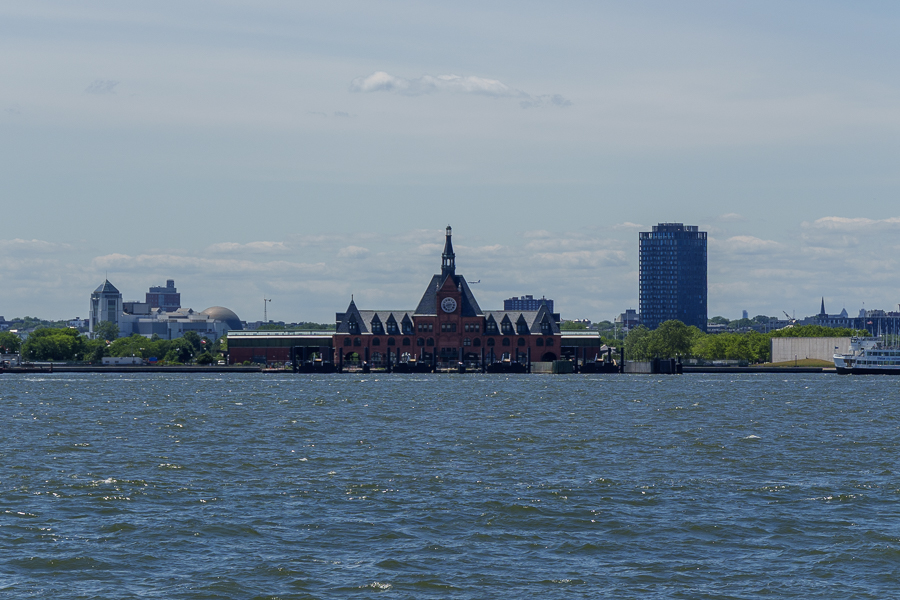
The historic Central Railroad of New Jersey Terminal.
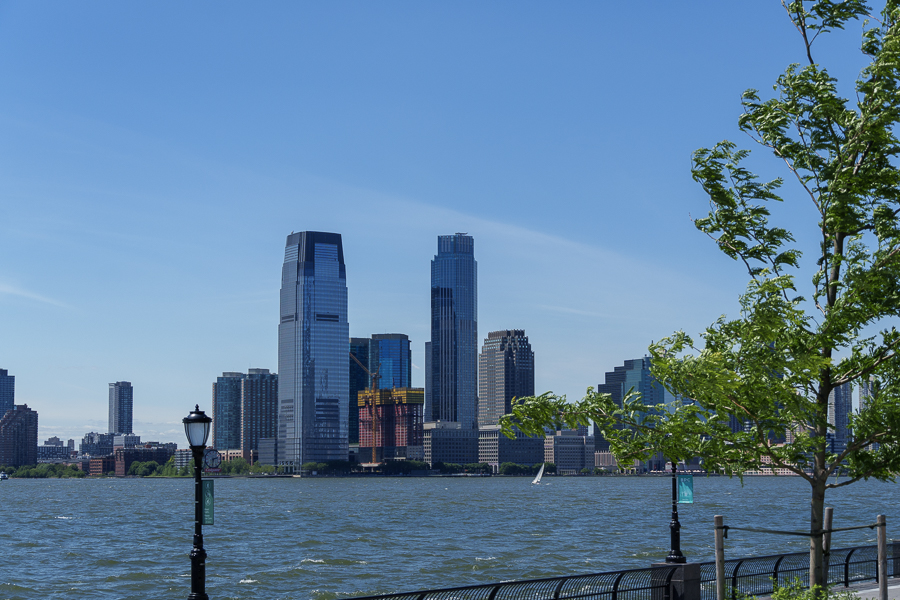
Across the Hudson River, the tall building on the left is the Goldman Sachs Tower in Jersey City.
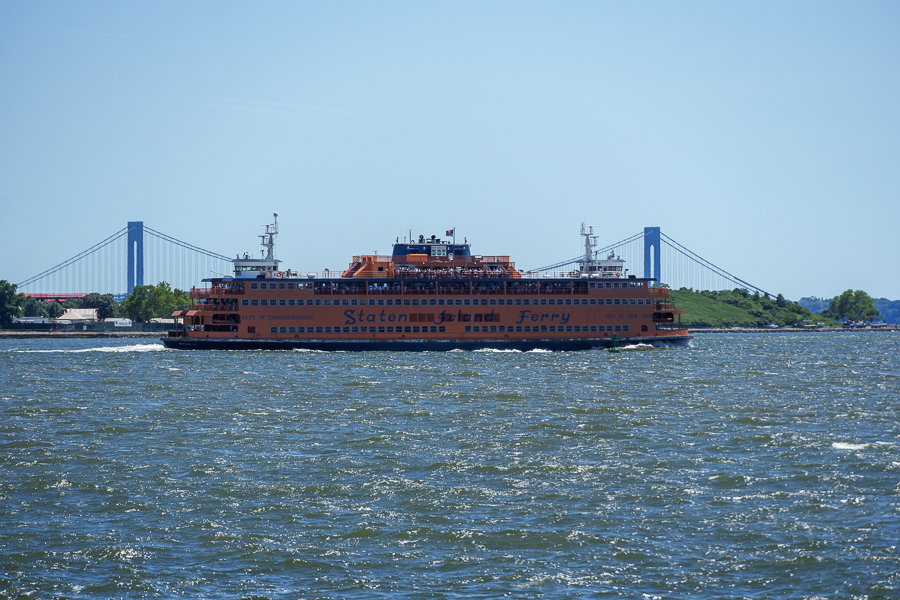
The Staten Island Ferry is free to ride. Taxpayers fund the costs of operating the ferry through city taxes. The Verrazano-Narrows Bridge is behind the ferry. The ferry and the island is on our list of things to do during a future visit.

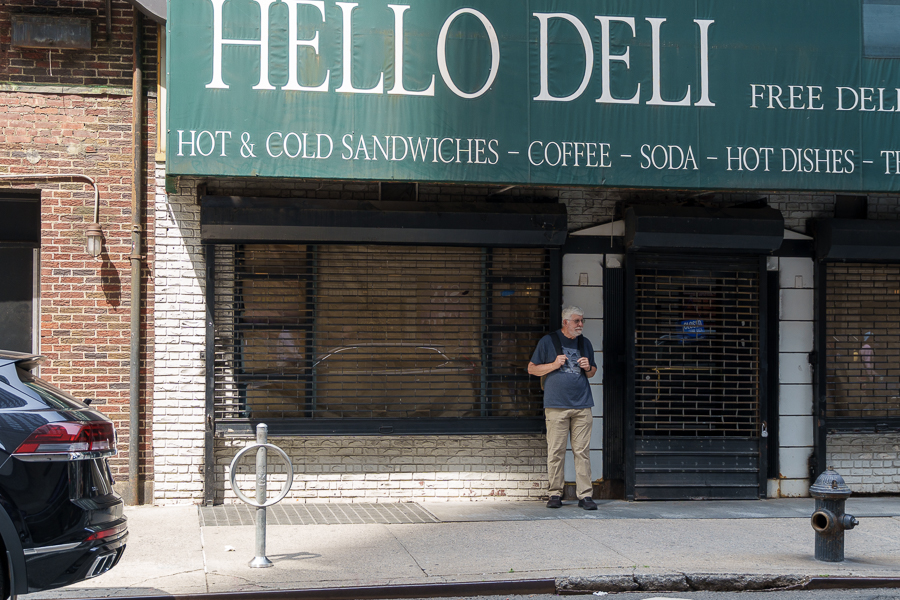
I had big plans for our second day, mapping out our walking path to visit six different must-see tourist sights. After several misdirections and backtracks and only seeing three sights, we stopped for lunch. Sitting in the air-conditioned deli eating our sandwiches, we decided three sights would be enough for one day. We hopped on the metro and went back to the hotel.

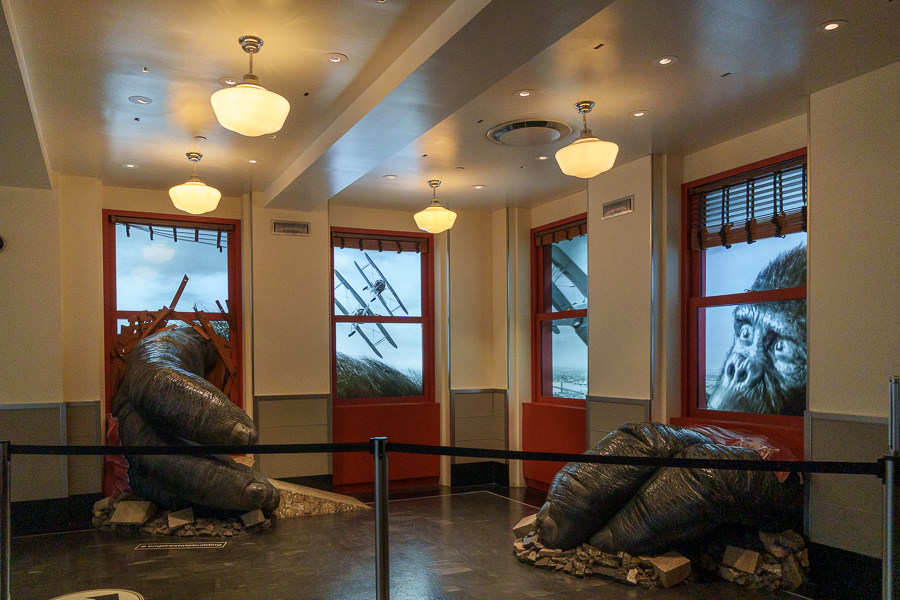
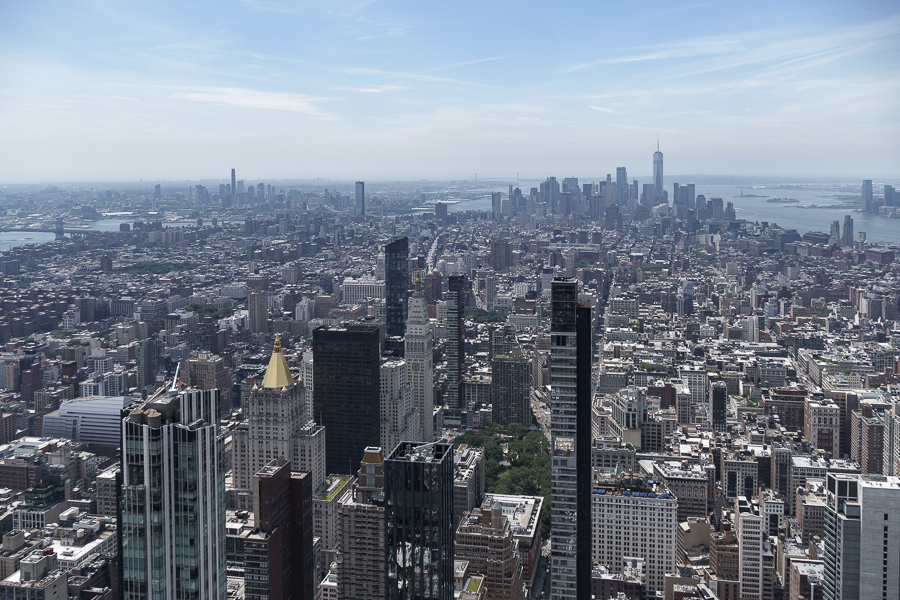
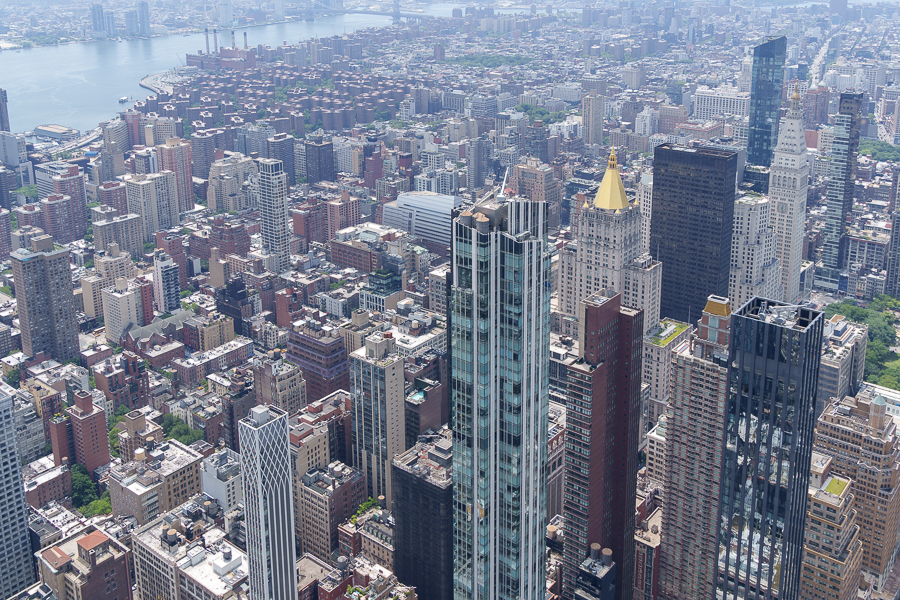
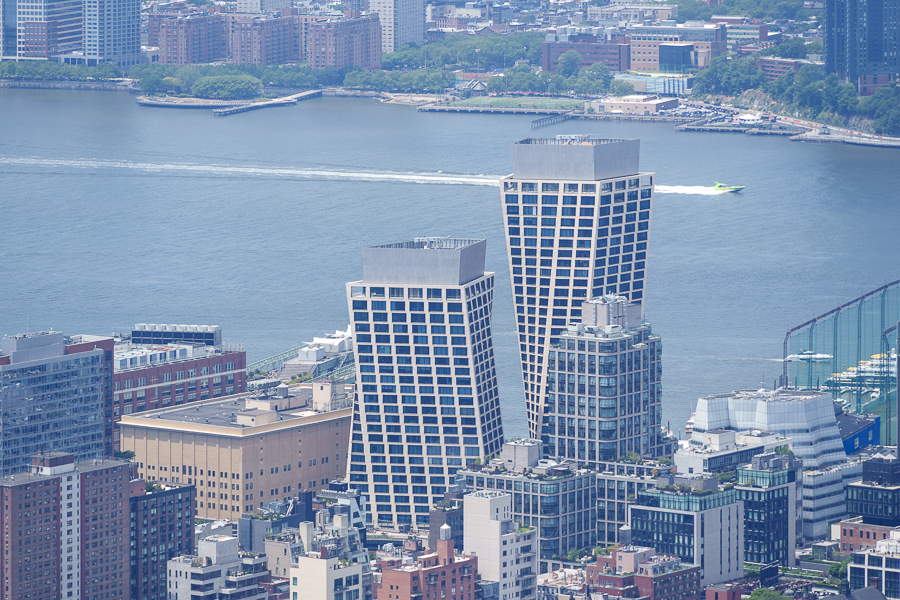
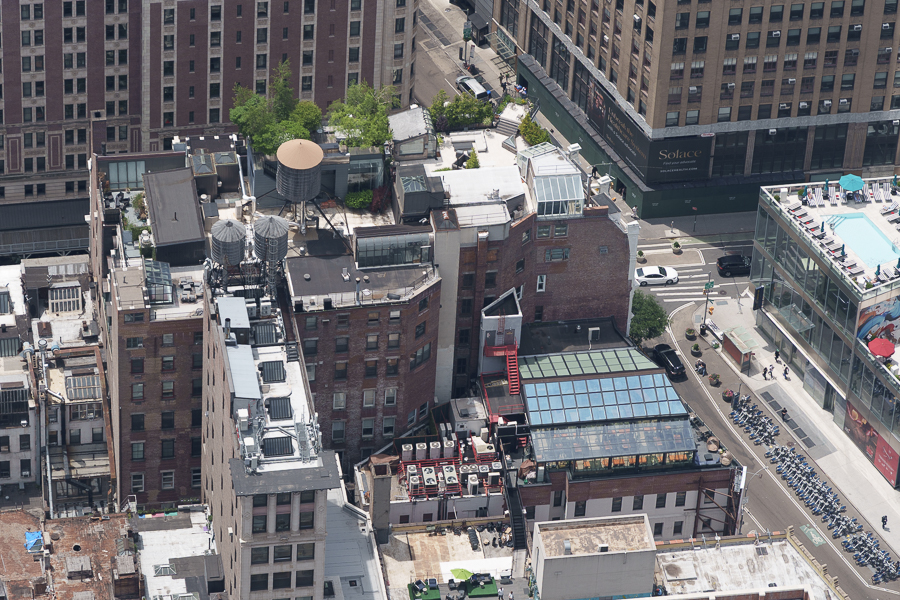
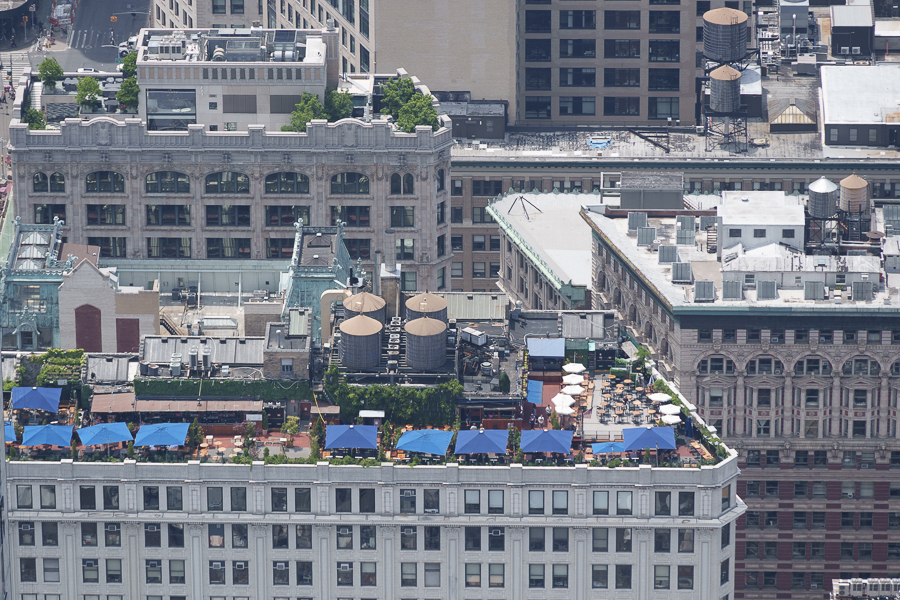
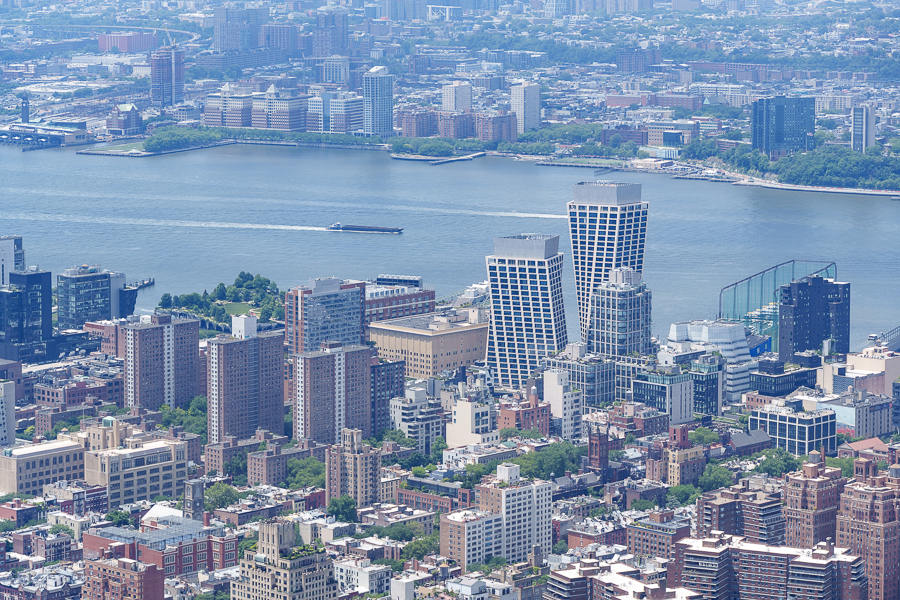
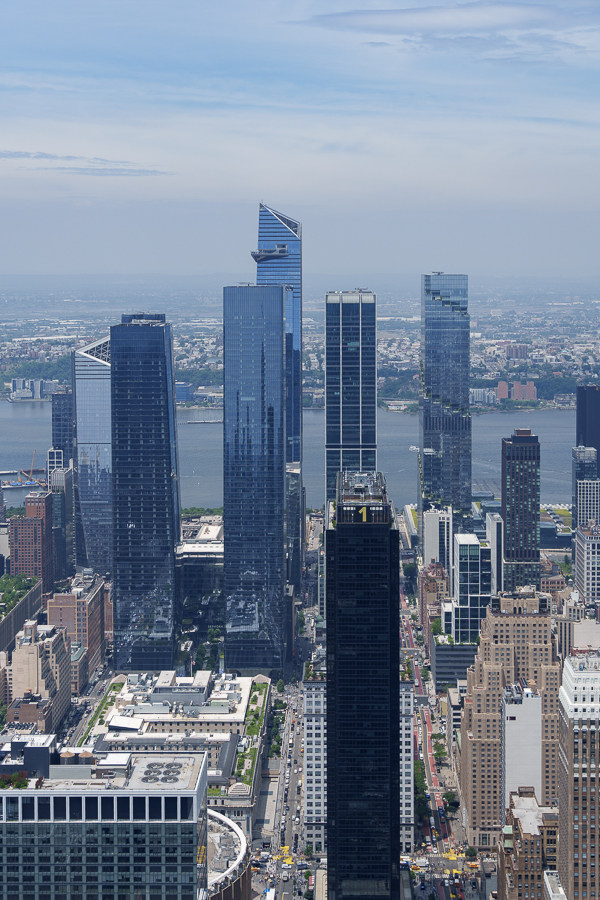
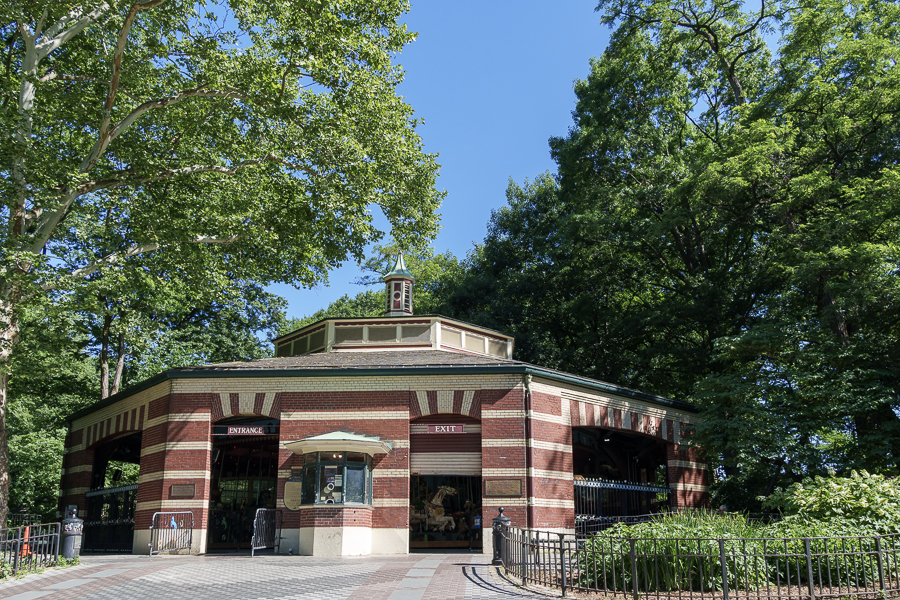
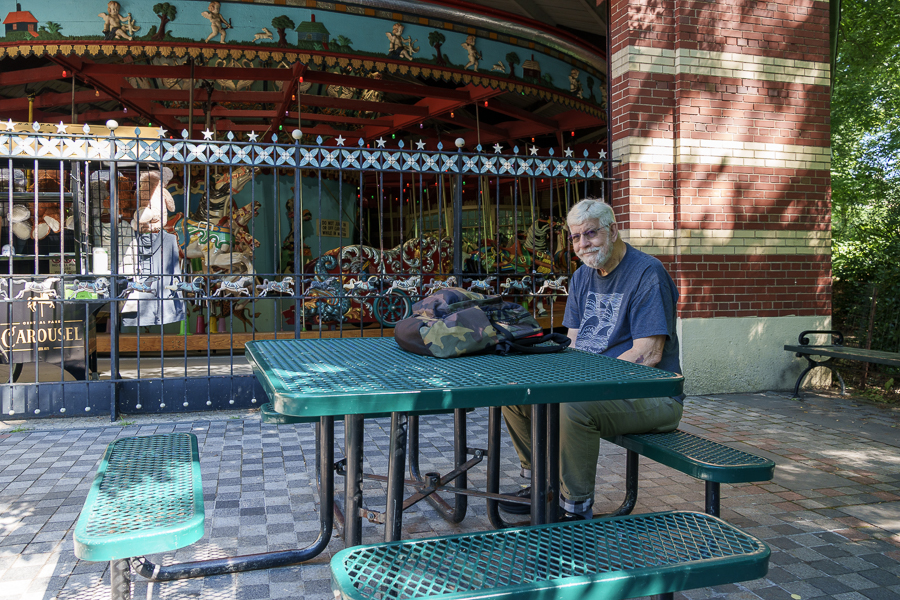
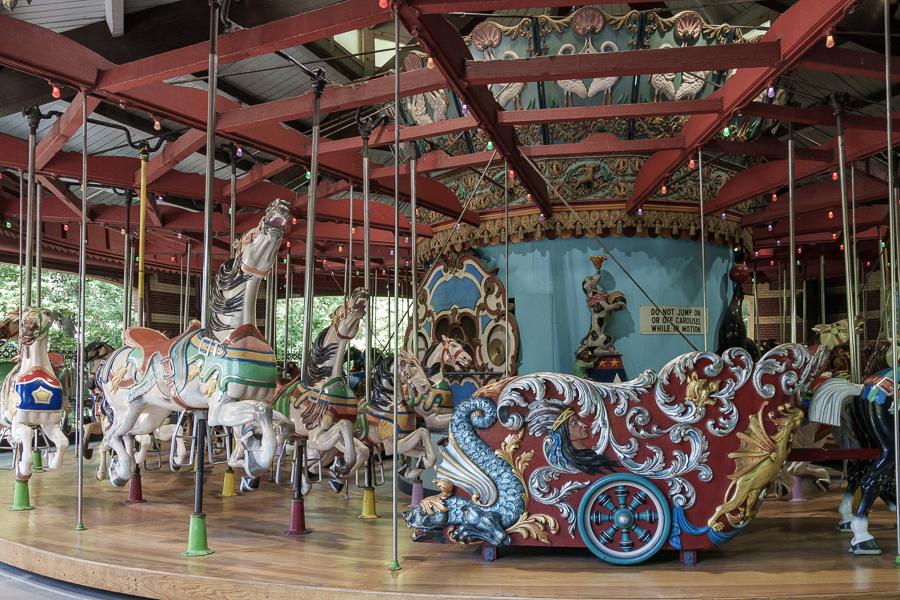
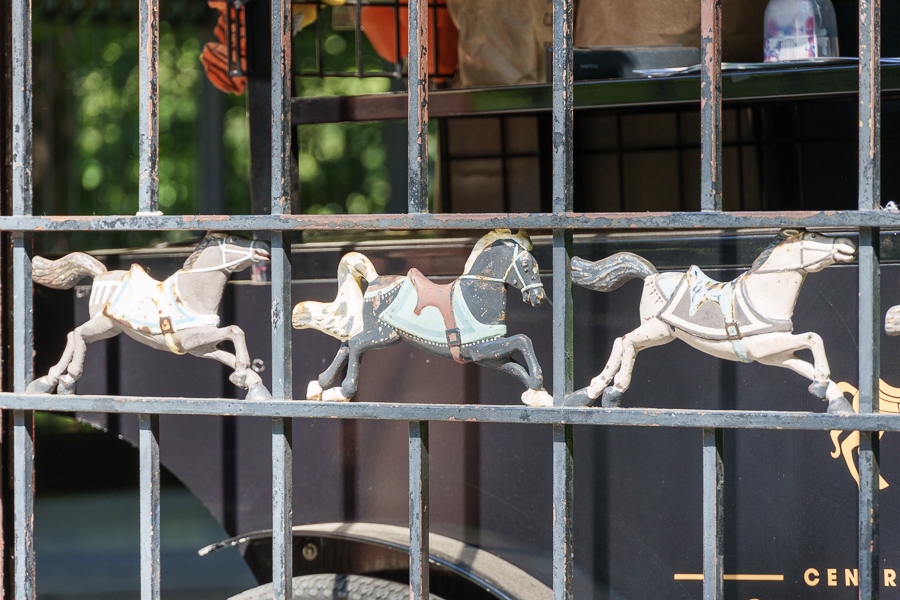
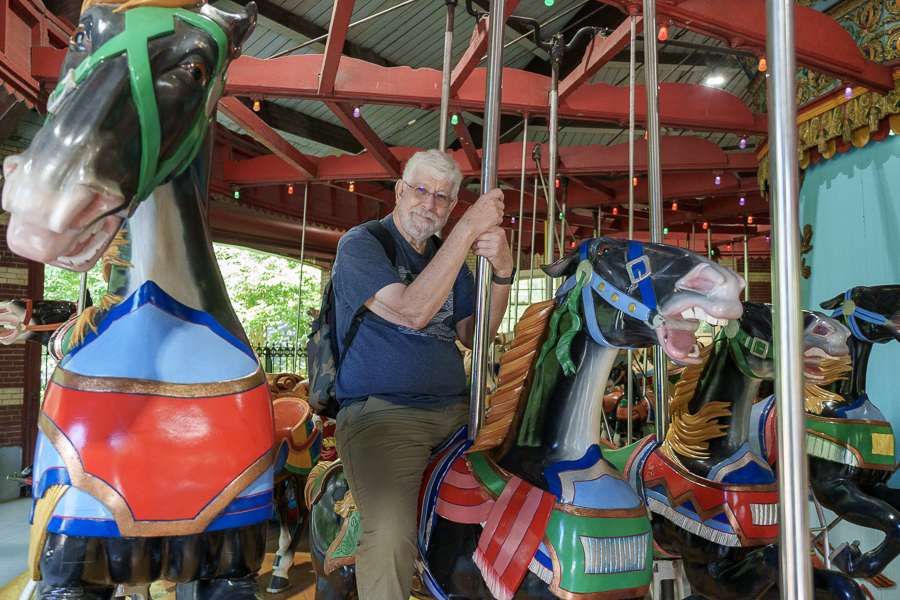
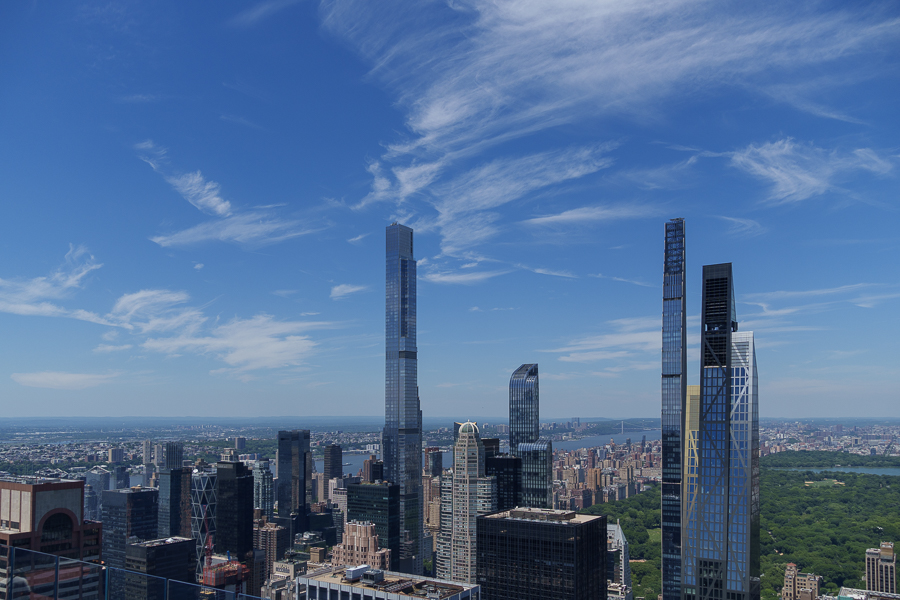
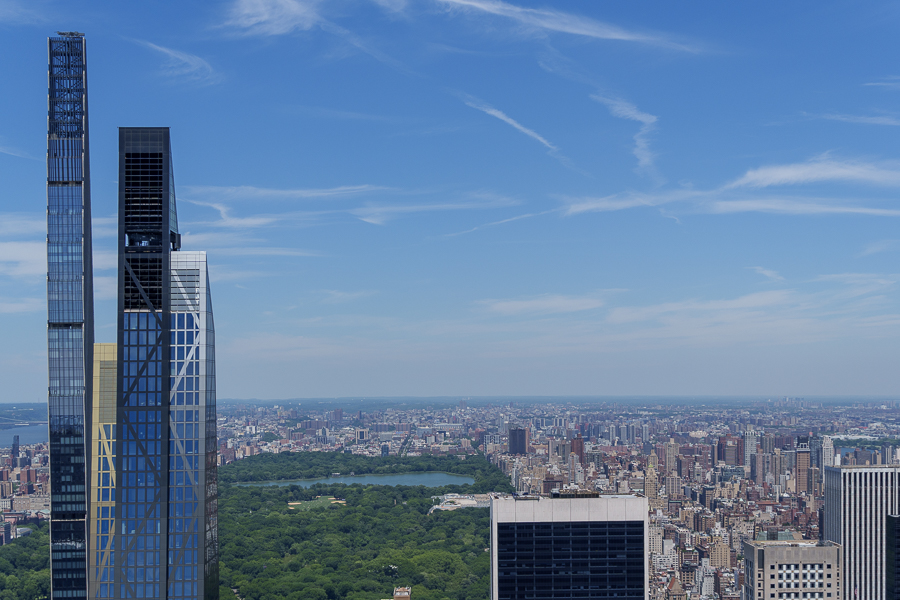
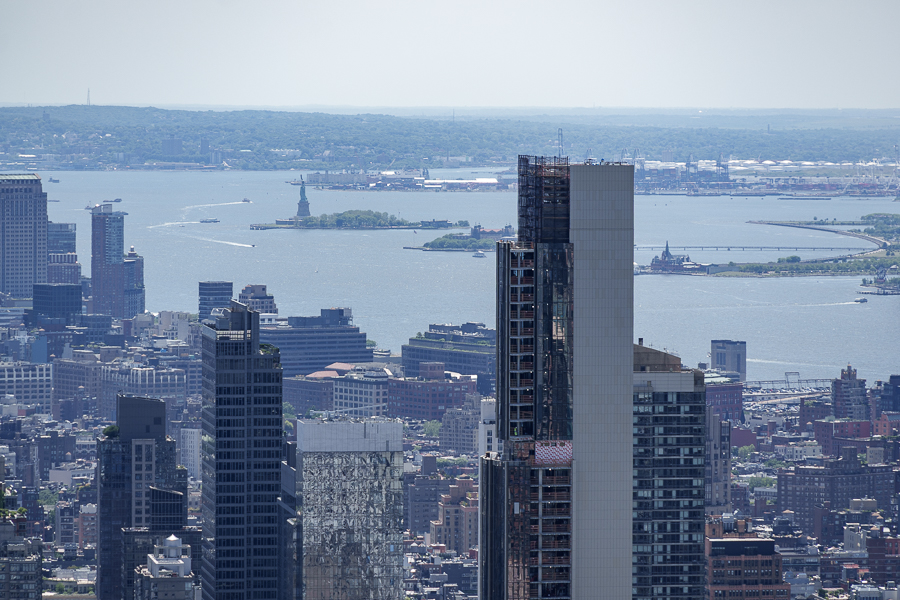
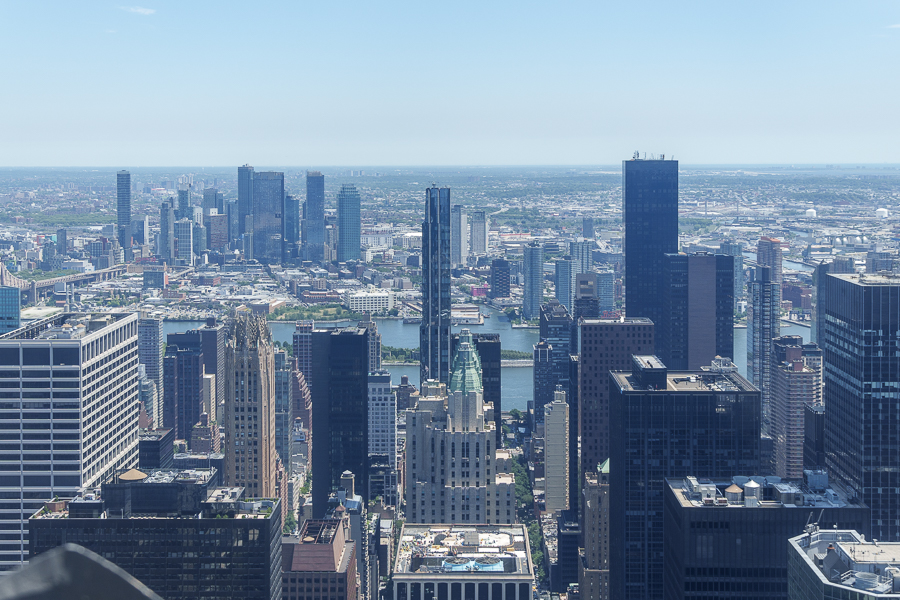
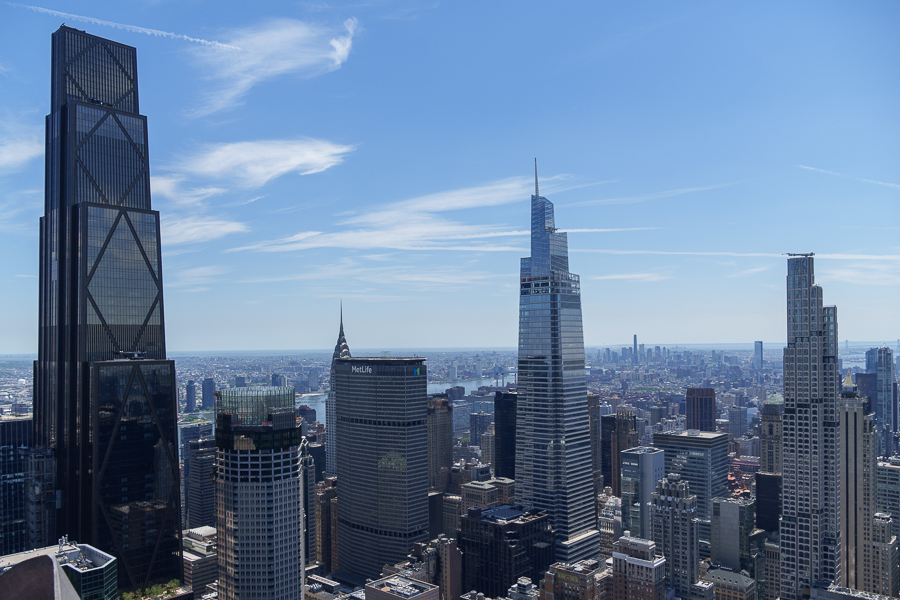
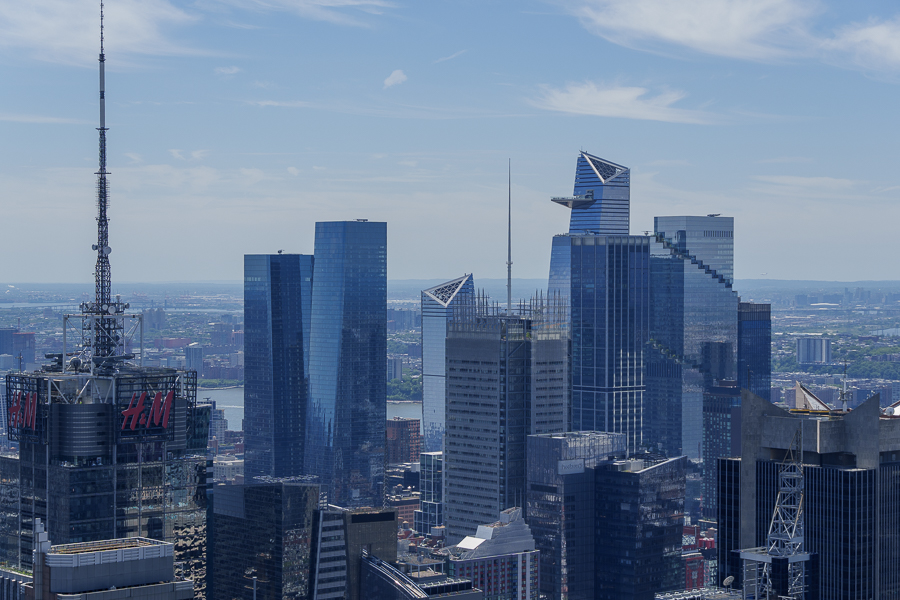
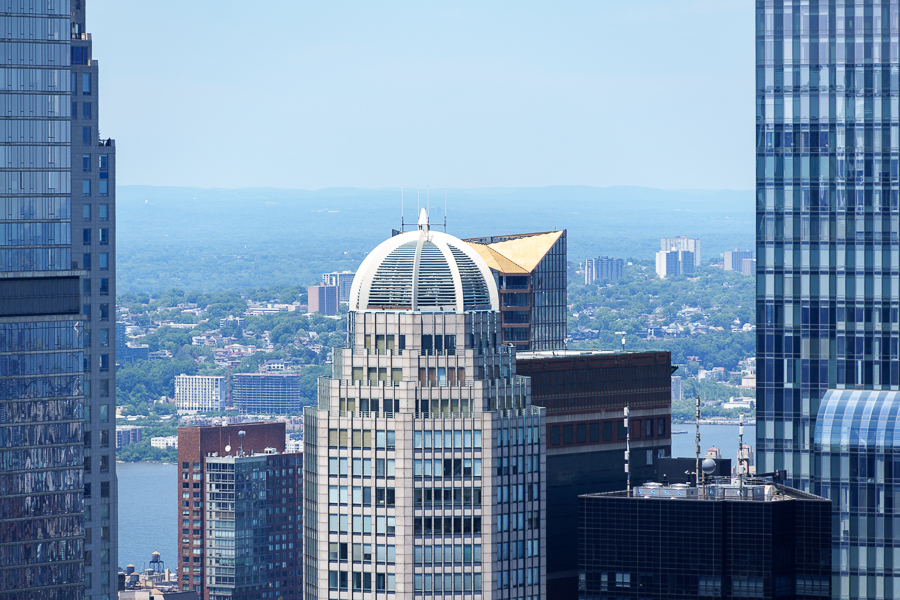
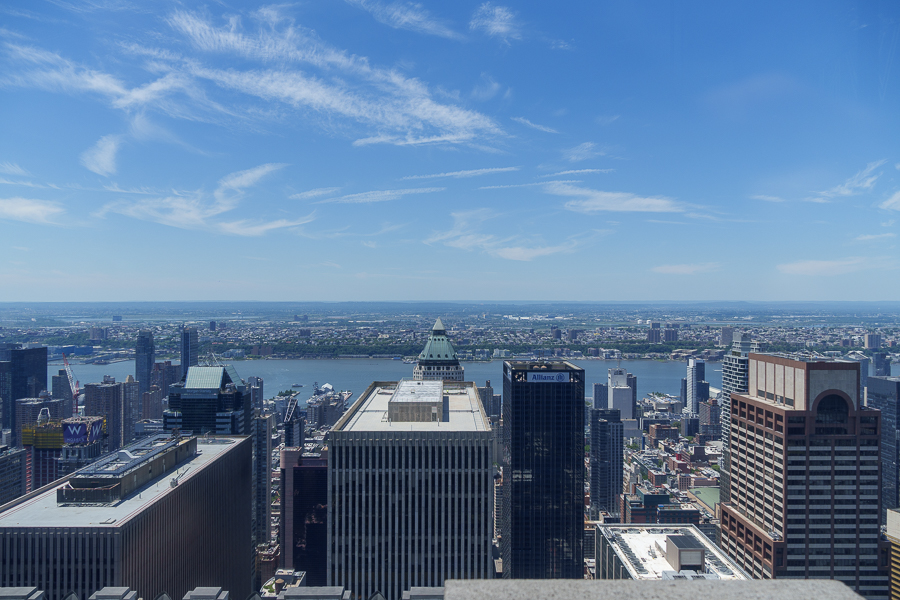
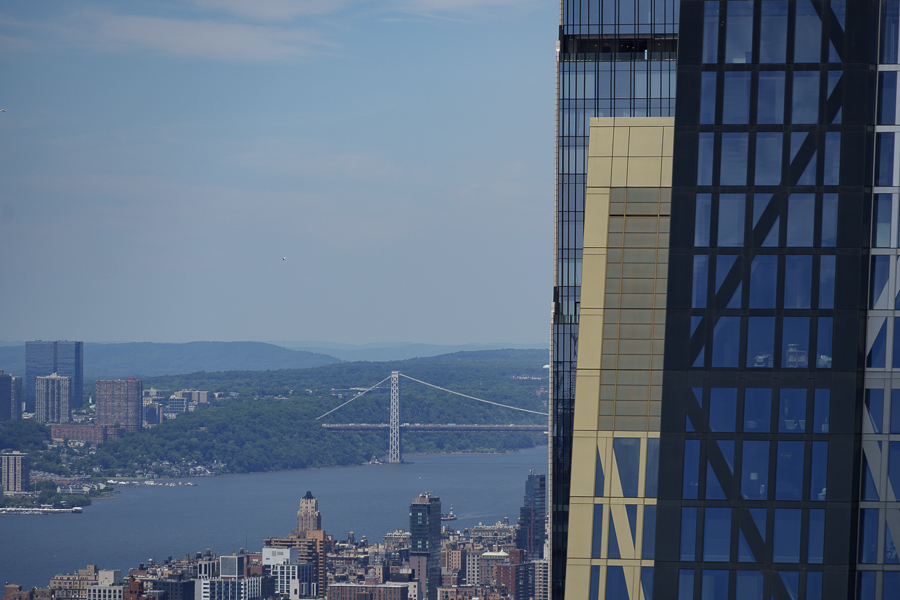
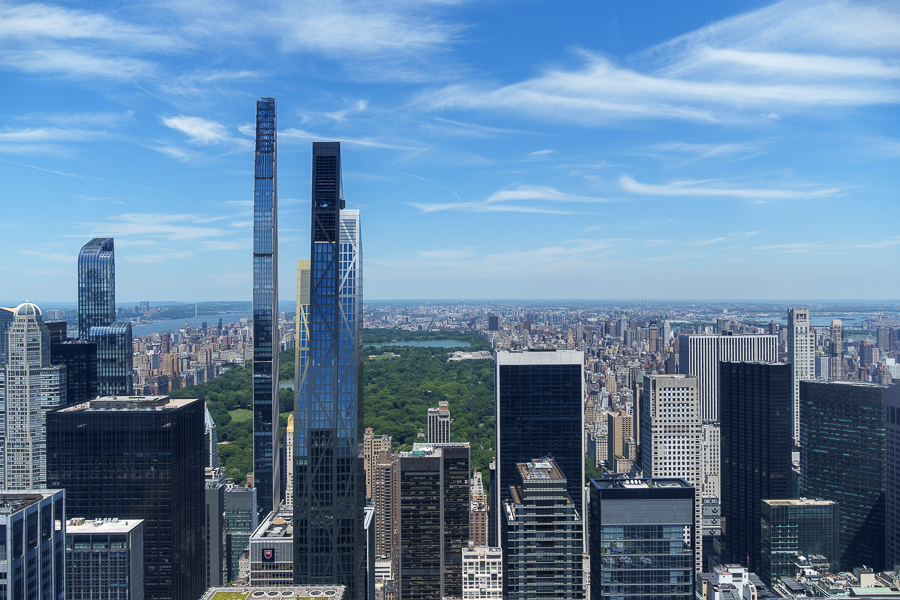
We started day three with a walk through Central Park and a ride on the carousel. I can’t pass on an opportunity to ride a trusty steed up and down and round and round. Jon even joined in the fun. Then we walked around Fifth Avenue, rode the elevator to Top of the Rock’s 70th floor observation deck for a 360-degree city skyline view toward the East River and Hudson River.

We arrived early and had to wait for the carousel to open.
Patience, my dear.
Looks like he’s having fun.
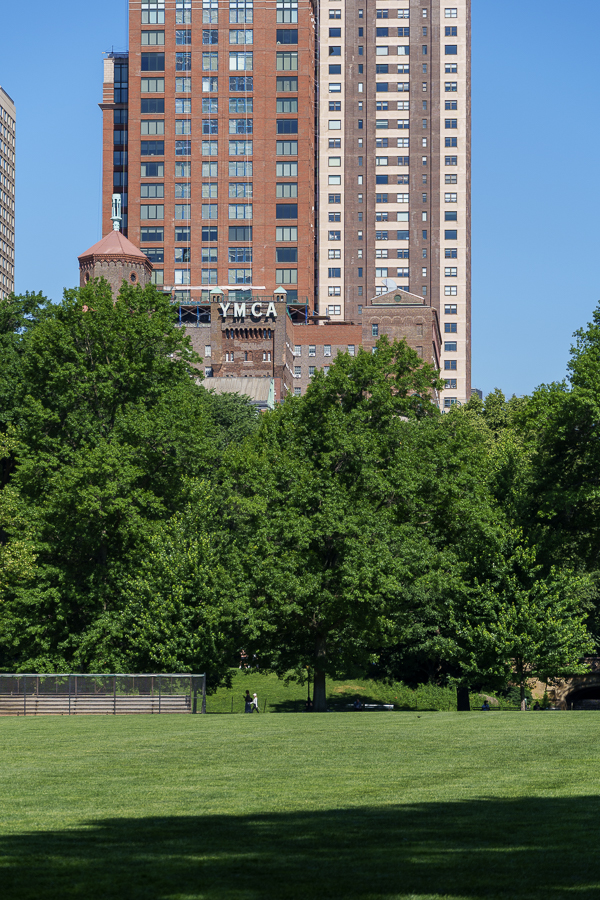
Mighty large trees made me wonder how long they’d been there.
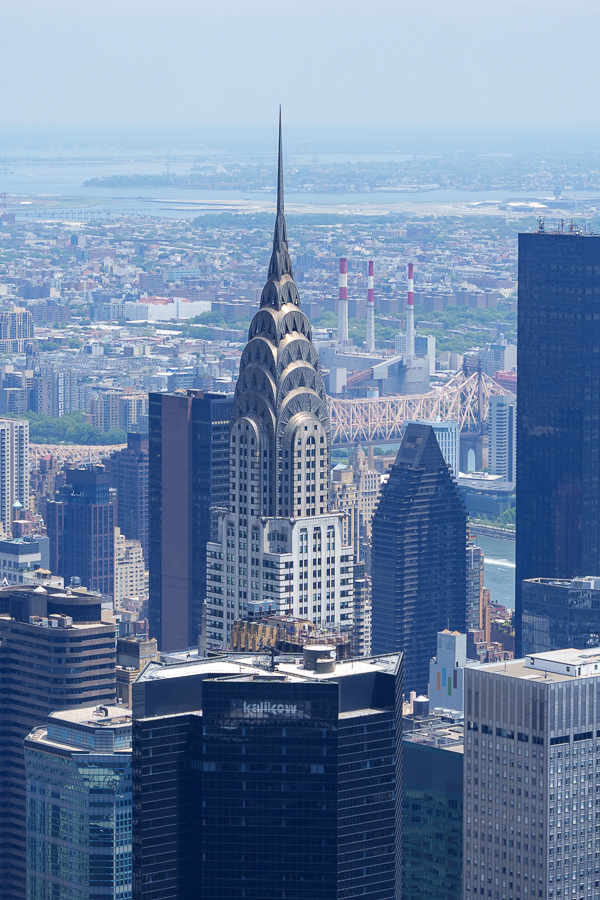
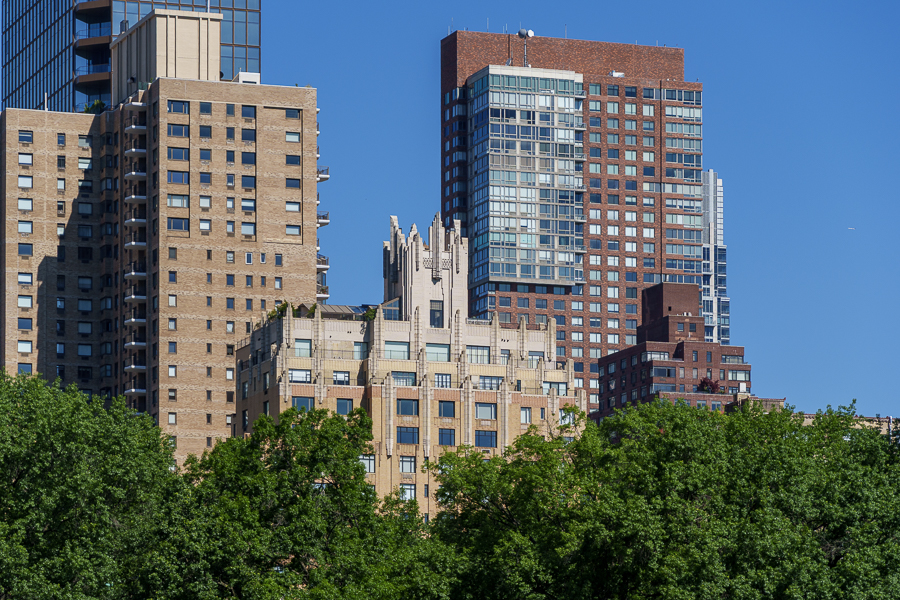
I prefer the Art Deco style of architecture over the squared off buildings.
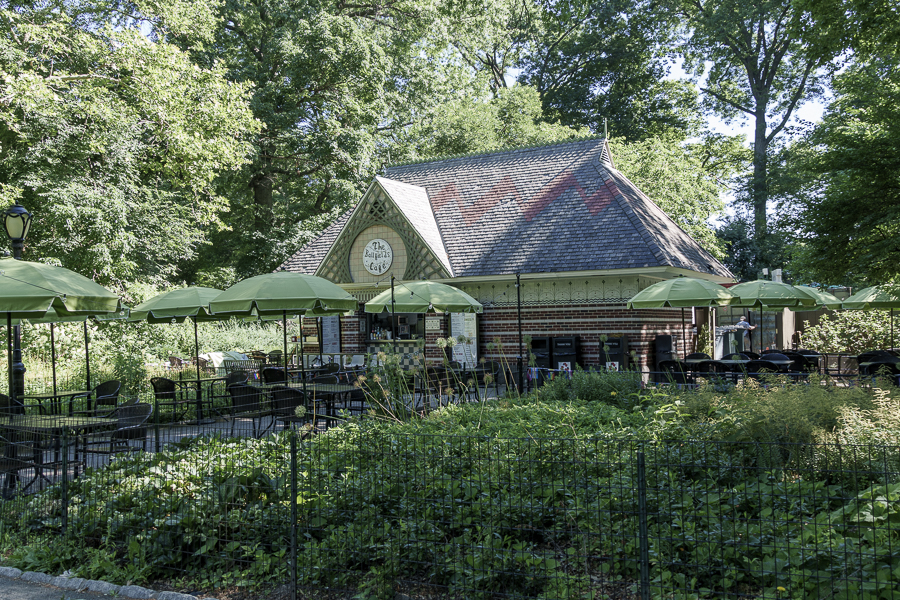
The Ballfield’s Cafe
The short and tall, old and new
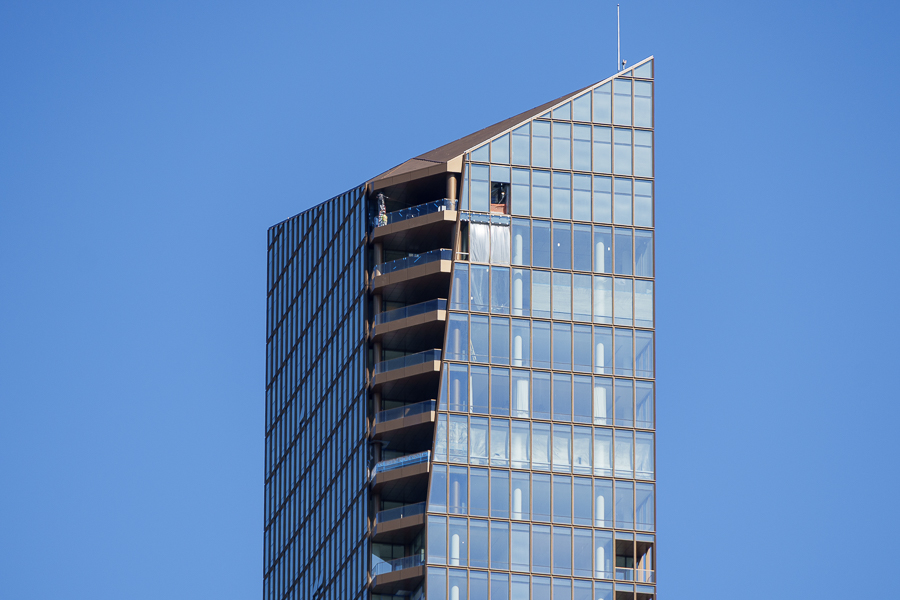
Exterior is done, interior still under construction.
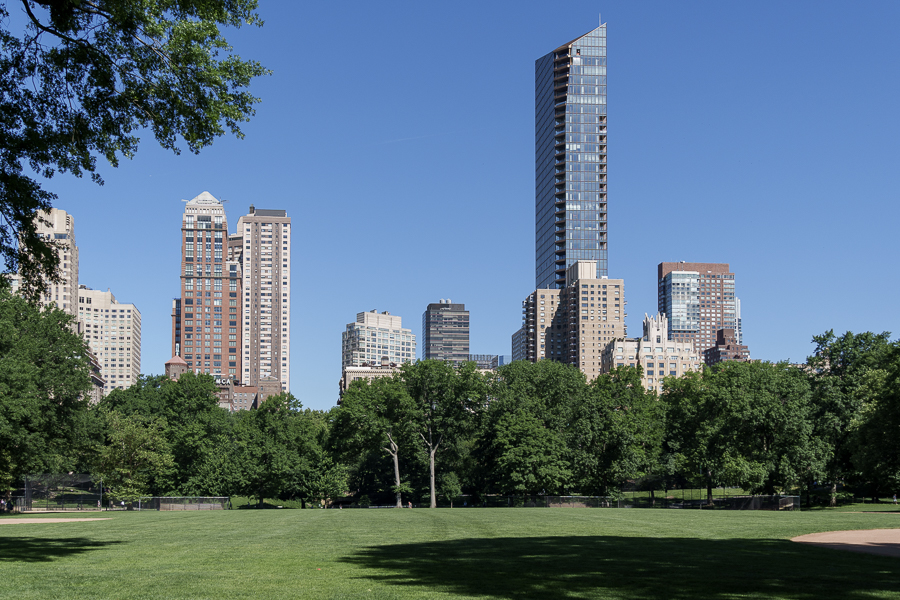
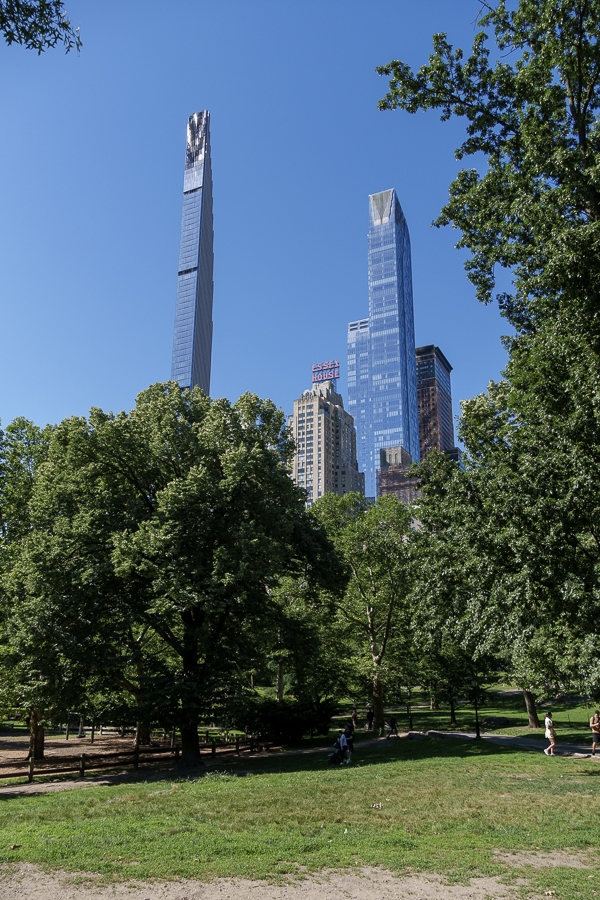
While enjoying nature in the park, the skyscrapers remind nature lovers that the city abounds
Which is your favorite, Art Deco or the shiny glass and steel of modern architecture?
Abandoned shoe waiting to be found.
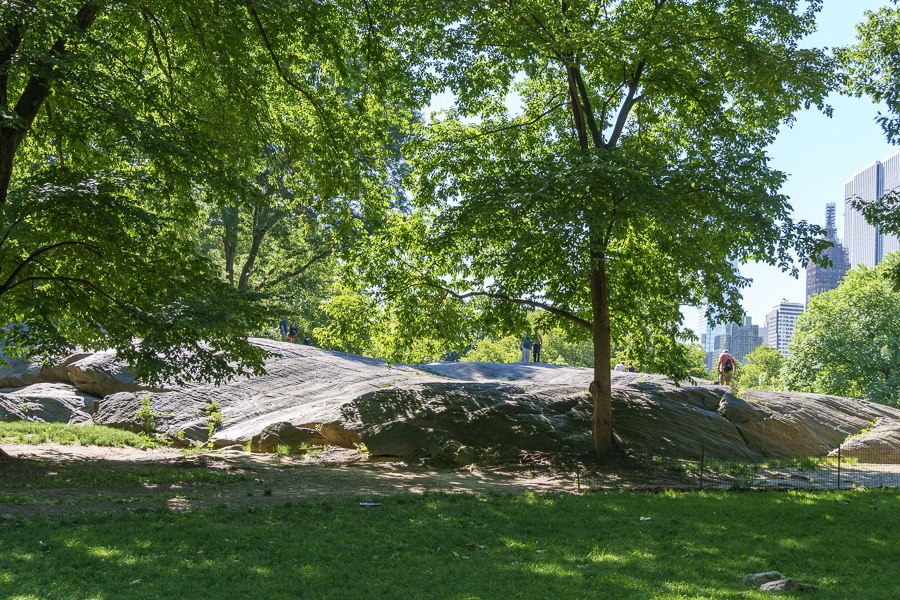
Granite boulders are part of the Manhattan schist found running down the center of the island.
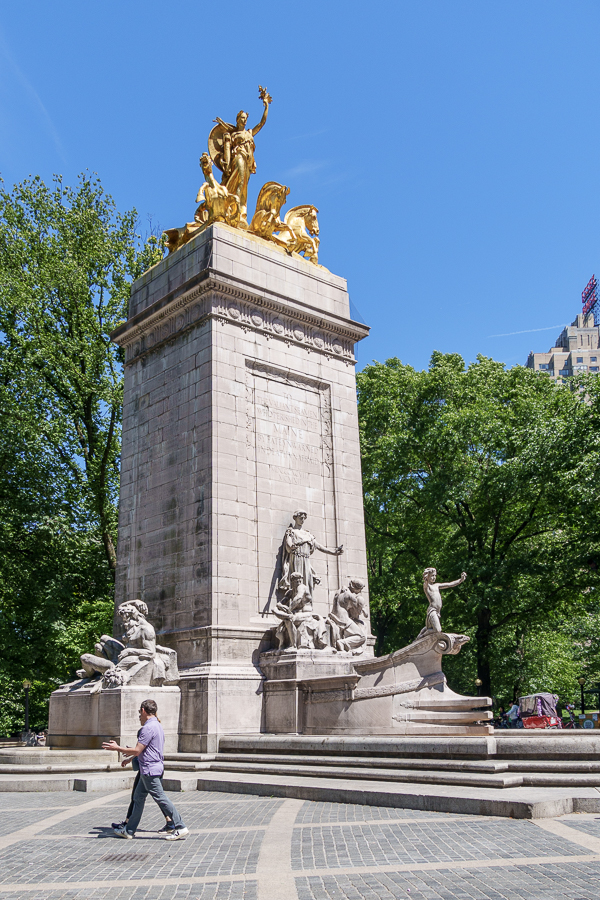
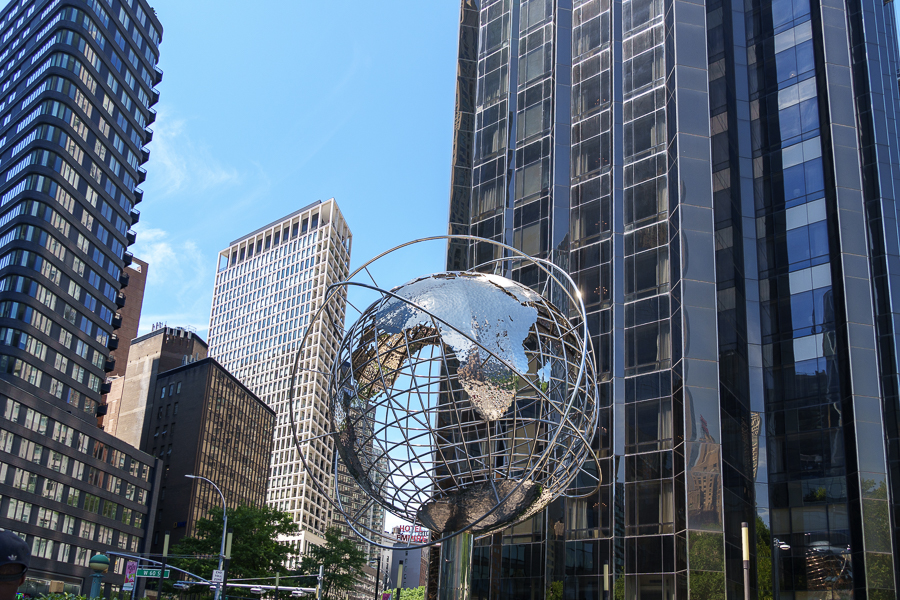
Columbus Circle
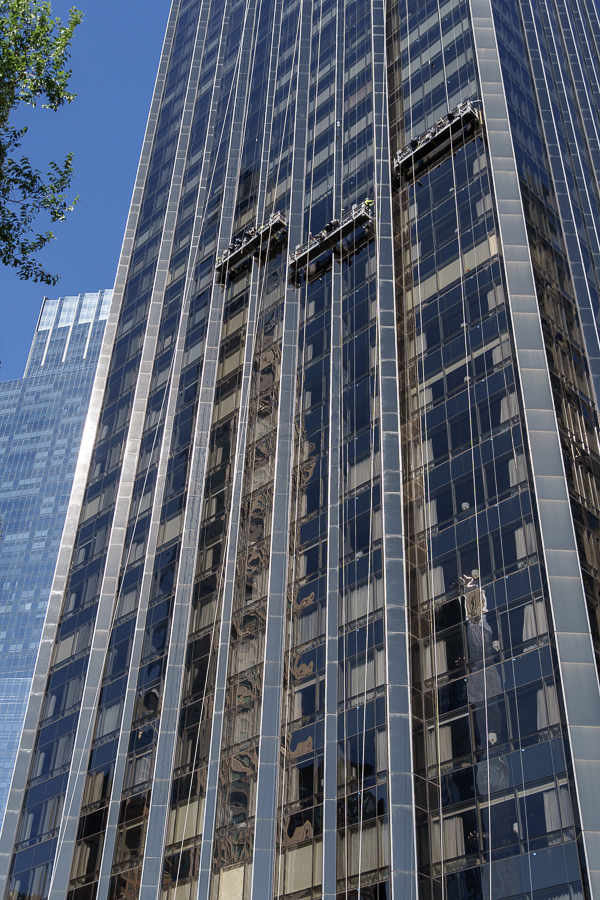
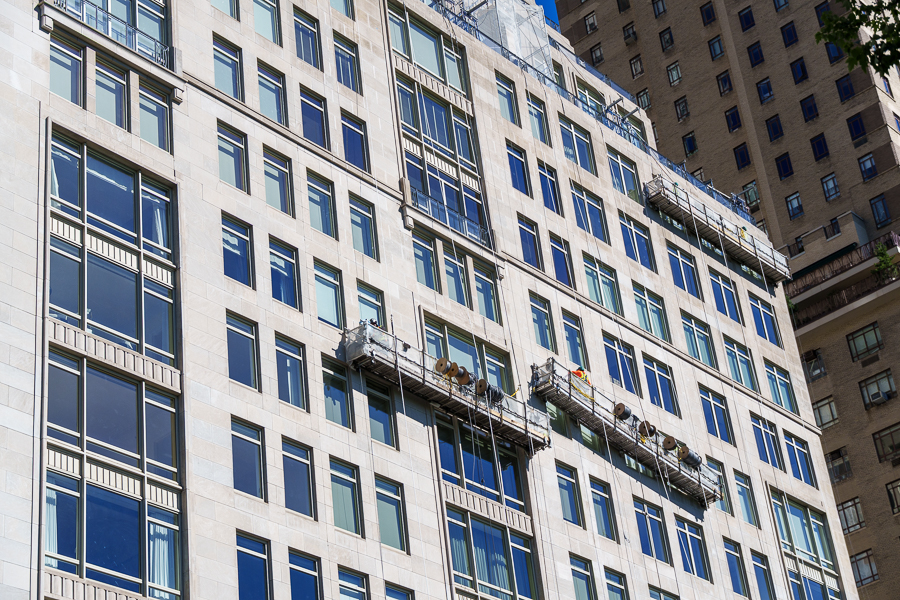
The risky business of window maintenance pays on average around $42,000 per year. A person with specialized skills and more danger, could bring in $60,000 to $100,000.
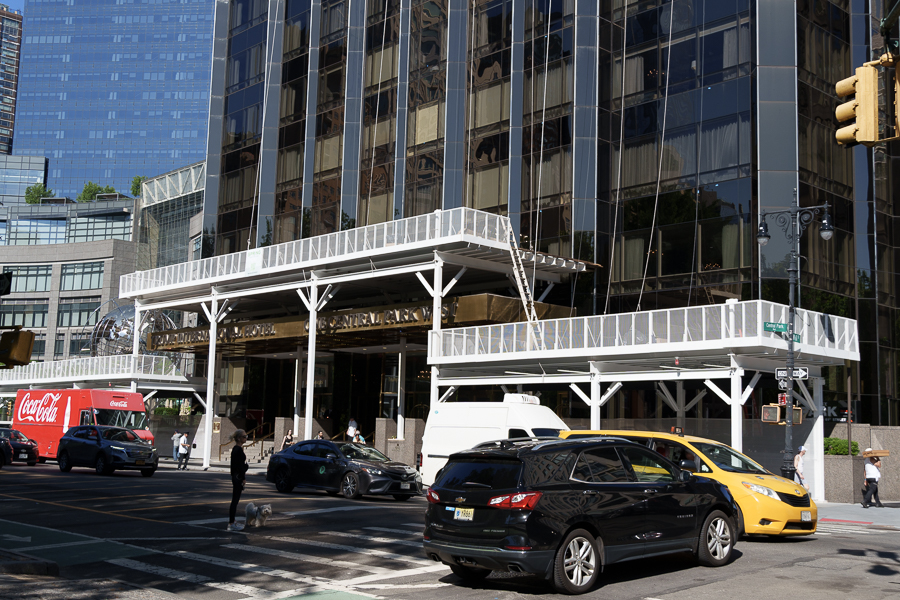
The white structure is an urban umbrella that protects pedestrians and sidewalks from mishaps above during maintenace and repairs. They’re even lighted at night.
Easy does it, buddy.
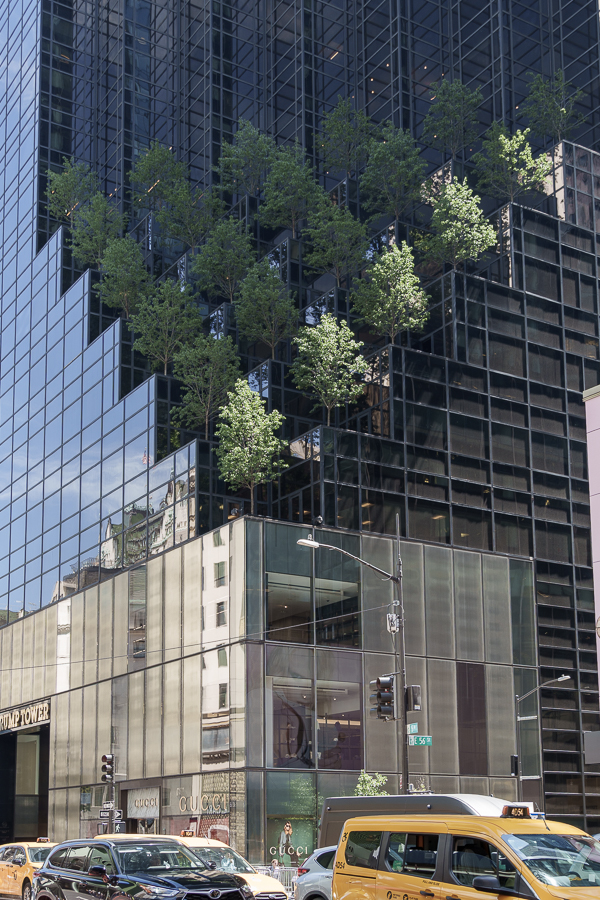
The 21 pear trees growing on the living terraces make for a unique architectural element to this building.
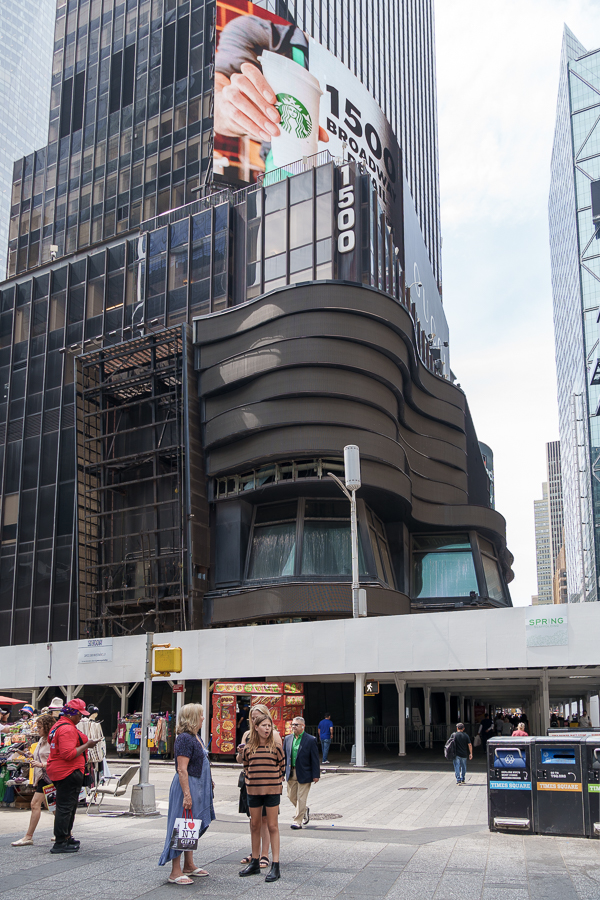
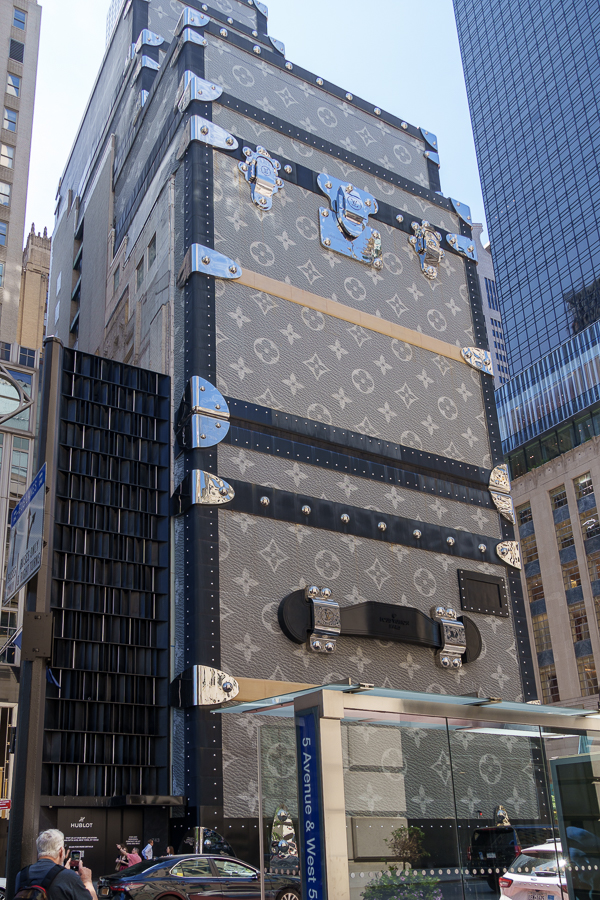
Our driver pointed out this building when we came into the city from the airport. Not a building, though. It’s a facade to shield the renovation and expansion going on behind the scenes of the Louis Vuitton’s flagship store.
Columbus Circle Globe by Kim Brandell

Rockefeller Center was our main attraction for the day. How we missed it the first time, I don’t know. I even stopped to take a photo and then we kept walking. More backtracking.

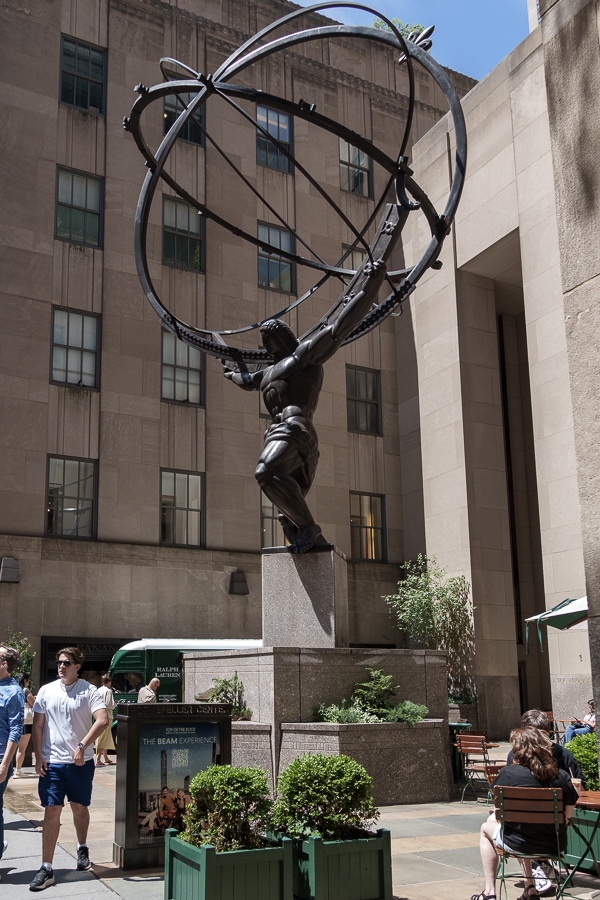
The bronze Atlas statue was installed in 1937 and is the largest statue in Rockefeller Center.
The gold sculpture Prometheus created by Paul Manship in 1934 is a prominent fixture at the lower plaza of Rockefeller Center.
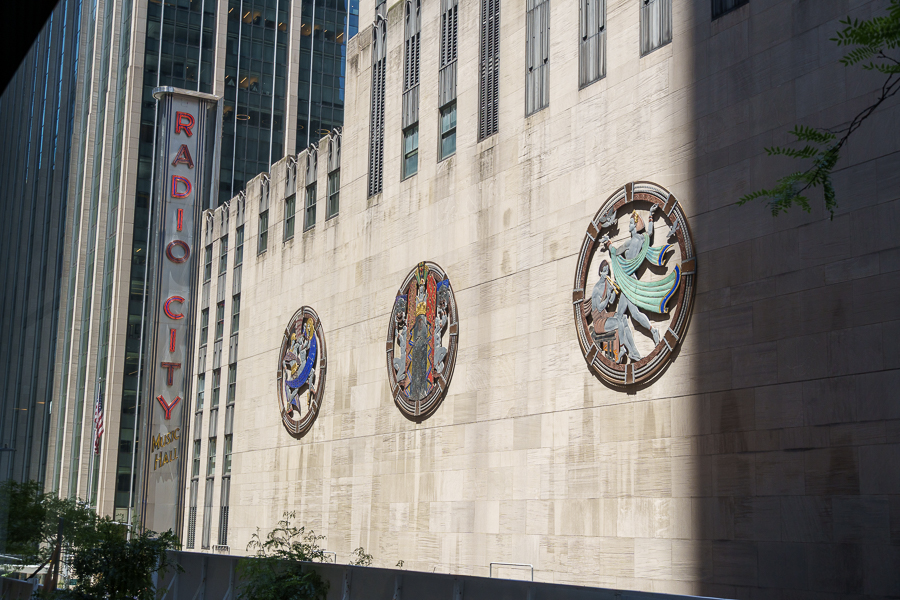
Radio City Music Hall building with Art Deco medallions created in 1932 by Hildreth Meiere and Oscar B. Bach. The medallions symbolize the performing arts of Dance, Drama, and Song.
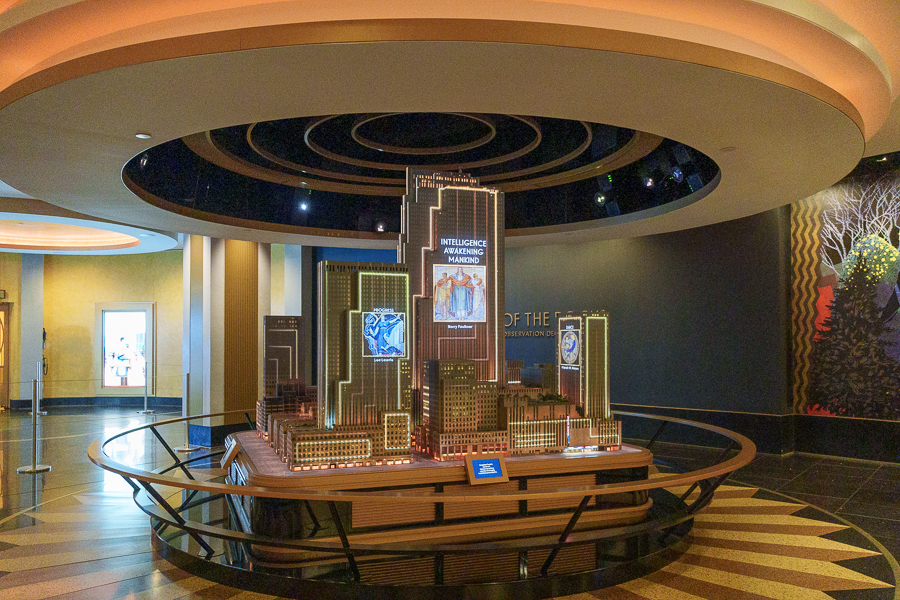
The waiting area for the elevators to the Top of the Rock
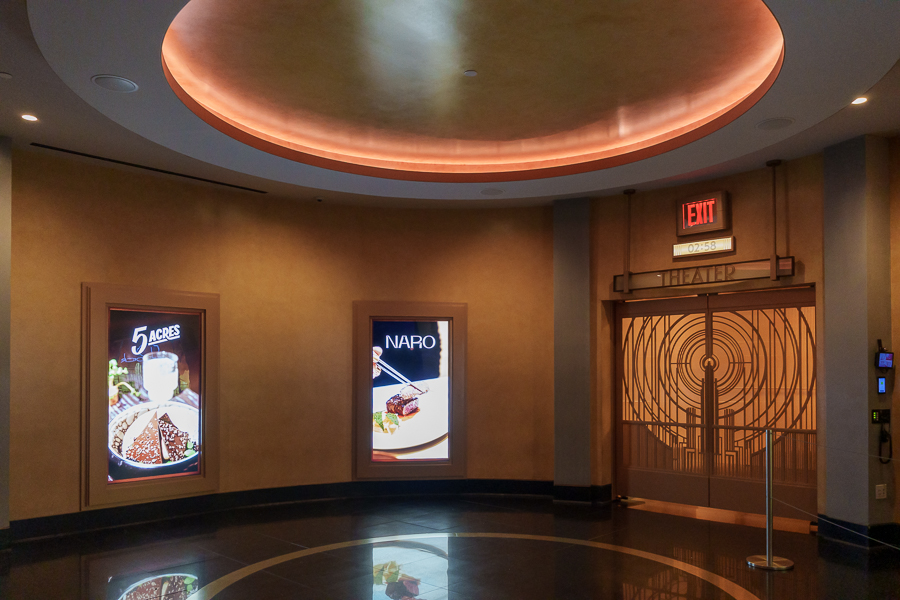
A stop at the theater first.
On to the views.
Central Park and lake
Statue of Liberty in the Hudson River
Mid-photo caught a glimpse of Queens, East Channel Roosevelt Island, and West Channel
The black building on the left is the JP Morgan Chase building. Was it inspired by shiny black flip phones, or the Jacob’s Ladder toys I remember from my childhood days.
The H&M Building (formerly the Conde Nast Building). Should the spires be counted in the height of the building? From street to roof it measures 809 feet. The antenna adds an additional 309 feet. Nine feet more than the length of a football field.
The Cityspire Center
One of 21 bridges connected to Manhattan Island
Central Park really is Manhattan’s playground
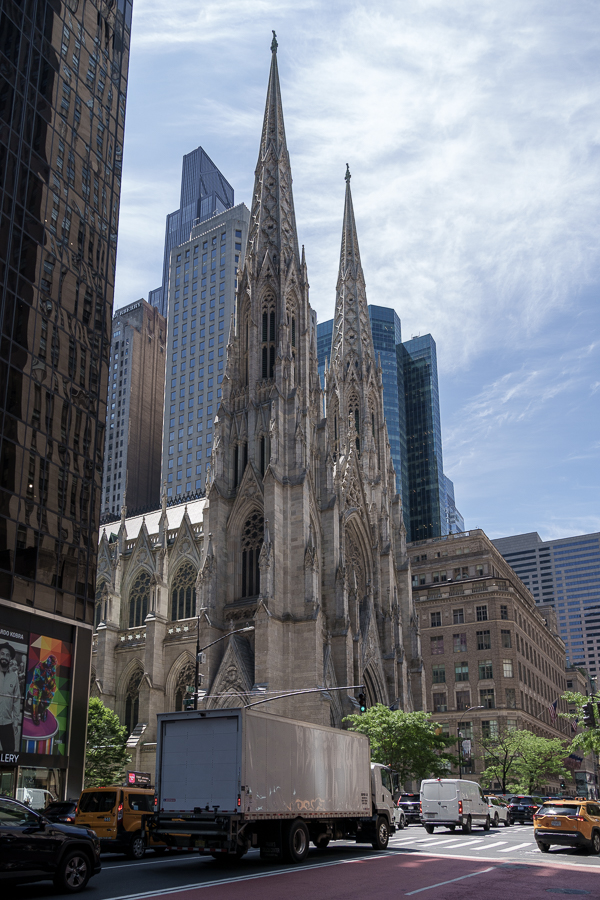
Here’s a place we’ll have to visit on our next trip, St. Patrick’s Cathedral dedicated in 1879.

I tried to fit our entire New York City’s Manhattan Island visit in one post. After deleting photos and making cuts here and there, I gave up. So stay tuned. We’ll be back with more in our next post.

Safe Travels.

Point Arena Lighthouse Plus Horse Racing

Point Arena Lighthouse

On our way home from Fort Bragg on October 3, 2024, we stopped at the Point Arena Lighthouse, one of about 40 still standing along the 800 miles of the California coastline. Not all of them allow visitors. Our timing didn’t align with the tour, so we wandered around outside and inside the gift shop and museum.

Point Arena Lighthouse from a distance

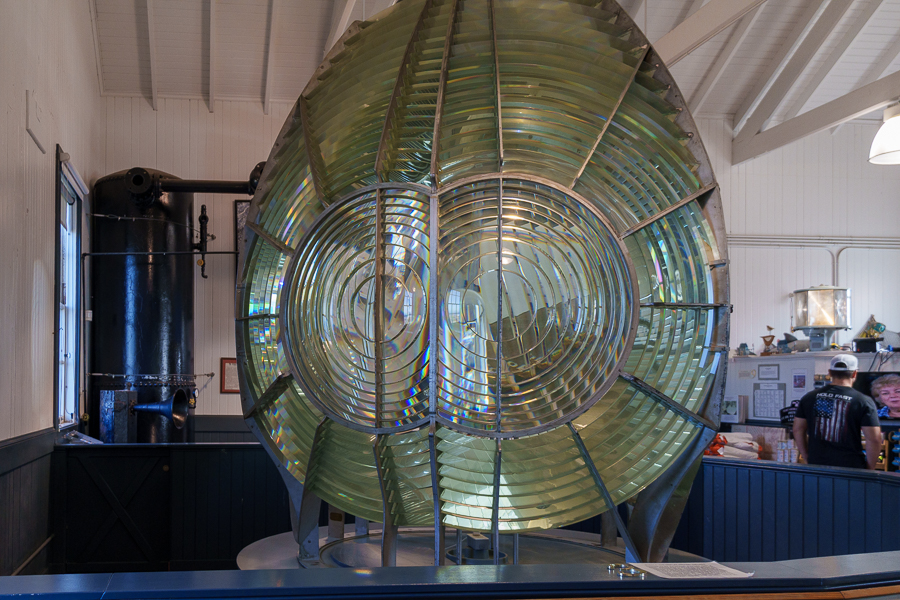
The first-order Fresnel lens wasn’t something anyone walking into the store and museum could miss. The imposing seven-foot diameter lens with nine eyes drew me in for a closer look, and I forgot all about the clothing, jewelry, books, and other items sold in the store.

Lighthouse and museum/gift shop

Constructed in 1870, the first Point Arena Lighthouse included a large keepers’ residence. Additional housing nearby accommodated four lightkeepers and their families. The brick-and-mortar structure did not fare well during the 1906 San Francisco earthquake, even though the epicenter was 145 miles away.

Once condemned and torn down, the replacement lighthouse, standing 115 feet tall, began operations on September 1, 1908. To withstand an earthquake, the builder used steel reinforcement rods encased in concrete to build the new structure.


Checking out the information posters

The lightkeepers had to adhere to a strict schedule to keep the first-order Fresnel lens in operation. The keepers had to hand crank a 160-pound weight up the center shaft every 75 minutes. The kerosene lamp needed refueling every four hours, and the wicks required regular trimming.

Garden identifying local plants
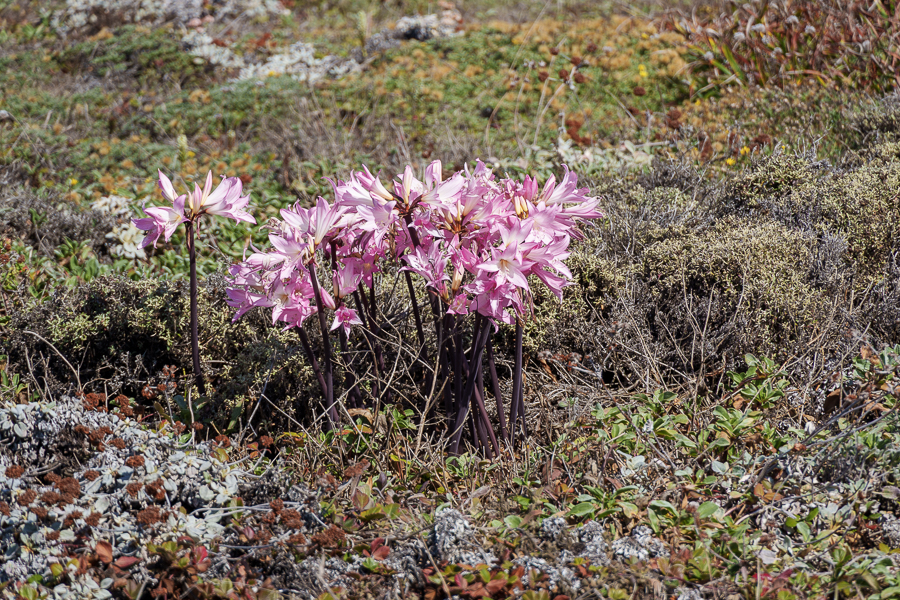
Naked Lady Lily (Amaryllis belladonna), poisonous to humans and pets

The keepers’ workload lessened when electricity arrived and replaced the lamp. I wonder how many keepers lost their jobs after the installation of the 1,000-watt electric lamp, powered by a 1/8 horsepower electric motor. As new products became available, so did more changes at the lighthouse. In 1977, a beacon replaced the electric lamp and the lens, and in 2015, an LED array replaced the beacon.

First-Order Fresnel Lens

For a unique place to stay, reserve a cottage or studio at the lighthouse. All the refurbished keepers’ housing is available for reservations. The accommodations range from a one bedroom one bath for two people, up to a three bedroom two bath that accommodates up to six.

View of cliffs and breaking waves

What I liked best about this lighthouse was the preservation that went into making it what it is today. It didn’t seem to have gone through decades of neglect as much as other lighthouses we have visited. Point Arena Lighthouse Keepers, Inc. has done a wonderful job of explaining the lighthouse’s history. Of special interest to me was how the early keepers kept the light on for the ships passing by at night.

We had wanted to stop at the Point Reyes Ligthouse too, but ran out of time. We’ll catch that one on a future trip. Another adventure awaited us at home.

Horse Racing at the Alameda County Fairgrounds

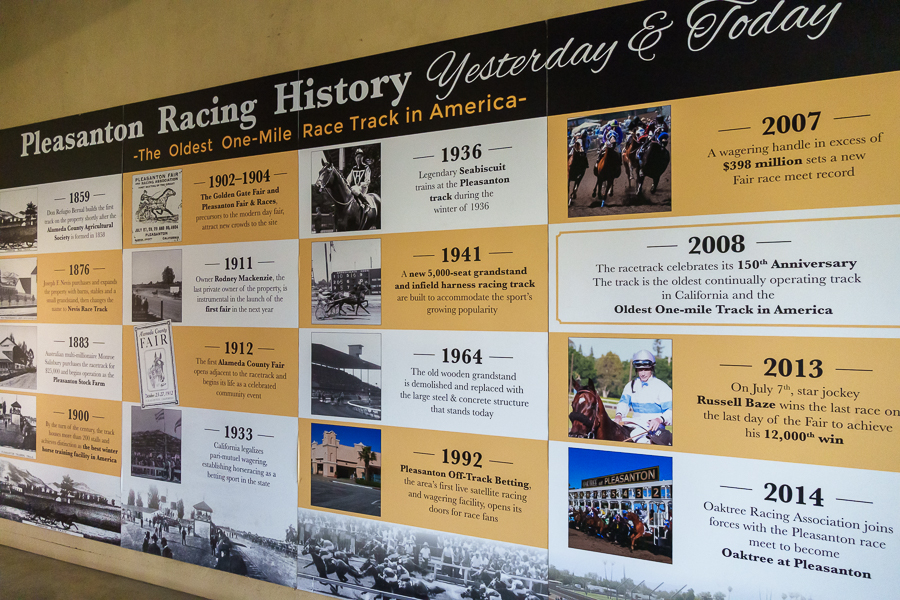
A few weeks later, we were off to the races. The Alameda County Fairgrounds is home to one of the first 1-mile horse racing tracks in the United States. Augustin Bernal is credited with building the racetrack many years before the founding of the current operators, the Alameda County Agricultural Fair Association.

Starting gate

Here are a few facts:

Pleasanton Racing Timeline
  • Originally built in 1858
  • Hosted horse racing for the Golden Gate Fair in 1902
  • The inaugural Pleasanton Fair and Races commenced in 1904
  • In 1912, the modern-day Alameda County Fair began, but the venture was not financially successful. This was due to competition from San Francisco’s 1915 Panama Pacific International Exhibition, and World War I
  • California legalized pari-mutuel wagering in 1933
  • Businessmen provided funds to repair the fairgrounds and revive the fair
  • The Alameda County Agricultural Fair Association was founded in 1939, and the fair returned
  • The horses arrived in 1941 during the fair for 9 days and continued through 2024
Racing tote board

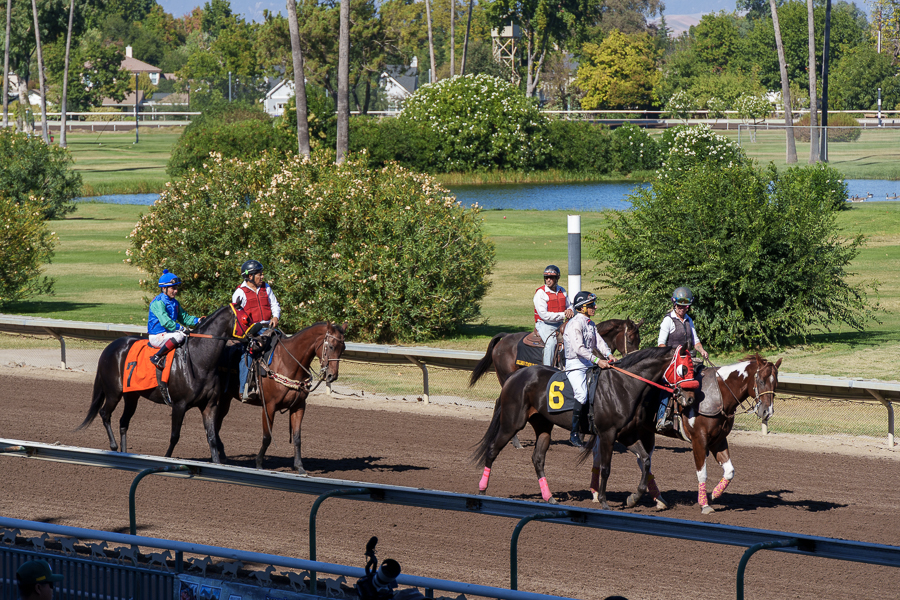
At the time, we had no idea that our day at the races would become a cherished memory. We watched the post parade as the trainers led the horses and their jockeys to the starting gate. It gave us a chance to see which horses we wanted to bet on. Then the announcer called, “And they’re off.”

Post parade

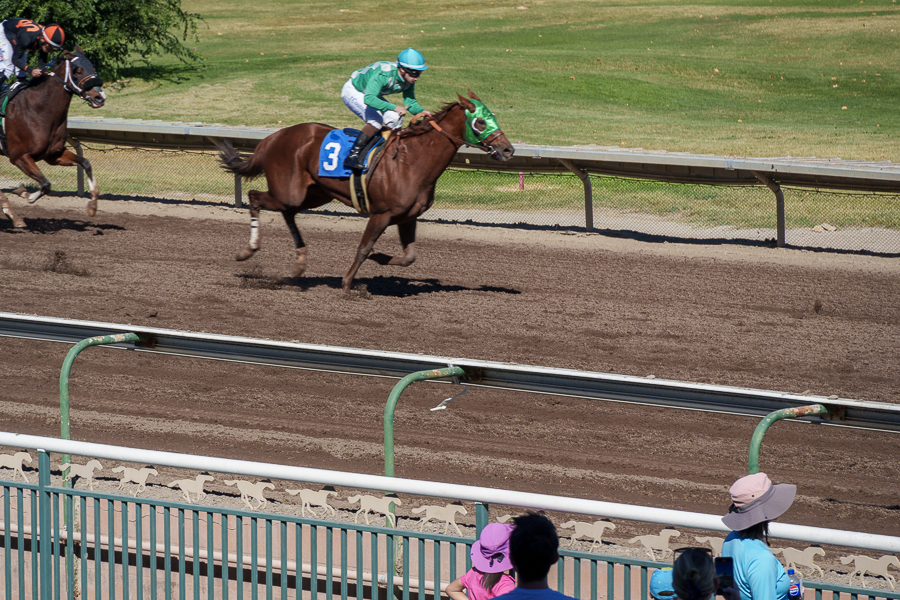
I loved the sound of pounding hooves on the track as they raced by, and I loved the cheers of the people in the stands, and the announcements of which horses were ahead. My excitement increased with each race, even though the horses I bet on never placed.

And they’re off.
Heading for the finish line

Kevin was the lucky guy in our group for the day. Beginner’s luck or expert at picking winners? Who’s to know? As we walked out of the stands and back to our car, we looked forward to attending the promised future races and getting together for one or more of the races in 2025.

Bailey and Kevin show off Kevin’s winnings

It was a sad day when the Alameda County Fairgrounds announced the cancellation of horse racing at the fairgrounds on March 25, 2025, along with the closing of the stabling facilities. The future of horse racing in Pleasanton had ended.

Out in front

Two main events led to the closure. First, the California Authority of Racing Fairs (CARF) stopped issuing wagering licenses to fairs for live races. The second was the cost of upgrading the wastewater treatment system at the fairgrounds.

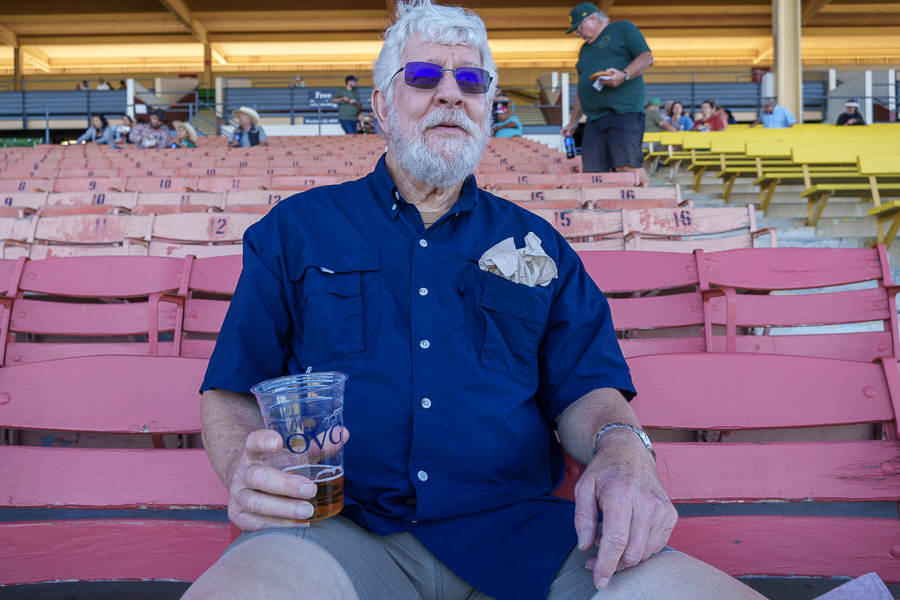
Jon enjoys a beverage while watching the race

Stable guards, maintenance workers, groomers, and other racetrack employees lost their jobs. Many of the workers lived in RVs on the property, and they had to scramble to find new stables for their horses and places to live.

Mt. Diablo in the background and the 9-hole golf course in the center of the track.

I wondered how the annual Alameda County Fair, held in late June and early July, and all the other county fairs would fare without the horse racing events. Based on attendance numbers during 2025 compared to 2024, the Alameda County fair enjoyed an increase of 13%. Of course, weather plays a big part in attendance, and 2025 experienced milder weather than in 2024. New programs and activities introduced to replace the horseracing event can also account for some of the increase.

Although the Tri-Valley area may no longer be known for horse racing, it still has a lot to offer. Dublin, Livermore, Pleasanton, and San Ramon offer small hometown amenities for families. Farmers’ markets, parades, outdoor concerts, restaurants offering cuisine from around the world, shopping, history museums, galleries, the Bankhead and Firehouse theaters, parks, trails, hiking, golfing, medical care, and plenty more.

After all our travels so far over the past few years, Jon and I have yet to find a place we would rather live. With or without horse racing, we’re here to stay for now.

Up Next: Unfortunately, 2025 did not see us on the road much. We’re hoping to travel during the second quarter of 2026, if all goes well. Over the next few posts, we’ll share the rest of our 2024 adventures and the few we slipped in during 2025. Then we’ll be on hiatus for a few months.

See you then.

Safe Travels
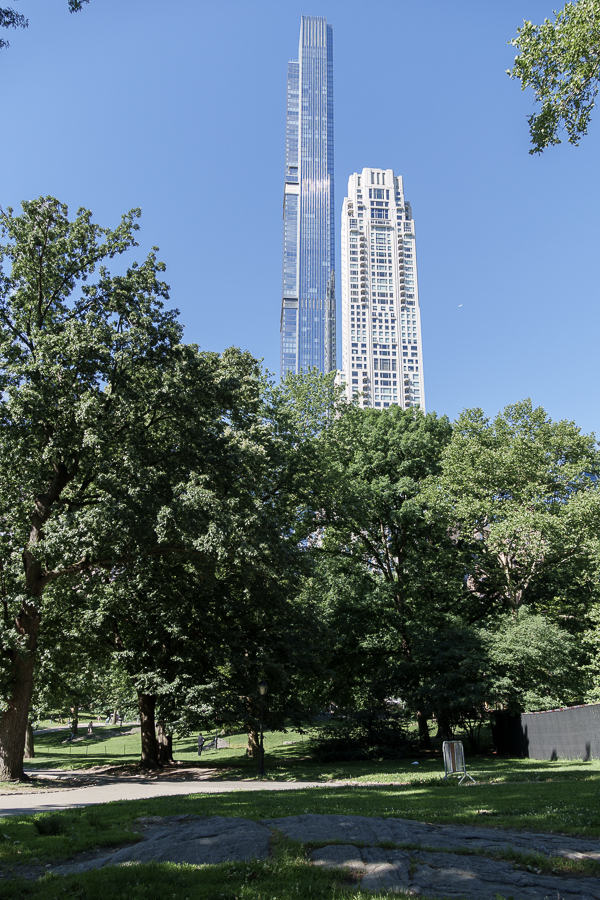
2024 Short Trip to Fort Bragg, California

After our trip to Wisconsin, we settled in at home for a few weeks and caught up on chores. One chore we weren’t ready for was the purchase of a new car. I loved my 18-year-old Acura MDX and wasn’t eager to give it up. “We’ll just look,” I said when we left to visit the Toyota and Hyundai dealers.

Ha, ha, ha. We didn’t know how impossible it would be to walk away without leaving a deposit after a test drive in a Hyundai Santa Fe. As owners of our new car, we couldn’t just park it in the garage. We needed a place to take it. “Fort Bragg, California, here we come, and a ride on the Skunk Train will be fun.” That was something I’d wanted to do for years.

On the road again.

We stayed two nights at the North Cliff Hotel, which sits upon a bluff with views of waves crashing against boulders and cliffs below. We arrived with plenty of time to check in and watch the sun dip into the ocean while eating dinner.

View of Noyo River Bridge from the Wharf Restaurant, Lounge, and Bar
Morning, Noyo Bay

The next day, October 2, 2024, we started our day with breakfast at the Home Style Cafe. Then we rode the Pudding Creek Express, otherwise known as the Skunk Train. The 7-mile round-trip excursion to Pudding Creek Estuary stops at Glen Blair Junction.

Home Style Cafe is great for breakfast
A US Army Air Corps vehicle parked outside the cafe

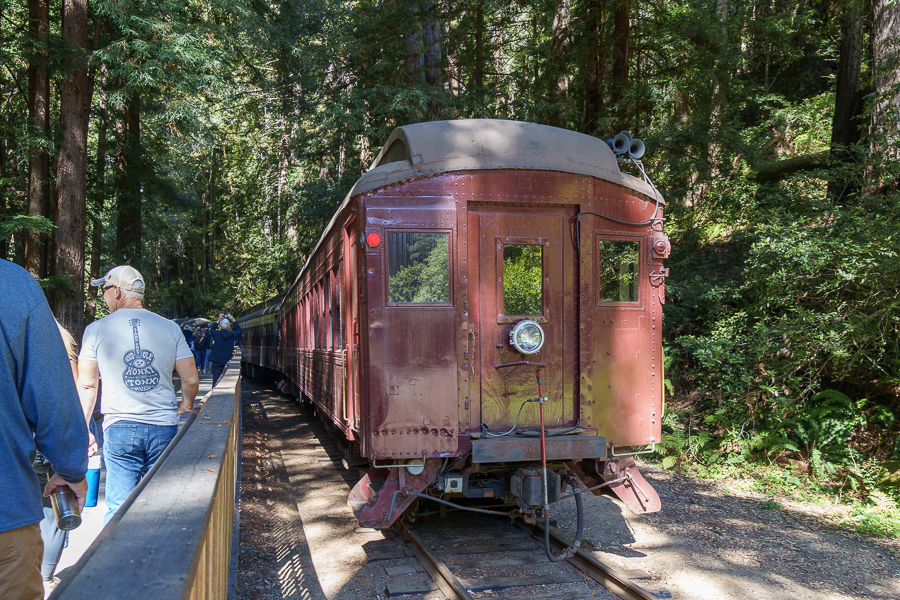
The Skunk Train

Skunk Train Depot and Boarding
Boarding Area
Hooking up the locomotive
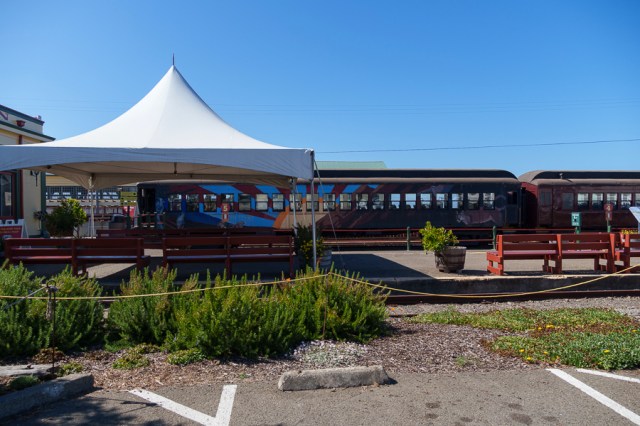
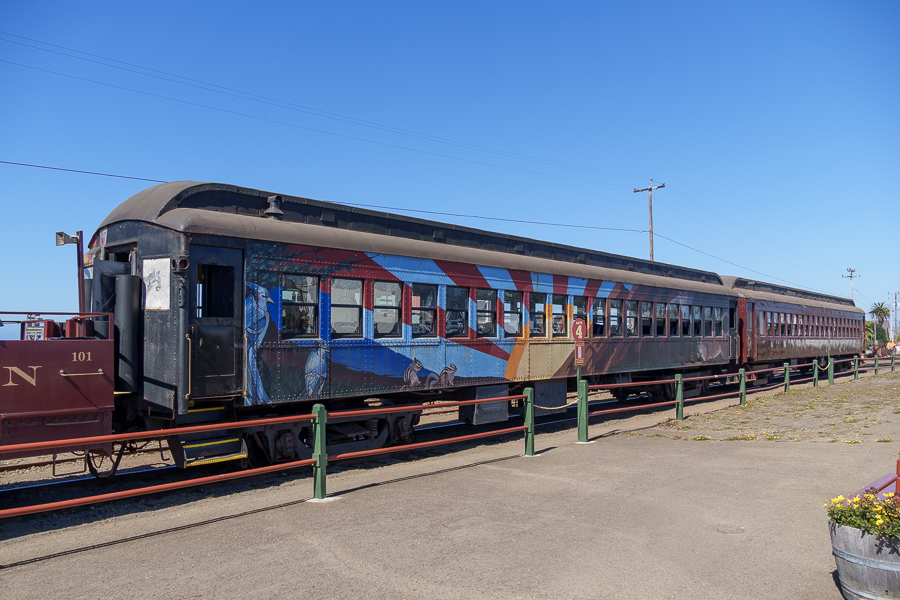
Three cars waiting to go.
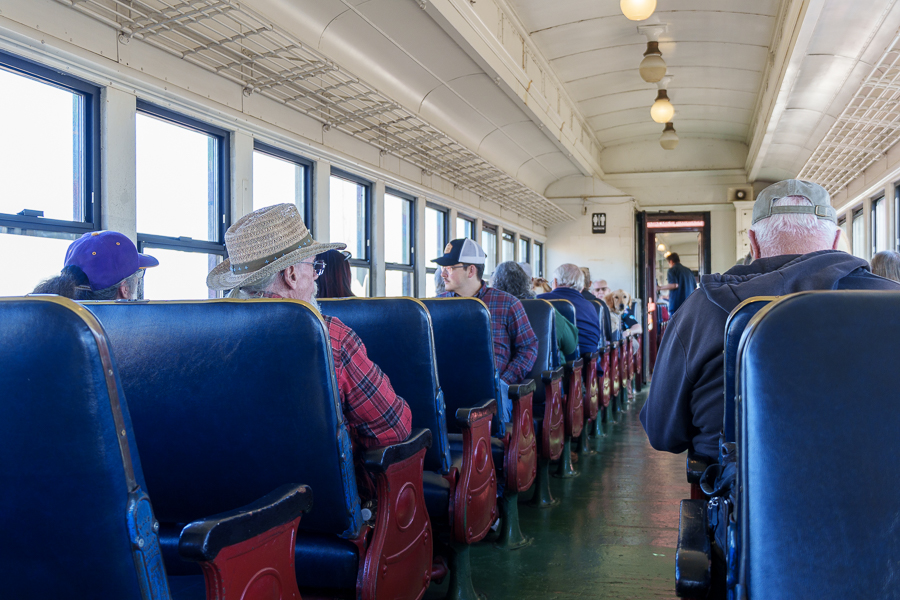
Comfy seats inside

At Glen Blair Junction, the conductor encouraged us to stretch our legs, play yard games, and explore the path through the redwood forest for 45 minutes.

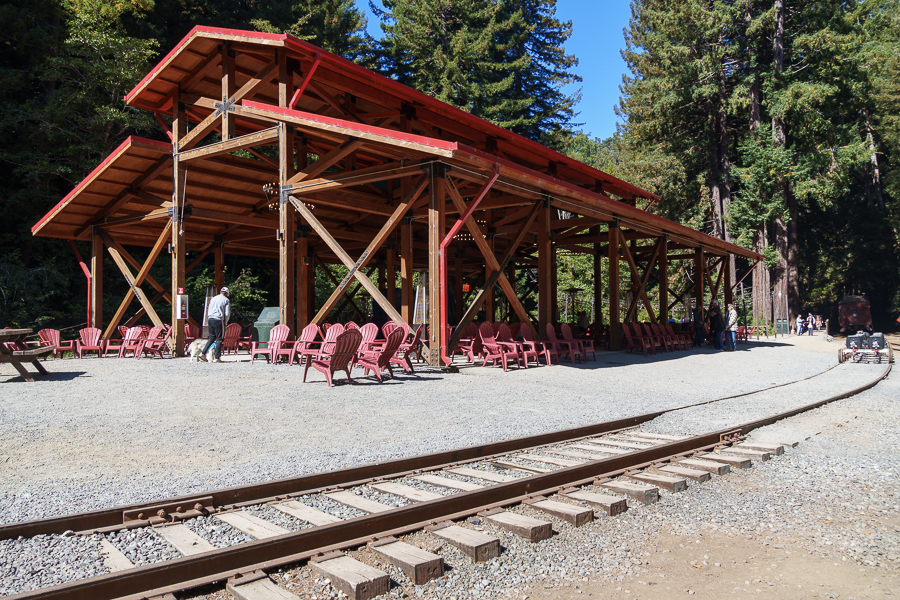
Glen Blair Junction shelter, firepit, heaters, and games

Other adventures are available from Fort Bragg. Ride the train up to Glen Blair Junction and take about a 1-hour walk back to town, or walk up, catch the train, and ride back. Railbikes for two are also a popular way to get to Glen Blair.

The railbikes arrived before us and went on a guided hike

We moseyed along the path, enjoying the sights punctuated with earthy bark and pine aromas.

Interesting how these trees grew

The Skunk Train and the railbikes operate year-round, rain or shine. Be sure to check the schedule before going because weekend and holiday schedules may apply during the winter months.

Remnants of a past blaze
Fungi growing in the forest
View of Glen Blair Junction from the trail

The train from Fort Bragg traveled to Willits, California, until 2015, when a tunnel collapse in 2015 cut the route in two. From Willits, the Wolf Tree Turn tour takes passengers on a 2-hour, 16-mile, round trip over a 1,740-foot summit, through Tunnel #2, and down into the Noyo River Canyon. The trip includes a brief stop at one of the oldest trees on the route. This train operates only from early spring through December.

Too much shadow in this photo
Too bad I missed this vantage point.
Making our way back to the junction

So, why is it called the Skunk Train? I found two possible reasons. The first is that its name comes from the skunk cabbage, which is a plant that grows along the train’s route in the wetlands and blooms during spring. It’s said the plants have a pungent odor when disturbed, like a skunk.

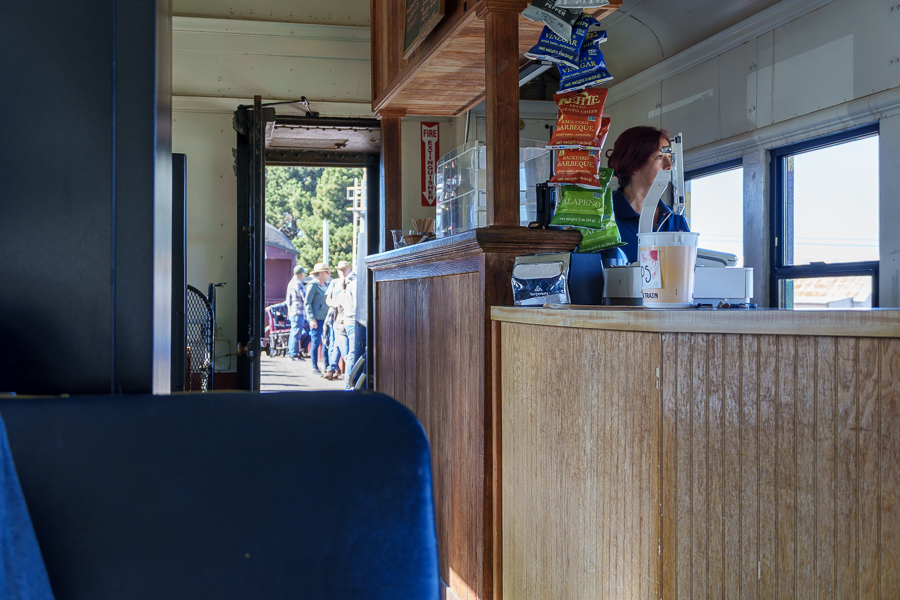
Bar for snacks and drinks

The second reason is that the name came from the motorcars that replaced the steam locomotives. Apparently, the new locomotives reeked of gasoline and oil burning, so passengers called them Skunks. I think I like the skunk cabbage story best. I’m sure the railroad workers disturbed the plants while laying tracks. Thus, setting off the plants’ protective odor, and impregnating the workers’ clothes.

All aboard

Other Skunk Train adventures from Fort Bragg include a guided redwood forest tour and a tour of the roundhouse. And for a late-night adventure, board the train to Glen Blair Junction, where firepits, heaters, group games, live music, and a world-class bar await. Check the schedule online for select Friday and Saturday nights.

The Depot Mall & Museum is up the street from the Skunk Train Depot. There, visitors will find the Laurel Deli & Desserts restaurant, shopping opportunities, restrooms, and Daisy. Daisy is a steam locomotive built by Burnham, Parry, Williams in 1885, according to the steamlocomotive.com website.

Daisy the locomotive

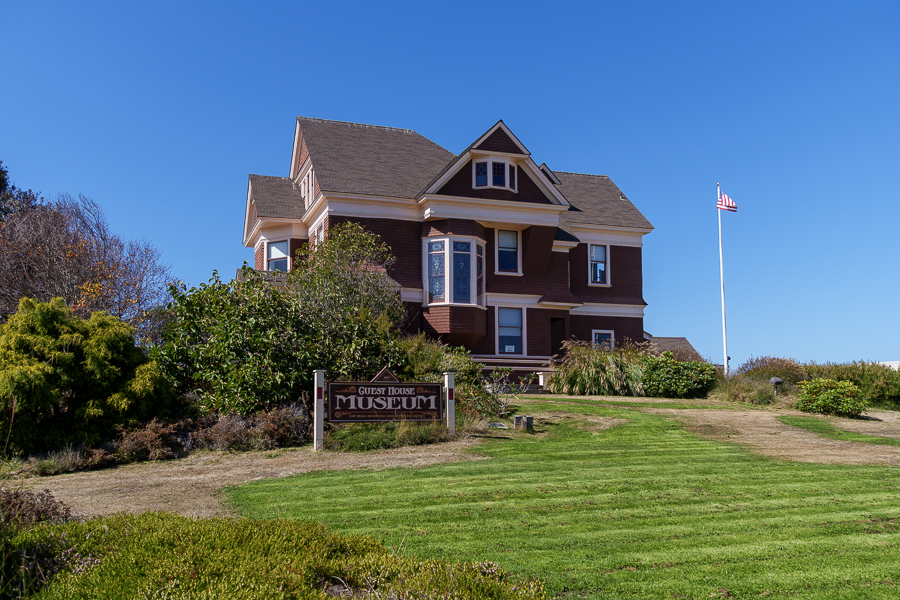
Guest House Museum

After our train ride, we walked up the hill to the Guest House Museum. Fort Bragg Redwood Company built this home in 1892 for the Johnson Family who owned the company.

Entrance

Constructed with 67,000 board feet of lumber, the home served as a showcase to exhibit the ornate woodwork, decorative moldings, and door and window trims. The spool-spindle banister and stain glass windows added extra design features.

Street side view
Examples of the architectural woodwork used in the home
Stain glass windows
A closer look at the windows

The company also used the house for guests from their San Francisco office, and for people visiting the mill and logging areas in Fort Bragg. All bedrooms included hot and cold running water and electric lights, the first home with such amenities on the Mendocino coast.

The museum is organized by theme. To name a few, they are: marine room, Pomo exhibit, train room, mill/loom room, and timber room.

Timber room
Mill/Loom room
Train room
Quilt designed and made by Our Town Ocean Wave Quilters in 1999

After a few ownership changes, Georgia-Pacific Corp. became the owners and used it as a department store and later a museum. They donated the property to the City of Fort Bragg in 1985 with the understanding it would remain a museum for Fort Bragg, Mendocino County, and the community.

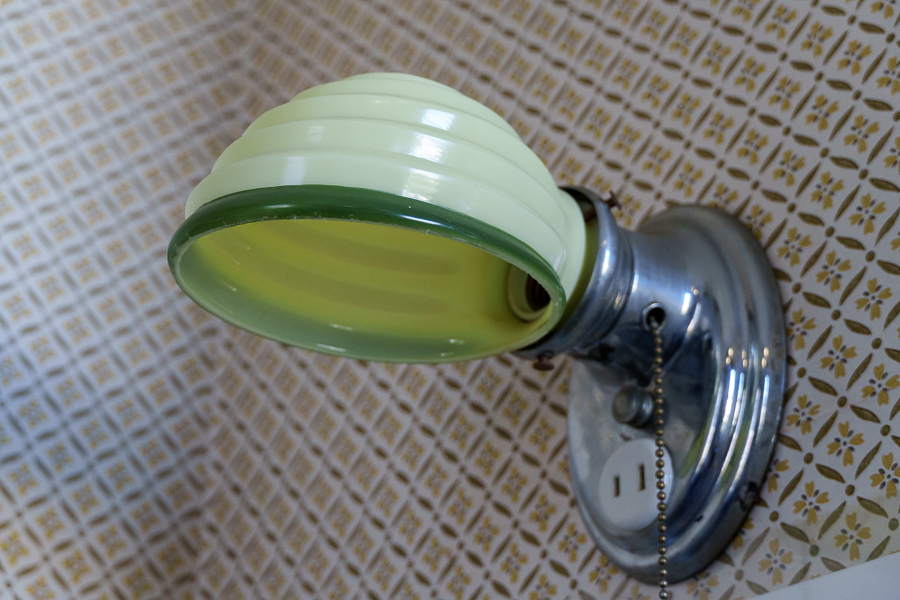
Reminds me of the light fixtures in my grandparents’ home during the 1950s
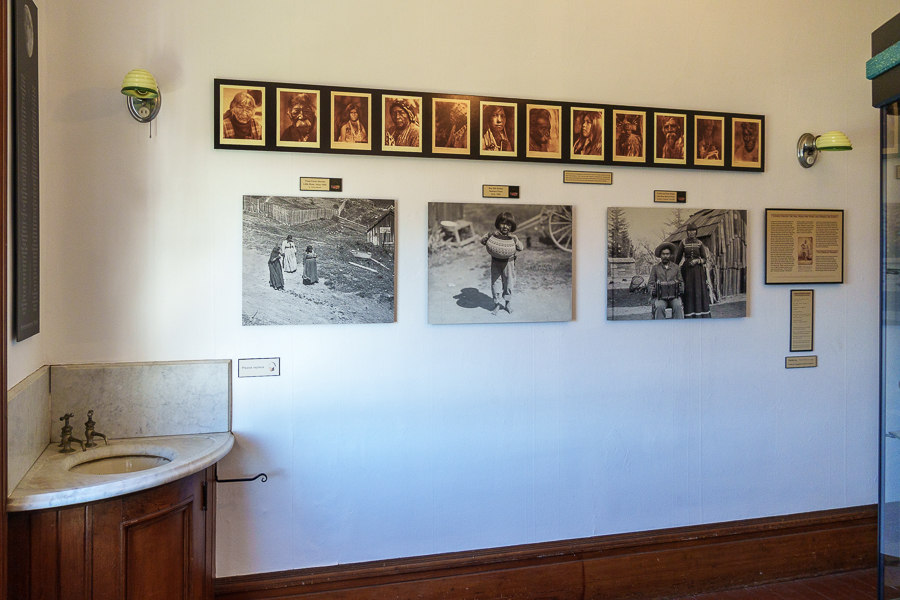
The Pomo Room
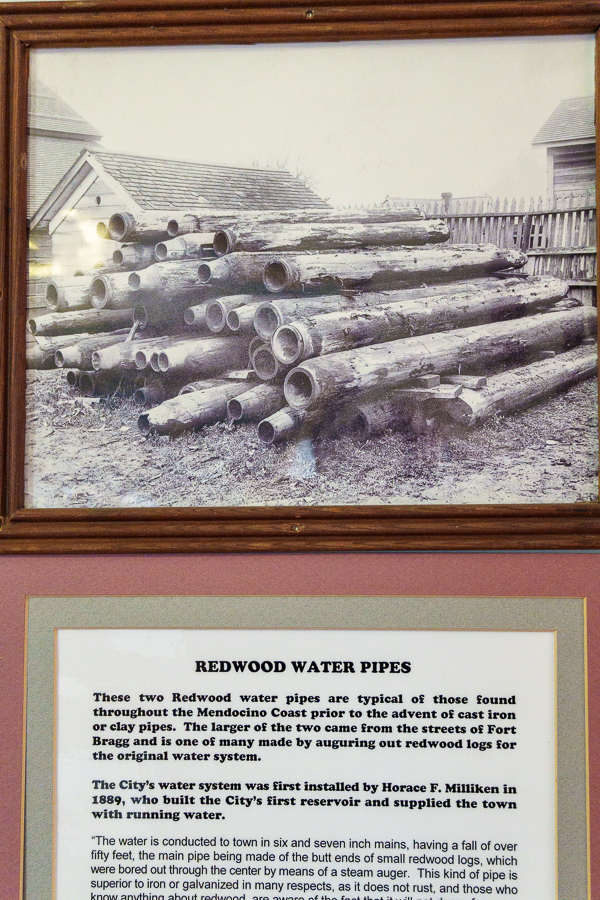
Redwood trees were used to make
the first water pipes in Fort Bragg
Leiser Bent Willow Rocking Chair

Jon admires a section of the largest known redwood tree in Mendocino County.
It stands as a memorial dated in 1943 and dedicated to Charles Russell Johnson, who founded the city in 1889.

Section of largest known redwood in Mendocino County

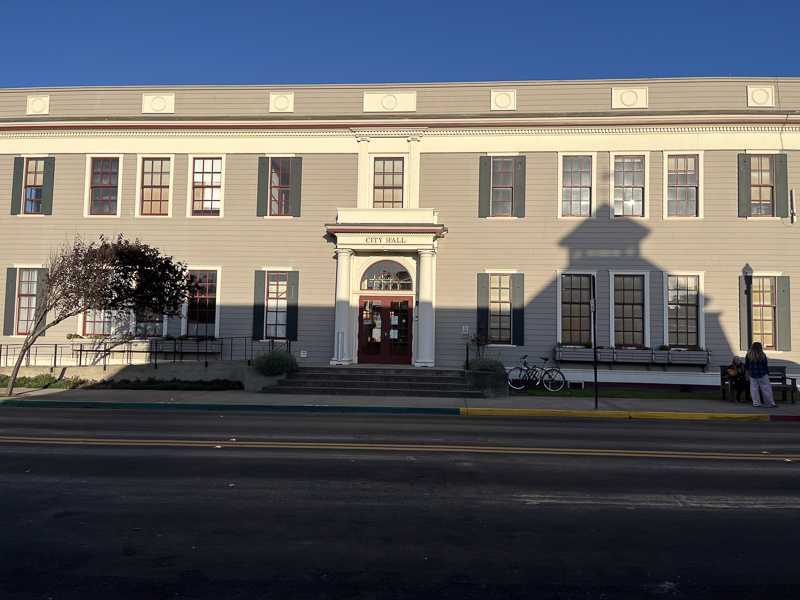
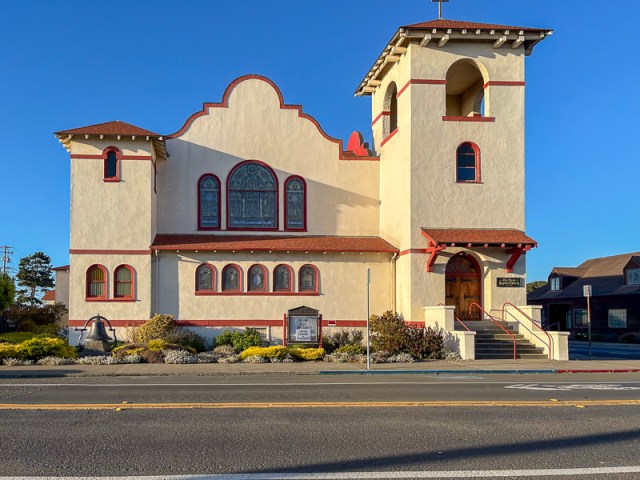
I like to capture a few buildings around town. Below are the city hall, a mural, the former Union Lumber Company Store, and the First Baptist Church.

Fort Bragg City Hall
I can’t figure out what I’m looking through. Do the circles represent a camera lens, a locomotive headlight, a first-order Fresnel lens, or . . .?
The former Union Lumber Company Store is now
a collection of various stores and restaurants.
The First Baptist Church

Whew! What a full day we had in Fort Bragg. As always happens during our visits, I wouldn’t mind coming back again someday. There are plenty more sights to see and things to do. And I would also like to visit Willits and take the train going the other direction. Then I can imagine what it was like to travel the entire route.

Next up: we make a stop at Point Arena Lighthouse on our way home.

Safe Travels
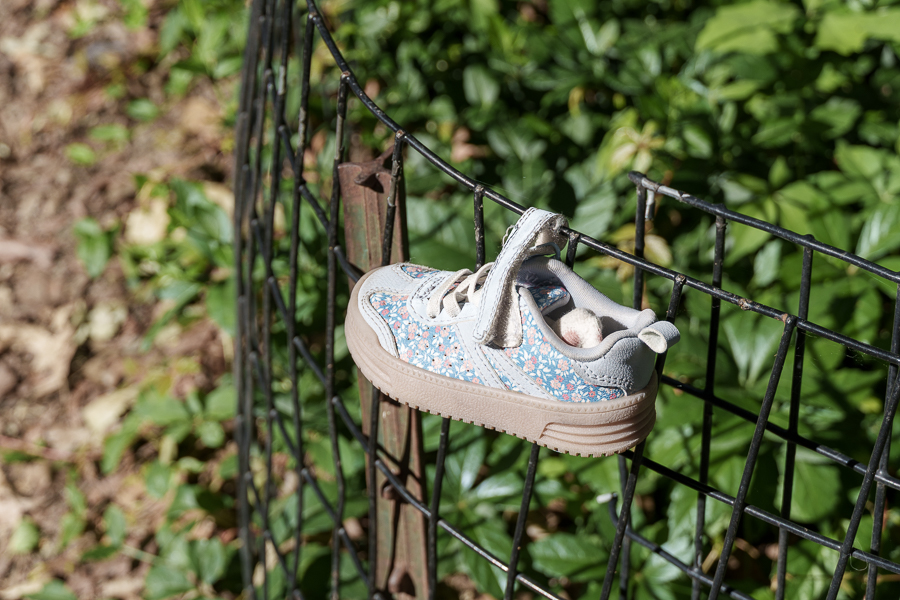
2024 Wisconsin Vacation Episode 4: A Tour of American Family Field in Milwaukee

To while away the hours before our late afternoon flight back home, we took a tour of the American Family Field in Milwaukee, Wisconsin. This stadium is home to the Milwaukee Brewers baseball team.

Entrance for the tour

Built in 2001, it replaced the aging Milwaukee County Stadium, where the Braves played from 1953 to 1965 and the Brewers played from 1970 to 2000. The original name of the newer stadium was Miller Park because of a long-standing relationship between Miller Brewery and the ball club. In 2020, American Family Insurance gained naming rights, hence the change in name.

We met our tour guide in this area.

What is unique about this stadium is its fan-shaped roof that can open and close in less than 10 minutes. Instead of artificial turf, natural grass grows on the field. Wheeled heat-lamp structures are used to aid in the growing process as needed when sunlight alone is not sufficient. The roof is 175 feet above second base on the interior, with the apex reaching 330 feet above the playing field. With a 600-foot span, the roof covers 10.5 acres.

First view of the field

The building sits on 25 acres, measures 1.2 million square feet, contains 70,000 cubic yards of concrete, 24,000 tons of structural steel, 8,500 tons of rebar, 321 concrete piers, and 1,576 steel foundation piles.

Announcers’ space
Honoring Bob Uecker
Press seating
They don’t fix the holes errant balls create; they honor the pitcher and batter.
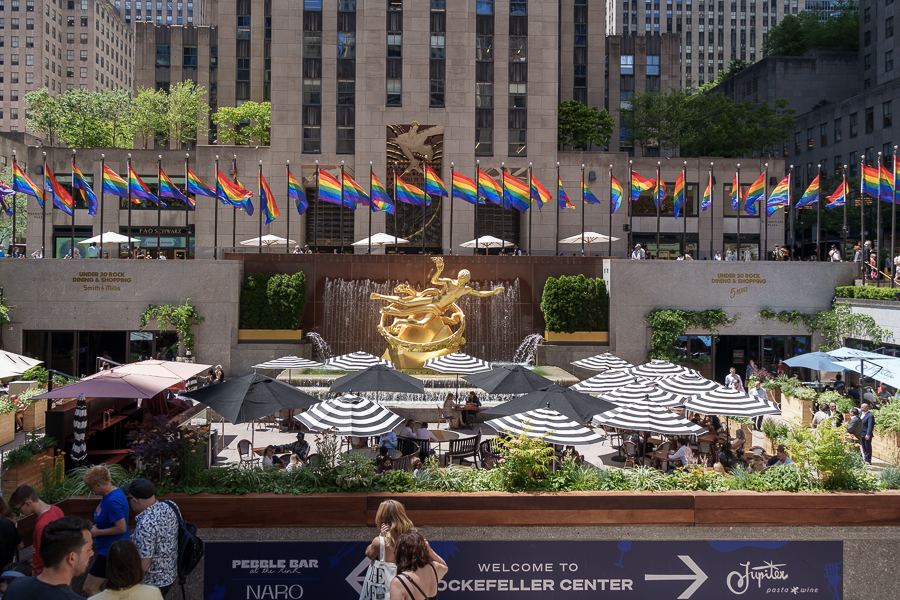
Behind the scenes
I always wondered what the pressroom looked like.
These would be fun to drive

To enhance the ballpark adventure, add on the Bernie Slide Experience. Lucky selected fans—two to eight people per game—can arrive early on game day and enjoy five rides down mascot Bernie Brewer’s slide. Bernie makes the trip to celebrate home runs during games. The pleasure of sliding will set a person back $150 during weekday games, and $175 on weekend and holiday games. It might be a fun birthday present for someone and a group of their friends.

Bernie’s Tower and Slide is on the left. The yellow chute.
View of the closed roof

We also hung out at the bullpen for a few minutes and on the field to watch a few players preparing for the game by walking, running, or resting on the field. Another group of players hit golf balls from the upper deck of the stands, which I thought was odd. The groomers worked around the field, watering and smoothing the playing surface.

Pitchers Bullpen
Pregame rituals?
Practicing their drives
Groomers smooth the field, and heat lamps help the grass grow
How many groomers does it take to water the field?
It really is natural grass

Our guide led us into the Legends Club, a luxury suite with indoor and outdoor space that looks out on left field. The expansive patio and beautiful indoor lounge seat 70 guests. For cocktail parties, they can accommodate 250.

Legends Club

The club is also available for corporate events, retreats, seminars, receptions, and other events. With an incredible view of the field and TV monitors for close-ups, guests won’t miss any of the action, unless they’re engrossed in a conversation that is.

The guide imparts facts and figures and stories about the ballpark
Taking it all in

In the parking lot where the old Milwaukee County Stadium stood is Helfaer Field. The field is available for rent and includes the field, dugouts, and restrooms, all of which are wheelchair and stroller accessible. Seating on the concourse is plentiful with 502 bleacher seats and 220 picnic table seats. The rental also includes a scorer’s booth, sound system, and microphones for announcing. Concession stands provide the ballpark food.

Helfaer Field
Miller Brewery sponsored the ball club from 2001 until 2020

Government funds from the state, county, and city will provide $500 million for stadium upgrades in Milwaukee over the next 25 years. The Brewers have committed $110 million and extended their lease through 2050.

We’ve been wanting to take a tour of a ballpark for years, and it only took us flying over 2,000 miles until we did. The Giants stadium in San Francisco is less than 40 miles away from where we live, so we definitely need to make time to visit our local team.

As we settled into our seats on the plane and the door closed, we realized we lucked out having an unoccupied middle seat between us. I spread out and dreamed of one day attending a game seated in the Legends Club. I can’t imagine who would invite me, but it’s fun to think about watching a ball game from comfy seats in an air-conditioned environment.

Up Next: A few miscellaneous trips closer to home to finish out the year.

Safe Travels