Craig, Colorado

Our next stop in Colorado was a two-night stay in Craig starting August 17. We checked in at the KOA, which was an older RV park with new owners. They had already renovated the restrooms with new tile. The train tracks bordering the south end of the RV park gave us pause. Sounds of a train rumbling by in the middle of the night and disturbing our sleep didn’t seem like fun. As it turned out, the tracks only function as a spur line and no trains traveled the route during our stay.

Our drive from Fruita took us along the Colorado River on Interstate 70 east then we headed north on Colorado state route 13. While wide and shallow in some spots, the river moved swiftly in other places. A local from Grand Junction told us the river’s level was the lowest he’d seen since the mid-eighties. The low level is probably not a good sign for the Zonis and Calis that rely on the river for recreation, farming, and drinking water.

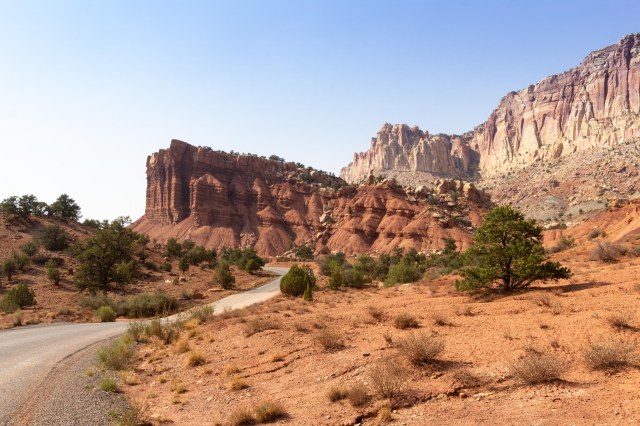
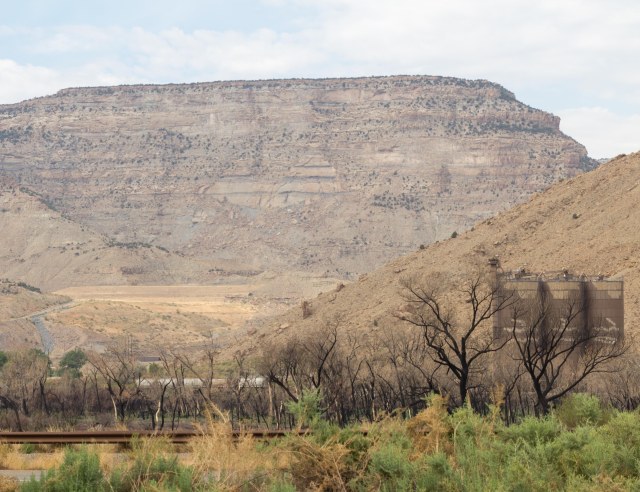
Verdant valleys with orchards, vineyards, shade trees and green grasses fanned out from the river. On the other side of the freeway, the terrain was more desert looking with yellow grasses, short shrubs, or just rock. The mountain cliffs continued to tower above the valley floor with a plateau here and there.
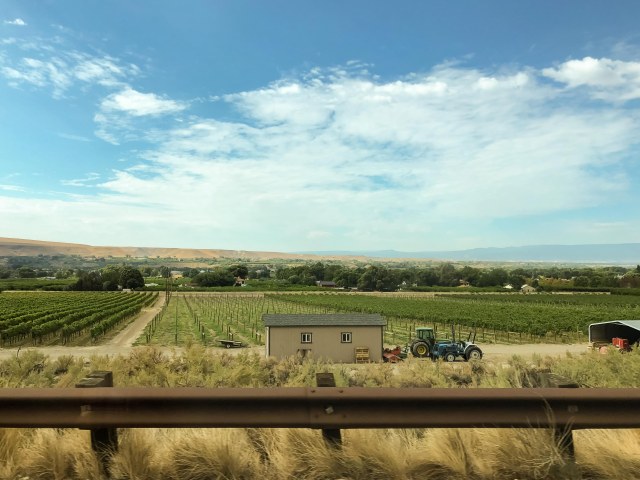
One one side of the freeway a verdant valley
While the other side takes on a desolate look

With a population of approximately 9,000, Craig serves as the Moffat County seat. A drive through town revealed a city in transition. While many of the residential streets contained well-maintained dwellings with tidy yards, other homes had slipped into disrepair. The downtown area was similarly checkerboard with businesses that looked like they had been around for years, others fairly new, and still others abandoned, like the Safeway grocery store. The City Market, however, stocks just about anything a person might want or need.
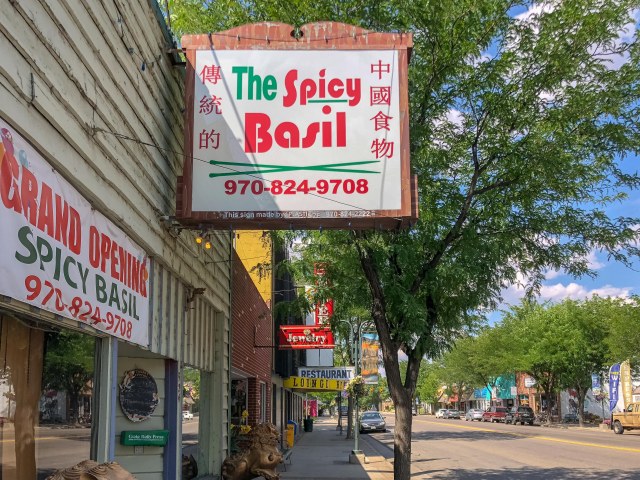
Craig, Colorado, street scene

Some people consider the City of Craig as the Elk Hunting Capital of the World. Signs and posters on business property welcomed the hunters to town. We saw a group of elk trying to cross the road and plenty of pronghorn grazing in fields around town.
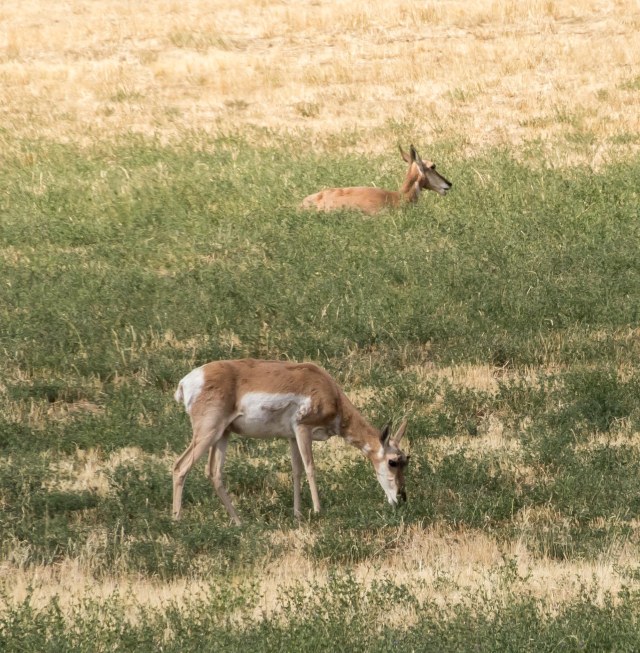
Grazing pronghorn

Other draws to the city include the Museum of Northwest Colorado and the Wyman Museum. June would be a good time to visit Craig. That’s when the city holds a Whittle the Wood Rendezvous chainsaw carving competition & festival. Several examples of past entries and winners occupy space in the downtown area.
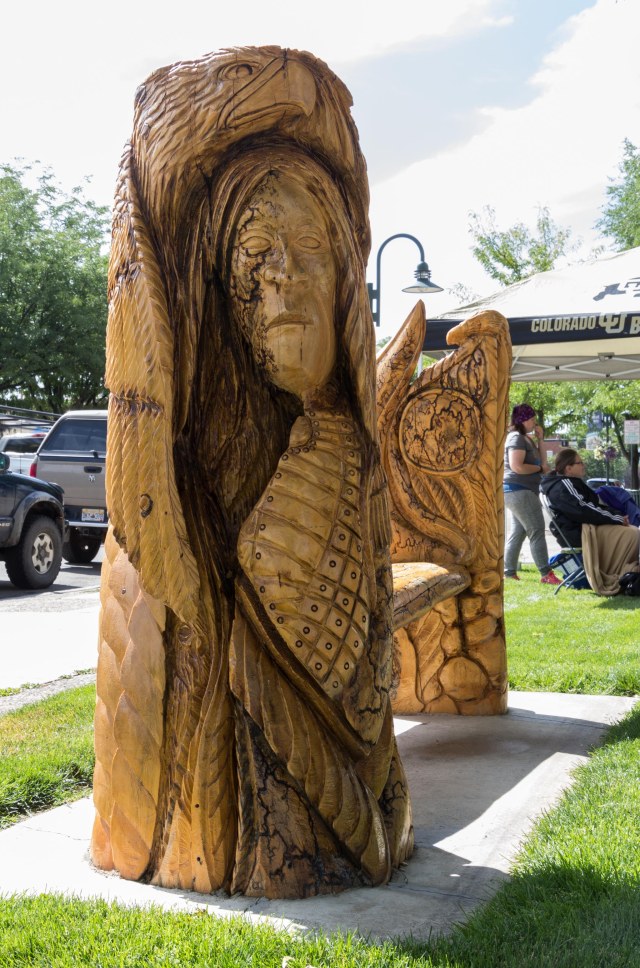
Woodcarving made into a bench

The Museum of Northwest Colorado

Open year round, except for holidays and Sundays, with free admission, the Museum of Northwest Colorado is a great place to visit. I liked the wide aisles, display signs, and how neat and orderly the artifacts were displayed.
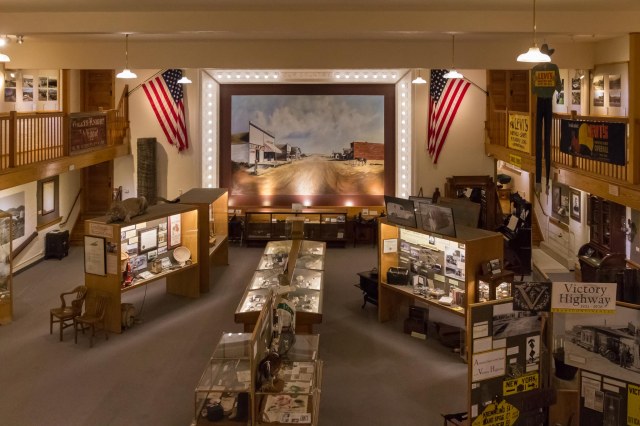
View of the museum from upstairs

For instance, artifacts included a set of spurs once owned by Ann Basset, the queen of the cattle rustlers. The posters near the displays tell the stories of not only the artifact but also the owner and how the item came to the museum.
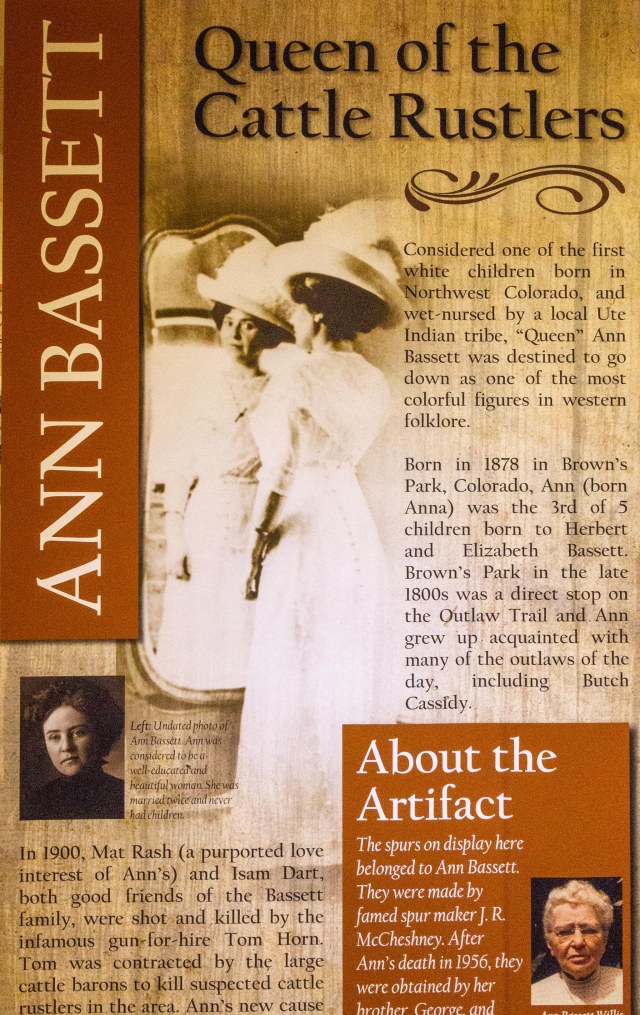
Ann Bassett, the queen of the cattle rustlers

A whole room is dedicated to the western cowboy where saddles, spurs, and weapons are arranged.
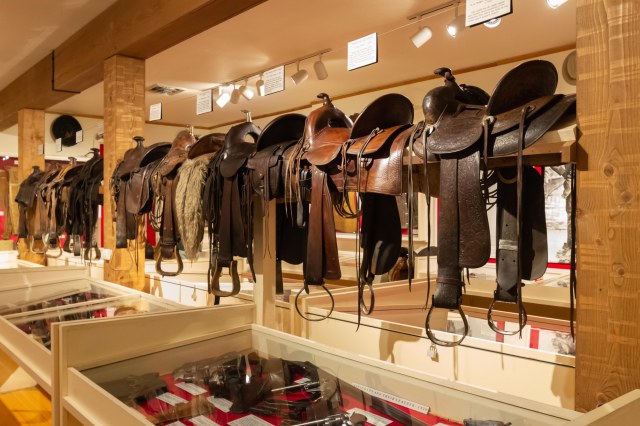
Saddles, spurs, and firearms

Other displays included an entry from the June 2008 Whittle the Wood Rendezvous, mining equipment, stagecoach model, and information about prominent residents of the area.

The detail of this carving caught my eye. It amazed me to think it was created with a chainsaw.
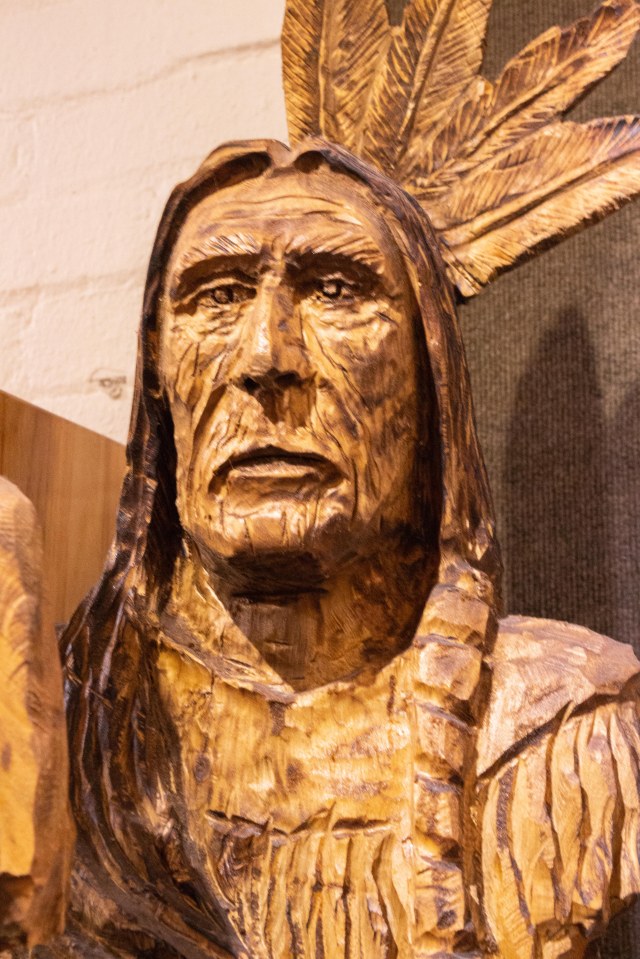
“We Were Free” by Ron Eye created during Whittle the Wood Rendezvous June 2008
Mining Equipment
Butterfield stagecoach model

Archie Smethurst was a stage driver and proprietor from 1904 – 1906.

Archie Smethurst display

Downstairs are posters of graduating classes dating back to the 1900s along with yearbooks that serve as a great resource for genealogists filling in the gaps of an ancestor’s past.

The Wyman Living History Museum

While the Museum of Northwest Colorado preserves the artifacts and legends of the old west, the Wyman Museum is an eclectic assortment of memorabilia collected by Lou Wyman since 1949.  A military tank takes center stage in front of the museum entrance.
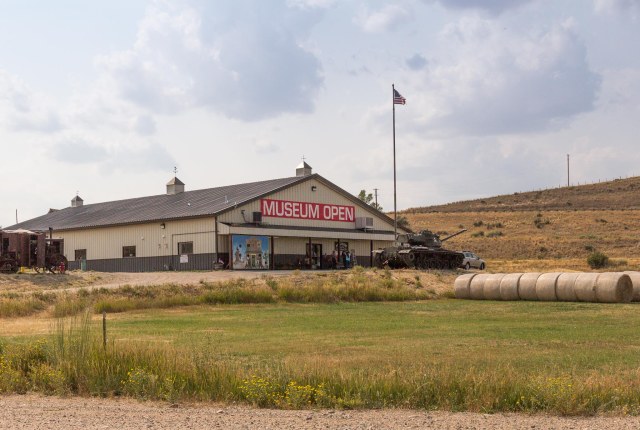
Wyman Living History Museum

Outbuildings consist of an old barn, blacksmith building, schoolhouse complete with a three-stall outhouse, and a general store.

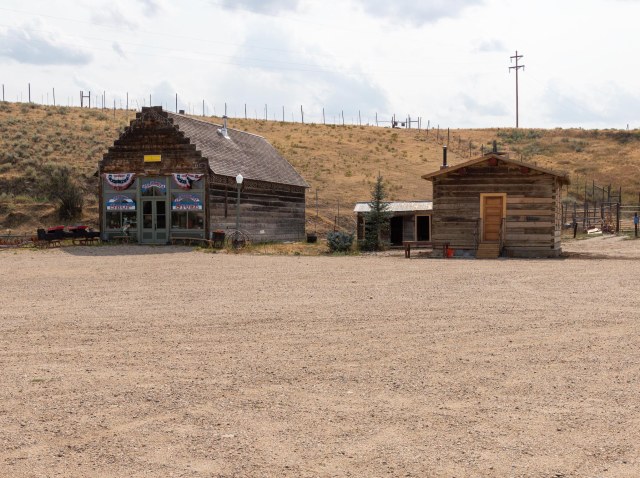
Blacksmith building and barn
General store on the left, schoolhouse on the right, and a three-stall latrine behind and to the left of the schoolhouse

Also, on the property is Sherman Park, which contains a pond for fishing, a large population of leopard frogs, cattails, and other marsh grasses and plants. There is also a section dedicated to archery shooting.
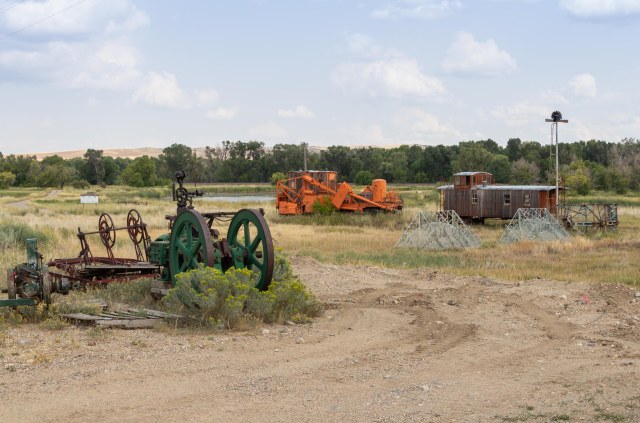
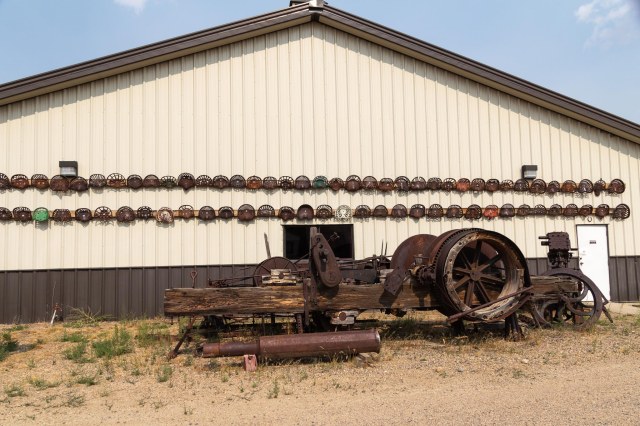
Farm and train equipment scattered about the yard. Sherman Park and pond are behind the orange piece of equipment.
Collection of tractor seats

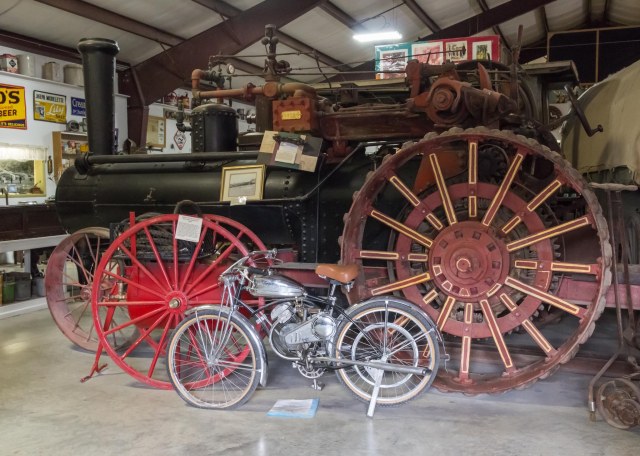
Inside the museum, visitors find automobiles, a hearse, military memorabilia, farming implements, and equipment, old boat motors, mining display with tools and much, much, more.

Western style kitchen
Plane
Various vehicles
Hearse and camera equipment
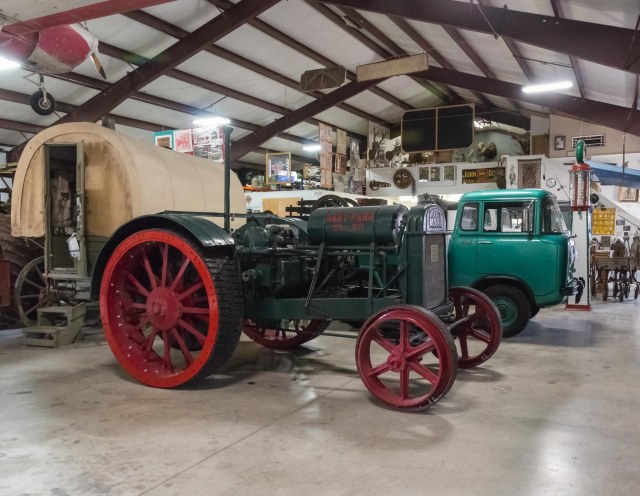
Sheepherder’s wagon and a tractor
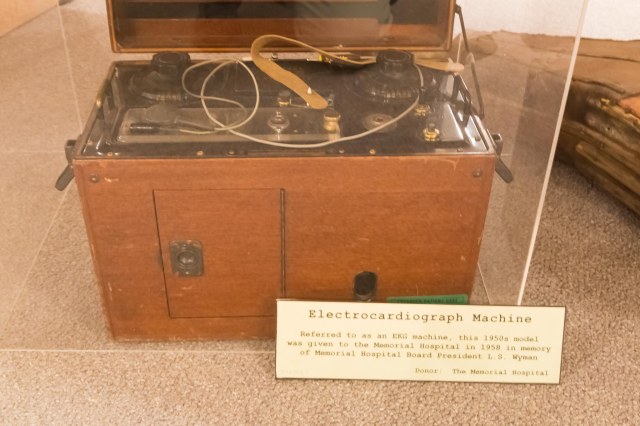
A 1950 model electrocardiograph (EKG) machine

The guys from American Pickers, the reality television program produced by A&E Television Networks and the History Channel, filmed an episode at the Wyman Living History Museum which aired with the title “One of Everything” on April 23, 2018. Take a look at the episode to see more of Lou Wyman’s collection.

That concludes our time in Craig, Colorado. A great place to stay for a little peace and quiet and a slower pace. Stay tuned for our next stop in Steamboat Springs.

Safe Travels

Fruita, Colorado, and Colorado National Monument

Colorado, here we come. Finally, on Friday, August 10, the 19th day of our Summer 2018 Tour, we made our way into Fruita, Colorado. The drive from Torrey, Utah, was filled with a variety of terrain including aspen groves that dotted the hillsides, juniper forests, and sagebrush. Plumes of smoke rose from behind a set of hills early on the drive reminding us that wildfires still burned. Large boulders and slick rocks, similar to what we saw in Capitol Reef, appeared and then an overlook gave us a wonderful view of a valley as we descended to lower elevations.

Valley view at an overlook along Utah Highway 72

As we made our way to the Utah Colorado border, the landscape turned barren and resembled the sandy area near Hanksville, Utah. When we arrived at Monument RV Resort in Fruita, Colorado, we were glad to see vegetation, especially near the Colorado River. We quickly set up, turned on the air conditioning to beat back the 90-degree temperatures, and drove to the nearest restaurant, Mexican food of course. El Tapatio served up a crisp tostada topped with a generous serving of chicken. The food, margarita, and colorful décor brightened our mood.

Good food and margaritas at El Tapatio in Fruita, Colorado

The smoky skies and high temperatures conspired to limit our activities during our stay, but we still found plenty to keep us busy even though we lost the truck for a day and a half for maintenance and repairs.  Jon knew the truck needed an oil and filter change but also realized that it was time to service the Allison transmission too. Better to get that done there especially because of the extreme grades we would encounter towing the 8000-pound trailer.

Colorado National Monument

We can thank a man named John Otto for the Colorado National Monument. In 1907, Mr. Otto started a campaign to set aside and protect this unique area for the pleasure of future generations. Residents of Grand Junction supported Otto’s vision by writing letters and petitioning politicians in Washington and in 1911, the Colorado National Monument was established. Otto was named the caretaker for $1.00 per month, built miles of trails, and stayed until 1927.

Visitor center at Colorado National Monument

We began our visit to the monument by stopping at the visitor center to pick up maps and trail guides. The center offered not one, but two movies, one on the geology of the area and the other on the park. The Monument includes 7 short trails ranging from a ¼ mile one way to 1.75 miles one way. There are an additional 7 trails with one-way distances of 3.3 miles to 8.5 miles. A developed campground is available with both first-come-first-served and reservable sites. Permits are required for camping in the backcountry.

Depiction of John Otto

Given the heat, smoky skies, and altitude, we opted to stick to the shorter trails. The Canyon Rim Trail is accessed from behind the visitor center, meanders along the canyon rim toward the Window Rock Trail, and contains views of both Monument and Wedding canyons and many of the iconic rock formations.

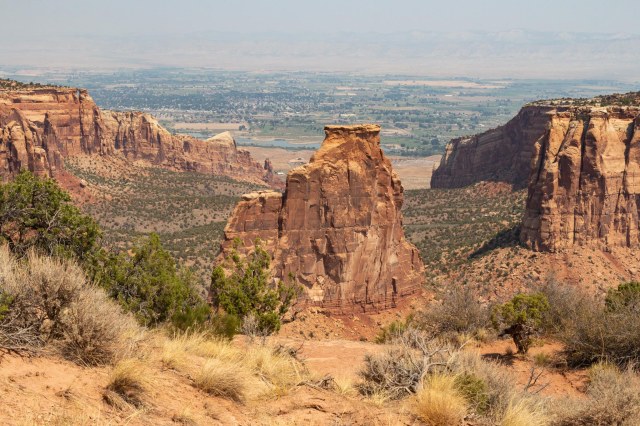
Independence Monument formation was once a wall that stretched from the right to the left.
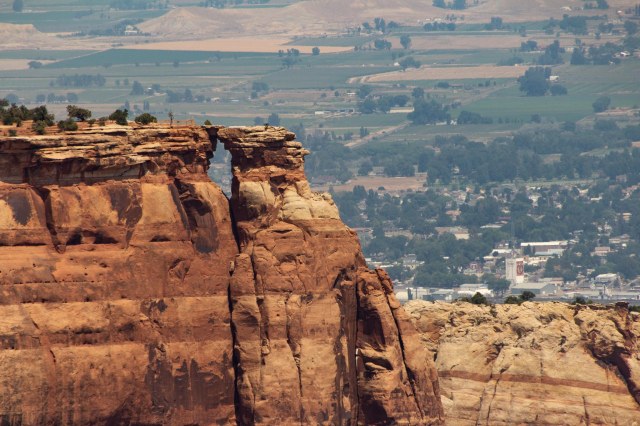
Window Rock
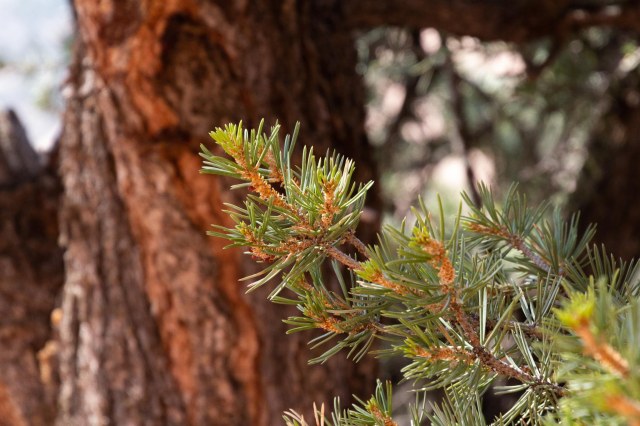
Drought and insect infestation have killed many of the pinyon pines
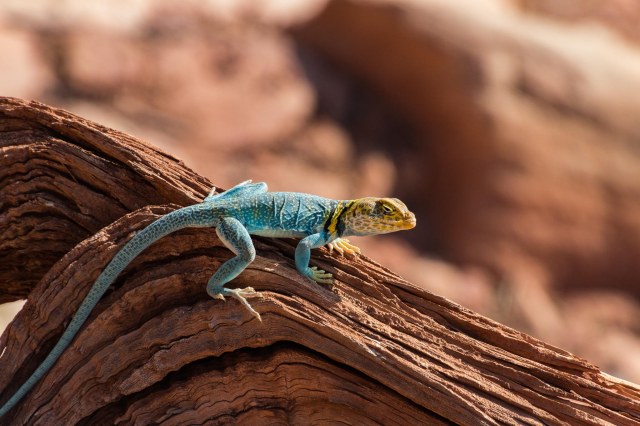
Collared Lizard

We found the Alcove Trail across the street from the visitor center. The guide sheet (available at the visitor center) gave detailed descriptions of the numbered stops along the trail.

A cluster of prickly pear cacti. Don’t walk off the trail, the biological soil crust is alive. The composition of lichens, mosses, microfungi, bacteria, and green algae protects the soil and nutrients that the plants need to grow. It can take up to 50 years for soil crusts to heal once it is damaged.
Acidic rainwater created small cavities on the cliff walls when it seeped through the rock and dissolved the cemented quartz sand grains
Native Americans used the seeds from the pinyon pines as a food source
Watch out for the bumps in the sand. They are antlion traps.
The trail deadends where water has carved out this ancient sand dune
The water erosion is also evident near the slot canyon floor

The 23-Mile Rim Rock Drive is one of the highlights of the monument. Several overlooks along the drive allow visitors a chance to get out of the car, peer into the canyons, and take in the breathtaking views of Grand Junction. Some of the overlooks include short trails to viewpoints.

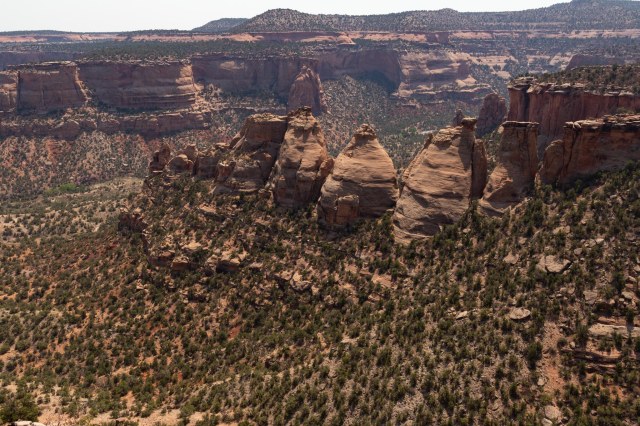
Coke Ovens formation
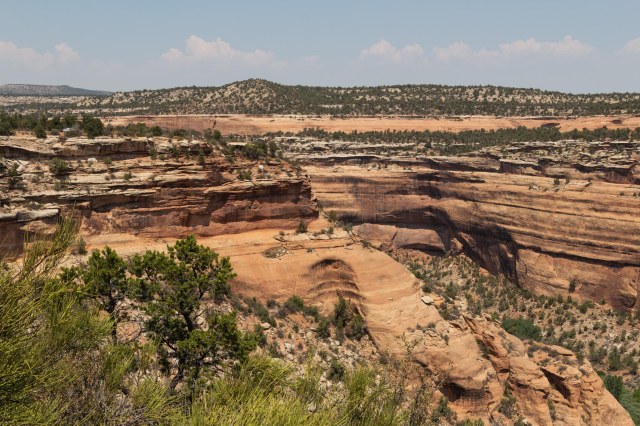
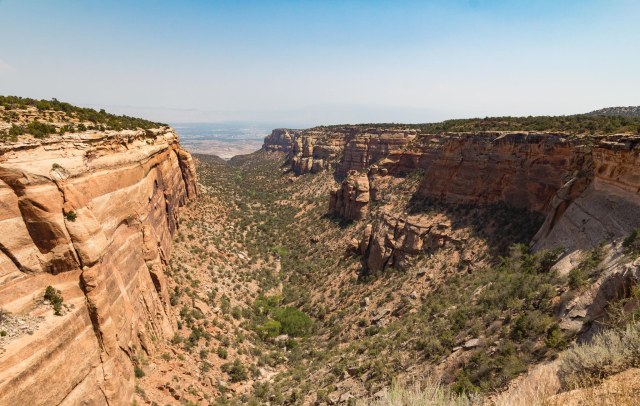
View of canyon and rock walls
View of canyon spilling out into Grand Junction
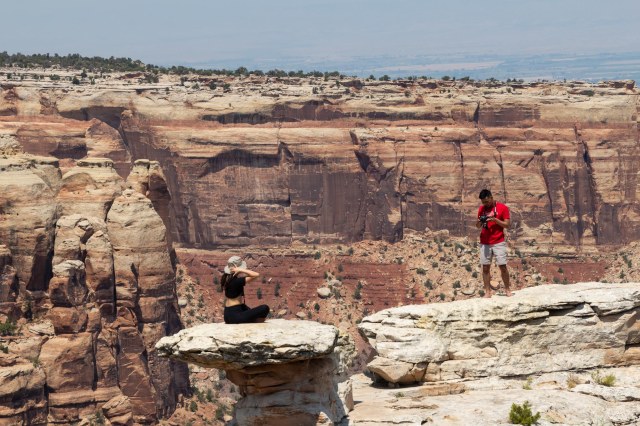
I always expect to hear sirens coming after seeing people in dangerous situations when taking photos. Luckily for this couple, we saw them again later on so they managed to stay safe. At least this time.

The Devil’s Kitchen Picnic Area, a short distance from the Grand Junction entrance, was a great place to stop for lunch where there are a large shelter, plenty of picnic tables, and clean restrooms.

Grand Junction

The downtown area of Grand Junction was a great place to walk around. We joined the several groups of families and friends walking up and down the street. One thing separated us from them, though. They all had their heads bent down focused on their mobile phones. “Boy, the people in Grand Junction sure like their phones,” I said to Jon.

Downtown Grand Junction on a Sunday afternoon

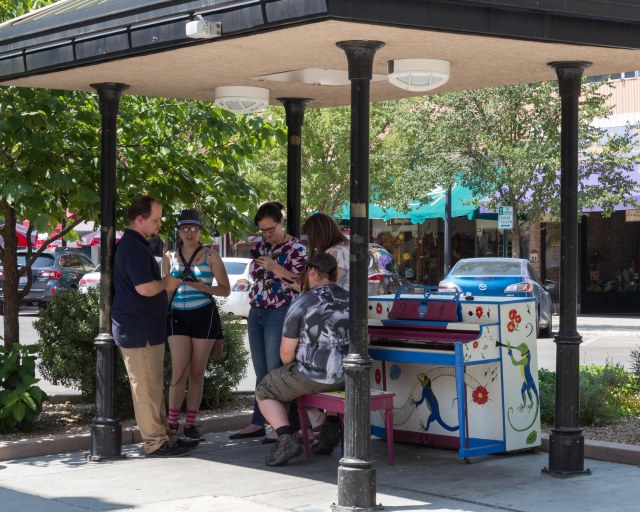
Then a group of three people walked near us and said something about there was supposed to something or other right there. I asked if they were playing a game and the woman said, yes, they were playing Pokemon. Okay, that explained the fascination with the mobile phones.

What’s the obsession with the phones? Pianos are placed along the street for anyone to play

It was a good day to wander around the city on a Sunday and look at all the Art on the Corner. Established in 1989, the year-round event showcases both permanent and temporary sculptures along the downtown streets.

The apple and the ant
Woman bicyclist
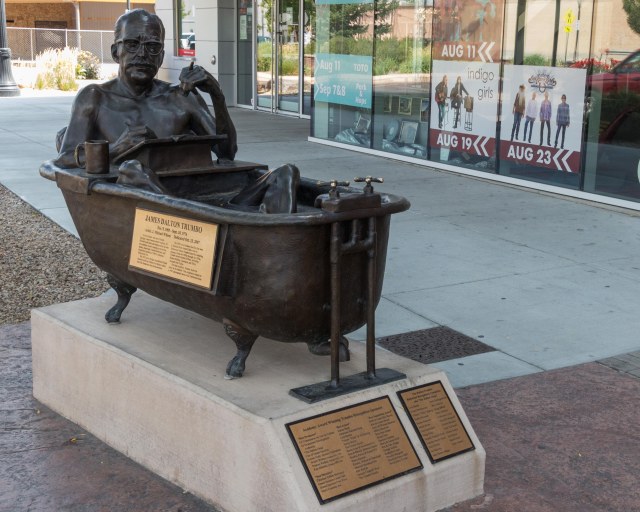
James Trumbo working in his bath. Trumbo graduated from Grand Junction High School and learned his writing skills by working for the Grand Junction Daily Sentinel.
Ah, refreshing water from a hose

Although most of the stores were closed for the day, we found Slickrock Brewery open and stopped in for a bite. We split a cob salad and had an order of Calamari to start. The beer was pretty good a blend of 50/50 pale ale and wheat beer. It tasted pretty good, but I think I like 100% wheat beer better.

Museum of the West in Grand Junction

The Museum of the West in Grand Junction is a nice little museum that includes displays that tell the history of Grand Junction and the surrounding area.

Step on up and take a seat to listen to the sounds of riding on a coach
A cowboy’s tools of the trade
A lawman’s tools of the trade
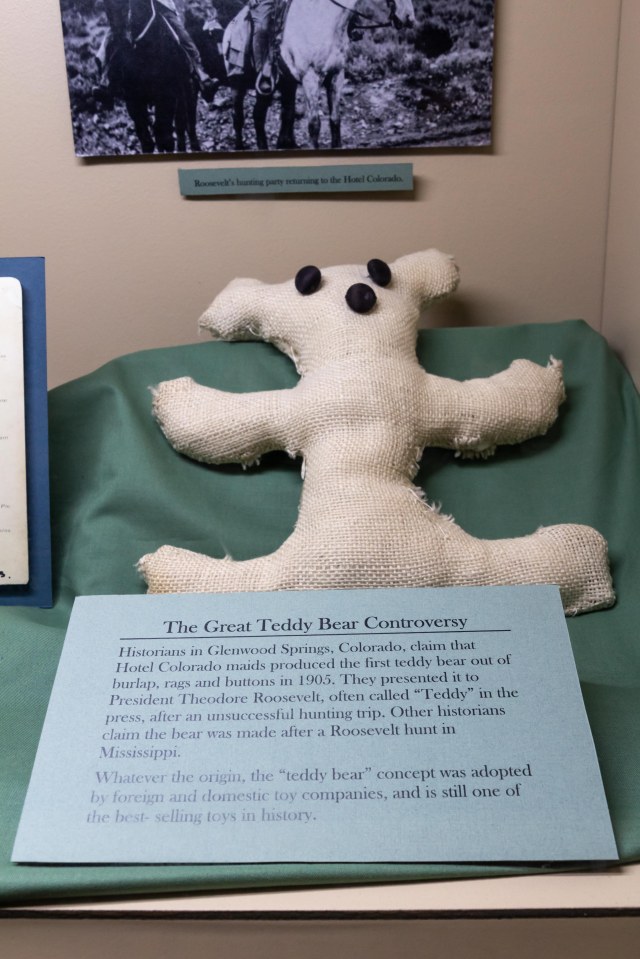
Was the Teddy Bear invented in Glenwood Springs, Colorado, or in Mississippi? The controversy continues.
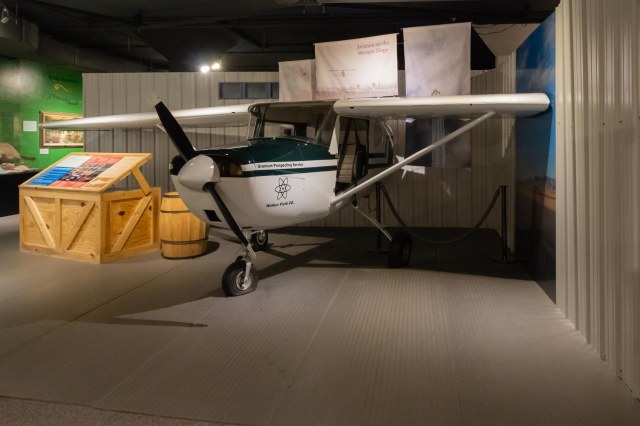
A plane used for uranium prospecting
Replica of a uranium mine
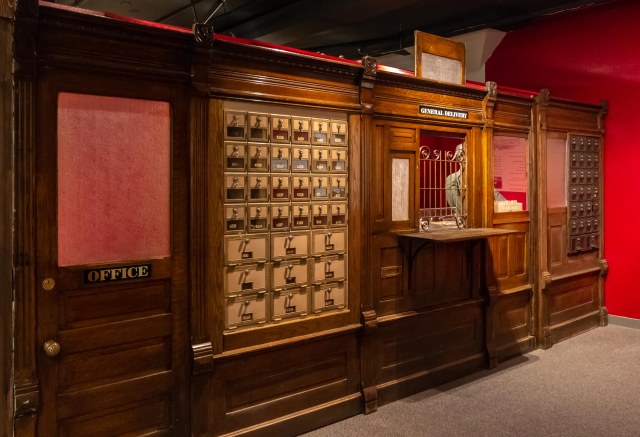
A local post office set up at the museum
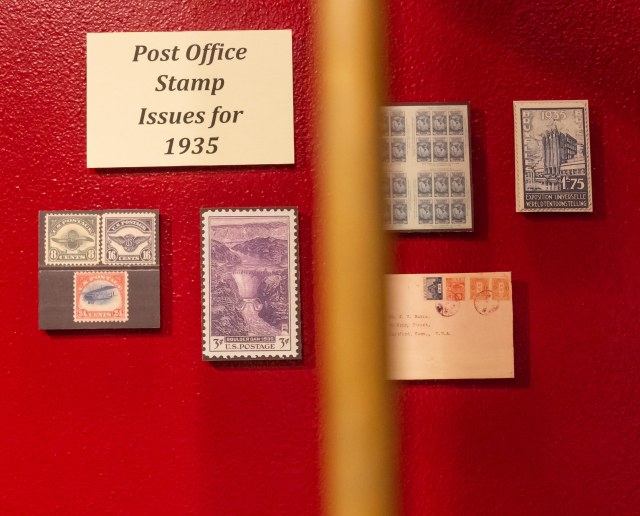
Display of stamps from 1935
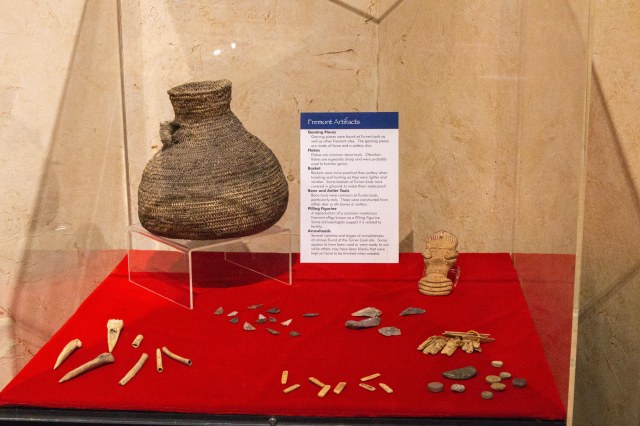
Artifacts from the Fremont Indian culture
More artifacts

One of the unique features of this museum is that it has an elevator to the roof where visitors have a 360-degree view of Grand Junction and beyond.

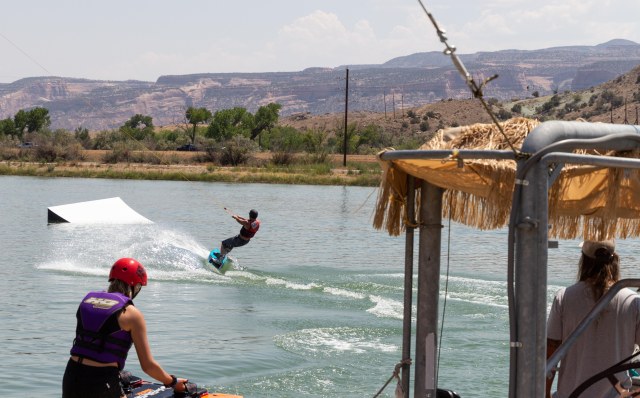
Cable Wake Board

We had seen the cable and the lake from the freeway and had to take a look. We both had skied at the local cable ski where we grew up in Southern California but hadn’t seen a similar business for more than forty years. Opened in April 2018, the Imondi Wake Zone Cable provides equipment and lessons.

Imondi Wake Zone
Cowabunga! That looks like fun.

The Western Slope Vietnam War Memorial

The memorial, located near the Fruita Welcome Center off Interstate 70, is “dedicated to the men and women who served in the United States of America Armed Forces during the Vietnam War 1959-1975.”

Grand Mesa

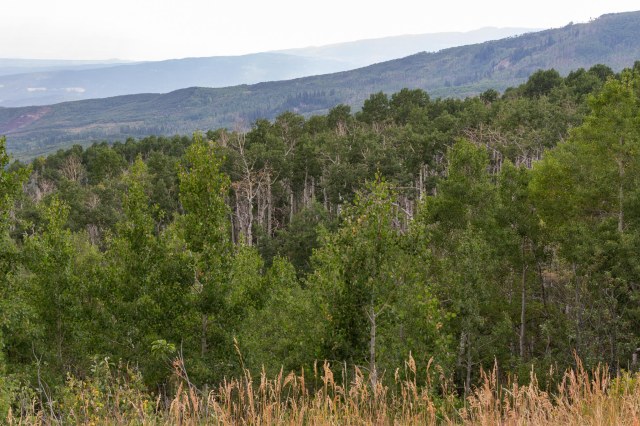
After picking up our truck from the dealer, we took it on a test run by taking a loop drive through the Grand Mesa. The drive started out not very scenic with mostly bare land and little vegetation and wide open spaces. Then we headed up Highway 65 into aspen forests that would burst into yellow, gold, and red colors during the fall.

Too bad we were too early to see it. Up, up and up we went onto the mesa where the aspen gave way to pines and several reservoirs were located. This was winter activities country where cross-country skiing seemed like the prominent sport. The views from the top were wonderful without the blanket of smoke to hide the view.

Cedarridge Overlook

Coming down the other side and driving through a canyon was like driving atop a divide. On the south side of the road, tall slick rock cliffs rose from the canyon floor while on the north side of the road trees covered the mountains that slowly rose up. The vegetation on the north side was due to a river running along the foot of the mountain.  What a difference a little water makes. I wished there would have been a place to pull over to snap a few photos of the phenomenon.

That’s it for our time in Fruita, Colorado. Next up we stop for a couple days in Craig, Colorado, on our way to Steamboat Springs.

Safe Travels
Torrey, Utah, Part 2

Where oh where have Jon and Linda been?

Let’s see, I believe I left you all stranded in Torrey, Utah, as I went in for heart surgery to repair my leaky mitral valve. Four weeks later, as I write this, I’m still in recovery but finally feeling well enough to hit the keyboard and get back to my blog posts.

Without further delay, enjoy a few other sites we took in while in Torrey, Utah, during August 2018.

Drive to Hanksville

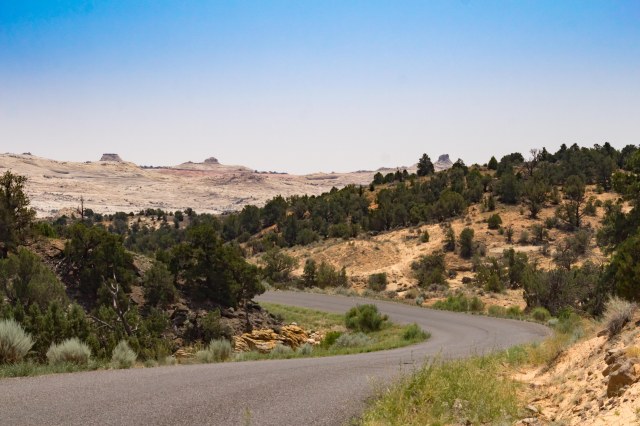
After spending a morning hiking in the heat, we cooled off in the air-conditioned cab of the truck driving to Hanksville, Utah. The 40-minute drive crossed through land that looked like something from another planet, like perhaps Mars.

IMG_2239
Highway 24 between Torrey, Utah and Hanksville, Utah

That’s probably why the Mars Society Desert Research Station located their facility in Hanksville. Owned and operated by the Mars Society, the facility is used for research during an eight-month field season where professional scientists, engineers, and college students train for human operations specifically on Mars.

IMG_8986
Interesting sand and rock formations

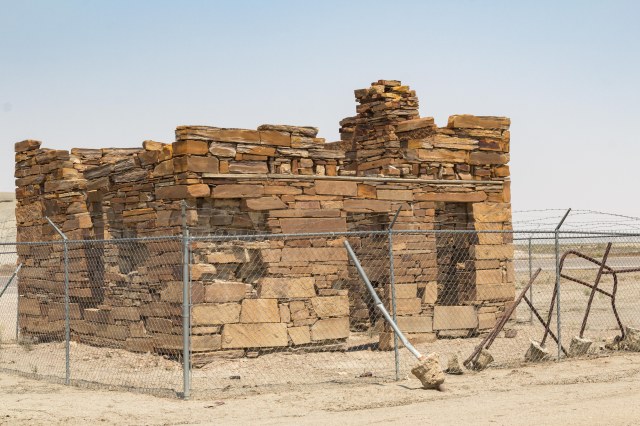
I wished we had had more time to explore this place. I find it interesting that volunteers sign up each year to simulate life on Mars. We also ran across this abandoned building next to the road. Was this someone’s home, or a store of some kind? Wouldn’t it be great if it was restored and its story lived on?

IMG_8987
Abandoned building on Highway 24

We hadn’t packed a lunch and I didn’t hold out much promise for decent food in the little town of Hanksville. How wrong I was when we pulled up outside of Dukes Slickrock Grill.

IMG_2228
Duke’s Slickrock Grill

What was not to like with its rustic decor, great food, the cleanest and largest bathroom I’ve ever encountered, and free WiFi. It was a good thing that we split our pulled pork sandwich and fries and a bowl of hearty beef vegetable soup, otherwise, we would have had to roll out of the restaurant.

Highway 12 to Anasazi State Park

The drive from Torrey, Utah, to the Anasazi State Park in Boulder, was advertised as scenic. Scenic was an understatement and unfortunately, the photo fails to capture the beauty of the east side of Boulder Mountain and the Dixie Forest.

IMG_9000
Overlook view on Highway 12

Thick stands of ponderosa and aspen groves lined the road. This route is also an open range requiring drivers to be alert for cattle that might pop up on the road. We checked out a few campgrounds on the drive that would be perfect for tents or small trailers, but none that could accommodate our rig. With all of the aspen, this drive is one I’d like to take during the fall.

Anasazi State Park

The Anasazi State Park and Museum include plenty of parking and large shade trees with picnic tables. It was a good thing we had packed a lunch because the food bus was not serving the day we visited.

IMG_9009
Anasazi State Park Museum

Inside the museum, visitors can watch a movie, view artifacts uncovered during the excavation of the site, and imagine what it would have been like to live life at this ancient site.

IMG_9028
Artifacts on display inside the museum
IMG_9032
Replica of a pithouse

A life-sized replica of a six-room ancient dwelling starts off the tour outside. Jon would have had trouble living in these quarters. The dwelling definitely was not made for a human who stands 6′ 2″ tall.

IMG_9027
Replica six-room dwelling

A short trail leads visitors to a portion of the original ancient site. It is believed that the Anasazi, who occupied this site from A.D 1050 to 1200, was one of the largest communities west of the Colorado River.

IMG_9020
A portion of the excavated site protected from sun and rain
IMG_9012
Pithouse

Back on the road, we went a little way into Escalante National Monument where miles and miles of ancient sand dunes roll across the horizon. One day we’ll have to come back and explore this area more.

IMG_9039
Ancient dunes in Escalante National Monument
IMG_9036
A closer view of the ancient sand dunes

Up next we enter Colorado and hang out in Fruita, Colorado, near Grand Junction for a few days.

Safe Travels


Torrey, Utah, and Capitol Reef National Park

On Monday, August 6, 2018, we had one more stop in Utah before crossing into the State of Colorado. We couldn’t have been happier when we pulled into our space at Wonderland RV Park in Torrey, Utah. Under large shade trees and backed up against a fence, our view each morning out of our rear window featured cows and horses grazing. The apple and peach trees strategically placed around the park showed signs that harvest was soon near. The only drawback was smoke in the sky. Again.

Wonderland RV View
View from our fifth wheel rear window at Wonderland RV

We ventured out to the information center across the street and then drove into Capitol Reef National Park for maps and pamphlets to help plan our stay.

Capitol Reef National Park

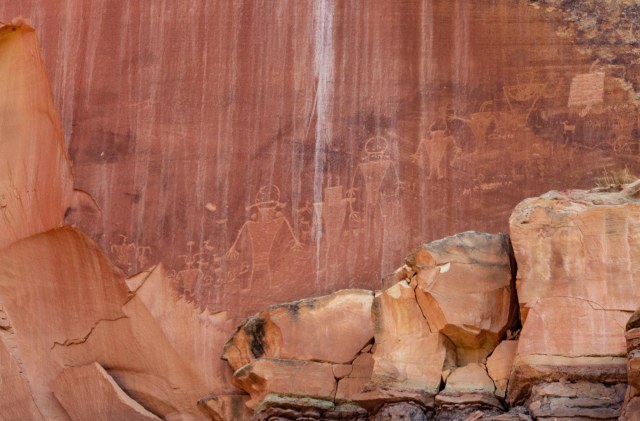
The known history of Capitol Reef and surrounding area dates back to the Fremont Culture. Settling in the area around 500 CE, the Fremont grew corn, beans, and squash. Petroglyphs and pictographs on nearby rock walls tell the story of these ancient people. If only there was a translation of each panel, we could read and understand the meaning of the stories. Instead, we must use our imaginations to figure out what the art depicts. Is the picture below a family portrait, or does it represent an encounter with alien beings?

IMG_8946
The viewpoint of the petroglyphs is 1.1 miles from the visitor center on Highway 24

Mormon pioneers arrived in the 1800s settling in the Fruita Rural Historic District of the national park. They planted apple, pear, and peach orchards, fruit trees that still produce fruit, which is available to pick free when in season.

IMG_8931
One of the fruit orchards on the left side of the photo

Ephraim Portman Pectol, a Mormon Bishop in Torrey, Utah, and his brother-in-law, Joseph S. Hickman campaigned to have the geologically sensitive area protected from development. President Roosevelt set aside 37,711 acres of the Capitol Reef as a national monument in 1937 and in December 1972, the monument became a national park.

IMG_8890
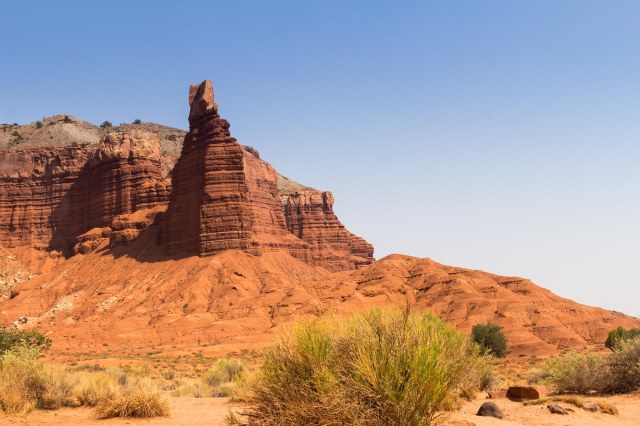
Chimney Rock

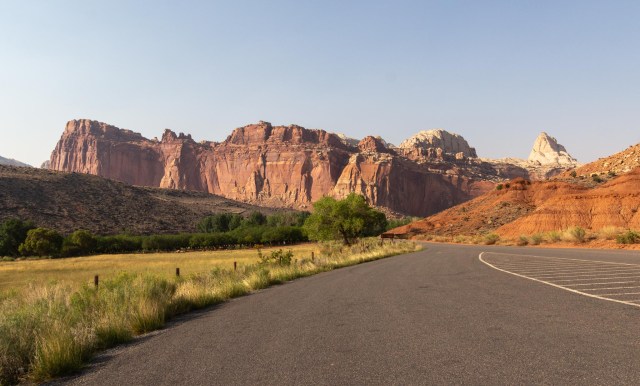
The main attraction at Capitol Reef is the varied layered cliffs that rise from the valley floor and the different rock formations. Geological events occurring between 50 and 70 million years ago created the warp in the Earth’s crust. The warp, referred to as the Waterpocket Fold, or monocline, runs approximately 100 miles from Boulder Mountain to Lake Powell.

IMG_8903
Egyptian Temple

Slickrock Divide is a hill that separates Grand Wash to the north and Capitol Gorge to the south. Streambeds channel rain runoff and debris to the respective drainages.

IMG_8908
South view from Slickrock Divide

The Waterpocket Fold is the result of the rock layers on the west side of the fold lifting more than 7,000 feet higher than the layers on the east side. Within the last 15 to 20 million years, erosion has exposed the fold at the surface.

IMG_8923
Water creates fissures in the rock

Erosion gets the credit for creating the colorful cliffs, massive domes, soaring spires, stark monoliths, twisting canyons, and graceful arches that are present today. These formations reveal the geological history from 65 to 290 million years ago. [source: nps.gov/care/learn/nature/geology.htm]

IMG_8920
Cassidy Arch

Only the 7-mile drive requires a fee in Capitol Reef National Park: $15.00 per vehicle, $10.00 for motorcycles, and $7.00 for bicyclists and pedestrians, with the typical passes accepted. Fees for commercial tours depend on seating capacity.

IMG_8925
Yikes! Gated uranium mine tunnels. Don’t get too close.

Developed campsites run $20.00 per night or $10 for senior and access pass holders. During the summer the majority of the 71 sites are offered through reservations, however, a few are offered on a first come, first served, basis. A few primitive campsites, which are first come, first served, no fee sites, are also available.

IMG_8926
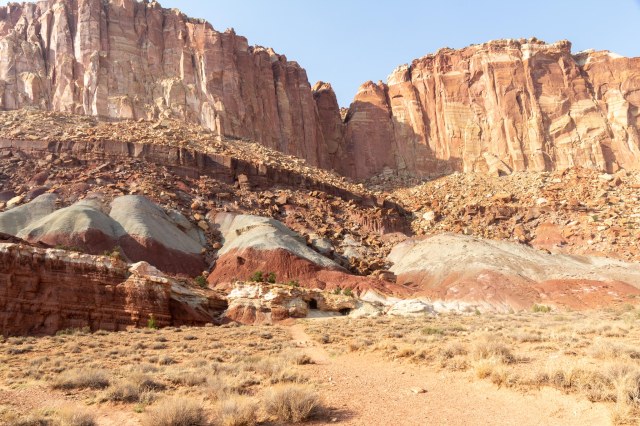
White topped reddish mounds appear to support the steep cliffs

Having seen the sign for pies at the Gifford Homestead while driving the 7-mile road, we started the next day with a small pie each and a cup of coffee. Then we drove out to the petroglyph panel. Some of the petroglyphs were so faint we would have missed them if it hadn’t been for a woman who pointed them out to us.

IMG_8947
A hunting depiction?

Next up was a hike to the Hickman Bridge. Rated moderate, .9 mile one way, and an elevation gain of 400 ft. A piece of cake, we naively thought. The heat, thin layer of smoke, and a 6,000-foot elevation conspired to hold us back as we trudged up the hill. Good thing we had the handy trail guide with us. It gave us an excuse to stop, catch our breath, and learn about what we saw on the trail.

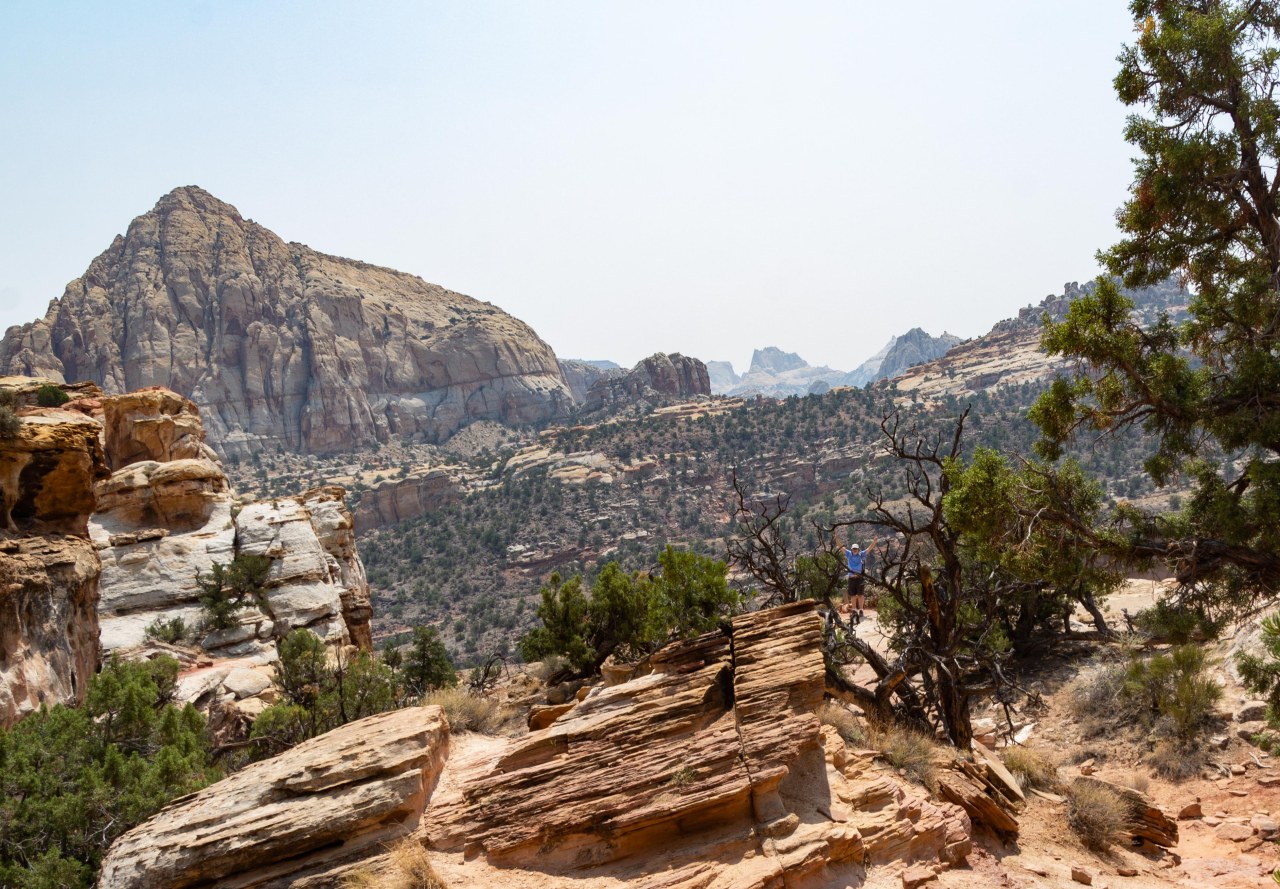
View from Hickman Bridge Trail

Capitol Dome is made of Navajo sandstone, which consists of ancient sand dunes. The boulders in the foreground of the photo below are composed of andesite lava. Debris flows from melting glaciers deposited the boulders here from the west side of the park.

IMG_8959
Capitol dome and black boulders

I’m always on the lookout for General Land Office spikes. Jon pointed out this one from 1947. Check out the hefty penalty of $250. That would be $2,867 in 2018.

IMG_8963
1947 General Land Office Survey spike

Shown in the photo below the small bumps on this hard surface are erosion resistant accumulations of iron.

Iron bumps resist erosion

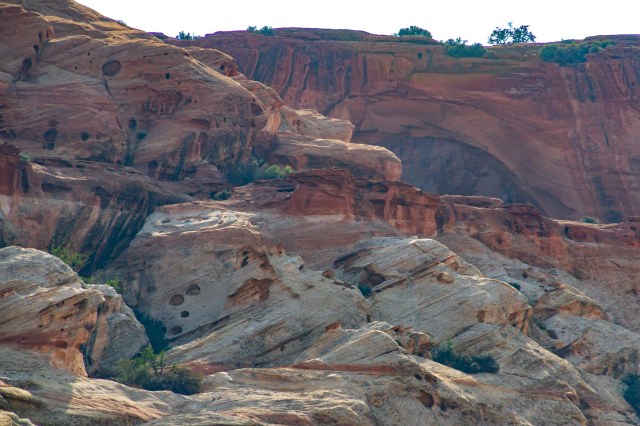
The rock wall in the photo below is composed of sandstone grains cemented by calcite. Acidic groundwater dissolved the calcite and created the holes called solution cavities.

Sandstone wall with solution cavities
IMG_8967
Hickman Bridge
IMG_8972
JT resting in the shade of Hickman Bridge

Our respite was spoiled, when twenty to thirty college students descended on the slick rock near the bridge, chasing other hikers away, and taking up all the space. While they waited for the rest of their group to arrive, they took turns climbing on a boulder and having their photos taken. We worked our way through the crowd and continued on our walk.

Where’s Jon among the tilted and slanted terrain?

Finally, the parking lot, fresh water, and air conditioning. Outa my way, coming through.

Hickman Bridge parking lot and Fremont River

I was so glad we pushed ourselves to the end. The shade was refreshing, the views wonderful, and the bridge unique in that the trail looped around underneath the arch and behind the cliff. It would have been a shame if we had missed it.

Other stops in the park

Panorama Point, Sunset Point trail, and Goosenecks Overlook are other sites in the park. The Sunset Point Trail was .4 mile one way. Although it was 2:30 p.m. and hot on the day we were there, the short hike wasn’t too bad, mostly flat.

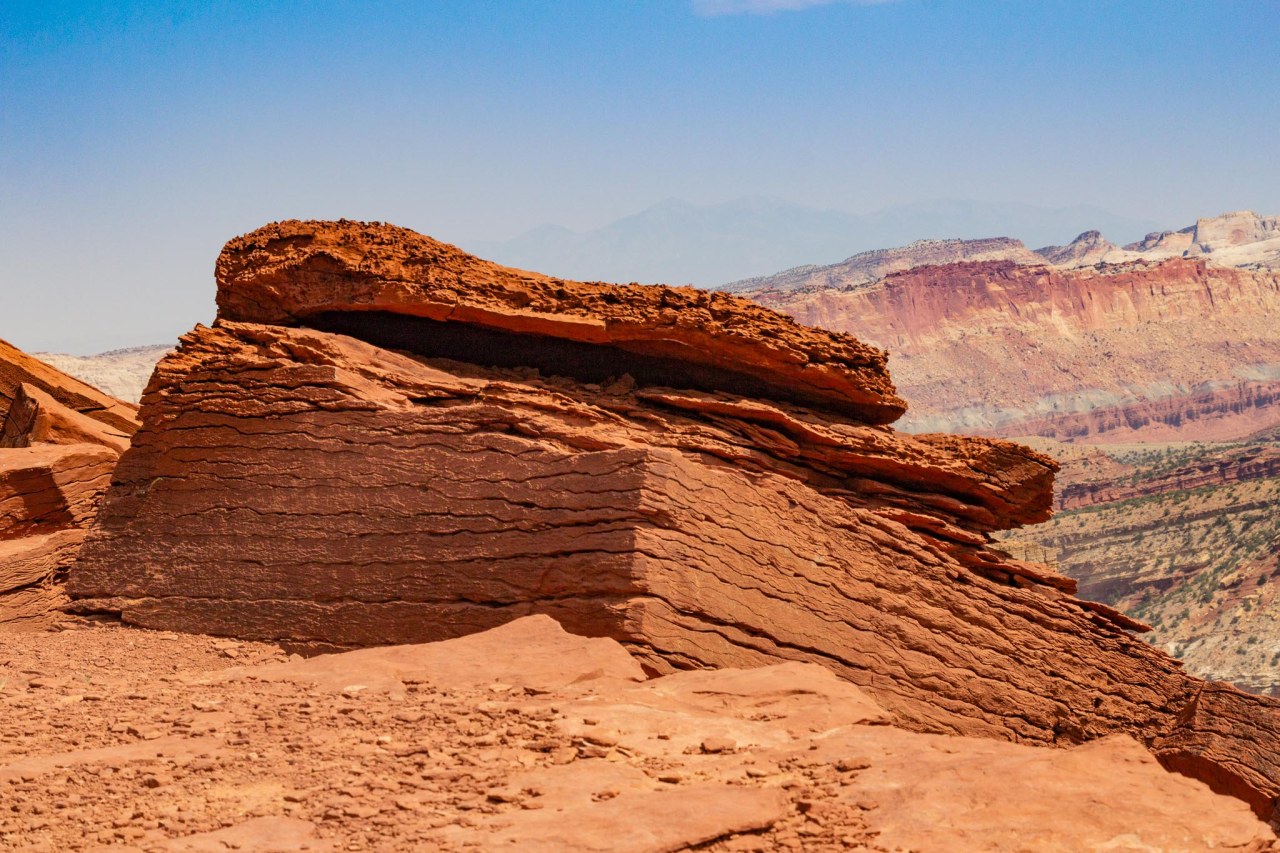
Layers of sandstone look like chunks of cardboard piled up

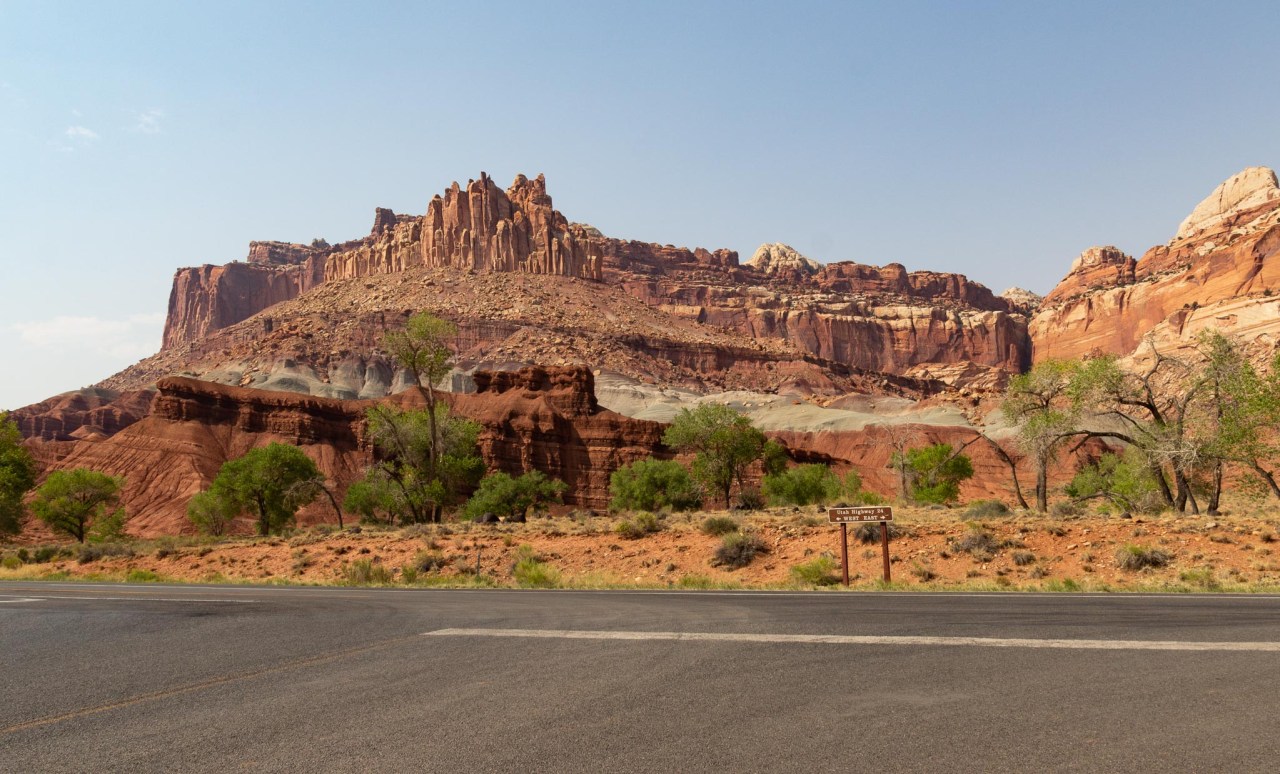
There are plenty of interesting formations outside of the fee area for visitors to see. The Castle is one of these.

The Castle
View from the visitor center shows the layers of rock
Twin Rocks look like they may have been triplets at one time

JT waited in the truck while I investigated Goosenecks Overlook. The views of the canyon were spectacular, but I feared the little kids running around would somehow slip through the railing and drop to their death. Parents, please hold on to your precious children when near canyon cliffs and don’t let them run around playing tag.

Goosenecks Overlook

Panorama Point was truly a 360-degree panoramic view of the park. If a person could only see one thing in the park, I would suggest they check out Panorama Point to get a great overview of the canyons, the colors, and the cliffs.

View from Panorama Point
Another view of layered rocks

Whoa, we saw a lot in Capitol Reef National Park and still didn’t see it all. A visit to the park in cooler weather someday may be in order. Next up are a few other places we visited while staying in Torrey, Utah, before making it into Colorado.

Unfortunately, I have to take a break from the blog posts for a few weeks. When this post publishes at 6:00 a.m. on Thursday, October 11, I’ll be in heart surgery for a mitral valve repair. When I’m feeling up to it, I’ll continue with our Summer 2018 Tour.

Safe Travels