Temperatures cooled ten degrees in the Phoenix valley so we left Payson on Sunday, October 13, 2019, and headed into the metropolis. We had been avoiding the big city the past few years, so it was time to stop and visit family and meet new friends.
On our drive to Phoenix, we were impressed that a couple of Westys kept up with us. They’d pull away on the downhills and we’d catch them on the inclines. Climbing a particularly steep grade, we had to pass and leave them behind.
We also marveled at the amount of saguaros marching up the hills.
Ingrid from Live Laugh RV (livelaughrv.net) recommended Pioneer RV Park as a place to stay in the Phoenix area. We enjoyed our stay so much we extended a couple of days. The best part was sharing a couple of happy hours and dinners with Ingrid and Al. Thanks, guys. We had a great time talking with you two.
Our nephews on my side of the family, Scott and Jared, picked us up for dinner one night. It was fun catching up with them and meeting Scott’s better half Leslie and their daughter Alycia. I hope we can stop for another visit soon.
Our next family visit was with our niece, Kelly, and her family on Jon’s side. I promised myself on this trip I would take photos of people. Not quite in the habit, I left my camera at the trailer, so no photos of Kelly and her family. We had a delicious dinner at her house, though. I enjoyed talking with her granddaughter about all her toys (oh, so many toys) and meeting Kelly’s husband and mother-in-law. I even warmed up to the dogs, as long as they didn’t get too close. My fear of strange dogs has not abated, especially when they growl and bark; however, I can tolerate them once I get to know them.
Kelly and her husband are both in real estate. Who better to ask about all the new construction we had seen? We learned that 200 people a day moved into the greater Phoenix area from 2017 to 2018 and Maricopa County—home to Phoenix—was the fastest-growing county in the U.S. No wonder we saw so many housing developments pop up like mushrooms from the desert floor.
Sightseeing is always at the top of our “to do” list and Phoenix was no exception. Below are a few of the places we visited. The rest will come in Part Two.
Desert Botanical Garden
The behind-the-scene docent tour at the 140-acre Desert Botanical Garden was a treat. One of only twenty-four botanical gardens accredited by the American Alliance of Museums, the garden operates with 106 regular staff and approximately 730 volunteers donating 67,364 hours of their time. They have 55 acres under cultivation containing 4,482 species in the living collection and care for 39 rare and endangered species. The photos below are a small sample of what a visitor will see.
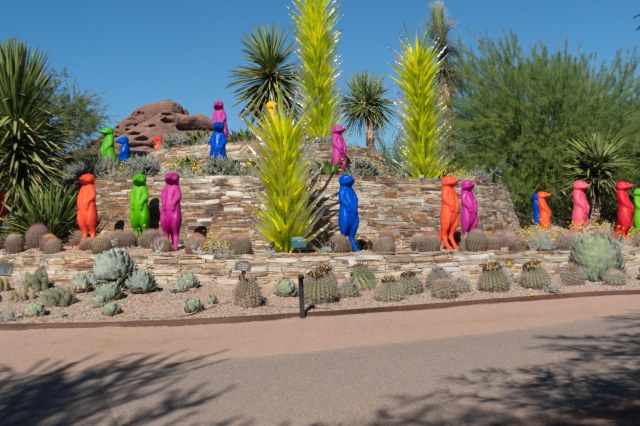
The three light-green tree-like structures are Dale Chihuly glass sculptures. The colorful prairie dogs—made from recyclable plastic—are part of the 1,000 animal sculpture exhibit by Wild Rising by Cracking Art. They will be on display through May 10, 2020.
The doors opened to the public in 1939, but World War II halted activity in 1942. A visitor center opened in 1961 and over the years, a library and butterfly exhibit were added. Multimillion-dollar expansions led to research facilities and a desert landscape school.
A group of frogs watched us while we ate lunch under the entry arbor.
The garden is open daily; however, check the website for early or all-day closings. Tours are offered from September through May, the best time to visit. June, July, and August are too hot to walk on the concrete and gravel paths.
The water feature and shade gave us a respite from the heat.If we weren’t away from home so much, I’d love for my backyard to look like the Steele Herb Garden.A sundial in the backyard would be cool too.
We enjoyed watching the butterflies in The Butterfly Pavilion. Some of them flitted around so fast we could barely see them, while others landed on flowers and spread their wings as if posing for a photo.
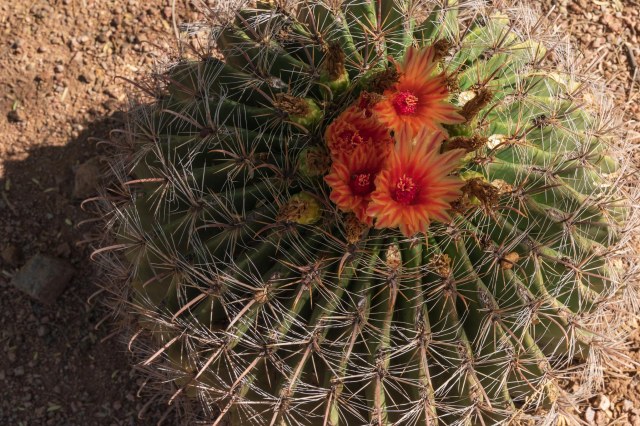
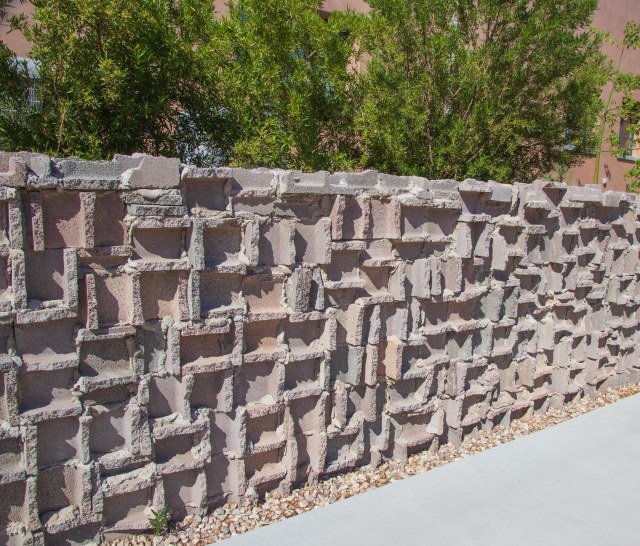
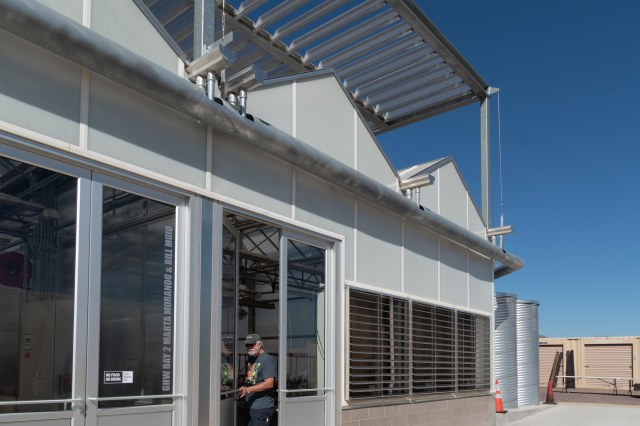
Soon to be butterflies.Five little butterflies posing for a photo.Desert scene with prickly pear, barrel cactus, agave, saguaro, and senita. Wait a minute. Where did those little green penguins come from?Play nice.Crested saguaroReplica of an Apache household of oldBlooming barrel cactusDesert oasisI liked the fall colors on this plant. Anyone know what it’s called?Outdoor desert landscaping labReclaimed cement blocks turned to art in this wall feature.The shade over the greenhouse roof combats the summer sun and protects the specimens.Inside one of the many greenhouses with an array of specimens.Cactus, cactus everywhere
We definitely recommend spending a morning or afternoon at the Desert Botanical Garden. Come for the cactus and stay for the art, music, and culinary activities.
Pioneer Living History Museum
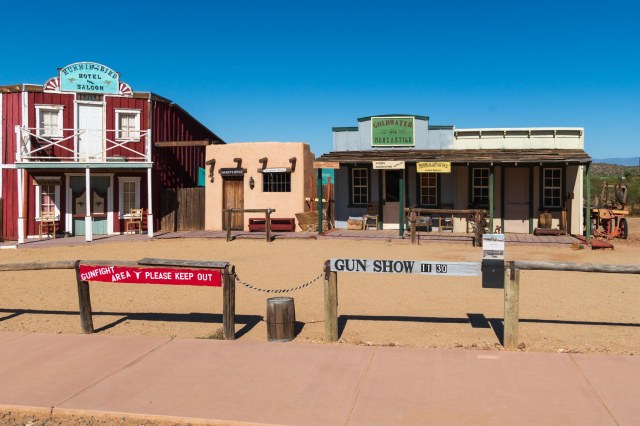
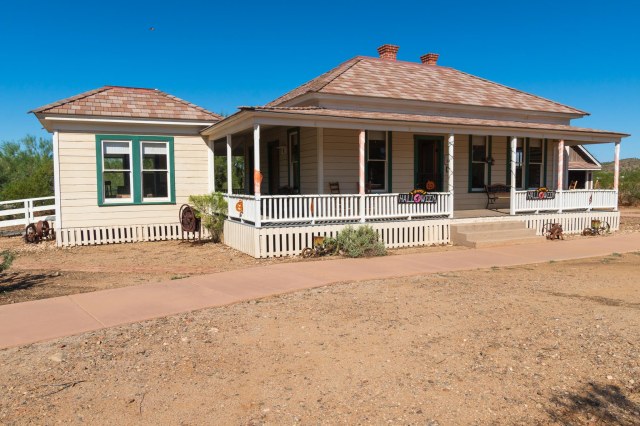
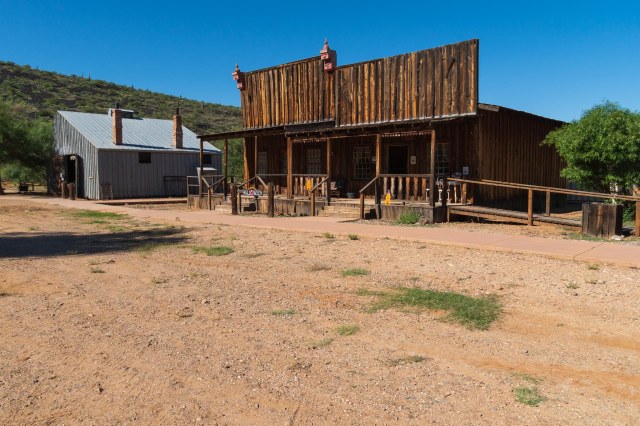
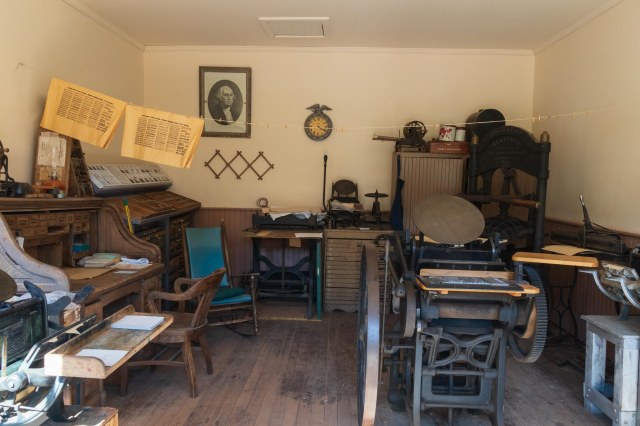
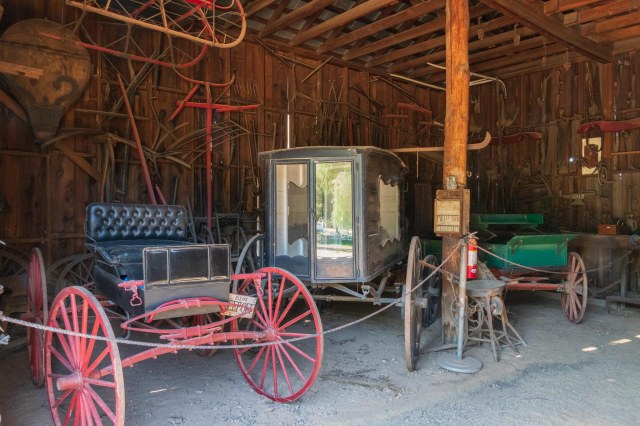
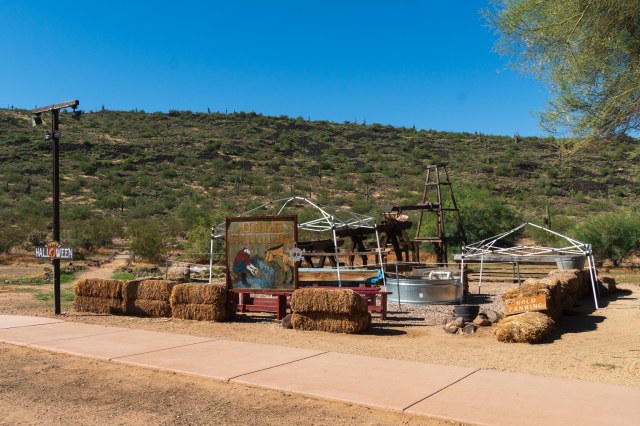
While Jon watched football, I went to the Pioneer Living History Museum. Celebrating its 50th anniversary, the 90-acre property depicts the Arizona territorial period between 1863 and 1912. Some of the buildings are authentic and others are historically accurate reproductions. The museum is a popular place for weddings, field trips for schoolchildren, and special events. Preparations for the All Hallows’ Eve event were in process during my visit.
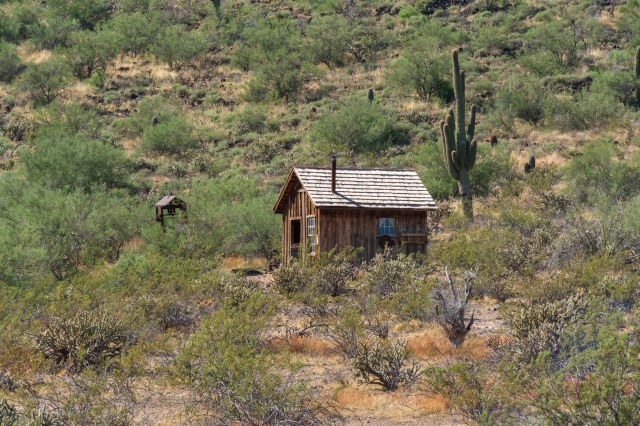
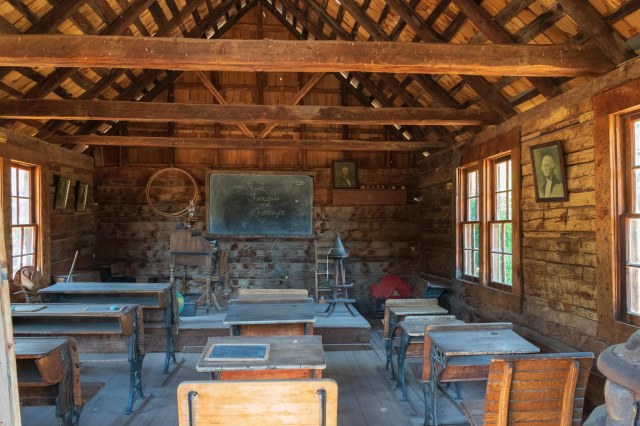
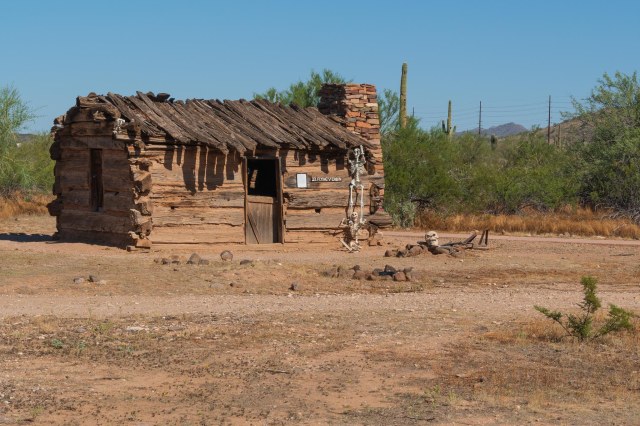
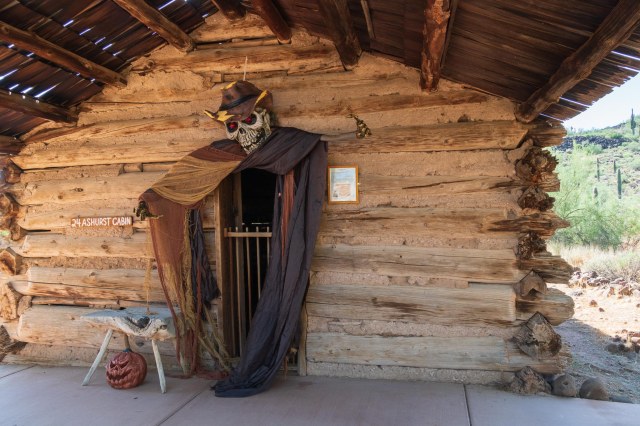
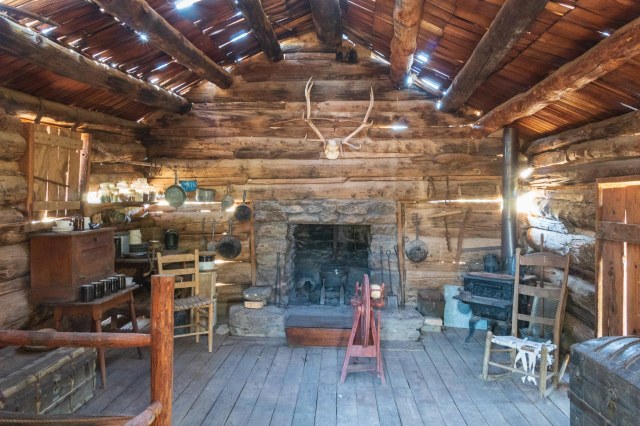
Pioneer Living History MuseumOn certain days, gun shows are presented.The Merritt Farm complex lets visitors imagine living on a farm in the late 1800s. The house, water tower, granary, and carriage house are all original buildings preserved and restored to depict the early 1900s.The three-room Meritt House with detached “summer” kitchen. Kitchens were in a separate building to keep the heat from invading the main house during hot summer days.A glimpse of a bedroom and dining room inside the Merrit House.An 1800s commercial building housing an exhibit hall and a dress shop.So much equipment used for printing. Today printing isn’t needed, just open the laptop, type, and send.Vehicles on display in the carriage house.Children will like panning for gold.I wanted to take a look inside this little cabin up on a hill. Then I saw the sign below.When in Arizona, one must scan all paths in search of snakes. Luckily, we saw none.Looks like a great place for children to play tag or other old fashioned games.The church is used for weddings.Plenty of seating inside.William Gordon and his family used this original building before it became a school. The school operated from 1885 to 1930. The dunce cap must stir up lively conversations among school children.Skeleton waiting for All Hallow’s Eve.The Flying V cabin, with gun ports, is an original building built around 1880. The builder, John Tewksbury, is notable for his participation in the Pleasant Valley War.Senator Henry Fountain Ashurst grew up in this original 1878 Ashurst Cabin. Ashurst earned the name “Silver-tongued Orator of Congress.” While I peeked inside to take a photo, the wind came up and wrapped the black cloth around me. Luckily, no one was around to hear my scream.Modest accommodations with all the necessities and a leaky roof.This house is a McMansion compared to some of the cabins.Quiet down out there, I’m trying to sleep.This guy’s been hanging around for way too long.
On some days, costumed interpreters dressed as cowboys, lawmen, miners, gunmen, and Victorian ladies roam the grounds, which must make the town come alive.
Stay tuned for more sightseeing in the greater Phoenix area, including visits to Cave Creek and Carefree, Old Town Scottsdale, Rosson House Museum, and Lake Pleasanton Regional Park.
The Payson visitor center and Payson Ranger District office loaded us up with so many pamphlets and maps I knew we’d never see it all in the week we had allotted. The following are sights we managed to fit into our schedule from October 6 – 12, 2019.
Pine, Arizona
A 20-minute drive from Payson on scenic route 260 takes drivers along a road with wonderful views of the mountains and forest, past the Tonto Natural Bridge State Park (more about the park later), and into Pine, Arizona. Four Mormon families established Pine in 1879. The 2010 census showed approximately 1,963 residents. This compares to Payson, which had a population of 15,301.
“Open house” signs enticed us to follow the arrows. We weren’t in the market to buy, just playing lookie-loos. A family of elk crossed the road in front of us so we stopped to wait for them to pass. Another car came up behind us. They didn’t have patience for the elk and drove around. We could almost hear the epithets they hurled our way as they zoomed by. Where we live, we stop for deer and wild turkeys on the road. It’s better than running into them and wrecking our vehicle.
The elk made it safely across the road
Strawberry/Pine Fall Festival
After touring the house, we found the main road lined with trucks and cars, and people walking around. “Oh, look. Kettle corn,” we said in unison. The popcorn vendor wasn’t sure what was going on, but the banner across the road advertised The Strawberry/Pine Fall Festival, so we walked down the street, peeked in a few antique and craft stores, and cruised the vendor booths. The limited storage space in the fifth wheel prevents us from buying stuff while traveling. I did splurge on a few bookmarks, though.
Judy Bottler had photo bookmarks for sale at the Strawberry/Pine Fall Festival
Three miles further north is Strawberry, which is even smaller than Pine. They claimed 961 residents in 2010. Many of the houses, cabins, and cottages in both Strawberry and Pine are vacation homes or rentals, which increases the population at times.
Strawberry, Arizona
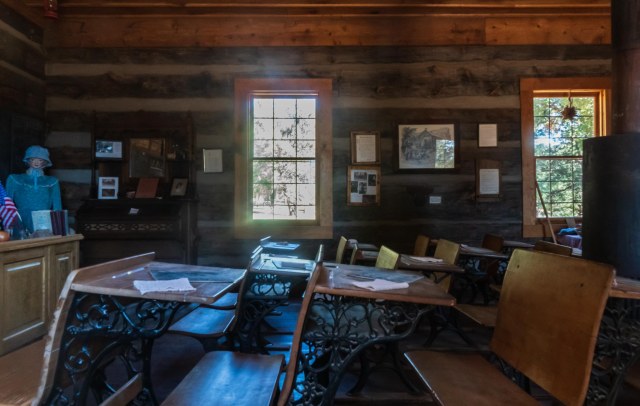
In Strawberry we stumbled upon the oldest standing schoolhouse in Arizona. District #33 in Strawberry Valley was established in 1884 and still stands in the same place where it was built.
Strawberry School House
Besides a school, the building served as a meeting place, social center, and a church. Closed in June of 1916, by 1961 only the log frame remained.
School bell
On August 15, 1981, the Pine/Strawberry Archaeological and Historical Society dedicated the structure as a Historical Monument after they renovated the school. It is open to the public from May through mid-October on weekends and holidays. https://www.pinestrawhs.org/schoolhouse.html
Furnishings inside the schoolhouse
Driving through Strawberry, Pine, and even Payson, we noted homes hidden among shrubs and trees. This is what Paradise, California, must have looked like before fire wiped out the entire town in November 2018. Only a few residents in these communities had protected their homes from fire. Did most of the occupants not get the memo to create a defensible space zone around their home, or did they choose to ignore it? I could easily see how the entire communities of Strawberry and Pine could go up in smoke. I wish them well and pray it never happens.
Pine View Loop Trail
The Pine View Loop trail wraps around a hill for 2.8 miles. Wandering through piñon and ponderosa pines, and alligator junipers, Jon made it without trekking poles along the up and down trail with occasional switchbacks. This was his longest hike yet after his sciatic pain had disappeared.
Jon ditched his trekking poles for this hike.This is the bark of an alligator juniper
Tonto Natural Bridge State Park
After thirty years on the State Parks Board priority list and a few approvals by the state legislature to purchase the land, lack of funding delayed natural bridge becoming a state park. The board finally purchased the 160 acres on October 1, 1990, and the Tonto Natural Bridge State Park held its grand opening celebration on June 29, 1991.
Tonto Natural Bridge
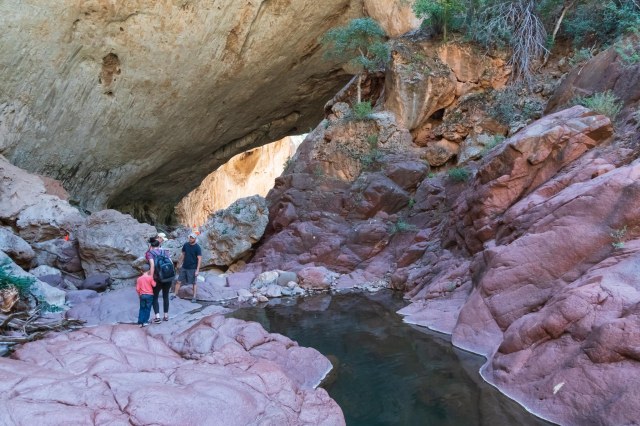
Believed to be the largest natural travertine bridge in the world, the 400-foot long tunnel contains turquoise pools fed by a natural spring. The park offers several short trails making this a perfect place to bring young children.
Watch for slippery rock
We managed steep hills and a scramble over huge boulders and rocks along the Anna Mae Trail. The trail ends at the cavern under the bridge.
The trekking poles came in handy on the boulders and slick rock
While working my way over the boulders to reach the opening, I passed a woman sketching on a pad. We spoke a few words and I found a spot to sit and take photos. A few minutes later, the woman, Kathy Mann from Canada, asked if she could use my camera to take a photo of me sitting on the boulder.
Photo taken by Kathy Mann with my camera
Without thinking, I handed over my Sony and turned my back. After several minutes, I turned around to see if she was still there. She said, “Just a few more.”
I’m used to taking photos, not modeling for them, but if I could help an artist in her work, I was glad to do it. I sent the photos to her a few days later and hope to one day see her creation. Her paintings emote a sense of calm and peace. If you are interested in seeing her work, go to kathymannfineart.com.
Waterfall Trail is about 300 feet long and ends at a waterfall wall. A walk down approximately 120 steps takes visitors to an extremely narrow and short space to view water flowing out of the side of the cliff. More than five people created a huge crowd, making it difficult to maneuver. Kids will most likely enjoy the cool spray from the falls on a hot day. For us, it was a disappointment.
“But, I want to stay here where it’s cool.”
The short trails to the third and fourth overlooks provided additional views of the bridge. At the fourth overlook, Jon pointed out the hole in the walkway where you can look through the grates to see the water from the bridge top. It wasn’t that spectacular, but at least it was something different.
The backside of the Tonto Bridge, or is it the front?The Gowan Trail was closed to hikersThrough the grate at the top of the bridge
Mogollon Rim
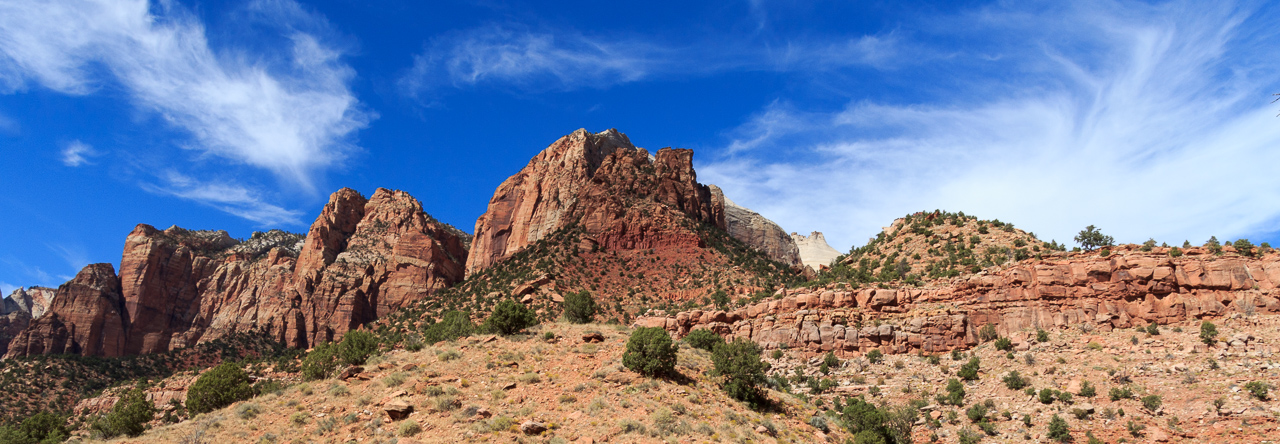
Mogollon Rim (pronounced mōgə-yōn, mo-go-yawn, or muggy-on, depending on your source) is a 200-mile geological formation composed primarily of limestone and sandstone. It runs across Arizona from northern Yavapai County in the west to the New Mexico border in the east and forms the southern edge of the Colorado Plateau in Arizona. Piñon pines, junipers, and ponderosa forests abound on the plateau.
Mogollon Rim
North of Strawberry is Arizona Forest Road (FR) 300, a dirt and gravel road that skirts the Rim for 43.3 miles from State Route 87 to State Route 260. FR 300 intersects with the General Crook Trail, a historic wagon route used in the 1870s and 1880s to provide logistical support for General George Crook in the U.S. Army’s war against the Apaches. Since we started our day too late to drive the entire route, we settled on checking out a few spots on the west end to get a feel for what the road had to offer.
A little bit of fall
Land south of the Mogollon has an elevation between 4,000 and 5,000 feet while the plateau rises to 8,000 feet.
We saw plenty of trees with their tops loped off
The forest is the last place I’d expect to see a typewriter. But there it was as if someone staged it just for me to come take a photo.
This typewriter has seen better days
Another day we drove out to the east end where parts of the rim are visible from the highway without driving on dirt roads. The visitor’s center had already closed for the season so we snapped a few pics and climbed back in the truck.
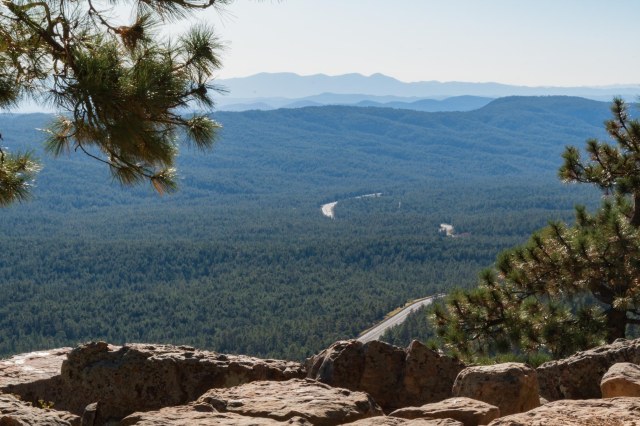
The valley below Mogollon Rim
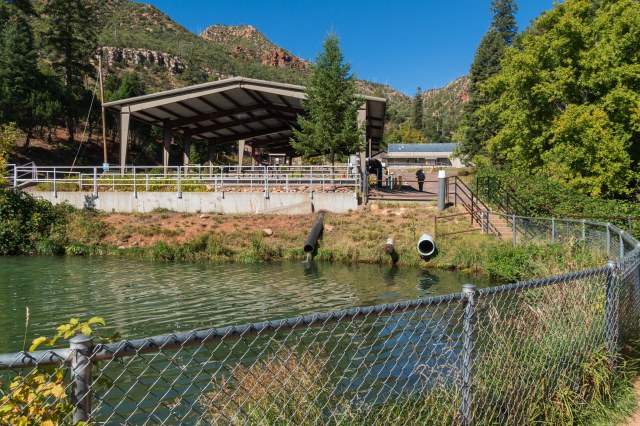
We stopped in at The Tonto Creek State Fish Hatchery located 21 miles east of Payson off Route 260 on Tonto Creek Road. Although the visitor center had already closed for the season, the building was open.
Tonto Creek Fish Hatchery
Displays inside gave information about how the fish eggs are imported from other hatcheries and grown at this facility. The Work Projects Administration (WPA) originally built the hatchery in the early 1930s for the Arizona Game and Fish Department.
I think they need a new life ring
The hatchery’s expertise is hatching and growing trout eggs to three-inch fingerlings and nine-inch catchable fish. Once matured, approximately 165,000 rainbow trout, 400,000 brook and cutthroat trout, and 150,000 Apache trout are stocked in Arizona waters.
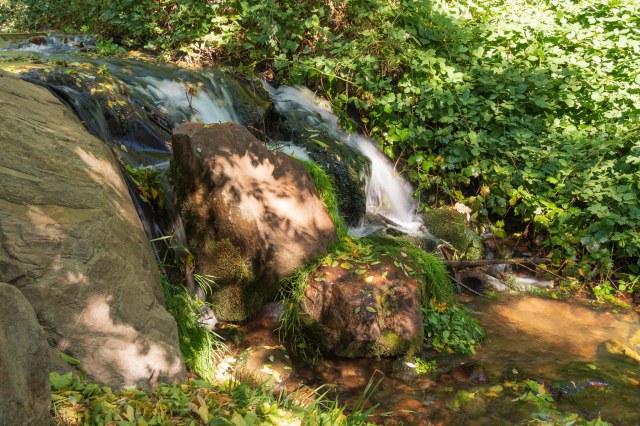
Stream at the watershed
That wraps up our time in Payson, Arizona. For those who can’t take the Phoenix heat in the summer, Payson seems to be a good place to cool off and enjoy the Rim Country great outdoors.
As our time in Payson ended, we turned our focus on Phoenix and visits with family and friends.
We left the nearly 100-degree temperatures in Gila Bend for cooler weather in Payson, Arizona, on October 6, 2019. When our escort led us to the rear of Payson Campground and RV Resort, we cheered. Another week without freeway noise sounded good to us. The dusty roads and campsites surrounded by tall hedges and trees made us feel like we were in a National Forest campground.
Campsite at Payson Campground and RV Resort
Green Valley Park and Lakes
One of the highlights of Payson is the Green Valley Park and Lakes. The 45-acre property is home to the Rim Country Museum, the reproduction of the Zane Grey Cabin, and the Haught Family Cabin. Anglers are welcome to fish the well-stocked lake, sailors with non-gas powered vessels are invited to glide across the calm waters, and bird lovers will enjoy the waterfowl that live in the area or visit during their migration.
Green Valley Park Lake
Walkers, runners, and parents with children in strollers find the 1-mile concrete trail around the large lake and the amphitheater a great place to enjoy a bit of exercise. Children even have access to a playground.
Green Valley Park
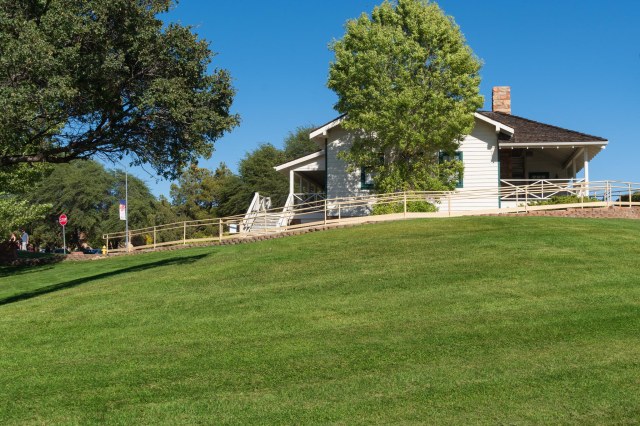
The amphitheater is used for the 4th of July and Memorial Day events, summer concerts, and as we found out during our visit, the Annual Beeline Cruise-In Car Show.
Green Valley Park amphitheater
When we heard about the car show, we didn’t expect much. Cars had arrived from Phoenix and other Arizona locations as well as from neighboring states. Someone made an announcement over the PA system that this year’s event was the largest ever. They had slots for 225 cars but ended up with over 240. Fortunately, the group was able to accommodate everyone who arrived. Jon and I spent about two hours gawking at the classic cars and snapping photos.
If you’re not interested in photos of classic cars, just roll on down the page.
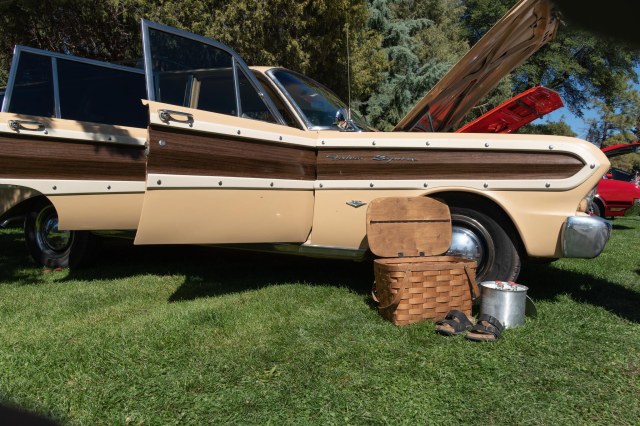
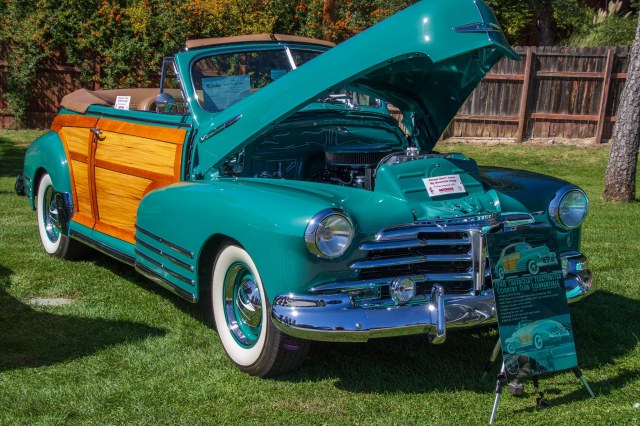
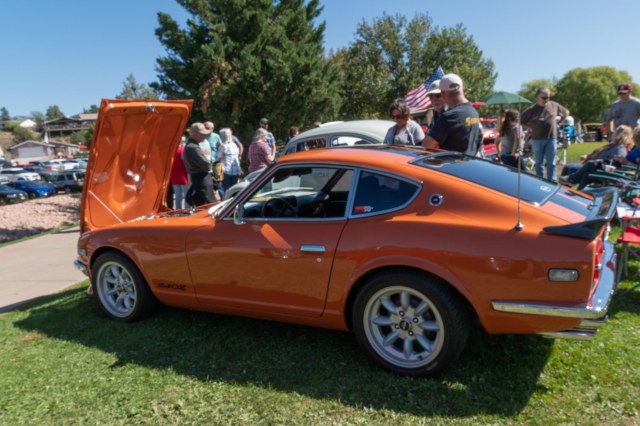
The Halloween RoadsterAh, there’s the boy that made the music play, skulls rattle, and dog bark.Delivery sedanMad Max carChevy Apache stepside pickupFamily picnic time1948 Chevrolet Fleetmaster Country Club ConvertibleAt the CarhopMy first car was a white two-door 1970 Datsun 510 with a black vinyl top. I wanted the butterscotch color, but it wasn’t in stock. Fifteen years later when I could afford the aftermarket paint job it was time for a new car.1980s icon Bob’s Big BoyJon owned a blue 1963 Volkswagen bug with a ragtop moon roof.Payson’s first firetruck. The museum is taking donations for a restoration project.Jon also owned a Metro after he crashed his 1955 ChevyI don’t think this Jeep spends much time 4-wheeling
Taking photos with someone proves that photographers put their own personal spin on their photos. Jon took pics of the cars with their hoods up, showing off the power plant and/or the wheels and tires, while I took pics of quirky autos like the Mad Max, the Halloween Roadster, and Carhop.
Rim Country Museum and Zane Grey Cabin Tours
The Rim Country Museum and Zane Grey Cabin are only viewed through a docent-led tour. Sadly, no photos are allowed inside the museum or cabin, and the museum’s website does not contain any photos. Only people lucky enough to travel to Payson and take the tours get to see the wonderful displays and artifacts inside. It is a small space, and I understand they need to limit how many people enter the museum. However, it would be nice if they shared their images so more people can enjoy the exhibits. Perhaps someday they can record a tour or take photos to post on their website.
The first National Forest Ranger building. Through the door and window are displays of objects used years ago.
The displays included artifacts and stories about ancient civilizations that populated the Rim Country, continued with early settlers, the June 1990 Dude Fire that took the lives of six firefighters and destroyed the original Zane Grey cabin, and a feud deadlier than the Hatfield-McCoy feud. The Pleasant Valley War (also known as Tonto Basin Feud, Tonto Basin War, or Tewksbury-Graham Feud) racked up an estimated death toll of 35 – 50 from 1882-1892, while 13 people died during the Hatfield-McCoy feud. For those interested in learning more, Wikipedia has detailed information on the conflict, and Zane Grey based his novel entitled To The Last Man: A Story of the Pleasant Valley War on the war.
Reproduction of Zane Grey’s Cabin
Through architectural plans, the historical society was able to recreate the Zane Grey hunting cabin. The structure contained one large room that served more like a meeting room than a place to sleep and cook. In fact, there were no facilities for cooking and sleeping. The hunters must have cooked and slept outside in tents.
Zane Grey Cabin replica
The docent-led tour of the Zane Grey Cabin included historical background of the author ‘s life, his time in Rim Country, and his career as an author. Grey’s books line the shelves and his typewriter sits prominently on the desk. Apparently, years after Grey’s death, his wife was cleaning out and giving away belongings. She gifted the typewriter to a young man who worked for her. He kept the typewriter safe for many years until one day he arrived and donated it to the museum.
The Haught Cabin
The Haught cabin is also on the premises at Green Valley Park and Lakes. Imagine living in a 10’ by 18’ dirt-floor cabin without windows with five children and a mother-in-law. That is what Sarah Haught did after she and her husband Henry arrived in the Arizona Territory from Oklahoma in 1897. Territorial settlers sure were hardy folk.
Haught CabinThe cabin is staged inside as if only one person lived there, not eight. Did hammocks hang from the walls?
When the nearby spring dried up, they took apart their little cabin and moved it to Little Green Valley where they settled next. Years later, Henry and Sarah’s daughter continued the family tradition by living in the log cabin with her husband Henry Garrels and their 5 sons. When Larry Hammon acquired the property in 1999, he contacted the Rim Country Museum to see if they were interested in relocating the structure. Again, the cabin was dismantled and then rebuilt where it now stands next to the museum.
Restaurants
While in Payson, one must eat, so we tried out a few local restaurants. We stopped in for lunch at Miss Fitz 260 Café. I had a cheeseburger with potato salad (with bacon, yum), and Jon chose chicken fried steak. We both enjoyed our meals with Arnold Palmers.
We felt privileged that Duza’s Kitchen had room for us at lunch. The comments about Mensur Duzic, the owner and executive chef, and her restaurant in Phoenix were glowing, and previous customers promised a drive to Payson for her food. The turkey, bacon, and avocado sandwich on Asiago bread was delicious.
Duza’s KitchenMensur Duzic is the woman on the left
Fargo’s Steakhouse was the perfect setting for celebrating the one-year anniversary of my surgery and Jon’s pain-free back and recovery from Bell’s Palsy. The menu offered so many choices that they are sure to please everyone’s palate. We enjoyed good food, great service, and best of all, spending our special day together.
Fargo’s Steakhouse has much more than steak
That’s enough for now. Stay tuned for next week’s post when we venture outside the city limits.
Peace and quiet and wide-open spaces are what we needed after the big city sights and sounds of San Diego. Although temperatures approached 100 degrees, Gila Bend KOA seemed like the perfect spot to get away from the ants that invaded our coach and the roar of the freeway outside our bedroom window.
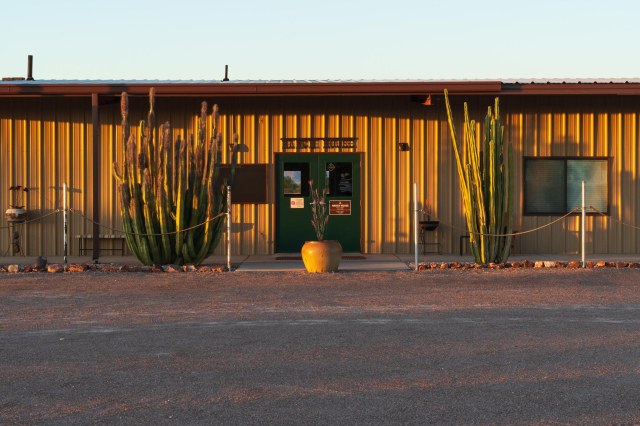
The Ranch House at Gila Bend KOA
We checked in at Gila Bend KOA on October 3, 2019, for a three-night stay. This RV park has been our go-to campground whenever we pass through the Sonoran Desert. Each year we arrive anxious to see what improvements the owner Scott Swanson has made since the previous year. A major street resurfacing project was underway when we arrived, closing off the main road. Our escort led the way along an alternate route to our site. This was the best site we have ever had at this campground.
Our campsite at Gila Bend KOA
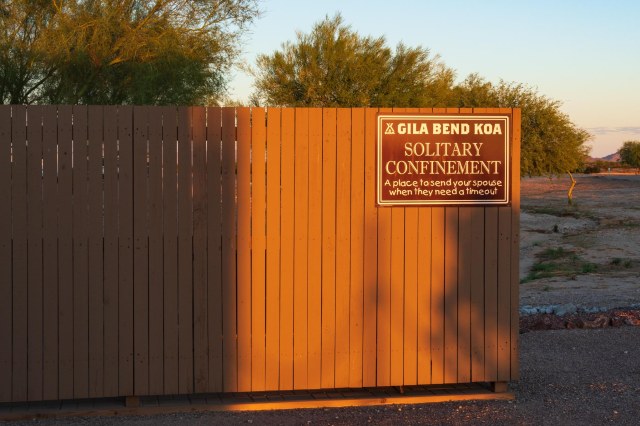
A new gate at the entrance prevents people from entering that do not belong. Unless I missed it during our last visit, the Solitary Confinement shelter was a great addition for folks who want to enjoy a little solitude.
Step right in for your solitary confinement
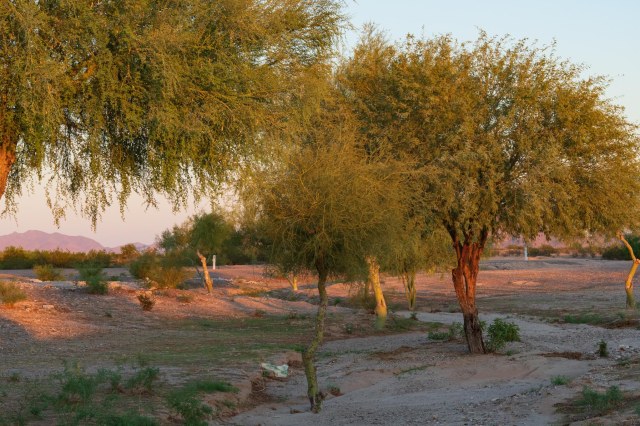
Chairs have been placed inside the two cubicle-like spaces with a view of the usually dry creek lined with palo verde trees. Don’t even think about talking while cocooned in solitary, it’s not allowed. And pets and loved ones must stay at home.
View from the Solitary Confinement
Patio and fireplace behind the Ranch House
Although Gila Bend boasts a Dollar General, Family Dollar, and a Carniceria, for shopping we prefer to drive to Buckeye for our groceries. The Butcher & The Farmer Marketplace had everything we needed under one roof.
The Butcher & The Farmer Marketplace in Buckeye has everything you need
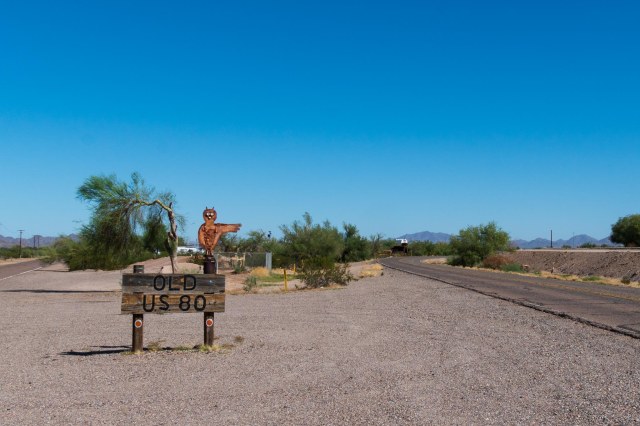
We took Old US 80 to Buckeye, a scenic route that winds through farmland, around lava flows, and past The Co-op Grill.
They went thataway
Operating farms and dairies and smaller ranchettes also lined the road. Dotted here and there were a few properties that appeared abandoned.
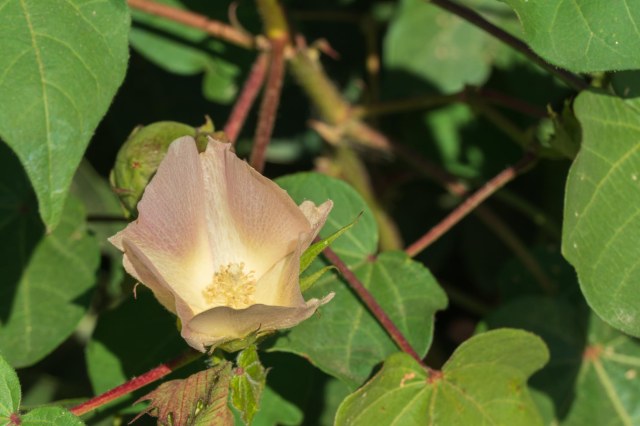
Acres of cotton fieldsA cotton blossom
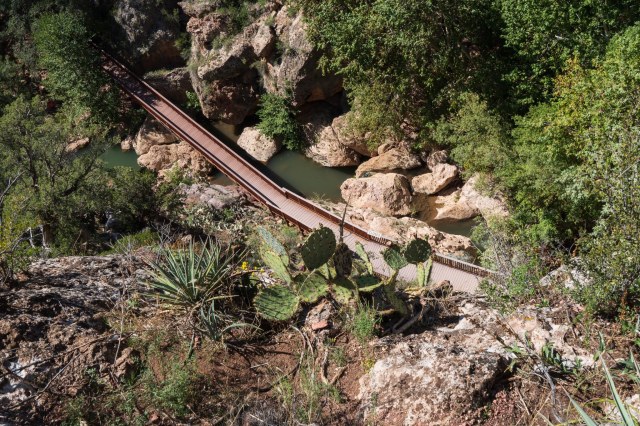
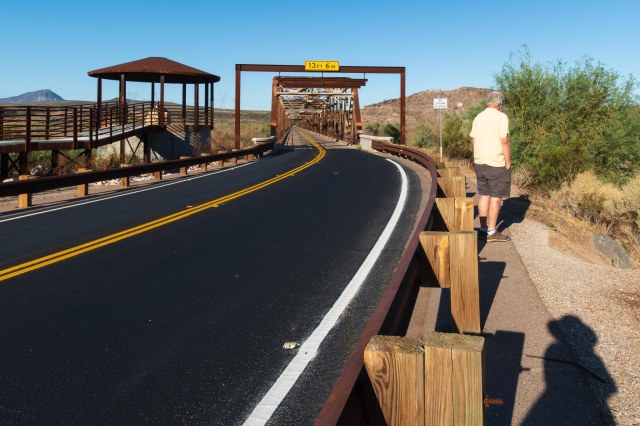
The highlight of the drive is the Historic Gillespie Dam Bridge and Interpretive Plaza. Unfortunately, someone had removed the interpretive part of the plaza leaving only the sign supports. Never fear, Wikipedia to the rescue to fill in the details of the artifact’s history.
The interpretive Plaza lacked information signs
The concrete gravity dam on the Gila River was constructed during the 1920s for irrigation purposes. In 1927, the steel truss bridge opened to traffic and incorporated into the highway system as Route 80.
View of Gillespie Bridge
It carried US 80 traffic until 1956 when the bridge was decommissioned. On May 5, 1981, the bridge earned its spot on the National Register of Historic Places.
The bridge across waters
It carried US 80 traffic until 1956 when the bridge was decommissioned. On May 5, 1981, the bridge earned its spot on the National Register of Historic Places.
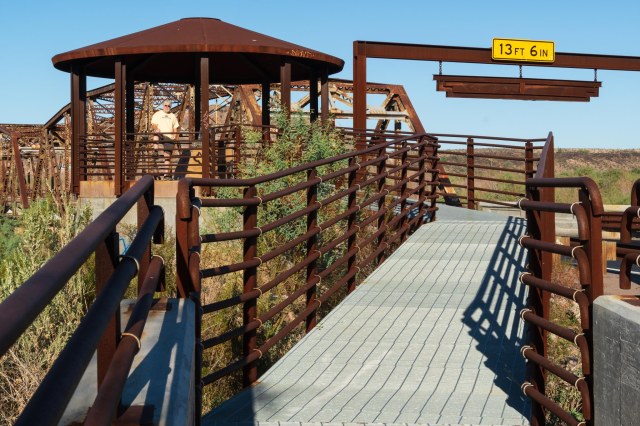
The ramp to the overlook
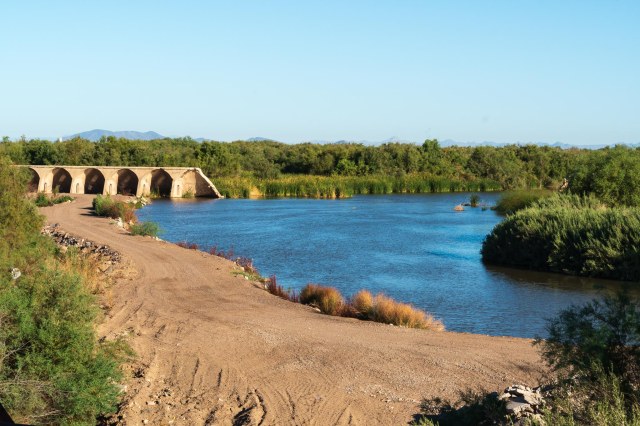
Following extreme rainfall in 1993, a portion of the dam failed, remnants of which can be seen from the road.
Gillespie Dam
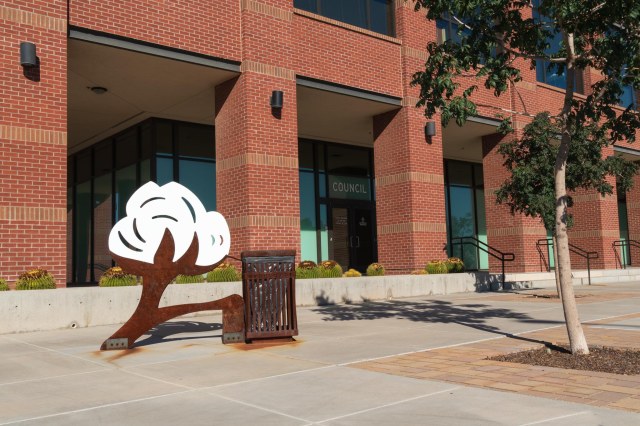
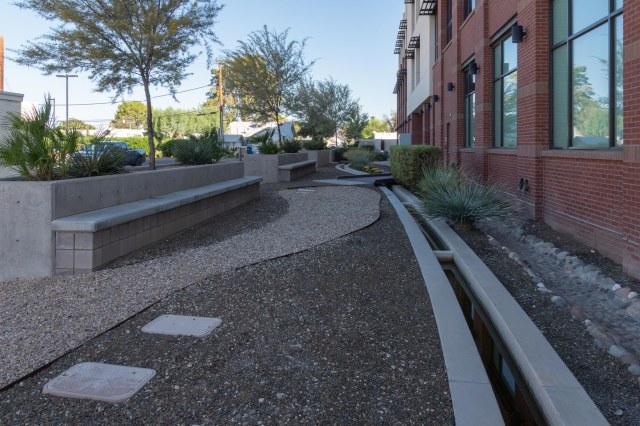
Driving through Buckeye we noticed the school looked like it had been recently renovated. Across the street stood a two- and three-story brick building that housed the city offices and chamber of commerce. It all seemed too fancy for such a small town until I learned the population approached 69,000 people, about 10 times what I thought, and was the fastest-growing town in the US during 2017.
Buckeye city officesAn homage to the cotton industryGarden behind the city offices
Before we left Gila Bend for cooler climes in Payson, Arizona, we drove east on Interstate 8 to see if any progress had been made at Big Horn Station since our visit in February 2018. Our post, dated March 3, 2018, titled Gila Bend and Ajo, Arizona, here provides more detail of the historic property.
Not much improvement happening at Big Horn Station
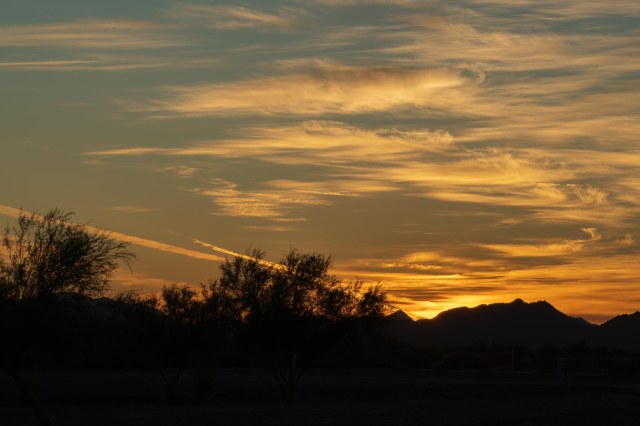
Refreshed from our respite in Gila Bend, it was time to move on. Payson, here we come. But before we go, here is a sunset photo.










































 The Traveling Todds