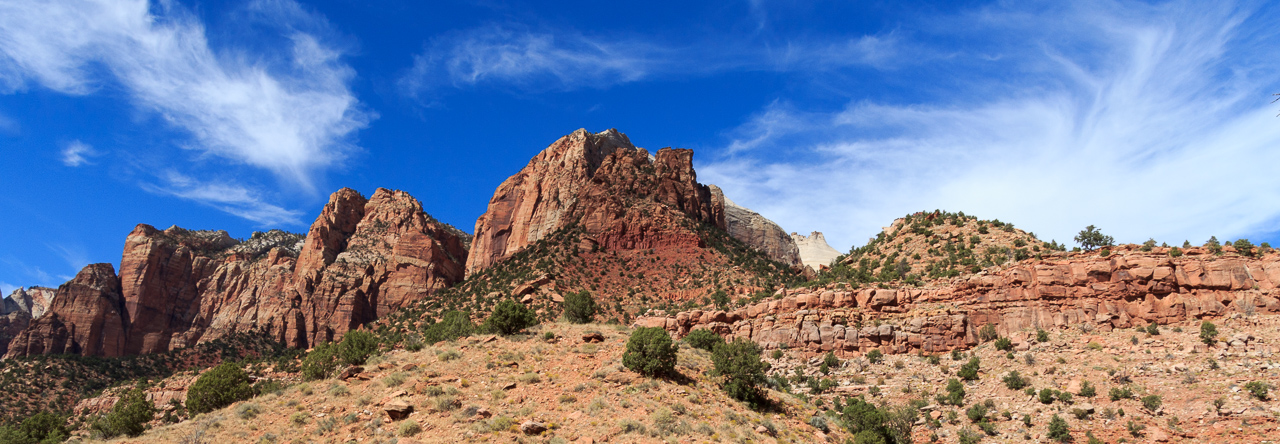
Escaping Smoky Skies in Nevada – Part 1

While in Mammoth Lakes, smoke continued its invasion into the Eastern Sierras making the sky look as bad as when we drove through Yosemite a week earlier. On July 28, 2018, we headed north on Highway 395 toward Carson City, Nevada. A four-night stay at the Silver City RV Resort in Minden would afford us time to clean out the trailer, wash our clothes, restock the pantry and fridge, and plan our route to Colorado.

We gulped the clean air free from wildfire smoke when we got to Bridgeport, only to be disappointed to roll into Minden, Nevada, where a layer of smoke hung over the valley. Each day the foul air from California consolidated with that from a fire north of Reno.
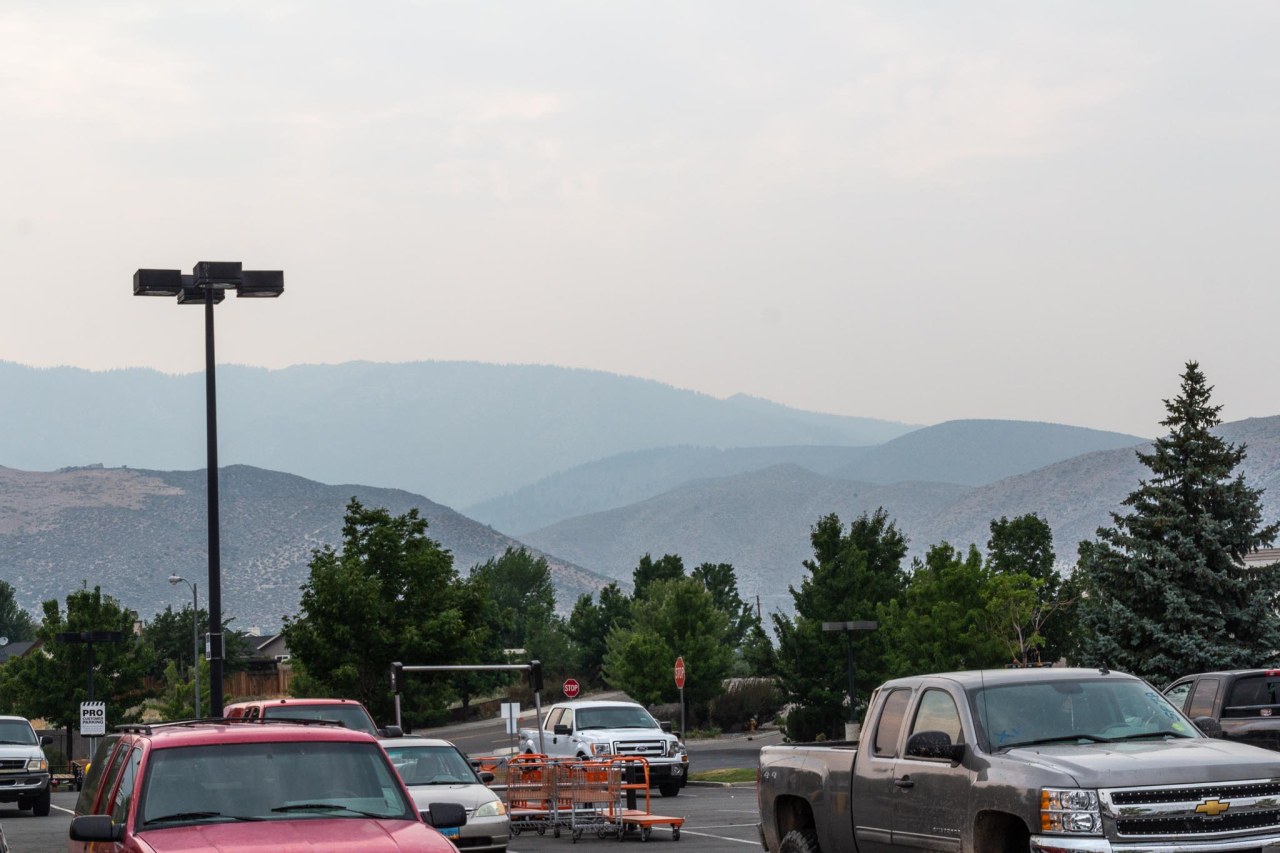
We scrapped our sightseeing plans around Carson City, turned on the AC, and stuck close to the trailer to avoid breathing in the particulates. The highlight of our time in Carson City was seeing Bobby Freeman’s 1959 Rockin’ Piano in the RV Park.
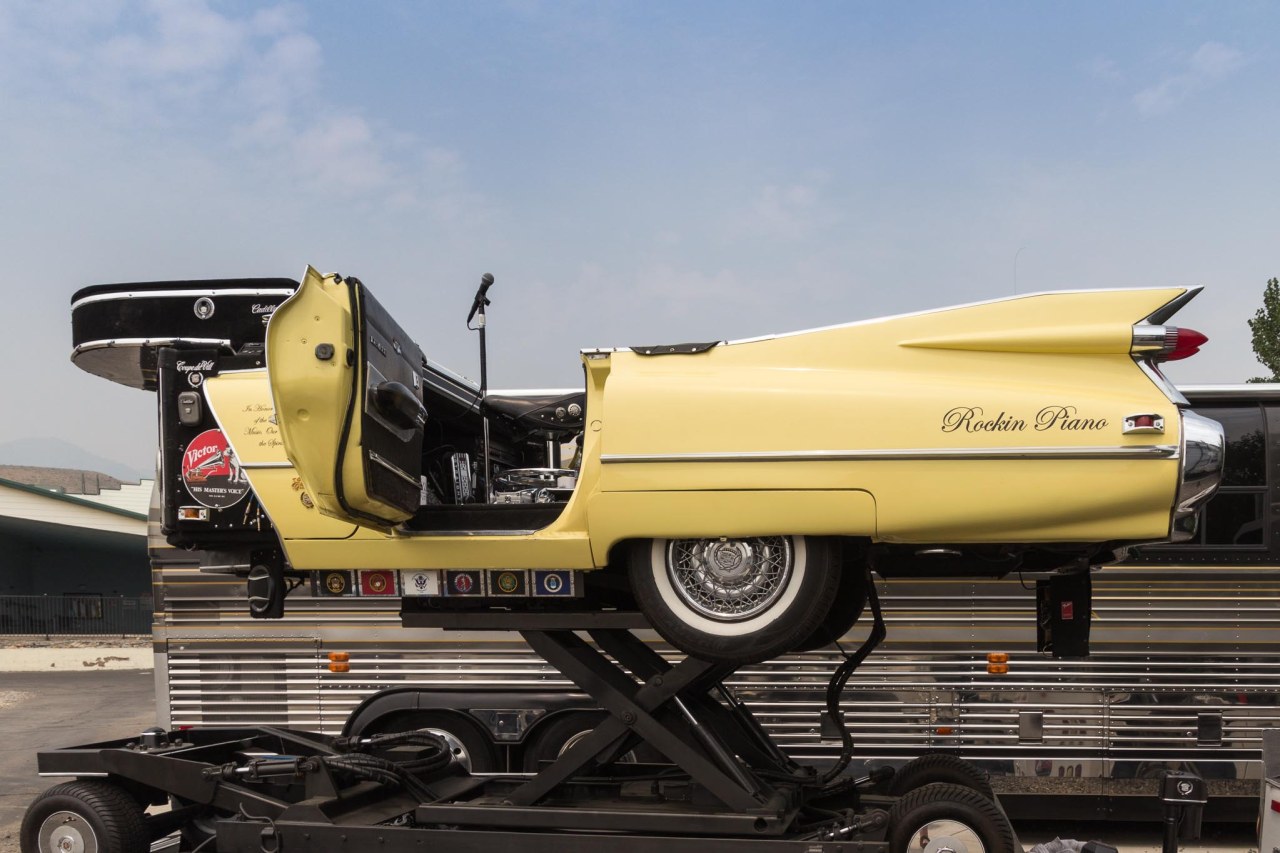
Rockin Piano

The owner turned it on and played a couple tunes for the other RVers in the park. He was on his way to Hot August nights in Reno/Sparks, which is held each year during the early part of August.

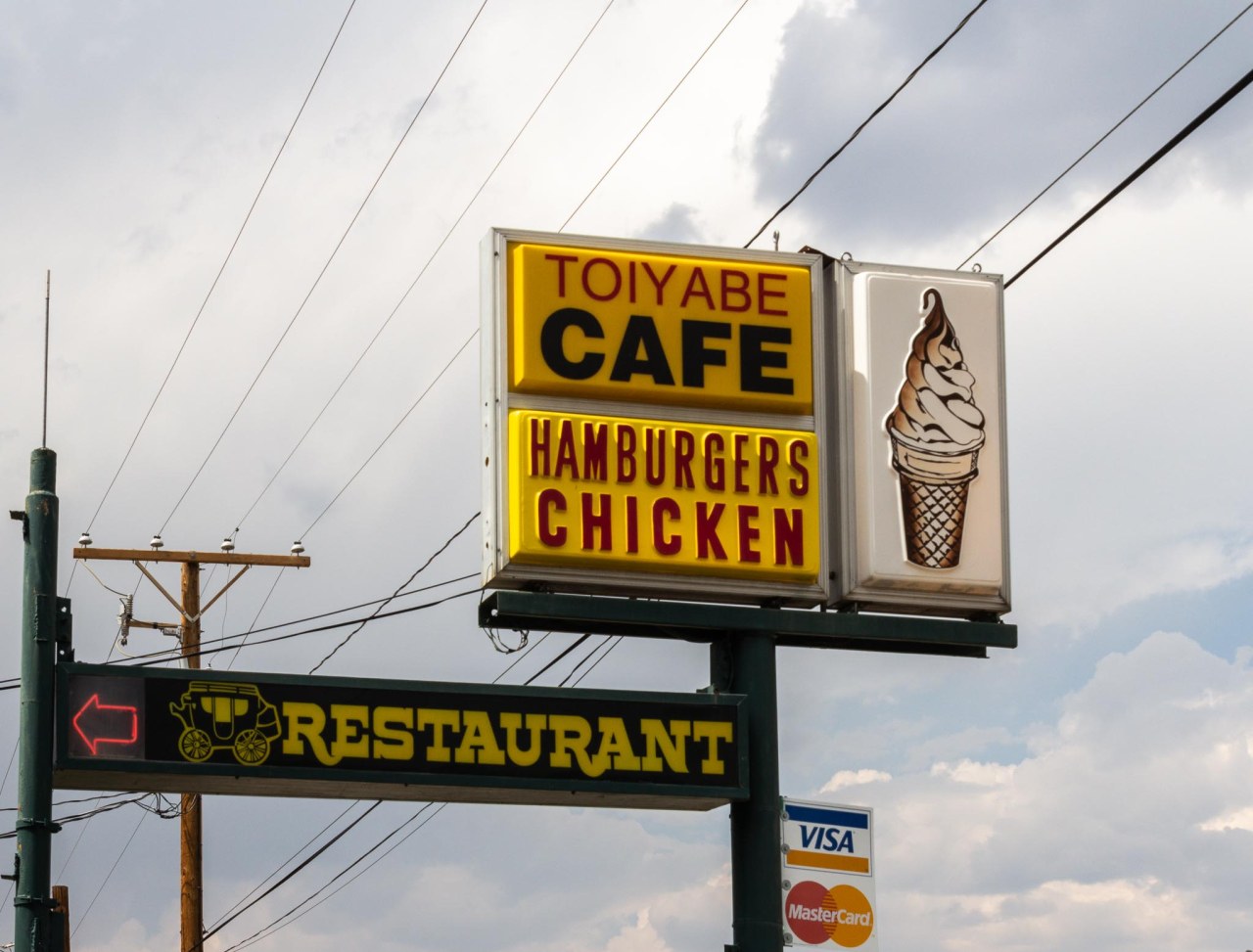
By August 1, the smoke was at its worse as we drove east on Highway 50 toward Ely, Nevada. The smoke finally started to clear a few miles past Fallon allowing us to make out puffy white clouds in the sky. We stopped in at the Toiyabe Café in Austin, Nevada, for lunch where we found space to park and enjoyed a good old-fashioned hamburger and salad.
The weather was cooler in Ely than it was in Minden and much less smoky. Lightening streaked across the sky with very little thunder and no rain. The KOA was a perfect place to stop and explore the area. I loved waking up to the sound of doves cooing and we had a clear view of the goat pen where we could watch the animals play king of the hill while we ate our breakfast.

With air that we could breathe, it was time for some Ely, Nevada, sightseeing.

City of Ely and Renaissance Village

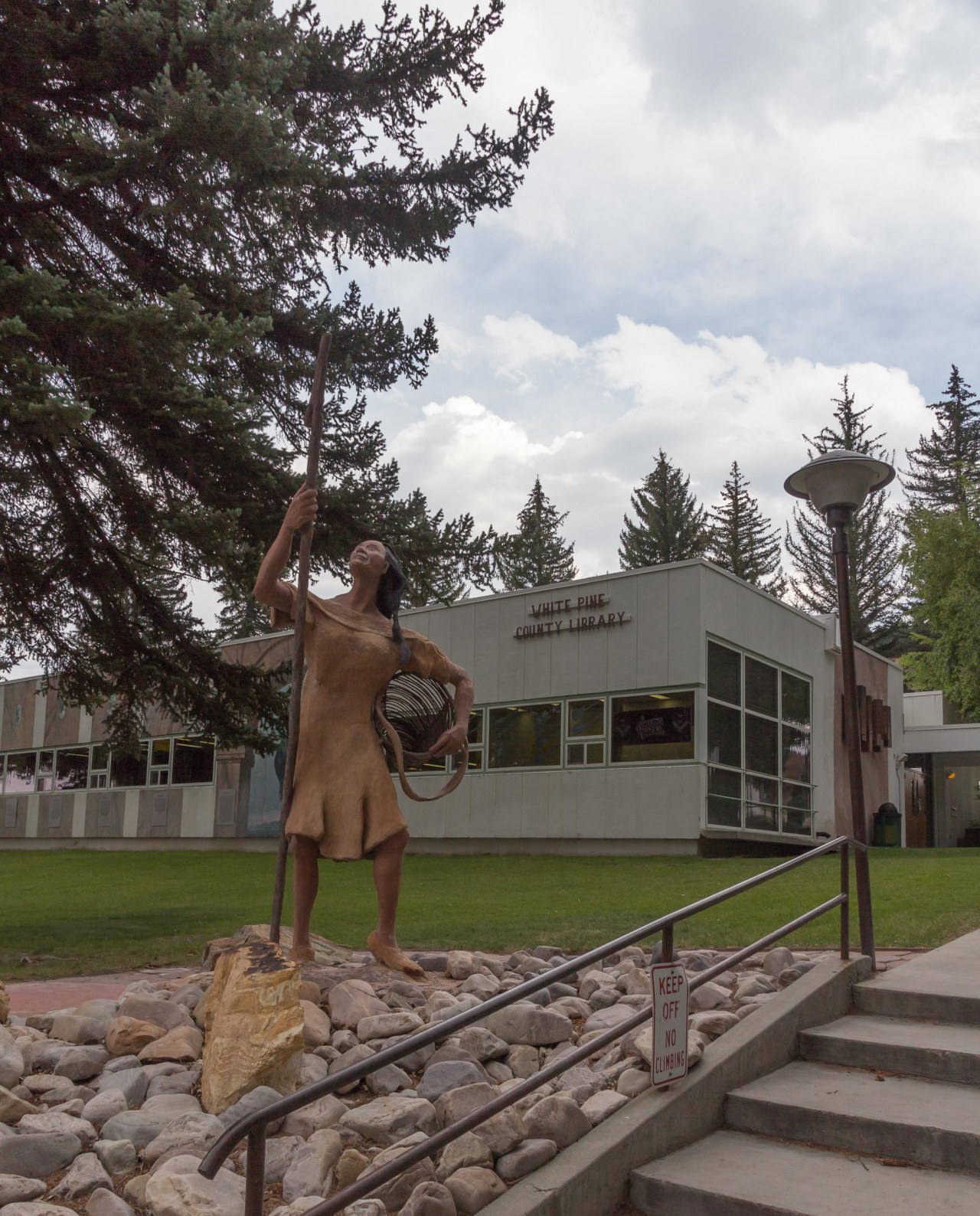
With murals decorating sides of buildings and statues planted out front, visitors get a sense that the City of Ely celebrates the arts. The city also celebrates its heritage with restored historical buildings. The art focus is thanks to the Ely Renaissance Society, which was founded in 1999. They commissioned the murals to depict the history of the city.
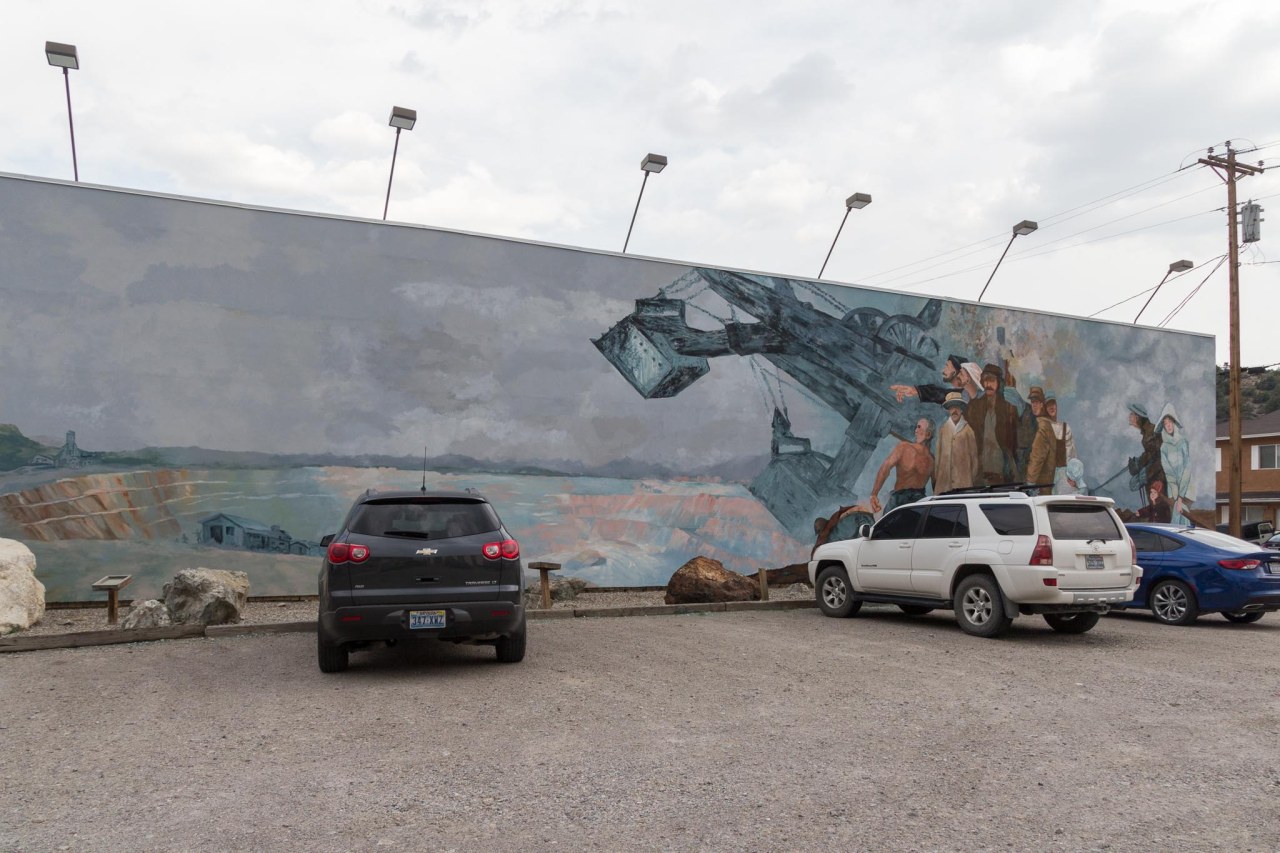
Mining Mural
Train coming to town
Communication past and present
Tsaam Pll Wai Hyunna Yewekante (“Living Well Because of Mother”) by Joe Pachak
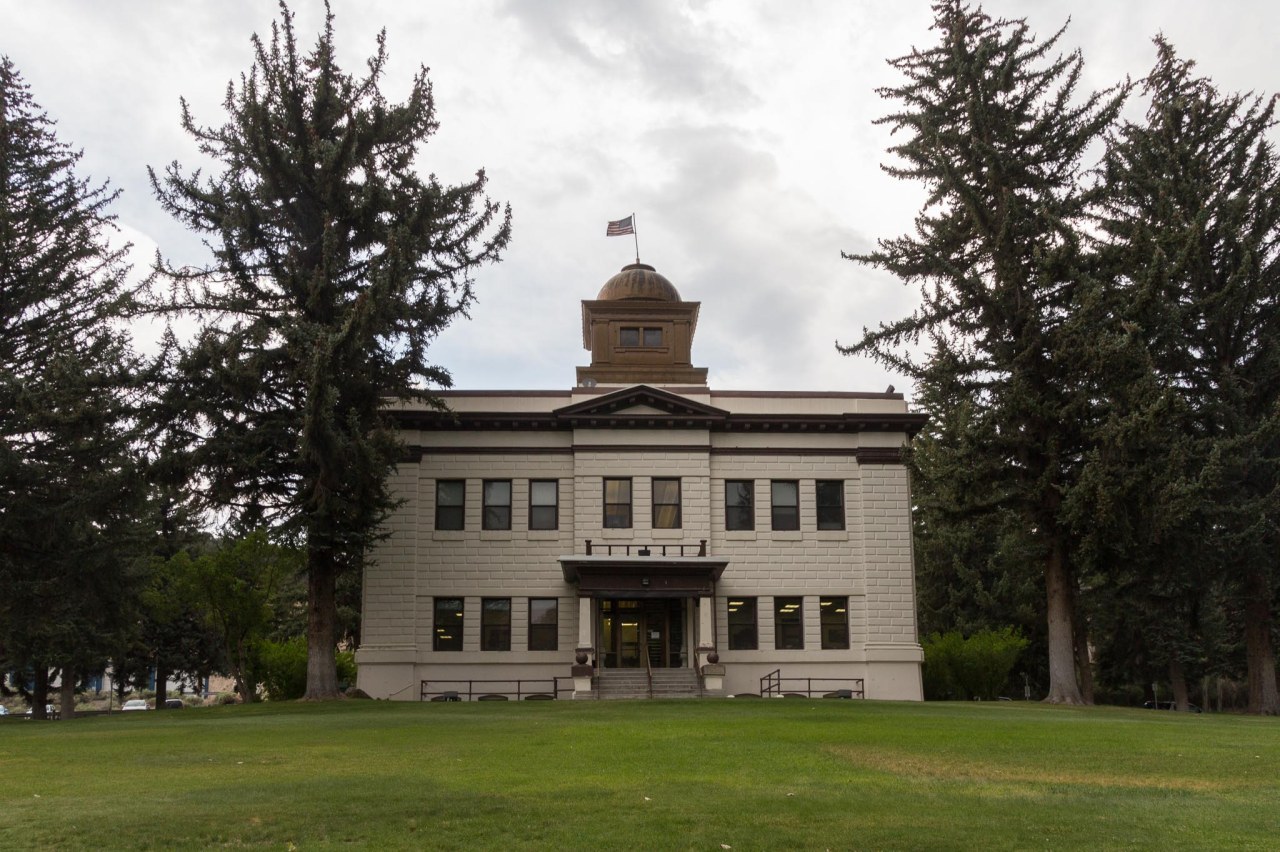
White Pine County Courthouse
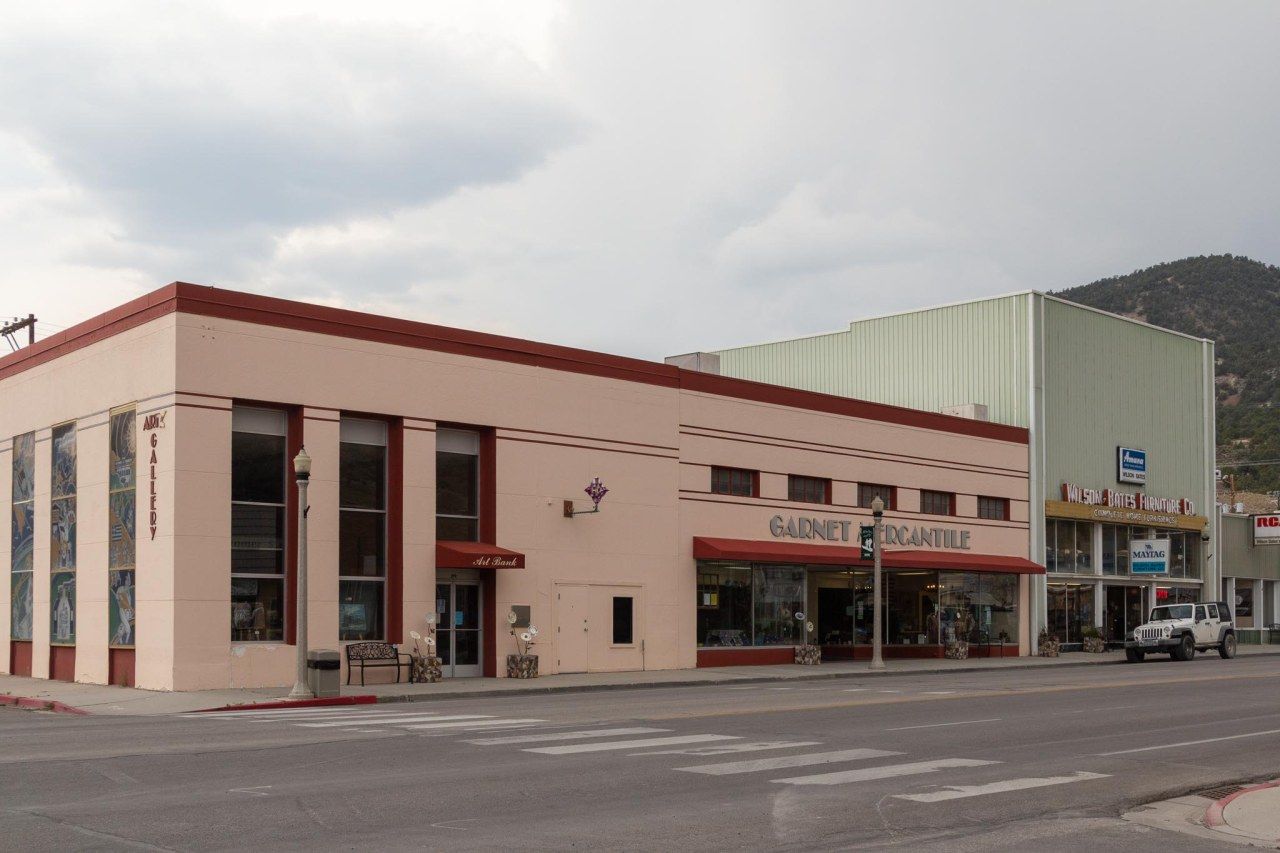
Garnet Mercantile Restored in its 1920 Art Deco style

The group also purchased a piece of property made up of 12 shotgun houses and a barn that we were told once housed brothels. Each of the houses is decorated with a different nationality.

IMG_8776
Village General Store

Living history presentations and re-enactments are held in the village. Although the village was closed on the day we visited, a woman watering the beautiful gardens opened a few of the houses so we could peek inside.

IMG_8763
Shotgun house bathroom
IMG_8764
Shotgun house kitchen
IMG_8765
Shotgun house living room

Not all of the buildings in town have undergone renovations and gambling and bordellos continue to draw people to the city. This is Nevada, after all.

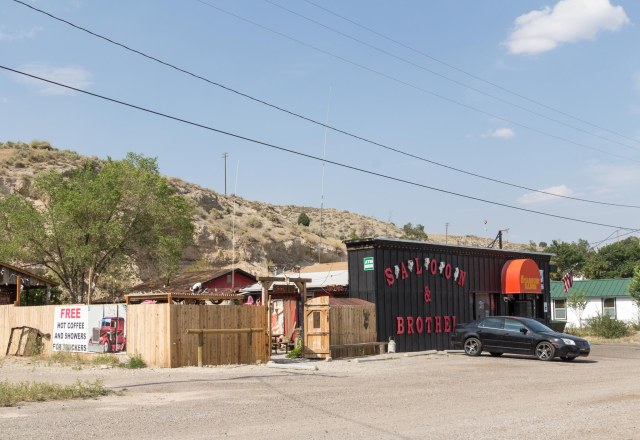
IMG_8760
A little TLC, please
IMG_8758
Local Saloon & Brothel
IMG_8759
Hotel Nevada Gambling Hall

It may not look like Ely, Nevada, has much to offer while driving by. Digging a little deeper, though, we came to embrace the small town charm that brings tourists in to stay awhile and visit. There are no fancy highrises or gourmet restaurants, just good old-fashioned western establishments that bring to mind American history and a slower pace of living.

Next up we continue exploring the area around Ely, Nevada, visiting the Nevada Northern Railway Museum, Cave Lake State Park, the Ward Charcoal Ovens State Historic Park, and Ruth Mining.
Safe Travels
 

Mammoth Lakes Fishing, Fishing, and More Fishing

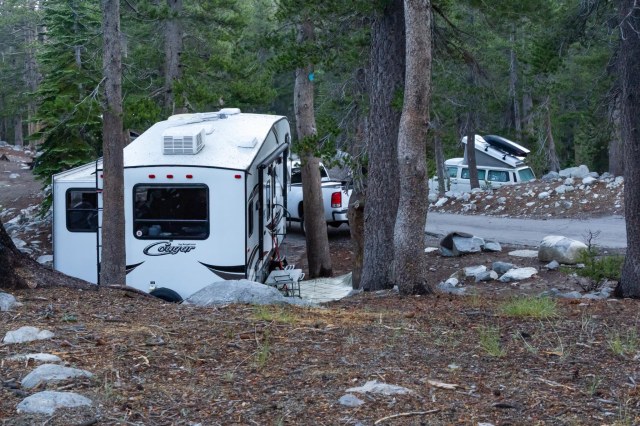
Coldwater Creek Campground in Mammoth Lakes was our next destination on our 2018 Summer Tour. We met our daughter Laura and her family at the campground on Monday, July 23. Laura had procured reservations for two sites across the street from each other, which made it convenient for visiting and sharing meals.

IMG_8491
Coldwater Creek Campground Campsites for the Cougar and Westfalia

There are plenty of things to do in Mammoth Lakes: ride the gondola, hike, horseback ride, bicycle around the lakes, visit Devil’s Postpile National Monument, wander around town, shop, and much more, all of which we have done at one time or another during our many vacations at Mammoth. This trip turned out to be all about fishing.

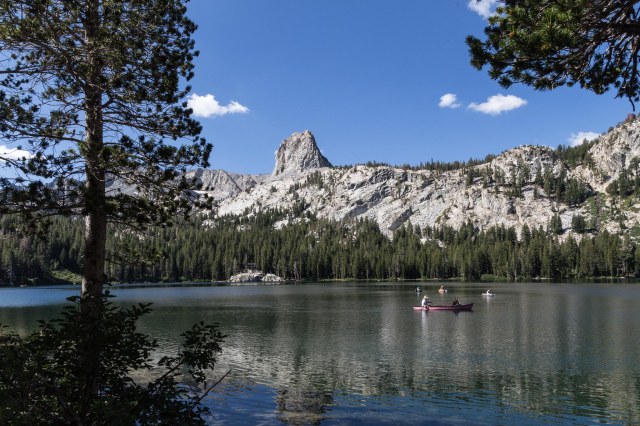
It was time for the grandkids to catch their first fish so off to Lake George with poles, tackle boxes, and a stringer to secure all of the caught fish.

IMG_8495
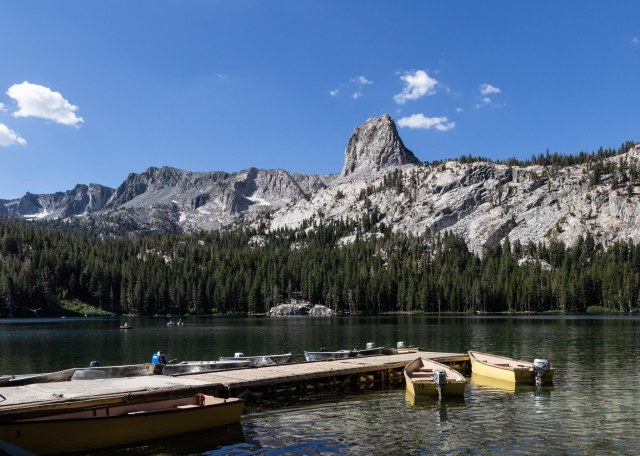
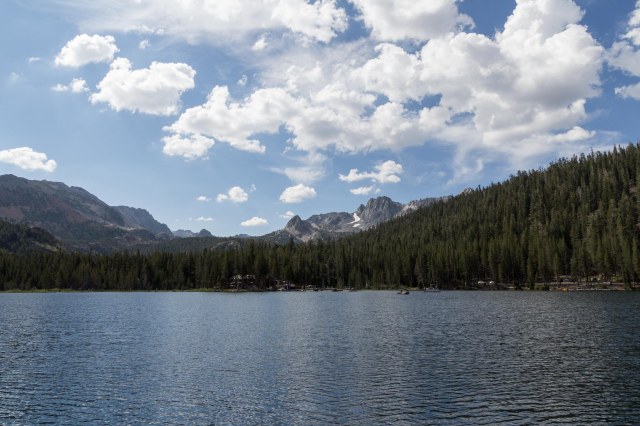
Lake George

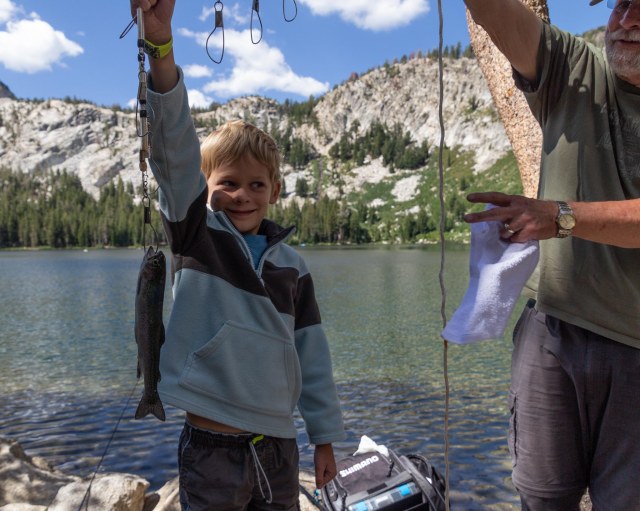
Our grandson Jackson caught the first fish of the day, which was his first fish ever caught. Way to go Jackson!

IMG_8518
Jackson Silvey not only catches his first fish, he catches the most fish for the day

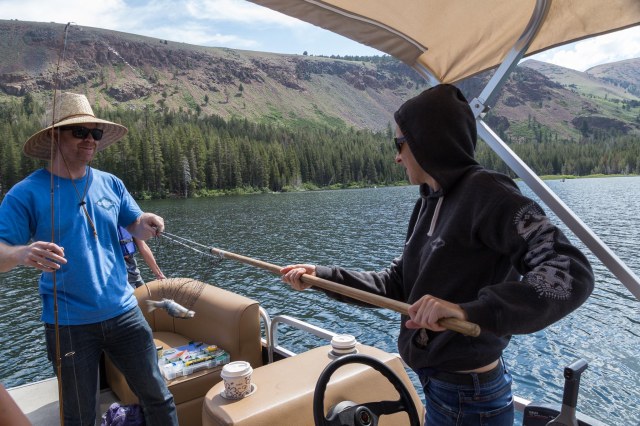
Papa Jon demonstrates the perfect cast while Maya considers his technique.

IMG_8502
Hmmm, was that the right spot?

The hatchery truck showed up, not too far from where the gang was fishing, and dumped out a load of fish to add to the lake.

IMG_8529
More fish to catch

All in all the day was successful. Well, at least for the grandkids. Jackson caught three fish, Maya caught one, and they skunked Jon. That’s okay, though. He had fun showing the kids how to put on the bait, cast the line out, and reel the fish in. Even our daughter Laura and son-in-law Chris helped with the tasks.

IMG_8555
Maya Silvey catches her first fish while Mom and Dad look on

My job was taking photos to document the event and when the action slowed, I sought out other things to photograph.

IMG_8565
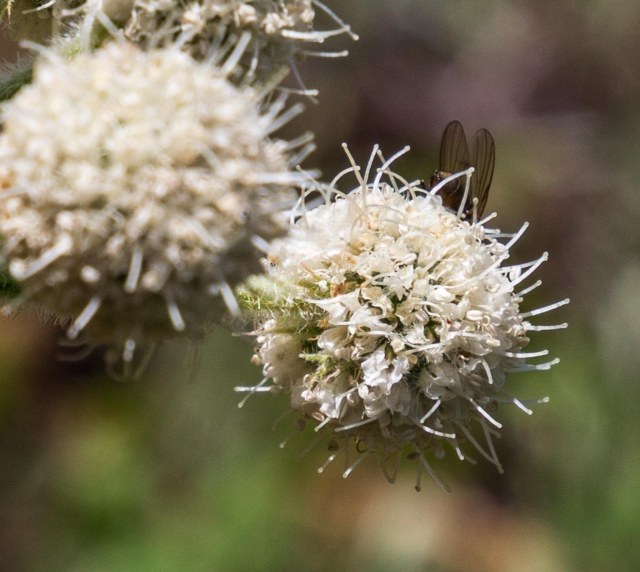
Mountain Whitethorn

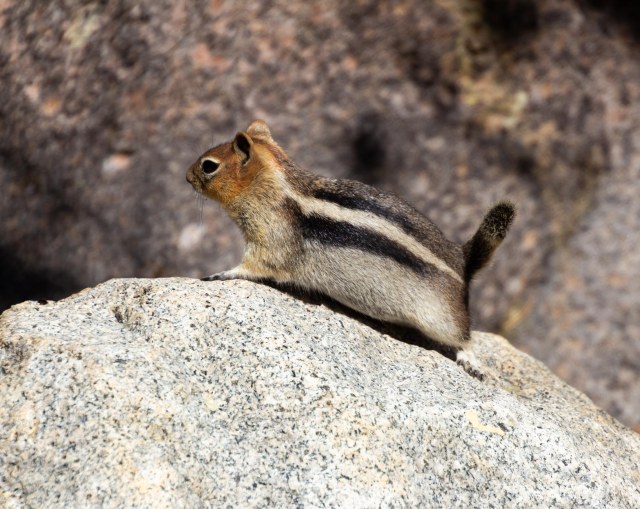
Squirrels and chipmunks can usually be counted on to pose for a photo.

IMG_8508
Chipmunk

The surroundings and the view are also good subjects.

IMG_8498
Lake George

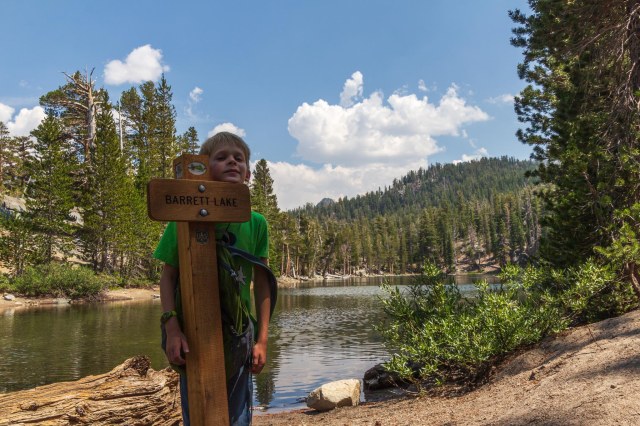
The next day, my daughter Laura, Jackson, and I took a hike up to Lake Barret while we waited for our son Kevin, his girlfriend Bailey, and Bailey’s nephew Patrick to arrive. No fishing included on this day, just a walk through nature. When we returned from our hike, Kevin, Bailey, and Patrick had their tents set up.

IMG_8569
Barrett Lake
IMG_8570
We arrived!

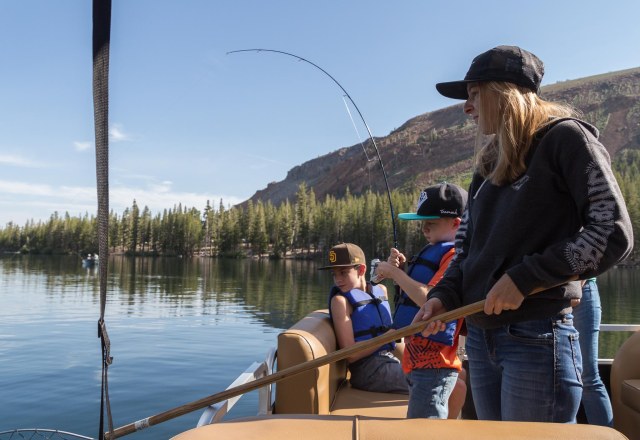
The next morning, we all chipped in on a pontoon boat for a half-day of fishing. It was well worth the investment. Everyone fishing caught at least one fish and Jackson and Kevin competed for the most caught.

IMG_8617
A great day for fishing

A Croman helicopter flew overhead at one point. It must have been on its way to or from one of the fires on the other side of the Sierras.

IMG_8623
Croman Helicopter

One of Kevin’s many fish caught for the day.

IMG_8583
Come to Papa

Brother and sister work together for our dinner.

IMG_8624
Is it too small? Should we put it back in?

Maya and Bailey work together.

IMG_8577
Maya, I’ve got a secret
IMG_8590
Jackson catches another fish

The gang waits patiently for a bite.

IMG_8654
Here, fishy, fishy, fish

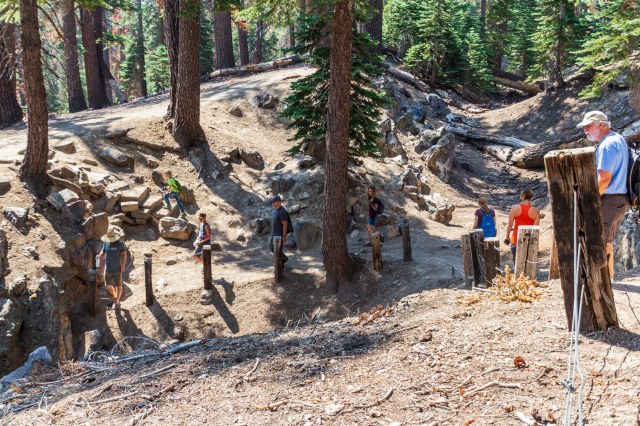
On our last day together as a family, we chose an activity other than fishing, or so we thought. Devils Postpile National Monument won out over a drive to Bodie Ghost Town, no one wanted to sit in a car for an hour drive. We loaded into two vehicles and took off only to find out that we had to ride a shuttle to the monument and no one wanted to wait for the shuttle. Instead, we stopped off at the Earthquake Fault before going to back to our campsites.

IMG_8659
The trail to the fissure

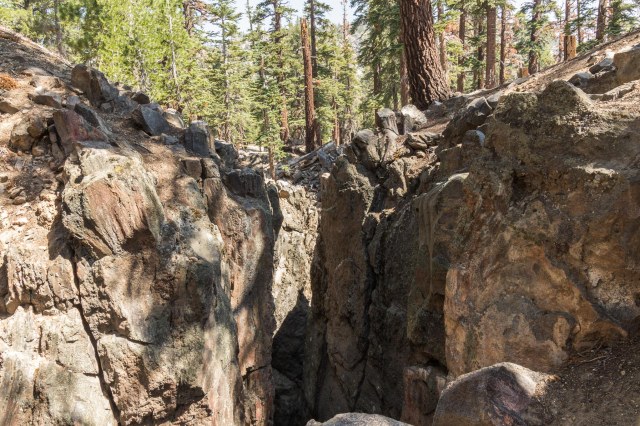
The Earthquake Fault, which is not a fault at all. It is actually a fissure that opened around 550 to 650 years ago when magma pushed its way to the surface.  Although the sides are 6′ to 10′ apart, in places you can see that the sides would fit together like a puzzle. Other areas have experienced erosion and the sides don’t quite match up anymore.

IMG_8660
Fissure

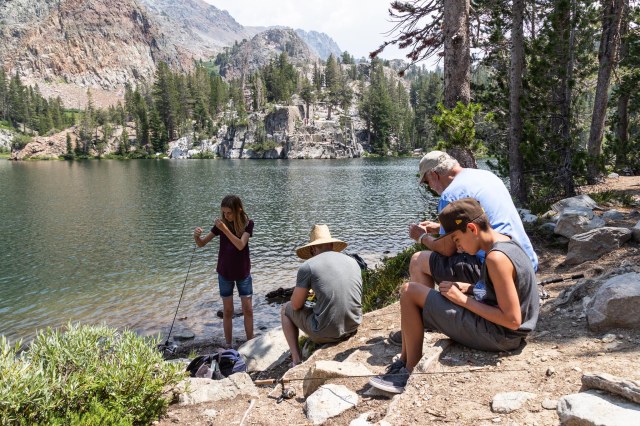
When we got back to camp, everyone agreed that a hike up to Arrowhead Lake for more fishing would be a great way to spend the rest of the day. Jon left his fishing gear back at the trailer and helped out the others when needed.

IMG_8670
Baily works with a lure while Patrick raids her tackle box
IMG_8673
Mom and Dad kick back while Jackson enjoys a snack
IMG_8675
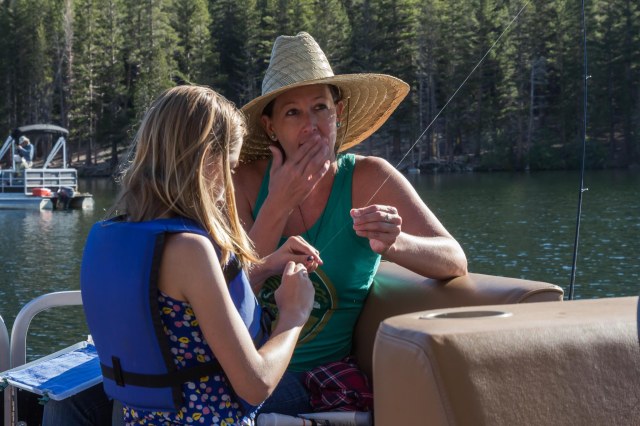
The tedious part of fishing, tying leaders

While the gang fished, I wandered around the lake catching the cliff jumpers in action and finding remnants of wildflowers.

IMG_8682
Cliff jumpers
IMG_8677
Spent purple wildflower

Camping with our kids again brought back so many memories of the vacations we spent in the Eastern Sierras and we had plenty of fun camping with them again. Seeing the smiles of the grandkid’s faces when they caught a fish was priceless and watching Maya cast a line as if she’s been doing it for years made me so proud of her. I’m hoping we can all find the time to have more camping adventures in our future.

On Saturday, July 28, we said our goodbyes and went our separate ways. While our kids headed to their respective homes, Jon and I turned north to Carson City, Nevada, for a few days to clean the trailer, wash clothes, and relaxation, then a stop in Ely, Nevada, as we worked our way to Colorado.

Safe Travels

Summer 2018 Tour – Mono Lake

We headed out on the road again a month after our Alaskan Cruise. With the truck and trailer in tiptop shape after regular maintenance, we had the State of Colorado in our sights. Before leaving California, though, we headed up to June Lake, California, on July 21 for altitude acclimation before meeting our family at Mammoth Lakes for a week.

It was sad to see that smoke from the Ferguson Fire, which had started on July 13, had filled Yosemite and surrounding areas. Smoke followed us through Yosemite on CA-120 until we transitioned onto US-395 toward June Lake where blue skies and cottony clouds prevailed.

IMG_2190
View from Vista Rim of the World Overlook on CA-120

Although we took it easy while in June Lake, we did manage a trip to Mono Lake Tufa State Natural Reserve. A few years ago, we had visited the south side of Mono Lake taking the trail to the tufas. This trip we stopped in at the visitor’s center, too.

IMG_8437
Mono Basin Visitor Center

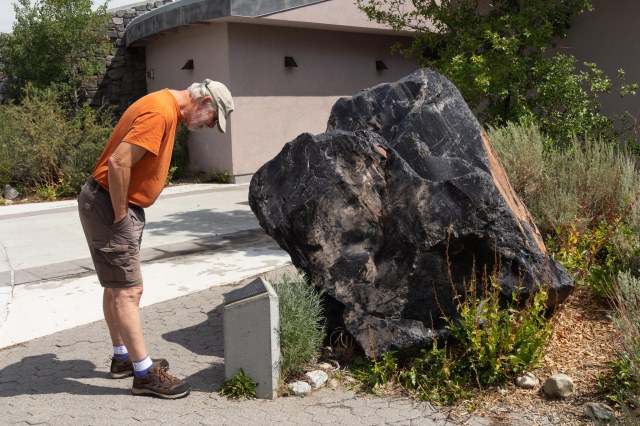
Outdoors is a display of huge boulders of the types of rocks that are found in the area ranging from obsidian to granite and a trail around the center with information signs pointing out the views and discussing the types of birds that visit each year during their migration.

IMG_8438
JT takes a look at the obsidian boulder

Inside, we watched a movie on Mono Basin, which summarized the history of Mono Lake from the Paiutes to Los Angeles stealing water in 1941 and ruining the ecological environment.

Mono Lake, one of the oldest lakes in North America, is estimated to be at least 760,000 years old. With no outlet, minerals carried into the lake by streams and evaporation of fresh water has created a lake that is 2.5 times saltier than the ocean with an alkaline content of 100 times more. No fish can survive in the lake but brine shrimp and alkali flies thrive in the sodium chloride and baking soda enriched water, providing food for migratory birds.

IMG_8480
California Gull

The efficient food chain in Mono Lake is the key to keeping the migratory birds healthy for their long trek. Bacteria break down decaying matter providing nutrients for algae. Trillions of brine shrimp, along with the alkali flies, eat the algae. Then the millions of birds that stop at Mono Lake during their migration, eat the shrimp and flies.

Designated as an International Reserve in the Western Hemisphere Shorebird Reserve Network, thirty-five species of shorebirds, totaling nearly 2 million water birds, stop along their migration route. Each year, 44,000 to 65,000 California Gulls fly into Mono Lake to breed on the islands. Unfortunately, after a couple of days, smoke had pushed its way over the Sierra Nevada Mountain Range, shrouding the islands in a haze.

IMG_8441
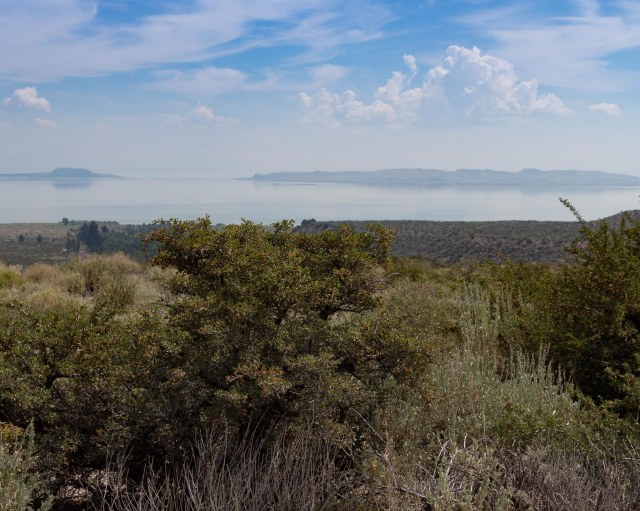
Negrit and Paoha Islands

The larger island, Paoha, formed about 300 years ago when magma rose underneath the lake and pushed sediments above the water level. Volcanic eruptions occurring between 300 and 1,700 years ago, formed Negit, the smaller island on the left.

On the south side of the lake, a trail leads to the tufas. Along the way are signs that indicate the level of the lake at certain points in time and one sign shows where the water’s edge will be once the level of the lake reaches its mandated 6,392 feet, the elevation in 1963. Some of the tufas may no longer be visible when the lake achieves its goal.

IMG_8448
Trail to tufas

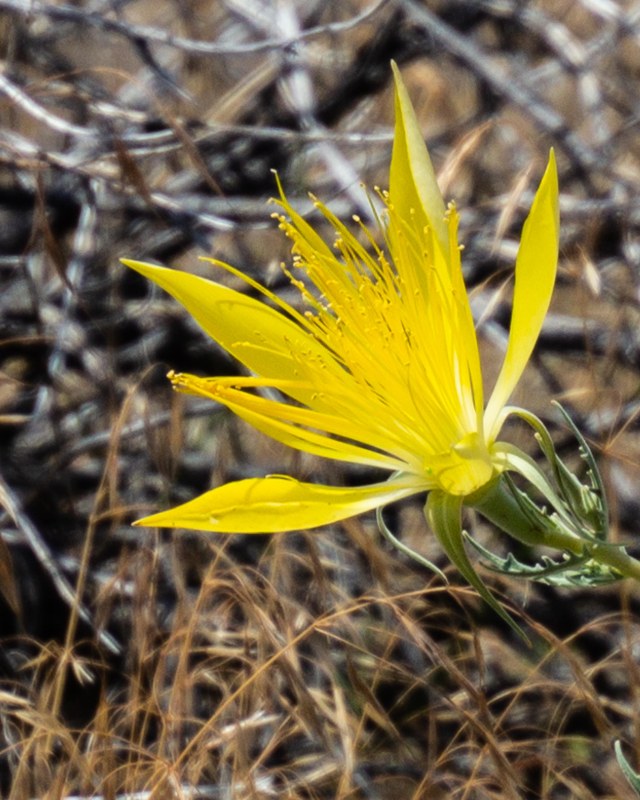
A few wildflowers lined the sides of the trail in addition to the tall grasses.

IMG_8449
Blazing Star

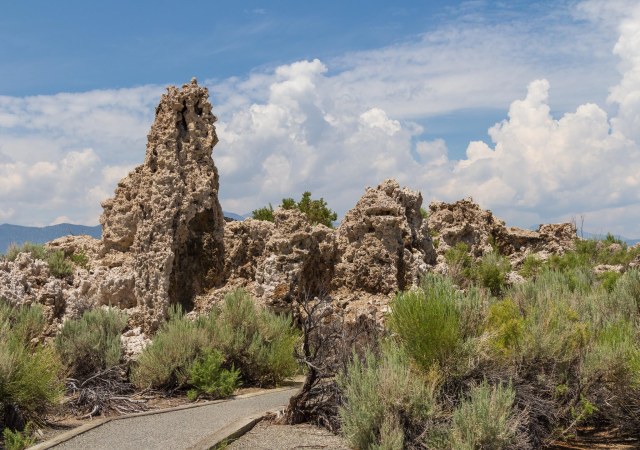
Up close the tufas look pretty gnarly. I wouldn’t want to get scraped by one.

IMG_8453
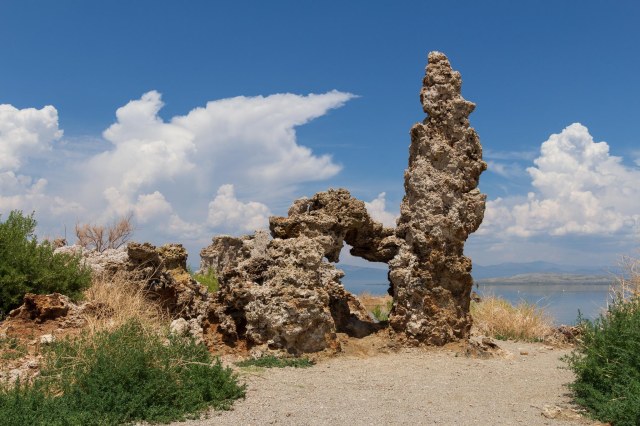
Tufa formations

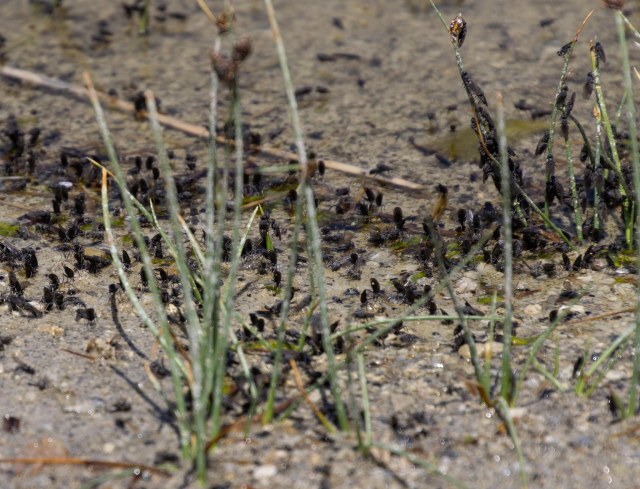
Those black spots in the photo below are the alkaline underwater flies. The flies were a delicacy for Native Americans who also traded the food with other tribes. The many birds that fly in during their migration also feed on the flies. When I heard there might be flies I wasn’t sure I wanted to go to the water’s edge. I had nothing to worry about. As people walked by the pools, the flies would hover above the water for a few seconds before settling back underwater. They had no intention of bothering us humans.

IMG_8458
Alkaline underwater flies

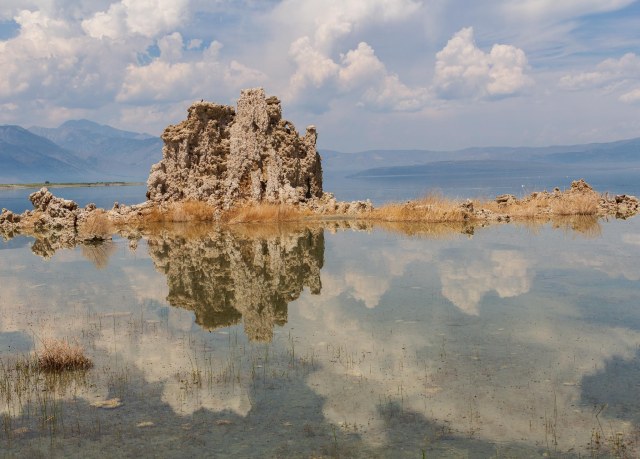
The tufas come in all shapes and sizes. Freshwater springs bubbled up through the carbonate-rich lake water to form the tufa shapes under water. They are composed of calcium carbonate, a whitish limestone deposit that forms the basis of the tufa formations. In 1941 Los Angeles diverted the streams that entered Mono Lake causing the lake to decrease in size revealing the tufas.

IMG_8460
Strange tufa formations

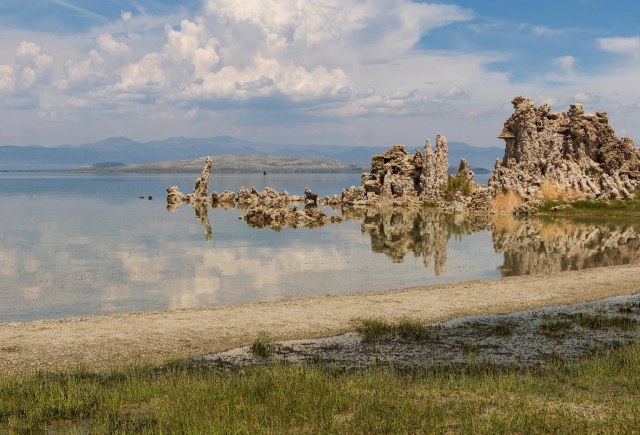
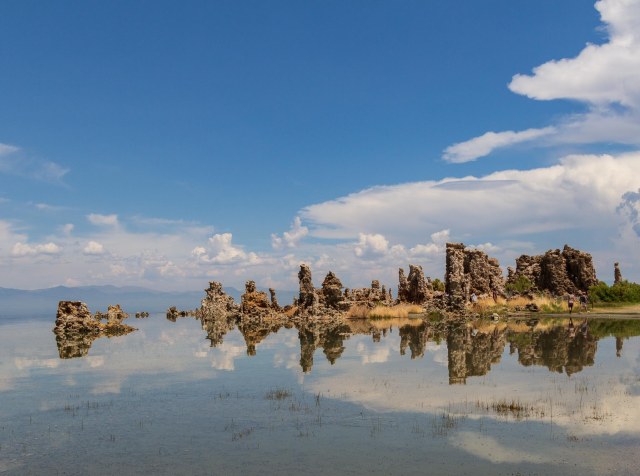
The hazy cloudy skies made conditions perfect for picking up mirror images on the smooth-as-glass water surface. I could have sat for hours watching how the light changed across the surface of the water and played with the tufas. I couldn’t pick just one, so here are four.

IMG_8457
Reflections 1
IMG_8461
Reflections 2
IMG_8462
Reflections 3
IMG_8468
Reflections 4 – Can you find the peregrine falcon’s nest at the top of one of the columns?

While traveling along US-395 each year on vacation during the 1980s, we watched Mono Lake decrease in size and wondered about the white formations that stood like sentries at the south end of the lake. In 1982, the lake was only 69 percent of its 1941 surface area, and by 1990 it had lost 50 percent of its volume. While the tufas are interesting to look at and photograph, I’m glad to see the lake recover and continue as a stopover for migratory birds and a breeding ground for the California gulls.

What would have happened had universities not performed studies to sound the alarm that LA’s diversion of the streams had caused significant ecological damage? Where would all of the migratory birds have gone? It took over a decade of litigation for the California State Water Resources Control Board to issue an order to protect Mono Lake and its tributary streams on September 28, 1994. A lake level of 6,392 feet above sea level is the goal for restoring the lake. On August 1, 2018, the lake’s level was 6,382.1 feet according to Monolake.org.

Safe Travels
Victoria, B.C.

Day 9 of our Alaskan Cruise, found us docked at Victoria, B.C.

IMG_8400
Good morning Victoria, B.C.

We had visited Victoria twice before taking a bus to Butchart Gardens, roaming around Beacon Hill Park, falling in love with Craigdarroch Castle, and touring the British Columbia Parliament Buildings. A stroll through the downtown area was also fun as we walked in and out of the stores and read the menus outside of the restaurants, but this trip there was no time to take in these activities.

With limited time ashore during this visit, we stuck close to the ship. A one-mile walk took us to the Empress Hotel where we had earlier made reservations for tea through Open Table. Our sightseeing in Victoria consisted only of our walk from and to the ship along the harbor.

The Johnson Street Bridge opened on March 31, 2018. The single-leaf bascule (moveable) bridge is the fourth bridge crossing the span.

IMG_8382
Johnson Street Bridge

The Friendship Bell, located in Centennial Park at the corner of Belleville Street and Pendray, was gifted to the city by Morioka, Japan, on May 19, 2015. The bell marks the 30th anniversary of the cities of Victoria and Morioka, Japan, becoming twin cities.

IMG_8383
Friendship Bell

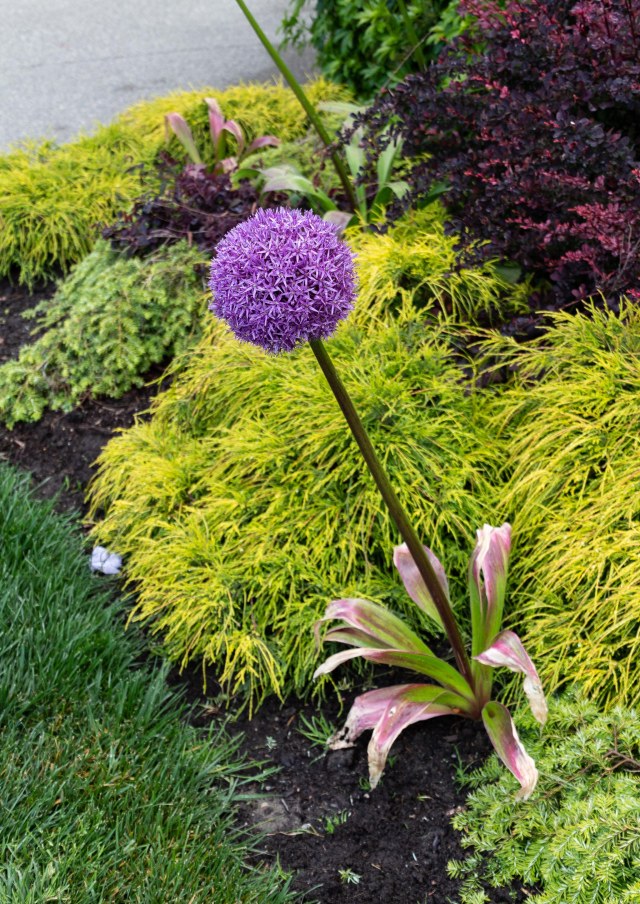
We might not have been able to get to Butchart Gardens, but there were plenty of colorful plants and flowers along our walk.

IMG_8384
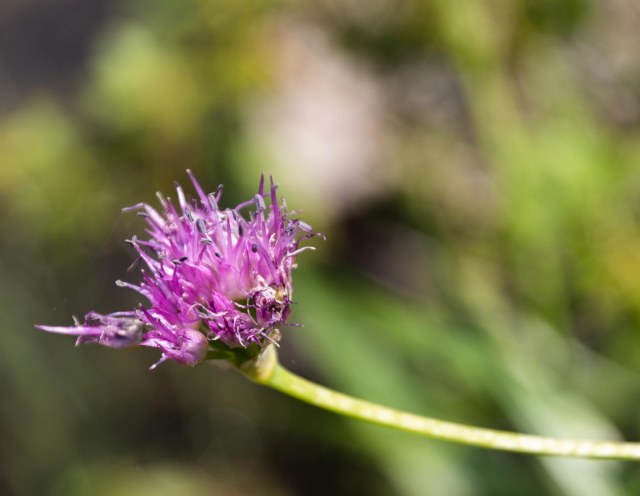
Allium

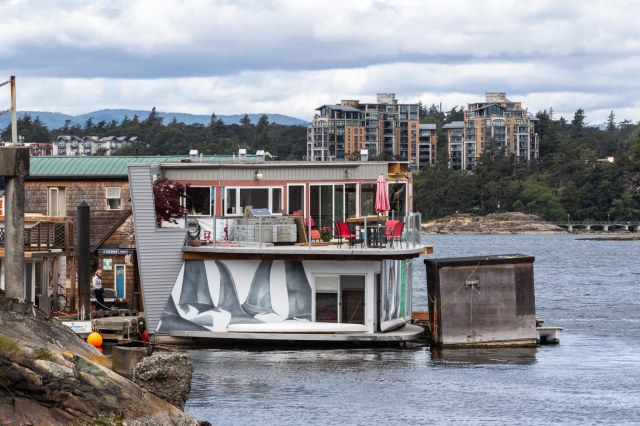
We also walked past Fisherman’s Wharf, a colorful collection consisting of a fishing fleet, live-aboards, float home dwellers, and transient vessels along with commercial operators.
IMG_8398
Fisherman’s Wharf

We arrived early for our reservation so we hung out in the hotel’s lobby. Jon read while waiting.

IMG_8396
Jon busy reading

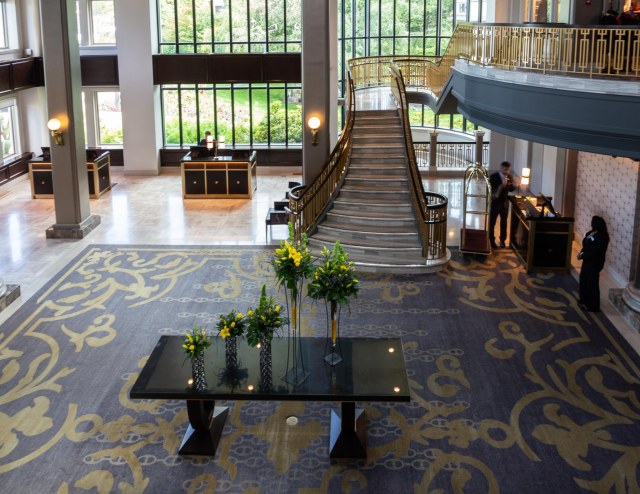
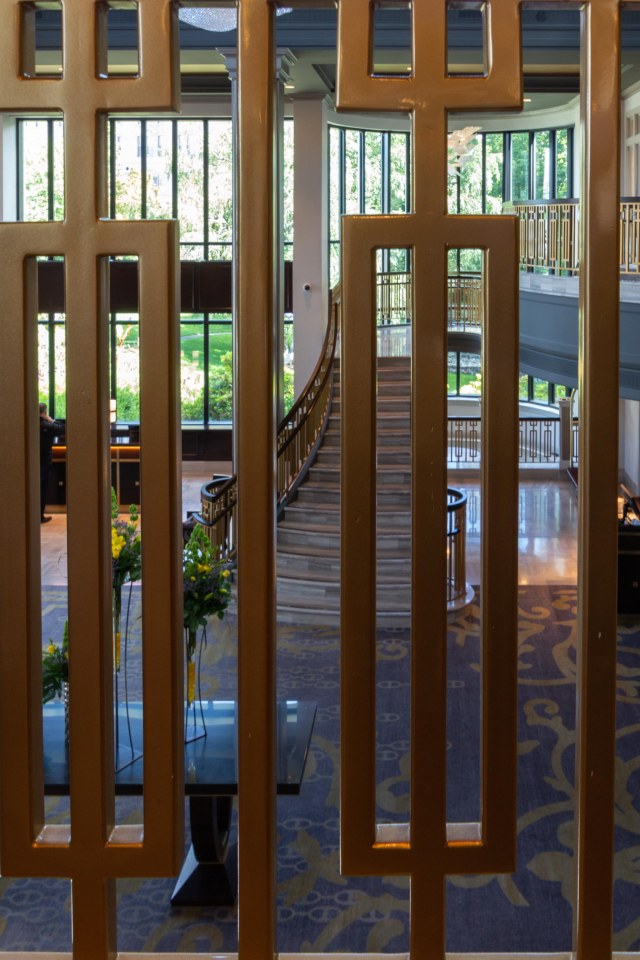
I, on the other hand, picked up the camera and gawked at the architecture, the stairs, the windows, and a view of the Parliament building.

IMG_8386
Empress Hotel Lobby
IMG_8394
Lobby through the railing
IMG_8387
Hallway to hotel and restaurant
IMG_8390
View of the Parliament building from the Empress Hotel

By the time we settled into our seats for tea, I was so immersed in the quiet atmosphere that I forgot to take photos. A piano playing in the background, white tablecloth and napkins, and an attentive server combined to set a pleasant mood. It was an expensive treat, especially since we upgraded to the rose champagne, but oh so worth it when the three-tier tray piled with mini pancakes topped with cream cheese and smoked salmon, scones, and other treats arrived.

Back on board we went up on the Lido deck and watched the horizon of Victoria B.C. fade away.

Victoria, B.C., skyline

As we neared the open sea, the pilot boat pulled alongside to pick up the pilot that had steered the ship through the channel.

Pilot boat

We kept busy during our last day at sea. There was a presentation by the head chef, with assistance from a couple of his sous chefs, and the head maitre d’ on stage where we learned about how they made the food for all the passengers and crew members. Afterward, they took us behind the scenes into the galley that seemed to go on for a mile. The tour ended with the chef and maitre d’ signed copies of the Princess Cookbook. Ongoing was the end of cruise sale where passengers (including us) picked through tables piled with clothing and other goodies.

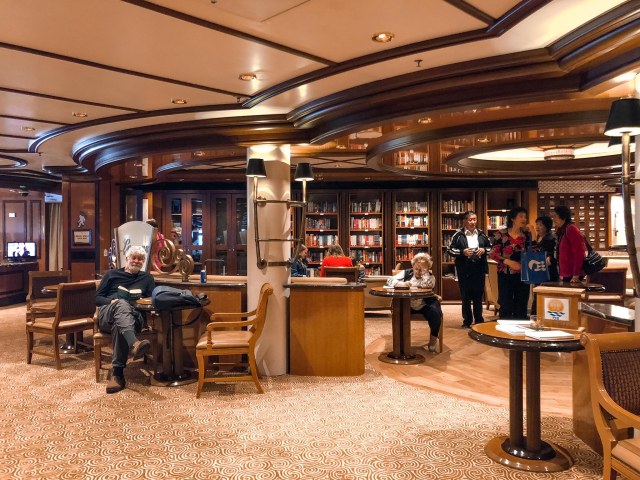
The library seemed like a quiet place to relax after the presentation and shopping. Situated along a narrow walkway opposite of the Crown Grill, the library was not the quiet spot I had envisioned. Sounds of a violin, bass, and piano rushed through the open doors from the piazza. Clapping ensued when the musical tempo increased. Jingles and jangles of keys on belts and patters of feet cushioned on carpet announced crew and passengers that passed by. A crew member slid a folding table on its side. Another pushed a luggage cart. A couple’s hush tones snuck in from a table nearby. A boy explained something to his father. Mahjong game tiles clattered against each other. Cards shuffled. Laughter erupted. Knives sliced against a butcher block. The murmur of several conversations melded into a cacophony. Couples and groups gathered in front of the restaurant waiting for the host to seat them.

IMG_2157
Cruise ship library a hub of activity

We headed back to our cabin to pack and get ready for our departure the next morning.

Taking a 10-day cruise was just what we needed to relax and set aside all of our household chores, fifth-wheel maintenance, and technology for a few days. Our interest in Alaska has us thinking about a trip in our RV so we can explore in more depth. Another cruise to Glacier Bay might also be in our future.

Safe Travels