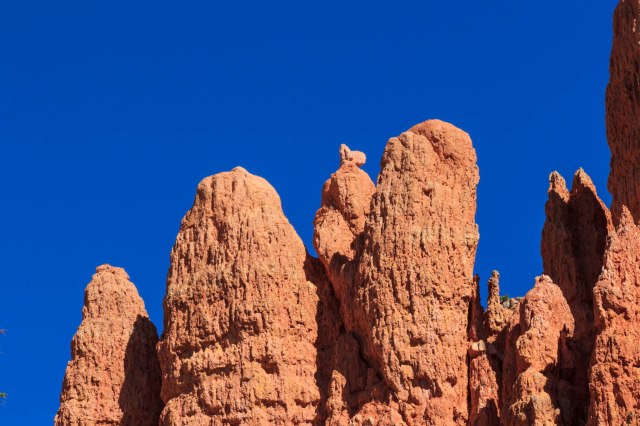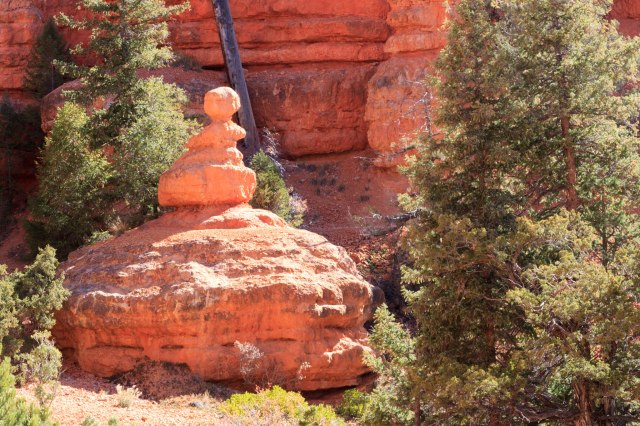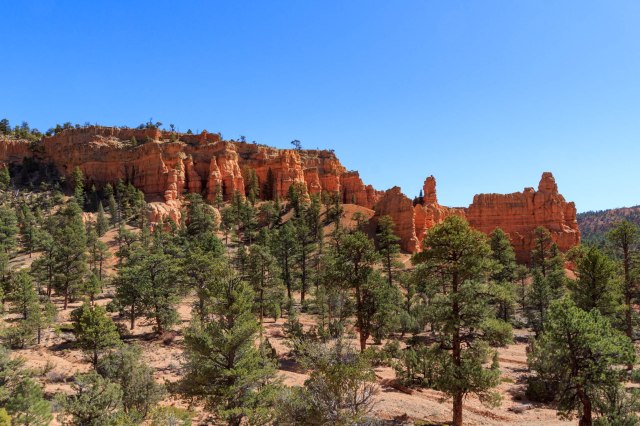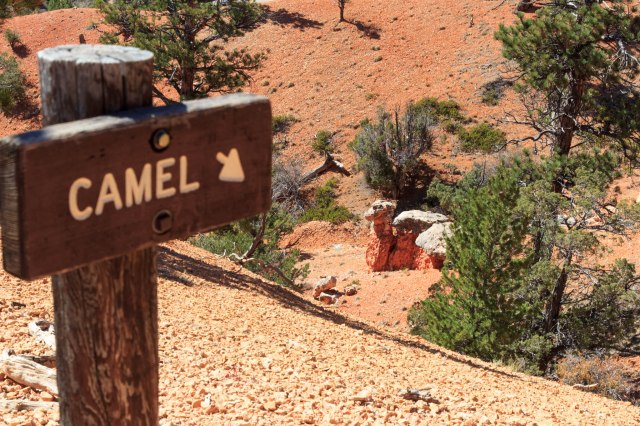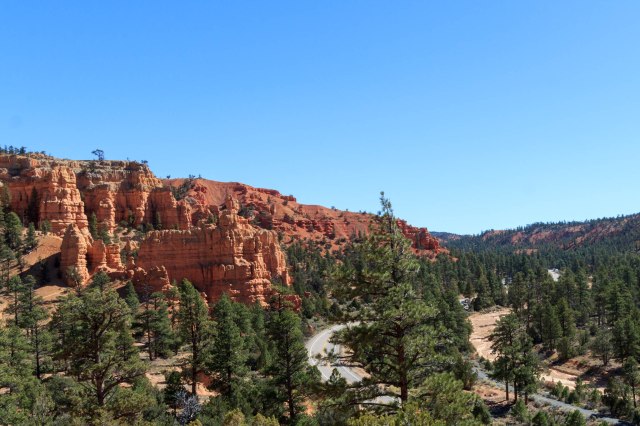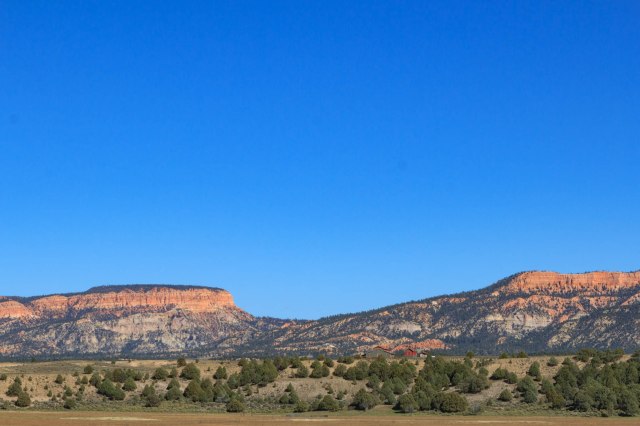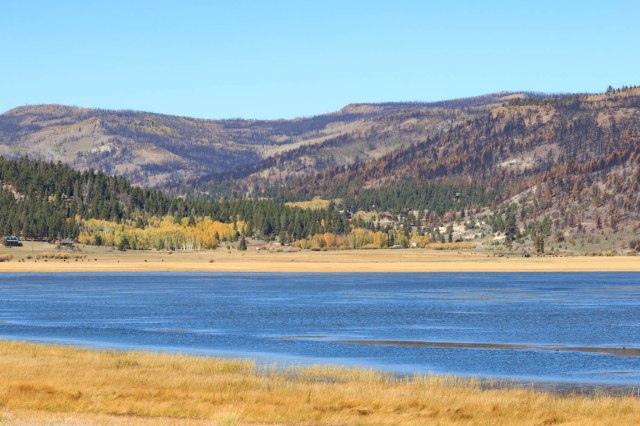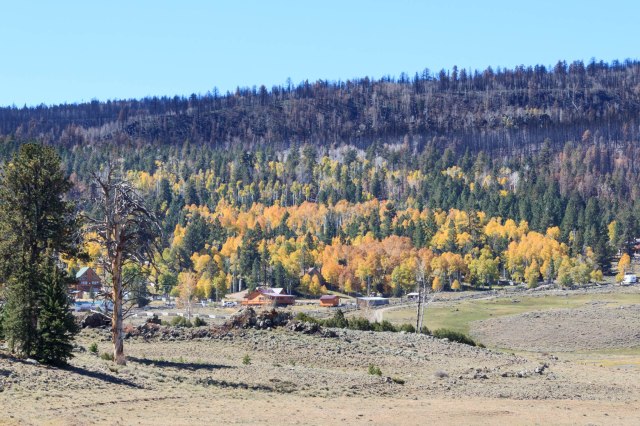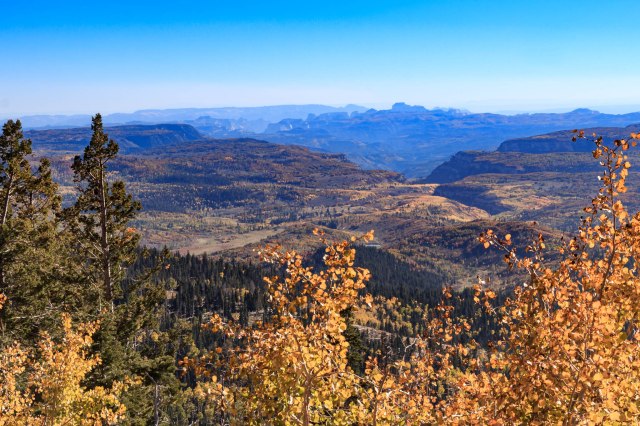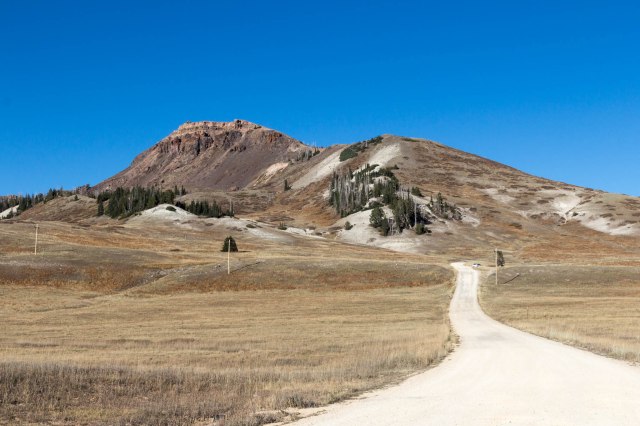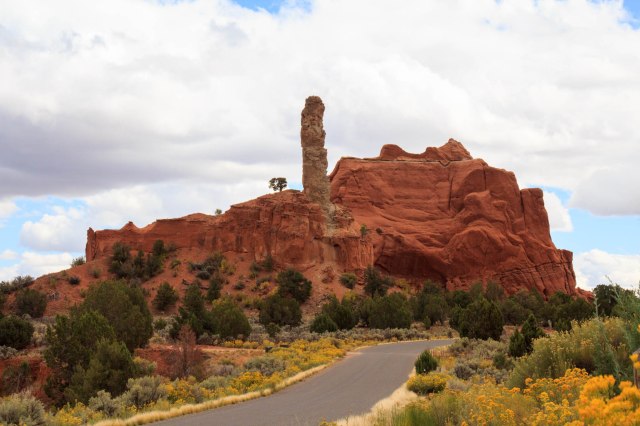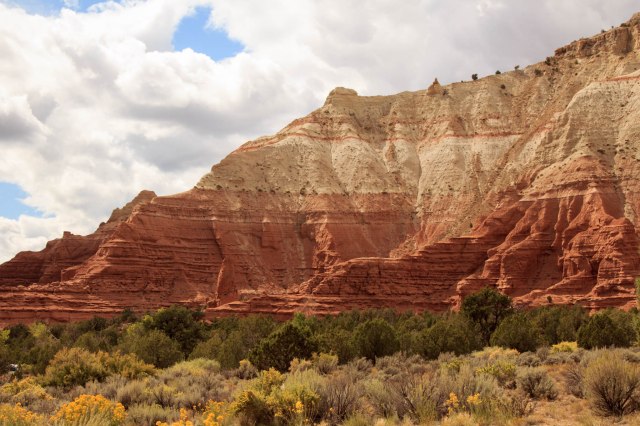
Discover Dinosaur Tracks and Parowan Gap Petroglyphs

The promise of dinosaur tracks, petroglyphs, lower elevation and, best of all, warmer weather within an hour from Panguitch was a welcome surprise after the freezing temperatures of Cedar Breaks.

IMG_4389

Dinosaur Tracks

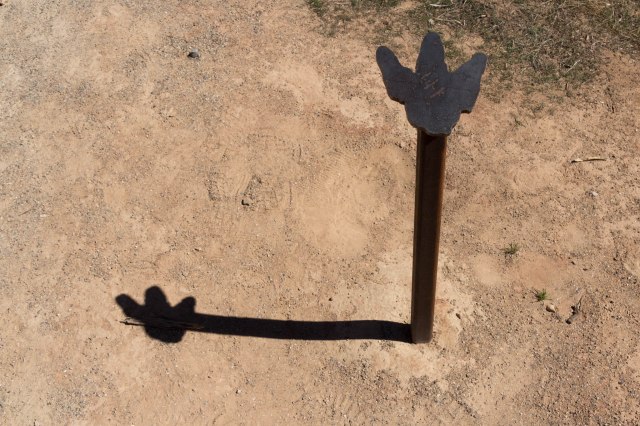
We headed east from Interstate 15 on Gap Road through ranches and farms, and then passed Little Salt Lake until we came to Highway 130 where we turned right. A few miles later, the road veered left toward the Red Hills and we came to a parking lot with interpretive panels and interesting rock formations. Metal markers like the one in the photo below marked the spots where the footprints could be found.
IMG_4390

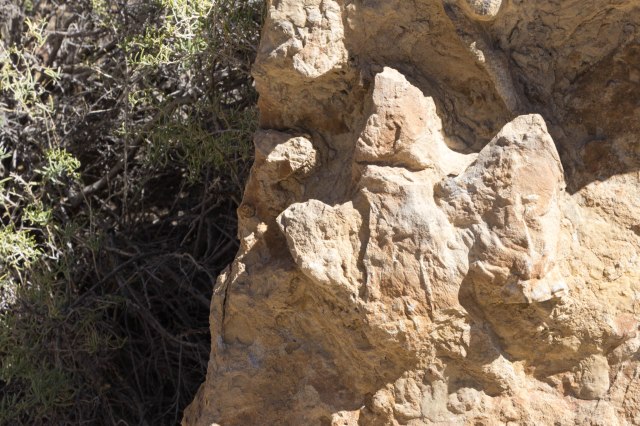
Hadrosaurs, or duck-billed dinosaurs, left the tracks some 65 to 75 million years ago when they stepped in mud. Pebbles and sand filled the footprints left by the dinos and later turned into rock. Erosion over millions of years revealed the tracks for us to see today.
IMG_4394
Dinosaur Print
IMG_4405
Dinosaur Print

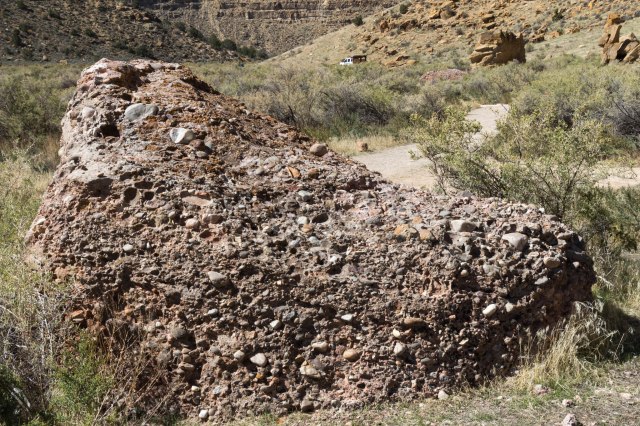
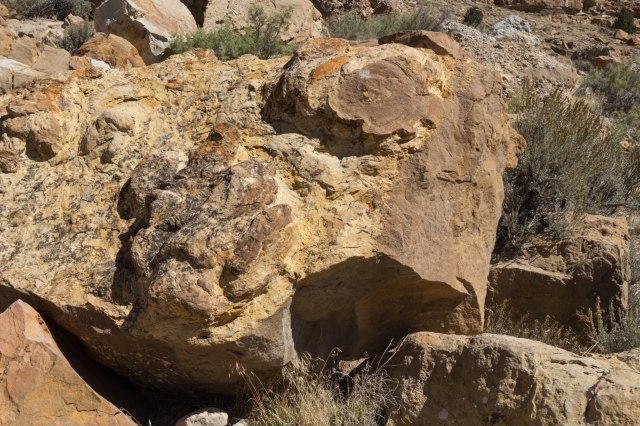
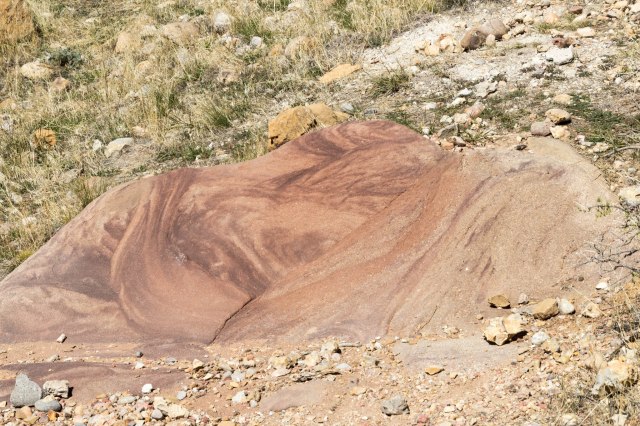
This area is strewn with a number of different types of rocks such as river rock, volcanic ash, and large boulders, which looked like someone had rolled a bunch of smaller rocks and cement together like a giant snowball.
IMG_4396
A River Ran Through Here
IMG_4401
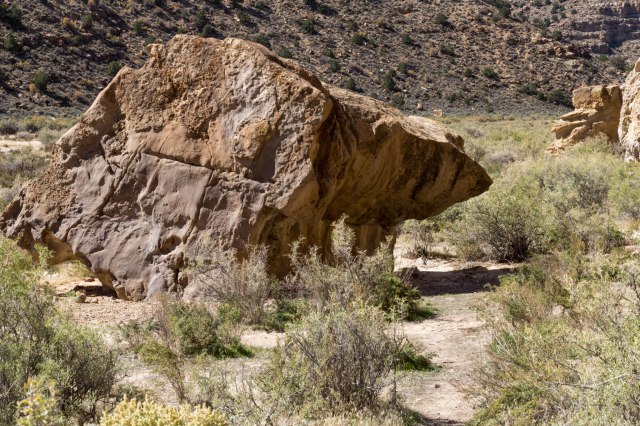
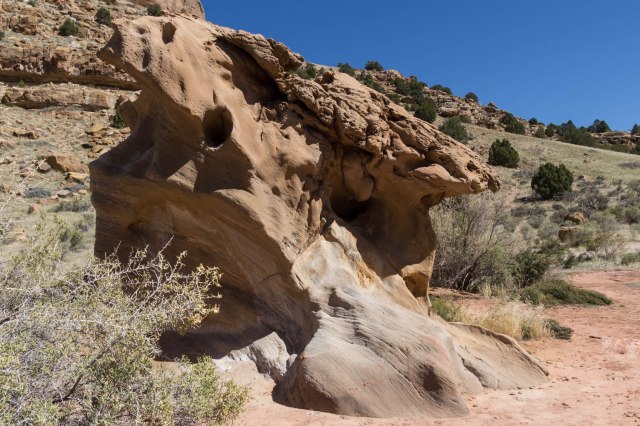
Wind Swept Boulder
IMG_4400
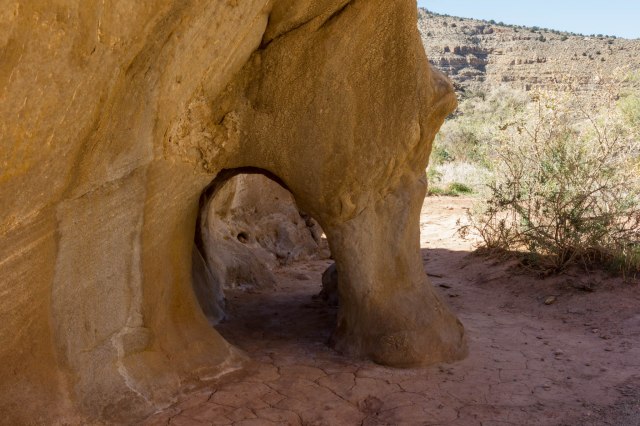
Archway
IMG_4403
Bear Boulder
IMG_4399
Rock Encrusted Snowball Boulder
IMG_4397
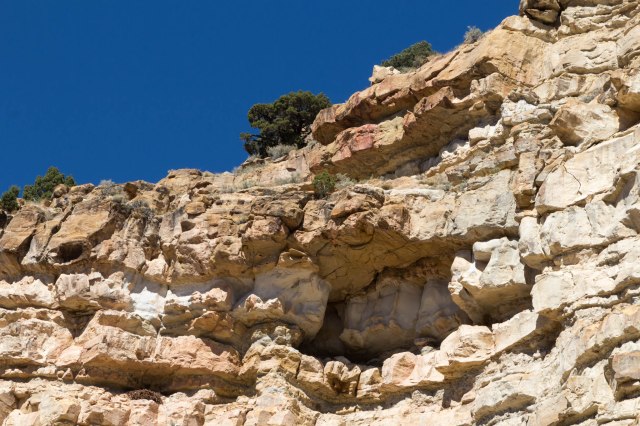
Nooks and Crannies
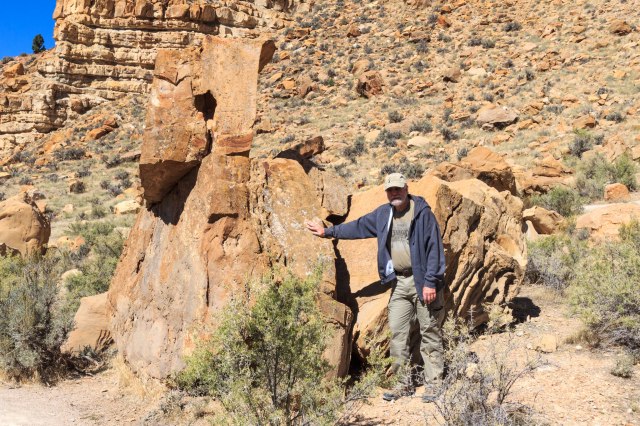
IMG_4392
Robot Dinosaur?

Parowan Gap offers climbers up to 26 different climbing routes to follow. Looking around at all the fallen rock, I sure wouldn’t want to hang from a rope and trust that the cliff would not give way. But rock climbing is something I’ve never done, so who am I to say what’s safe or not?

Parowan Gap Petroglyphs

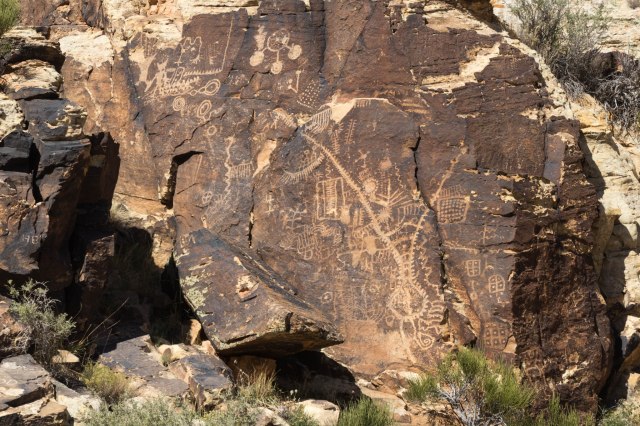
Continuing on Highway 130 a short distance we found a nicer parking area with pavement, shade structures, picnic tables, and pit toilets. The cliffs at Parowan Gap display a great number of petroglyphs that tell stories of the early people who inhabited or traveled through the area. If we only had a translator app on our phones to decipher the figures.
IMG_4410
Parowan Gap Petroglyphs

Included on the National Register of Historic Places in 1969, it is a wonder that the figures created a thousand years ago or more have survived destruction by people of more recent generations. I could have stood for hours gazing up at the etchings on the cliff walls trying to decipher their meaning.
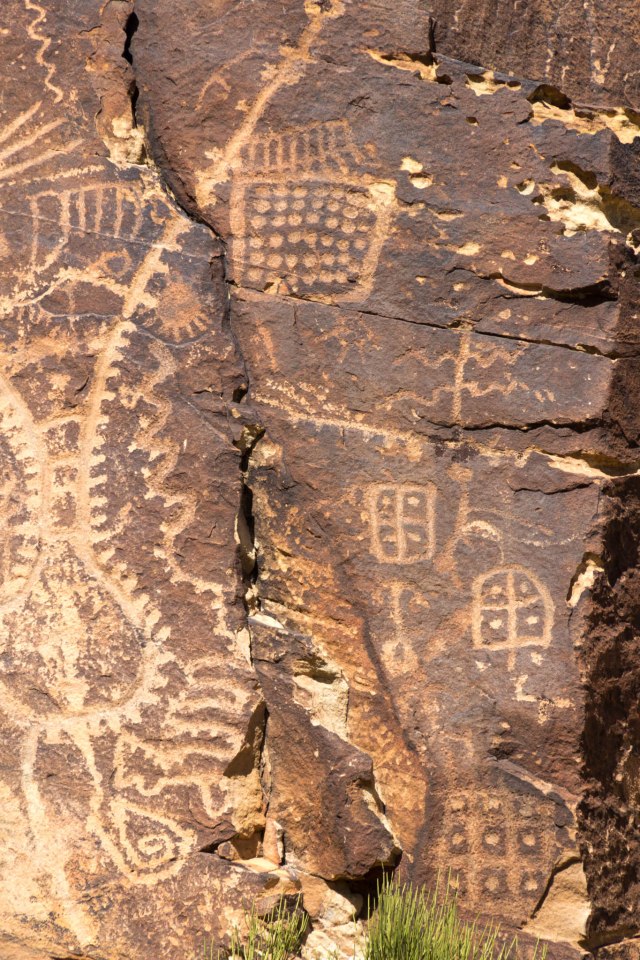
IMG_4415
Parowan Gap Petroglyphs

Did the Fremont and Southern Paiute cultures leave them as works of art, religious significance, or tales of bravery and danger?
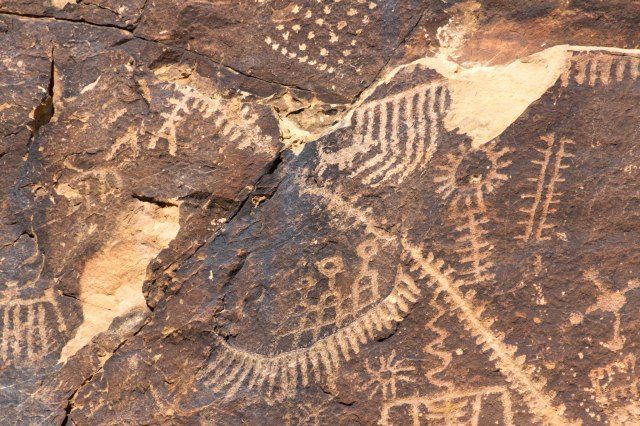
IMG_4414
Parowan Gap Petroglyphs

Some people may even suggest the figures depict alien beings that visited earth before modern times.
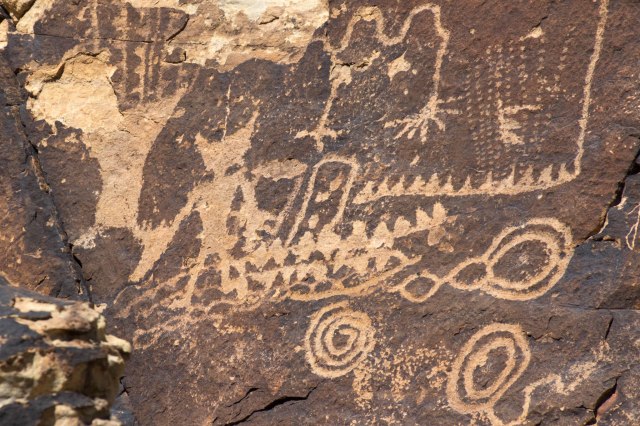
IMG_4413
Parowan Gap Petroglyphs

Do they represent family history, hunting and gathering trips, sources of water, travel routes?
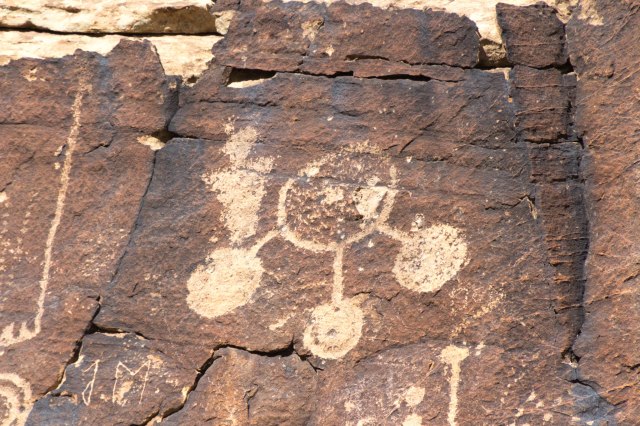
IMG_4412
Parowan Gap Petroglyphs and Newer Initials

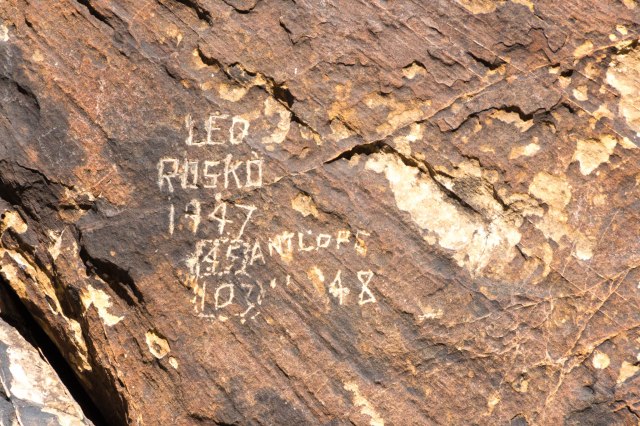
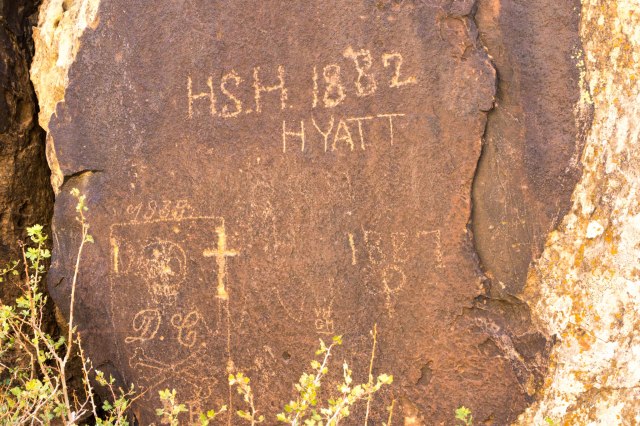
People in the 1800s and 1900s also recorded their passage through the gap. I wonder who H.S.H. or Hyatt and Leo Rosko were, where they came from, and where they were going in 1882 and 1947. Did  D. C. fancy himself a pirate or maybe the design refers to an early motorcycle gang?
IMG_4431
H.S.H 1882 and D. C. 1938, or is it 1939?
IMG_4432
Leo Rosko Markings

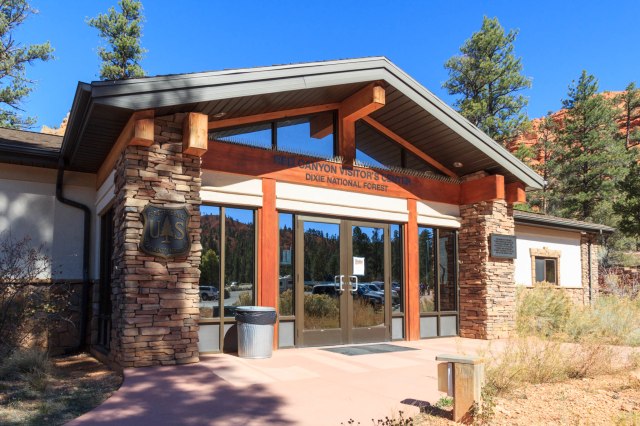
Red Canyon Visitor Center USDA Forest Service

Our last day in the area was a short jaunt to the red cliffs and hoodoos at the Red Canyon Visitor Center off Highway 12, the route to Bryce Canyon National Park.
 

IMG_4503
Red Canyon Visitor Center


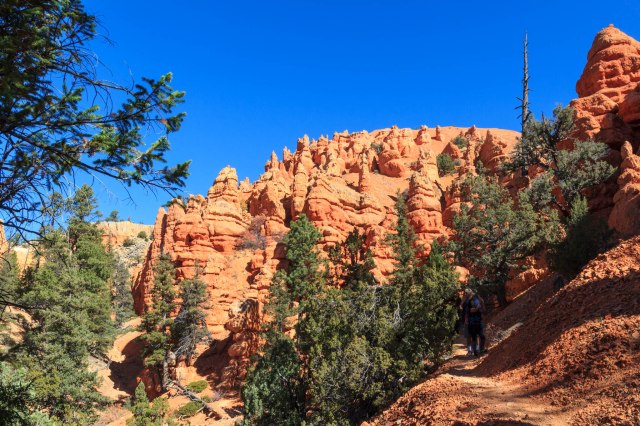
With picnic tables, plenty of parking, and several miles of hikes, the visitor center was a great place to spend an afternoon getting up close and personal with the hoodoos and totems as well as the Ponderosa, bristlecone, and limber pines.
 

IMG_4451
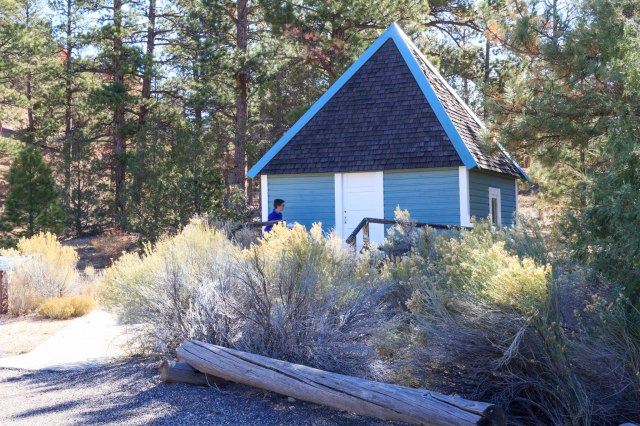
Cabin Once Used by Rangers


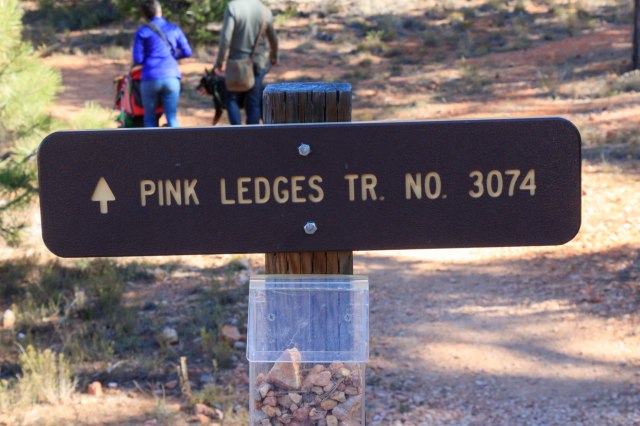
We managed to get a good work out in and gaze out at some awesome views by connecting the Pink Ledges (an interpretive trail), Hoodoo, and Birdseye trails with a portion of the 8.6-mile non-motorized Red Canyon Bicycle path, which parallels Route 12 through the canyon.
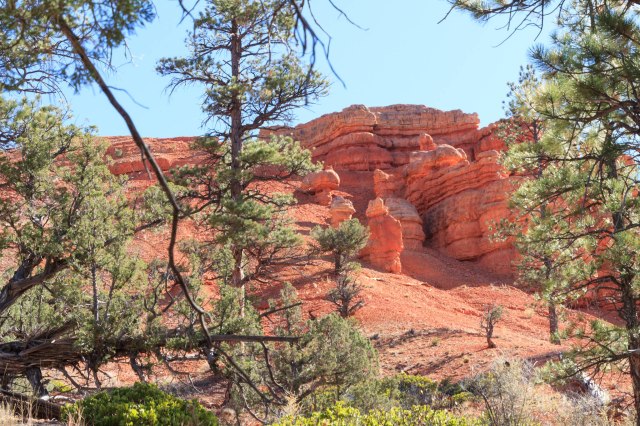
 

IMG_4452
Grab a Pamphlet at the Visitor’s Center
IMG_4455
Do You See a Ninja Turtle?
IMG_4460
Fairy Castles
IMG_4464
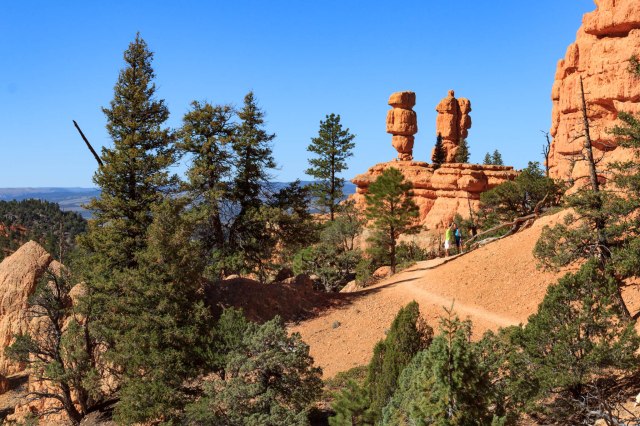
Totem Hoodoos
IMG_4466
Butterfly on Mitten Thumb or Heart?


IMG_4467
Biscuit with a Bumper Boat on Top?

At about our halfway mark, we took advantage of a bench to take in the spectacular views of the valley below.
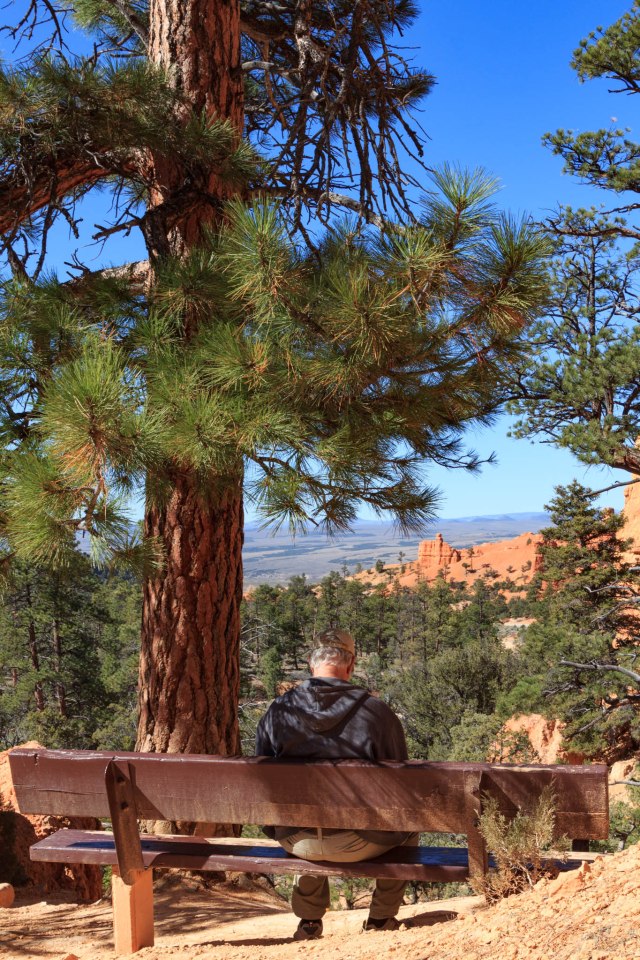
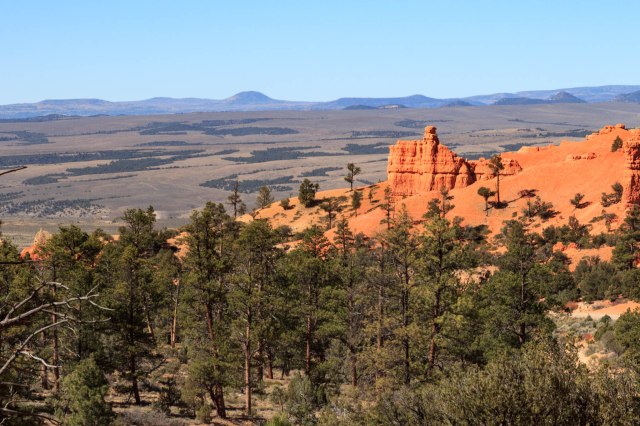
 

IMG_4479
Red Canyon Hike Resting Bench
IMG_4480
View from Resting Bench
IMG_4488
View of Red Cliffs and Pine Trees
IMG_4493
How’d that Camel Get Down There?
IMG_4495
Highway 12 and Bike Path Through Red Canyon


IMG_4498
Hoodoos Reaching for the Sky

Just as the traffic below had receded into white noise, this drone succeeded in drowning out the chattering birds, scurrying squirrels, and windblown leaves and pine needles. It flew around for about ten minutes and left, a little too long for my comfort level. Too bad the pilot could not have taken the time to enjoy the wonders of Red Canyon in person. To experience a place in person is so much better than watching it fly by on an LCD screen.
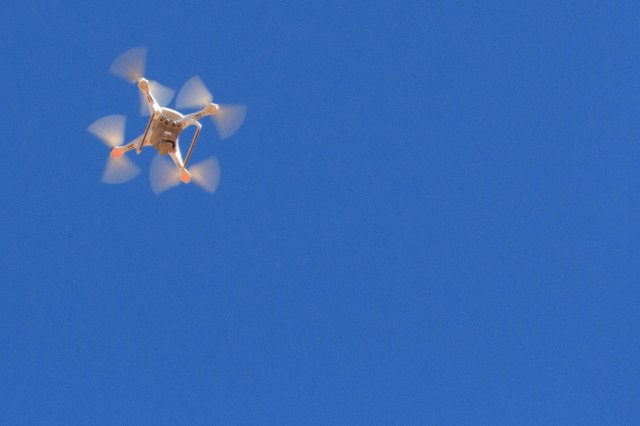


IMG_4486
Annoying Drone

The Red Canyon hills were just as magnificent from across the road as they were when we walked along the trail.
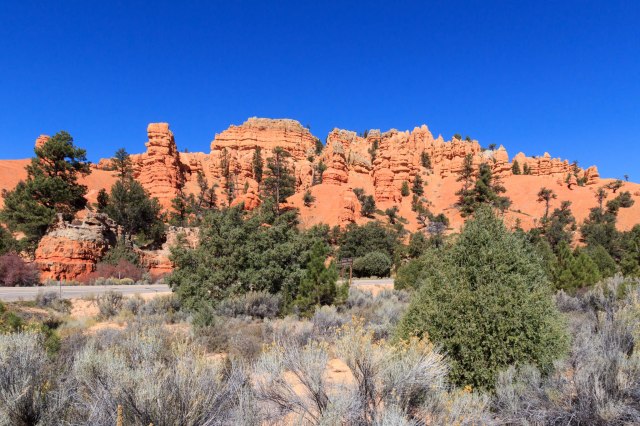
 

IMG_4501
Red Canyon Hills


Although we could have stayed for another week, our time in Bryce Canyon and Panguitch had come to a close and Zion or bust became our mantra on October 6, 2017. Stay tuned for more adventure.

Safe Travels


Panguitch, Utah, and Cedar Breaks National Monument

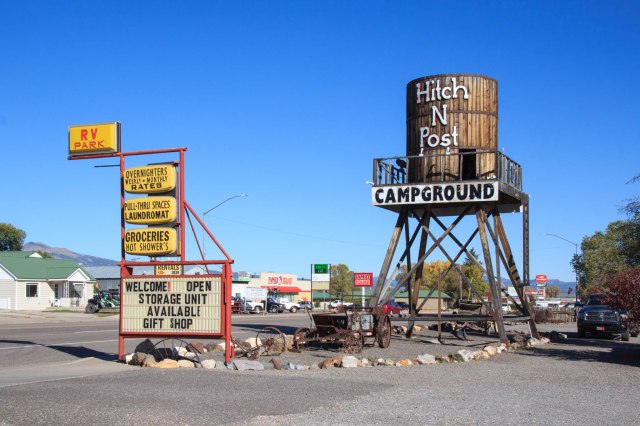
We enjoyed a short thirty-minute drive to our new base camp at Hitch-N-Post in Panguitch, Utah, on October 2, 2017.

Panguitch, Utah

Panguitch is a western town settled by Mormons in the 1860s and 1870s where several historic buildings line the main street. Unfortunately, many of the shops had already closed for the season when we visited. Too bad, I really wanted to go into the fabric store.


IMG_4504
Hitch-N-Post Campground


Panguitch holds annual events that include the Quilt Walk Festival and Panguitch Valley Balloon Rally, which are both held in June. What’s a Quilt Walk? The festival commemorates the action of seven men who saved the first settlement from starvation. The story details the new settlers challenge during their first winter when snow blocked supply routes, crops froze, and the people grew hungry. Seven men volunteered to journey over the mountain to secure flour. They used quilts to cover the surface of deep snow since wagons could not navigate the trail. By placing the quilts on the snow they could safely walk across. When they reached the end of one quilt they placed another one down before retrieving the first. Something to think about if I’m ever stuck in the snow somewhere.


IMG_4386
Farm Nestled at the Foot of Red Rock Cliffs South of Town


Panguitch served as a good home base for visiting Panguitch Lake, Cedar Breaks National Monument, Red Canyon State Park,  and the Parowan Gap Rock Art and Dinosaur Tracks.

Cedar Breaks National Monument

We started our day with a hearty breakfast of plate-sized buttermilk pancakes so fluffy they measured almost a half inch thick. The Hitch-N-Post owner had raved about the wonderful buttermilk pancakes served at Kenny Rays. The two pancakes I ordered was way too much to eat. Had I known, I would have only ordered one.

The drive to Cedar Breaks National Monument took us to Panguitch Lake where we stopped for a little leaf peeping.

IMG_4339
Panguitch Lake Known for Great Trout Fishing
IMG_4341
Resort at Panguitch Lake
IMG_4345
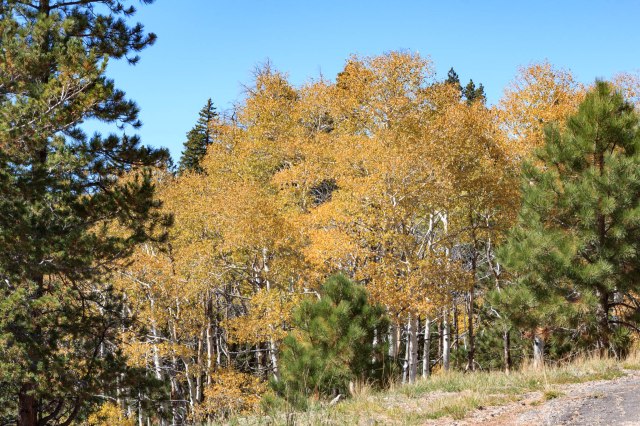
Golden Aspen Among the Pines

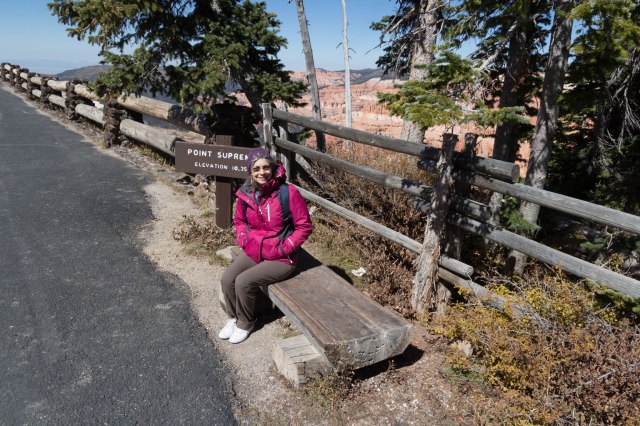
With all that sunshine, why did my face feel like it was on fire? It must have been the icy wind at 10,000 feet. It was a good thing we put our heavy coats in the truck when we left in the morning, but goosebumps still peppered my legs. They warmed up some when I stood next to the huge fireplace blazing away in the visitor center, at least for the few minutes we were indoors.

IMG_4352
Yikes! That Wind is Cold.

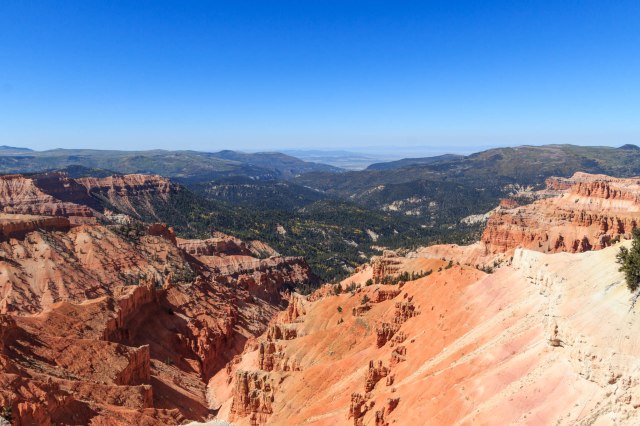
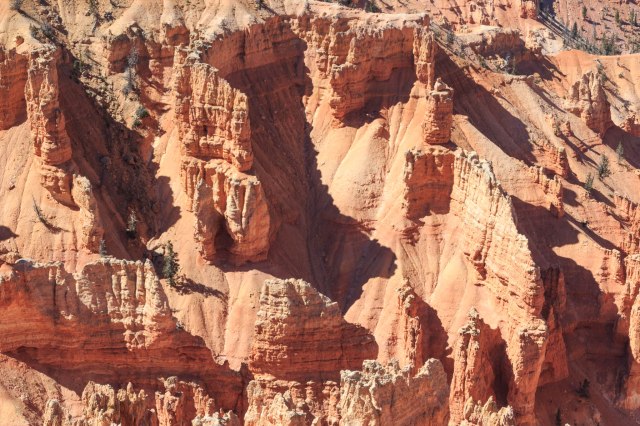
The geological story of Cedar Breaks is similar to Bryce. Cedar Breaks sits between the Colorado Plateau and the Basin and Range province of western Utah. Earthquakes along the Hurricane Fault lowered the west side where Cedar City is located at 5,800 feet and raised Cedar Breaks on the east side to an elevation of 10,350. The amphitheater spans three miles and is 2,000 feet deep.

IMG_4348
Cedar Breaks Amphitheater and Valley Below

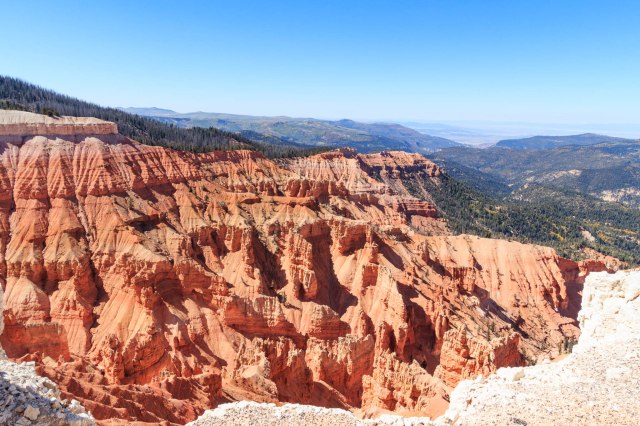
Freeze-thaw action sculpts the formations by splitting and breaking away the rock.

IMG_4355
Closer View of the Amphitheater

Then erosion from wind, snowmelt, and rain (mixed with a bit of acid) work their magic on the rock to continue shaping it into the magnificent creations we see today.

IMG_4356
Can’t Get Enough of the Red Rock Fins

Knowing these forces that began millions of years ago are still at work make me realize that what I see today may look a little different in one, five, or ten years from now.

Navajo Lake, Lava Flows, and Brian Head

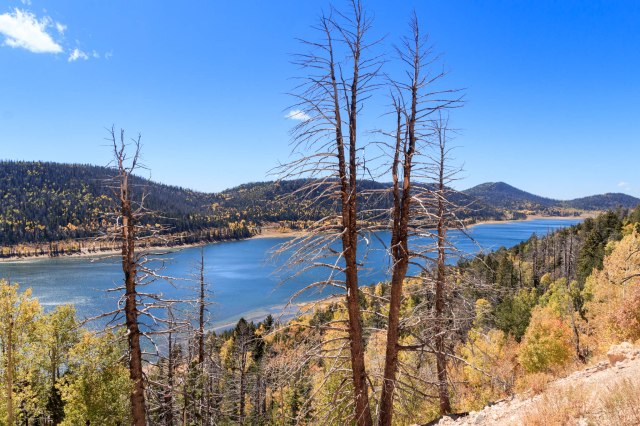
Along the drive we ran across Navajo Lake. The lake, formed by a prehistoric lava flow dam, offers camping, fishing, boating, and swimming. I thought it interesting that water travels from the bottom of the lake through a network of lava tubes until the water reappears as creeks and streams. This is very similar to the relationship of Craters of the Moon and the Snake River in Idaho.


IMG_4363
Navajo Lake

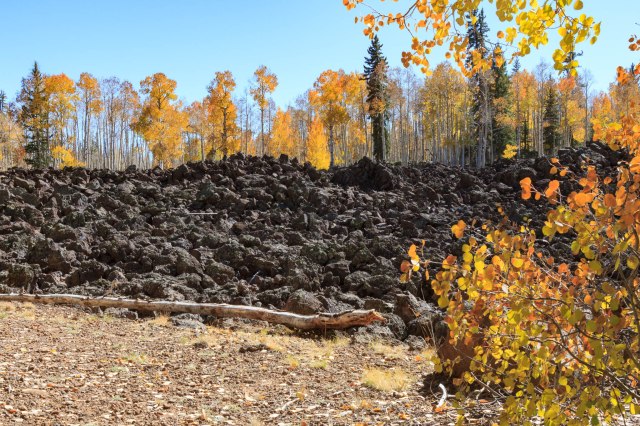
Aspen groves populate around the lava fields east of Cedar Breaks.


IMG_4372
Aspen Among Lava Rock Field

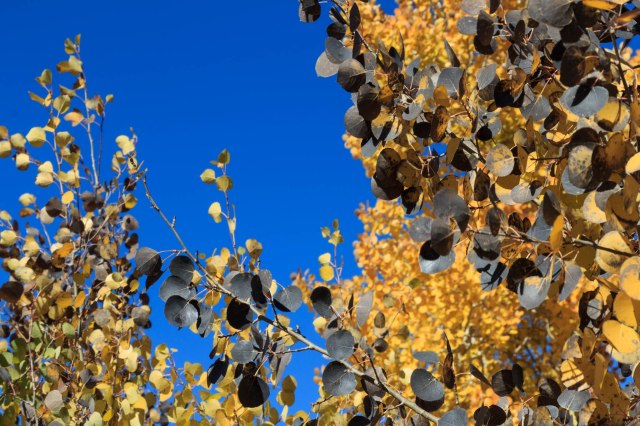
I don’t think I had ever come across black aspen leaves before. It’s not like the leaves are spotted by a fungus, it looks like the whole leaf has turned black. Is this a natural occurrence or is this a severe infestation of the tree?

IMG_4376
Black Aspen Leaves


IMG_4446
View of the Plateaus

We also took a drive up to Brian Head. On the other side of the mountain are several ski resorts, a sign that this is a winter playground as well as a place to visit during the rest of the year. I hope they receive plenty of snow this coming winter.


IMG_4447
Brian Head

Looking up at Brian Head, I was reminded that I always wanted to try cross-country skiing. I’m just not sure about the cold weather or how I might handle such a physically demanding sport at an elevation of 9,800 feet.

Join us next week when we take a hike through Red Canyon State Park and gaze at the Parowan Gap Rock Art and Dinosaur Tracks.


Safe Travels


Kodachrome Basin State Park

Kodachrome Basin State Park

We noticed Kodachrome Basin State Park on our area map and decided to drive out to take a look. After visiting Bryce, it was difficult to imagine anything as spectacular. Boy, were we wrong. Just driving along the road was evidence enough that we were entering a special place.


IMG_4179
Kodachrome Basin State Park


Kodachrome became a state park in 1963. At an elevation of 5,800 feet, it is an easier place to visit for people who cannot tolerate the higher altitudes of Bryce Canyon.

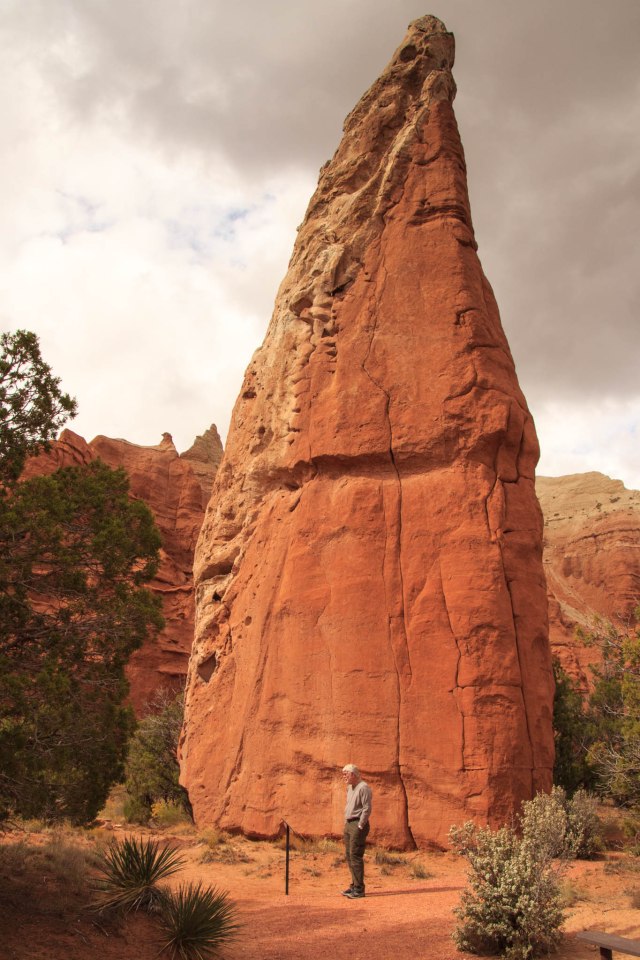
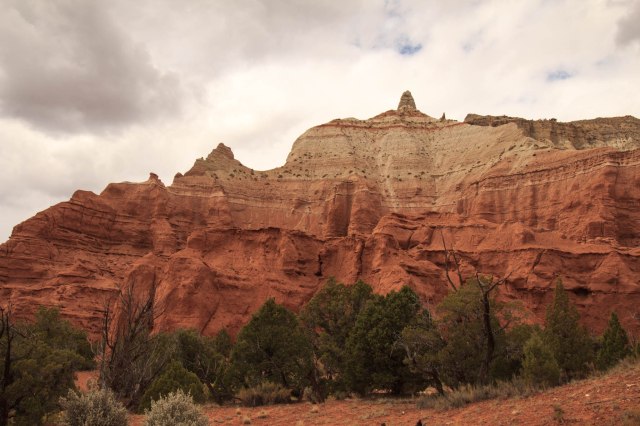
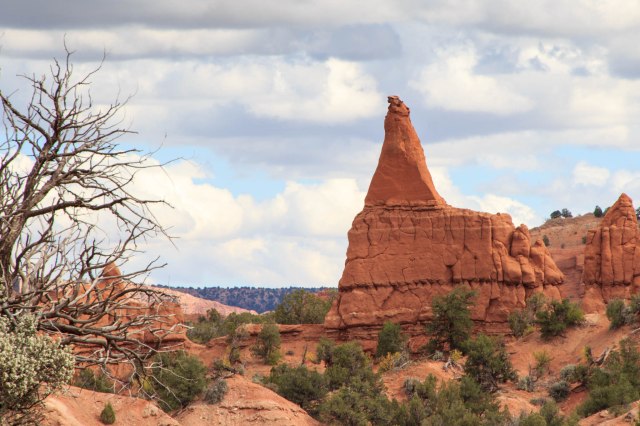
The layered sandstone hills and sedimentary pipes that range from six to 170 feet in height reveal the geological formations that began 180 million years ago.

IMG_4136

The Carmel Formation, noted by the white striations in the red colored cliffs at lower levels, forms the base. The red sandstone, along with gypsum, shale, quartz, and clay, makes up the Entrada Formation. The white to tan portions of the cliffs are from the Henrieville Sandstone deposited toward the end of the Jurassic Period.

IMG_4160

The Dakota and Tropic Shale Formations top the previous layers. A sea that covered much of the interior of North America deposited this layer 95 million years ago. Geologists haven’t quite yet agreed on how the spires were formed, but there are three theories that attempt to explain their creation. You can be read about them here on Wikipedia if your interest is piqued.

IMG_4150
Another Sandstone Hill

Since then, wind, rain, and earthquakes have left their marks on the cliffs and monolith shapes we see today.

IMG_4142
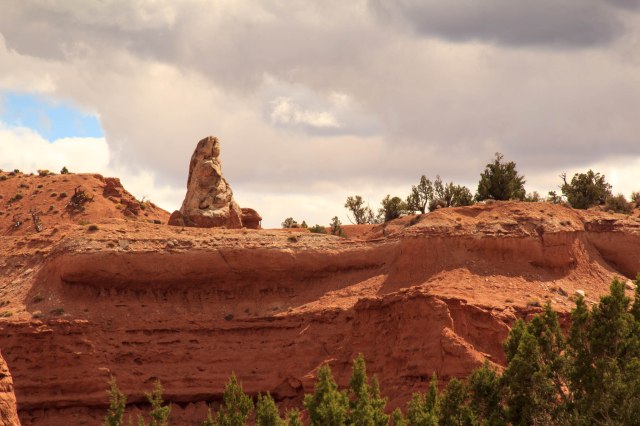
Indigenous Woman Wrapped in a Shawl
IMG_4191
The Priest

There are several trails in the park ranging from easy to strenuous. We only had time for the 0.5-mile nature trail, which included informational panels on the plants, animals, and geology. This trail is also ADA accessible.


IMG_4164
Red Sandstone and Snag
IMG_4189
View from Kodachrome Basin State Park


The state park would be a good place to spend a few nights so we could explore more. I have a feeling, though, that reservations are difficult to obtain.

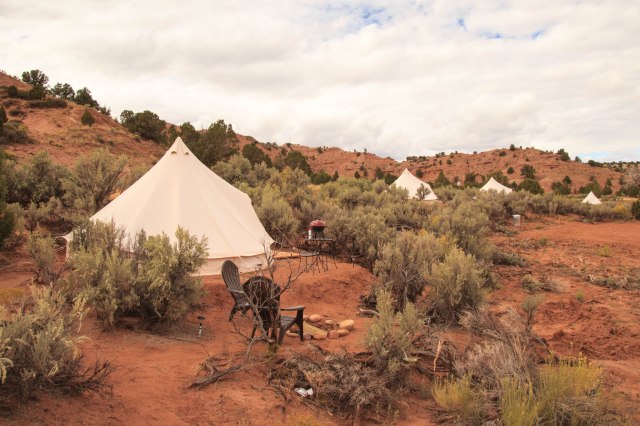
A few miles from the park’s entrance, we came across an alternative to the Kodachrome campgrounds.

IMG_4198
Bryce Luxury Camping Near Kodachrome Basin State Park

How about a luxury tent complete with chairs, table, barbecue, and fire pit? Select a site with neighbors close by.


IMG_4200
Luxury Tent Camping


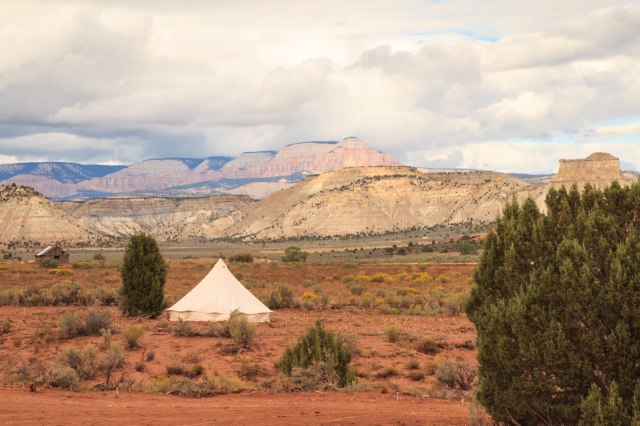
Or opt for one with a bit more privacy.


IMG_4203
Great Views from Luxury Campsite


Cannonville, Utah

On our way back to the trailer, we stopped off at the visitor center in Cannonville, Utah. Although they were not open, we wandered around outside where they have interpretive panels and displays.


IMG_1586
Cannonville, Utah,  Visitor Center Farming Display


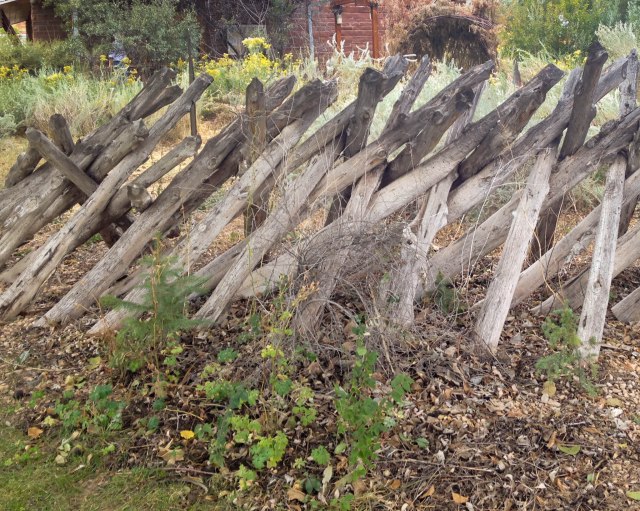
This fence looked rickety to me, but apparently, a ripgut (interlocking) fence is said to be one the strongest for corraling livestock without the use of nails or baling wire.

IMG_1587
Ripgut Fence

A Little More of Bryce Canyon


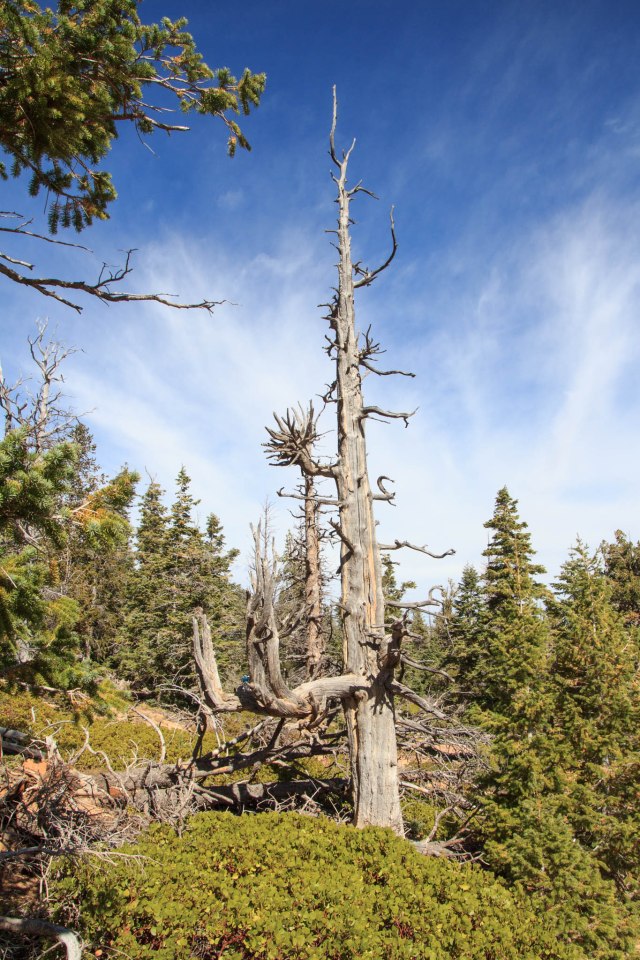
Before we left Bryce, we attended a ranger talk at Rainbow Point. We drove into the park early to grab a parking spot before the lot filled. Thank goodness it was warmer than the first day we came out on our tour. The ranger talked about the geology and taught us how to distinguish among the white fir, bristlecone, limber, and ponderosa pine trees. I’m afraid I’ve forgotten this skill already.


IMG_4319
Snags are Left to Provide Shelter for Insects, Rodents, and Birds


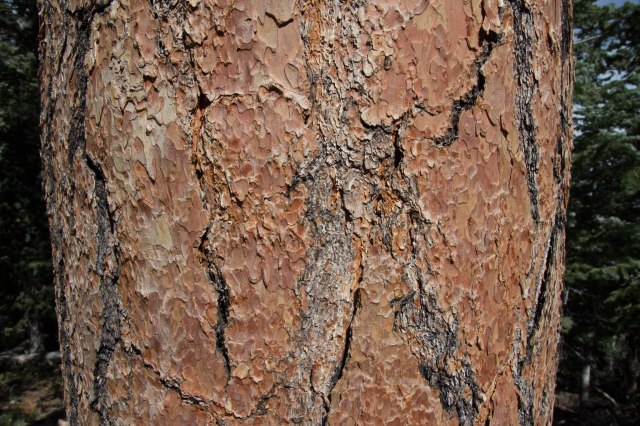
He encouraged us to take a whiff of the cinnamon-colored bark of the mature ponderosa trees. They smelled like vanilla.


IMG_4321
Bark of a Ponderosa


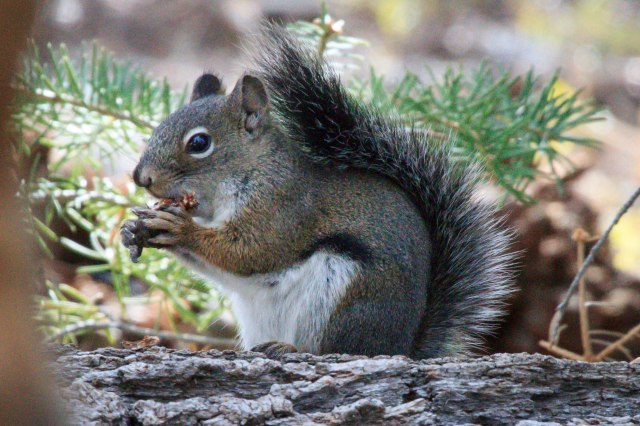
This little squirrel was so busy munching on the pine cone that she, or he, ignored the group of people listening to the ranger impart tidbits about the green leaf manzanita.

IMG_4315

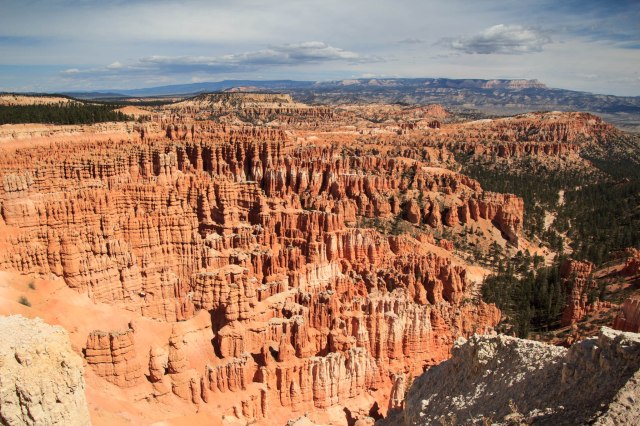
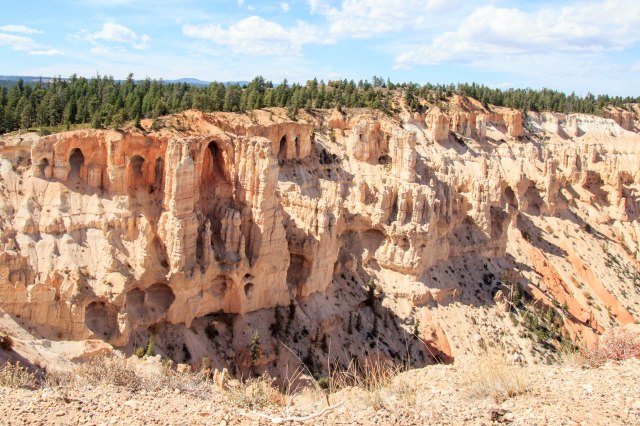
We stopped at a couple more overlooks on our way out of the park. This amphitheater reminded us of terracotta warriors.


IMG_4324
Terracotta Warriors


IMG_4326
Temple Cliff


After six nights at Ruby’s Inn and Campground, it was time to move on. But not too far away.  There was plenty more to see in the area.

Safe Travels
Bryce Canyon National Park

Bryce Canyon National Park was our destination on September 24, 2017. The California hills along Interstate 5 south of Tracy sported their summer golden highlights. Bands of scorched earth, patches in places and acres in others, signaled that the California fire season had arrived. We made an overnight stop in Barstow at Shady Lane RV Camp. Its location away from the freeway was a better pick than the KOA at Calico Ghost Town where we had previously stayed.

IMG_4297

We selected Ruby’s Inn RV Park & Campground as our home for six nights. Ruby’s accommodates all types of travelers whether they need a motel experience, full hookups for an RV, a cabin, tipi, or tent site. The restaurant serves up delicious western grub and the store contains food items, camping equipment, clothing, and gifts. The convenient shuttle stops for the national park, one near the motel and the other near the RV park, were a bonus.

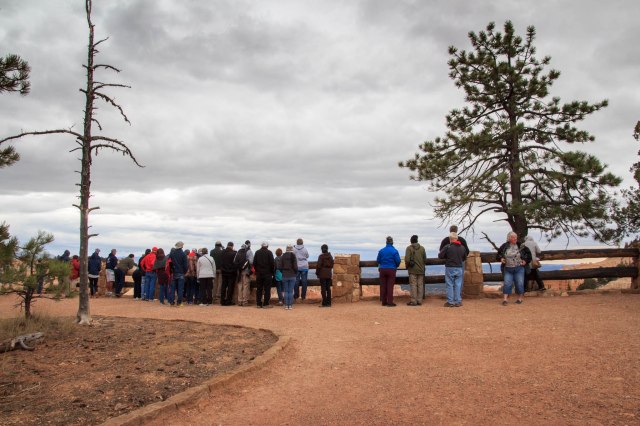
Our first venture into the park was on the Rainbow Point Shuttle Tour, included with admission to the park by reservation. Our driver, Jay Evans, regaled us with the history and geology of the park, information about the flora and fauna, stories about the people, and a few jokes during the 3.5-hour tour. The tour allowed us to acclimate to the change in elevation from sea level to 8,000 feet and to figure out the areas of the park we wanted to explore in more depth. What we didn’t acclimate to was the cold wind that cut through our thin pant legs. Why did I not pack my long johns?

IMG_4113
Our Tour Group Overlooking One of the Fourteen Amphitheaters of Hoodoos
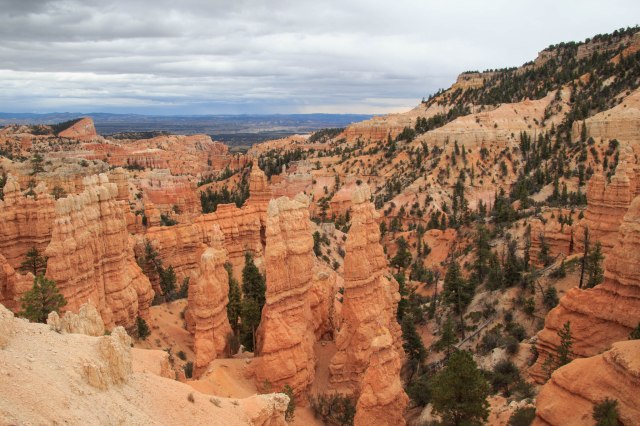
Bryce Canyon became a national park in 1928 and is named after Ebenezer Bryce who was a Mormon pioneer. The canyon is best known for its long and narrow 56 square miles which contain unique geological formations of hoodoos, fins, windows, arches, domes, and pinnacles.

IMG_4073
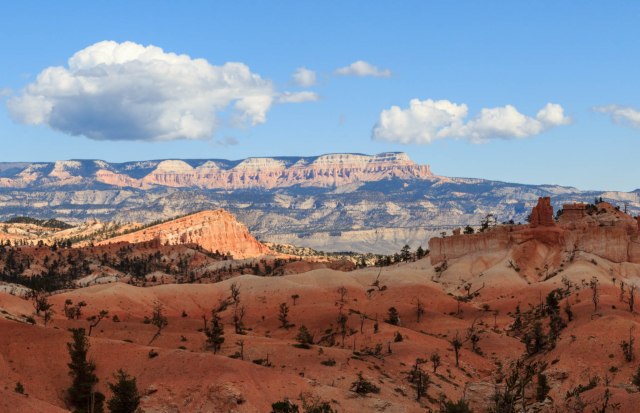
View From Rainbow Point
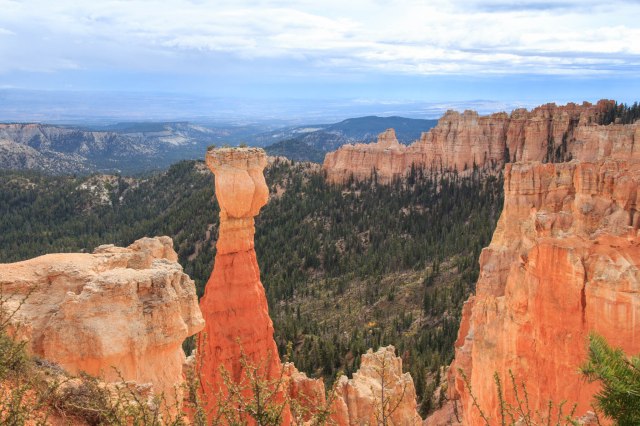
While on the tour, Jay pointed out the names of some of the hoodoos we looked down on from the rim of the cliffs.

IMG_4087
The Hunter is Known for His Ear Muffs

IMG_4084
The Rabbit Or Bart Simpson?

IMG_4090
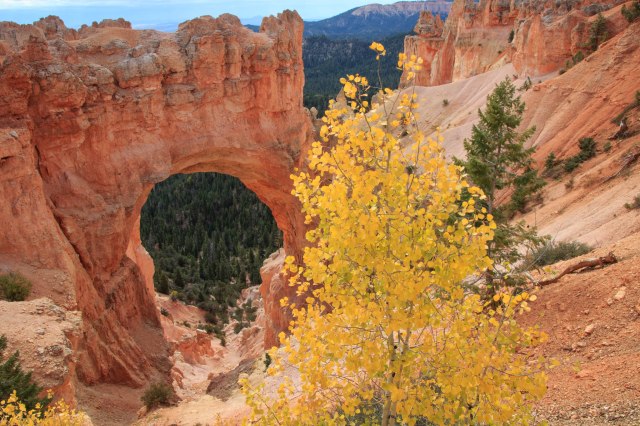
Natural Bridge

IMG_4091
Olympic Flame

IMG_4093
Kneeling Monk
Layers of silt, sand, and lime in beds that run up to 2,000 feet thick provided the base of sedimentary rock for Bryce Canyon. Erosion from wind, rain, and the freeze-thaw action, which causes fracturing, created the formations and continue their impact on the landscape. In addition, plant roots, and burrowing animals loosen the rocks and accelerate the erosion.

IMG_4106
Fairyland Overlook Fin Hoodoos
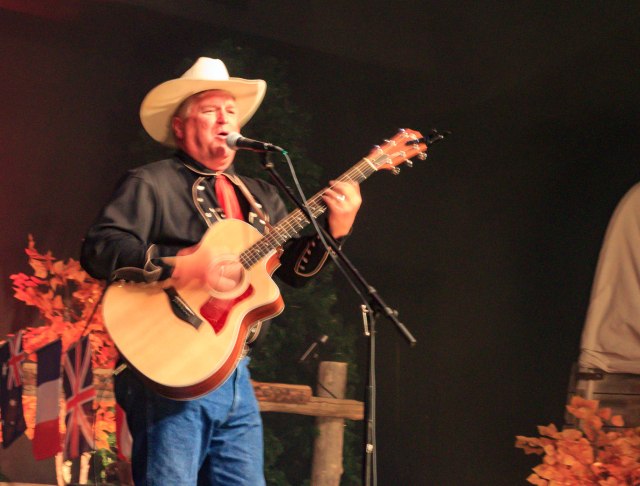
We topped off our day at Ebenezer’s Barn & Grill for some old fashioned western fun, music, and cowboy chow. Members of the Bar G Wranglers, the evening’s entertainment, greeted the guests, escorted them to their seats, and made sure the diners followed the proper route through the chow line. Surprisingly, the food was delicious, the music great, and we enjoyed meeting the other couples at our table.

IMG_4114
Ebenezer’s Barn & Grill

IMG_4122
Jay Evans: Best Shuttle Bus Driver and Fastest Strumming Guitar Player
One day, we rode the shuttle to Sunset Point where we hiked the Navaho Loop Trail, connected with Queen’s Garden and came up out of the canyon at Sunrise Point.

IMG_4204
View from Sunset Point

IMG_4216
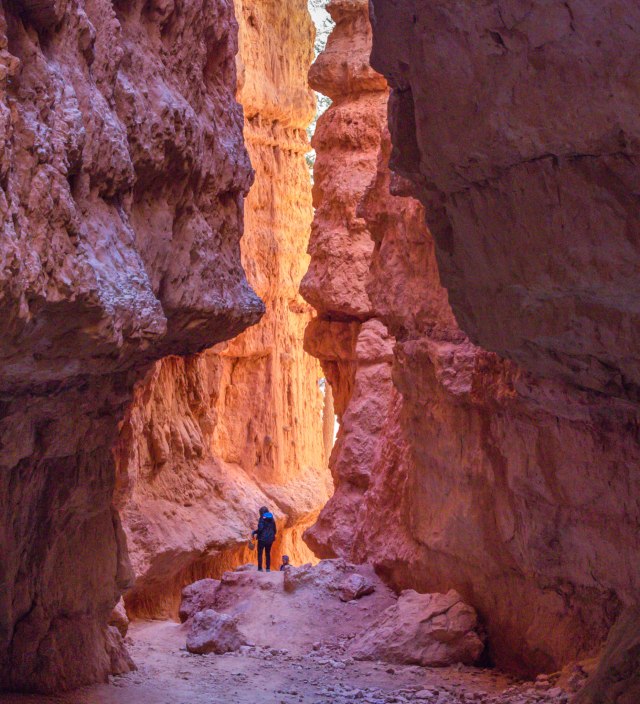
Navaho Trail Slot Canyon

IMG_4219
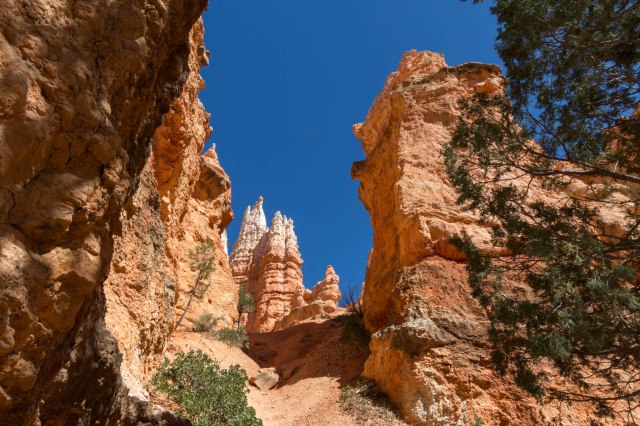
Looking Up at the Hoodoos

IMG_4223
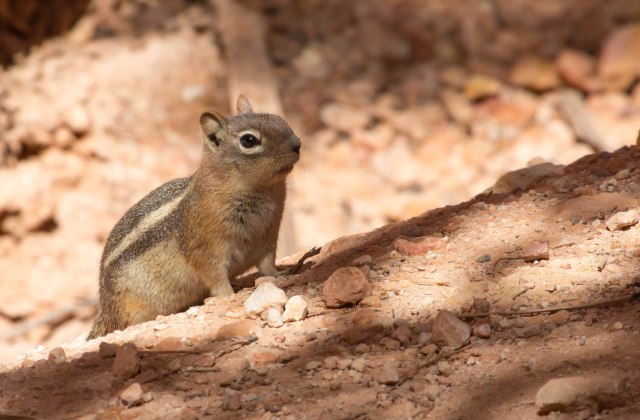
Squirrel? Prairie Dog?

IMG_4218
Sorry Squirrel. No Feeding the Animals.

IMG_4235
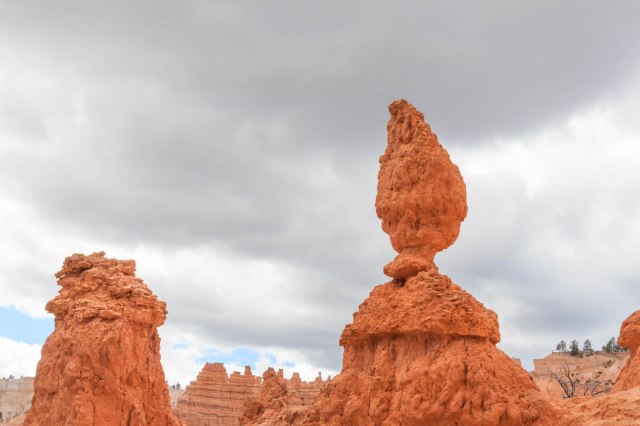
Queen Victoria Standing on the Back of a Camel

IMG_4237
The Fortress

IMG_4246
Olympic Flame

IMG_4250
Queen’s Garden Trail

IMG_4251
Sunrise Point Queen’s Garden Trail

IMG_4252
Shipwreck Rock
 

IMG_4265
People on the Trail Below are Barely Visible

IMG_4261
Photographers Abound on the Trail

IMG_4270
The Sentinels
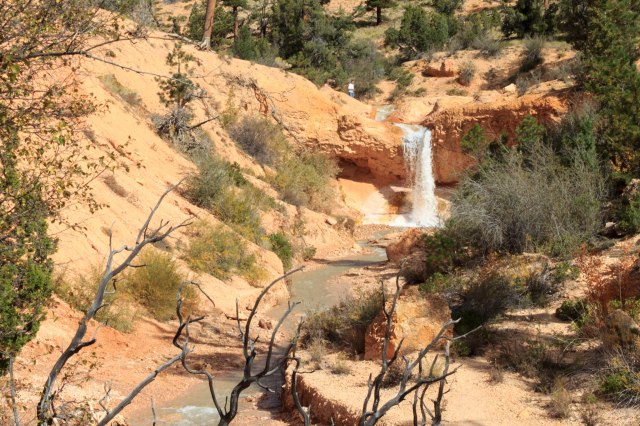
Not interested in a long steep hike? Take the Mossy Cave trail from Highway 12. The short walk follows the Tropic Ditch to a mossy cave and a waterfall. In 1890 and 1892, Mormon farmers, using picks and shovels, dug the ditch to bring water to the settlements around Tropic, Utah. Except for 2002 during the drought, the ditch has continued to carry irrigation water to the towns of Tropic and Cannonville.

IMG_4280
Mossy Cave

IMG_4275
Tropic Ditch Waterfall

IMG_4285
Tropic Ditch

IMG_4283
Hoodoos and Windows Along Mossy Cave Trail
Words and photos are not sufficient to portray the feelings that well up while walking among the hoodoos and gazing across the vistas. Bryce Canyon is a place to slow down, feel the sun on your back, breath in the fresh pine scent, hear the wind rustle through the pine needles and aspen leaves, and watch squirrels and lizards scurry around and raptors fly overhead. Oh, and don’t forget to look for queens, hunters, rabbits, Chinese terracotta soldiers, Scotty dogs, and whatever else you can make of the gazillion formations.
Safe Travels