Rocky Mountain National Park – Part 2

We finish up our time at the west end of Rocky Mountain National park with a visit to a historic site, an encounter with a group of elk, a walk in a valley, and lunch in Grand Lake.

Holzwarth Historic Site

A short 1/2-mile walk from Timber Creek Campground brought us to the Holzwarth Historic Site. The Holzwarth site became part of Rocky Mountain National Park when the park service obtained the property in 1974.

Trail to Holzwarth Historic Site

John and Sophia Holzwarth, both immigrants from Germany, operated a saloon and boarding house in Denver while caring for their five children. When World War I and prohibition made it difficult to earn a living, John homesteaded a piece of land in the Kawuneeche Valley on the west side of the Colorado River in 1917. Over the years, he built cabins for guests transforming the property into a guest ranch known as the Holzwarth Trout Lodge and eventually increased the family’s land holdings to 800 acres.
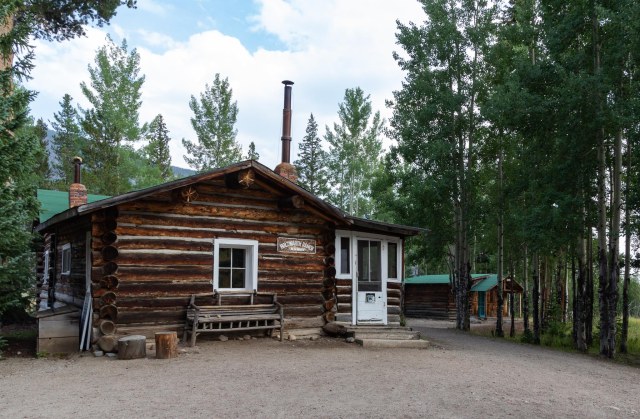
Holzwarth Ranch Cabin

Continuing the family business into the 1950s, Johnnie, their eldest son, recognized that horseback riding and sightseeing was more popular than fishing. He added a lodge, dining hall, more guest rooms, and a barn creating the Never Summer Ranch.
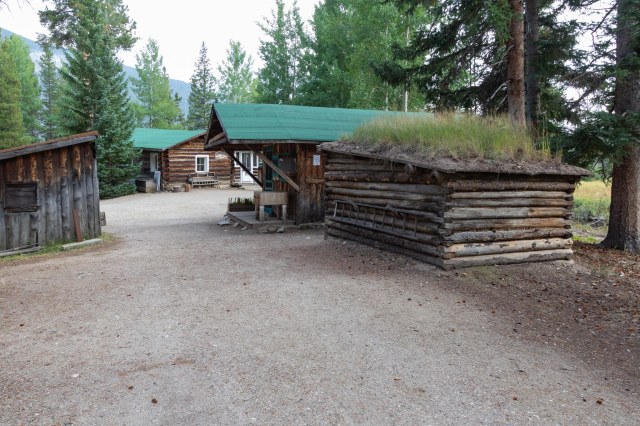
A few of the outbuildings on the ranch

The park service began purchasing other dude and guest ranches that lined the road leading to the national park increasing its footprint. Johnnie refused to sell the original homestead that started the family’s successful business after seeing that the park service tore down everything, hauled it away, and let the land return to its natural state.

The Tent House

After reaching an agreement to maintain the property and the buildings as a historic site, Johnnie finally agreed to sell in 1974.
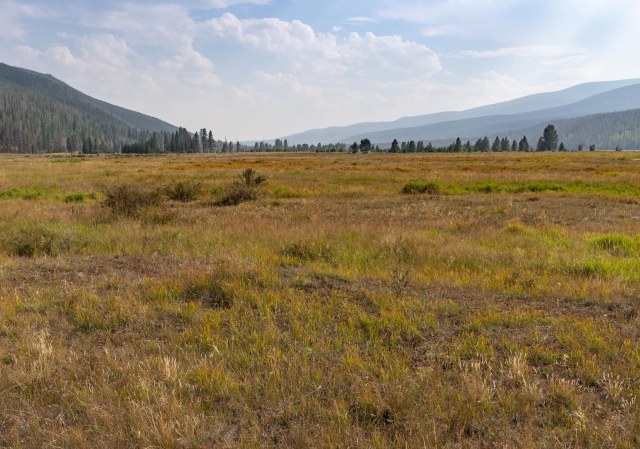
Imagine horses or crops growing in this valley

Today, VIPs (volunteer-in-park) greet visitors from June through the beginning of September to tell the Holzwarth family story. They also give visitors a glimpse into the history of a homestead life, and what it was like to visit a dude ranch back in the day.

The Colorado River is pretty tame in August

We walked into a cozy two-room cabin. One room contained a stove, a small table, a cupboard for dishes and food, and a work shelf with bowls served as a sink. The second room contained a queen-sized brass bed. What more does one need after a day of fishing? A bathroom perhaps? Remnants of outhouses stood a few yards from the porch, which had a wonderful view of the Colorado River.

Holzwarth irrigation dam

I’m glad Johnnie Holzwarth held out for the promise that the park service would preserve his family’s property for future generations. Otherwise, this piece of history would have been lost. How disappointing it would be to read a sign that says, “this happened here once upon a time” and find no evidence that it existed at all. I much prefer to gain insight into history through experience.

Ranch equipment

I don’t think it necessary to retain all of history for future generations, but a nice sampling is definitely worthwhile for us to learn how people lived years ago.

Wildlife Sighting

One morning, we woke to Elk grazing their way through the campground. They managed to stop traffic on the road and ignored the campers gawking and taking pictures as they ambled through the grass.
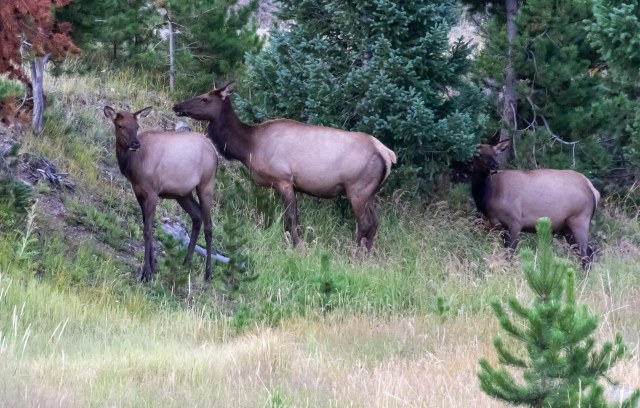
Munch, munch, I see campers staring at me

I found it comical when they sniffed around our neighbor’s trailer and campfire ring. They must have been looking for a taste of the s’more’s the family roasted up the night before.

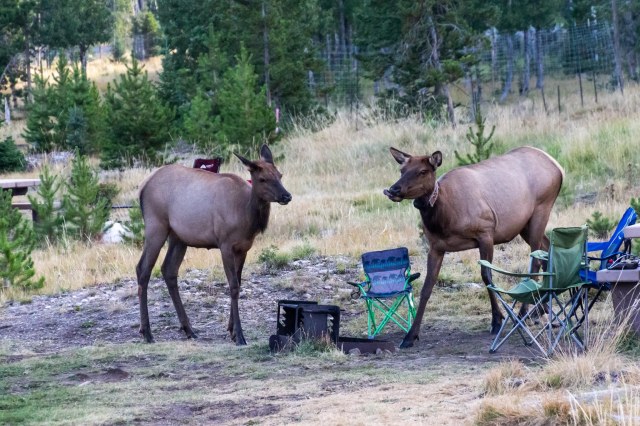
This grass is tasty. I wonder what’s in the trailer.
Check out that tongue. Talk about licking the old chops. Yum, charcoaled marshmallow.

Coyote Valley Hike

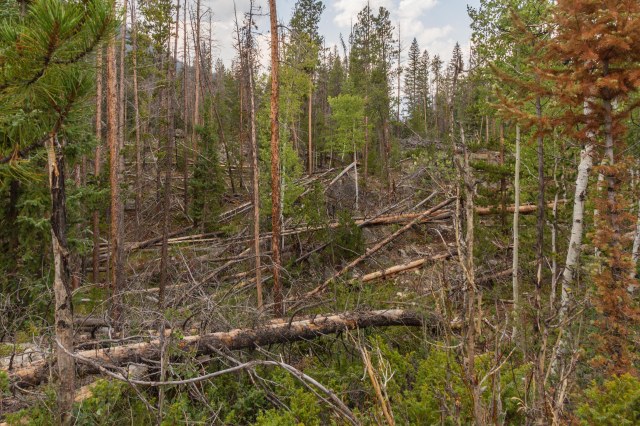
 The Coyote Valley Hike turned out to be a leisurely walk in the valley. We met a ranger volunteer and stopped to talk with her awhile. She told us that the mountain pine bark beetle infestation happened ten years ago and the beetles had moved on. The lodgepole pine trees most affected had reached the end of their lifespan of 90 to 100 years at the time of the infestation. Small trees reaching for the sun between the dead trunks and limbs was a sign that a new forest would soon replace the dead one.
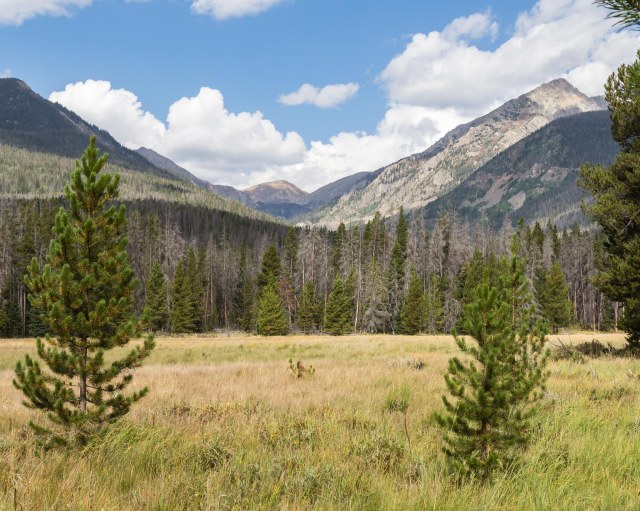
Coyote Valley

The Colorado River Glacier carved out the valley which measures 20 miles long. Remnants of glacial ice still occupy the east-facing valleys high in the Never Summer Mountains.
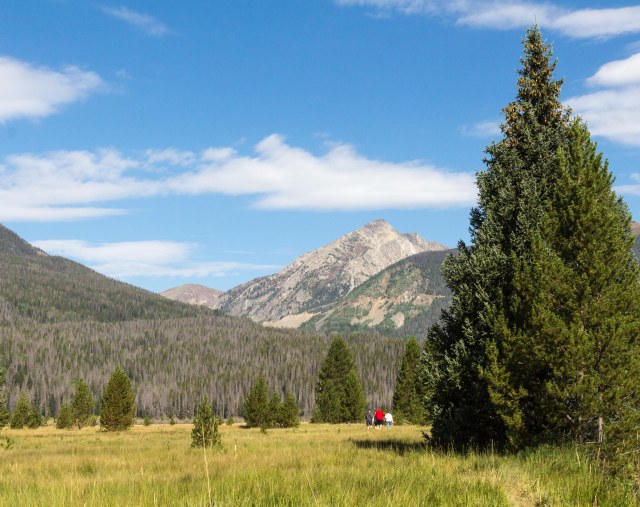
The trail is marked well with information signs along the way
Colorado River meanders through the valley

Recent history saw the Utes and Arapahos hunting in the valley until the 1870s when a mining boom pushed them out. Homesteaders tried their hand at ranching after the mining boom ended in 1886. In the 1920s, tourism brought fortunes to the homesteaders who operated the dude ranches, providing places to stay including meals. The valley has now returned to a more natural state.

Grand Lake

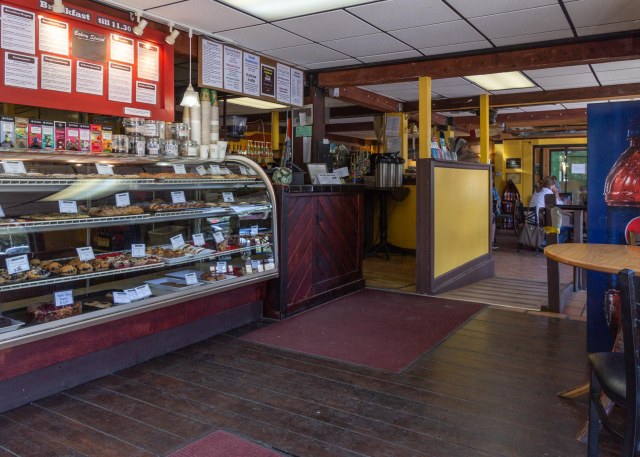
We made a run into Grand Lake to refill the truck, a propane bottle, and gas can. Then we searched for a restaurant for lunch. The Blue Water Café turned out to be a good choice. They served a chicken avocado sandwich on a toasted croissant with crisp lettuce and sweet tomatoes. The side salad, topped with tomatoes, cranberries, and cheese, was equally delicious. The ranch dressing was one of the best I’ve had. On the thin side and packed with herb flavoring, I wished I could have taken a bottle home.

Grand Lake Street Scene

Grand Lake is the largest natural body of water in Colorado and part of the Colorado River headwaters. The city, established in 1881 and incorporated on June 23, 1944, sits at an elevation of 8,369 feet. Once an outfitting and supply depot for mining settlements, it is now a tourist destination. Wikipedia lists Tim Allen, the actor, as a notable resident who married his wife Jane Hajduk there in 2006.

Blue Water Bakery Cafe
Inside Blue Water Bakery and Cafe
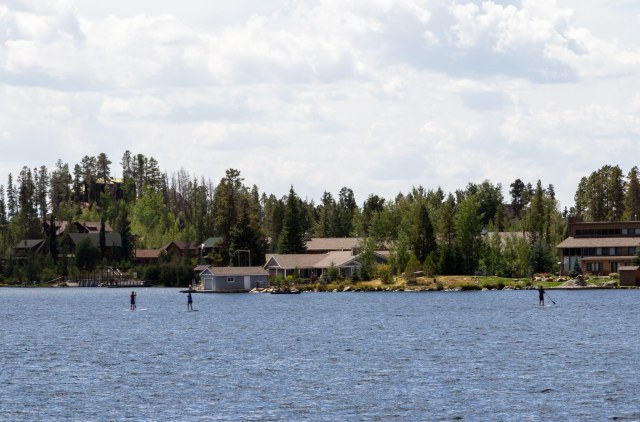
View across Grand Lake

Mountain Food Market and the People of Colorado

A trip to the market followed our lunch. It was such a tiny little store with every nook and cranny crammed with merchandise. The narrow aisles made it difficult when more than one basket wielding shopper was searching for items to buy. Even so, everyone was polite, saying excuse me and trying to get out of each other’s way.

It seemed like everyone we had encountered in Colorado had smiles on their faces and positive polite attitudes. Could this be because we had mostly been in rural and recreation areas so far? Would things be different closer to the metropolitan areas?

Next up we head to Lyons, Colorado, about 20 miles east of the park and 17 miles north of Boulder.

Safe Travels
Rocky Mountain National Park – Part 1

Rocky Mountain National Park – Part 1

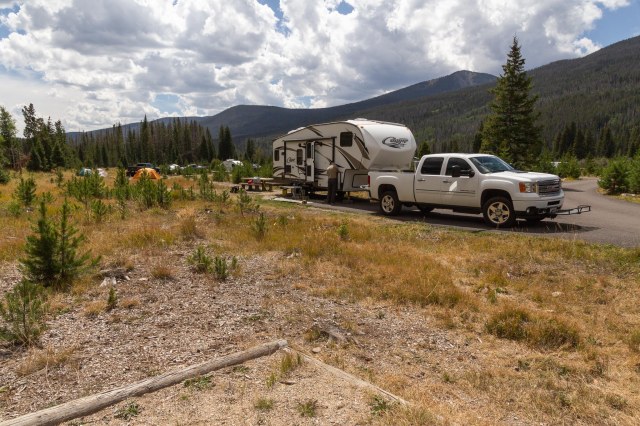
 It’s rare that we take off for a new destination without some idea of where we will stay for the night. Without a reservation or multiple options, it feels like a gymnast is inside my stomach flipping, flopping, twisting, and turning during the whole trip. Thursday, August 23, 2018, found us in such a predicament as we headed for the west entrance of Rocky Mountain National Park.

I could barely enjoy the view as we drove through Rabbit Ears Pass where patches of dead trees broke up the healthy forest covering the mountainsides. There were only 98 sites at the only first-come-first-served campground on the west side of the park.

The sign at the Grand Lake Entrance showed no vacancy for the first four campgrounds listed. Then the last campground, Timber Creek (first-come-first-served), showed vacancy. Yes! Now we only had to worry about finding a campsite for our 30’ fifth wheel. Would the sites be big enough?

All of that worrying turned out to be for naught, as it usually does. We managed to squeeze into a perfect spot, paid the fee, and settled in for three nights.

Timber Creek campsite

We had plenty of daylight left to commence with exploration. First stop, of course, was the Kawuneeche Visitor Center for maps and information about hikes. We didn’t plan on any strenuous hikes at elevations of 9,000 to 12,000 feet. Even though we had been in high elevations for almost a month, we still suffered from shortness of breath at the slightest exertion, the occasional headache, or dehydration. Sticking with the shorter and flatter trails would keep the more serious symptoms of altitude sickness at bay.

Adams Falls

Accessible near Grand Lake a few miles outside of the park, Adams Falls turned out to be our speed at a distance of .6 miles roundtrip and an elevation gain of 79 feet.  Lodgepole pines had fallen like pick up sticks along the trail, cluttering the forest floor. It looked like more than a good raking was needed to prevent a catastrophic forest fire.

Lodgepole pines downed by bark beetle
Adams Falls
Adams Falls empties into Grand Lake

Grand Lake Lodge

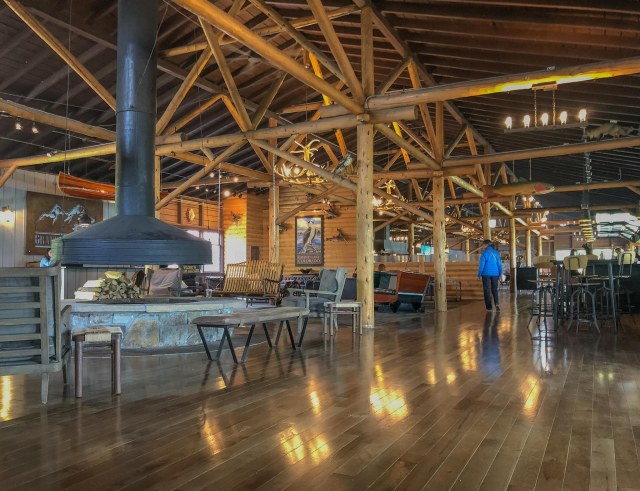
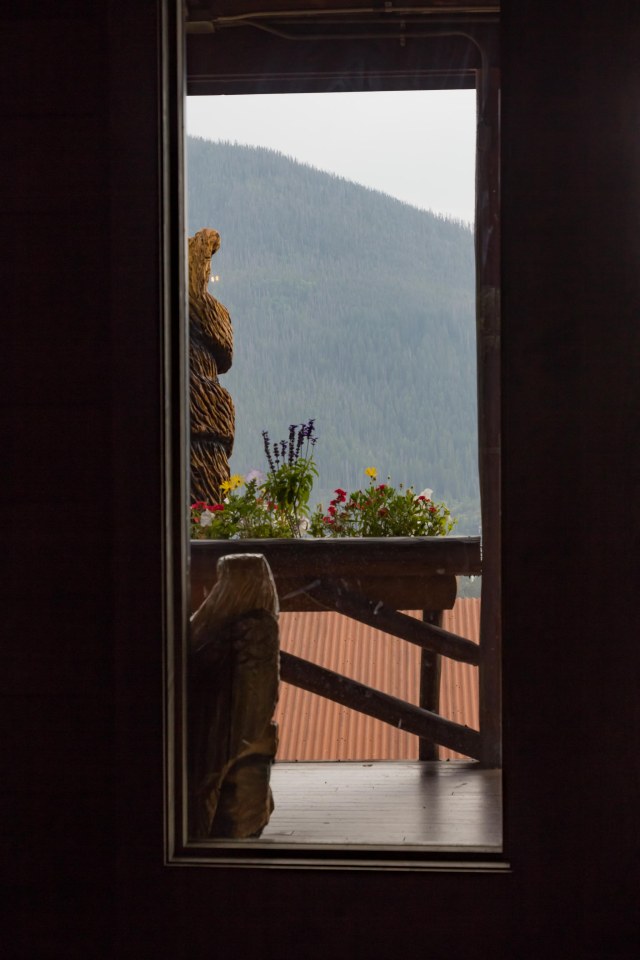
Grand Lake Lodge was our next stop. The lodge was either established, built, or began operation in 1920 or 1925. Three different signs listed three different dates. It’s a beautiful old lodge with wood beams and floors. A huge fireplace dominated the middle of the lobby with a bar on one side and a restaurant beyond. Seating on the porch was popular for its view of the lake.

Grand Lake Lodge with historic vehicles
Picturesque location for a wedding
Lobby area with fireplace, seating, and bar
Welcome to Grand Lake Lodge
Flowers on the porch create a homey feel

Tundra Communities

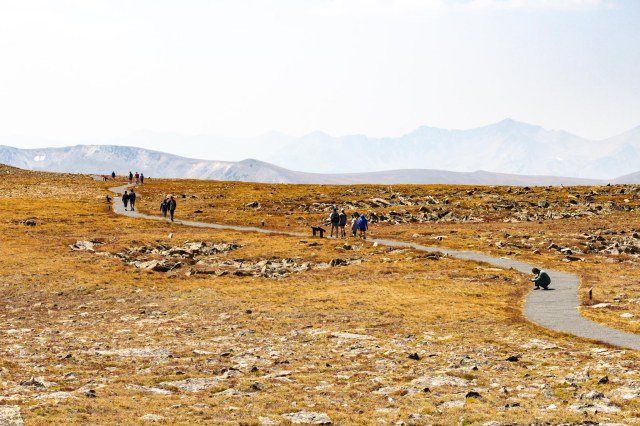
Our destination for the morning was the Alpine Visitor Center. Yeah, right. To get a parking place requires an early rise, something we rarely manage, or a long wait in line until someone leaves. We kept on driving to the Tundra Communities Trailhead. Information signs along the 1.3-mile roundtrip trail with an elevation gain of 260 feet explained the topography, detailed the plants and animals that live in the tundra zone at 12,000 feet and how they adapt to the cold temperatures. We came prepared for the cold donning our base layers, sweaters, jackets, gloves, and knit hats. The difference in temperatures from 9,000 feet to 12,000 is significant, especially when the wind is blowing.

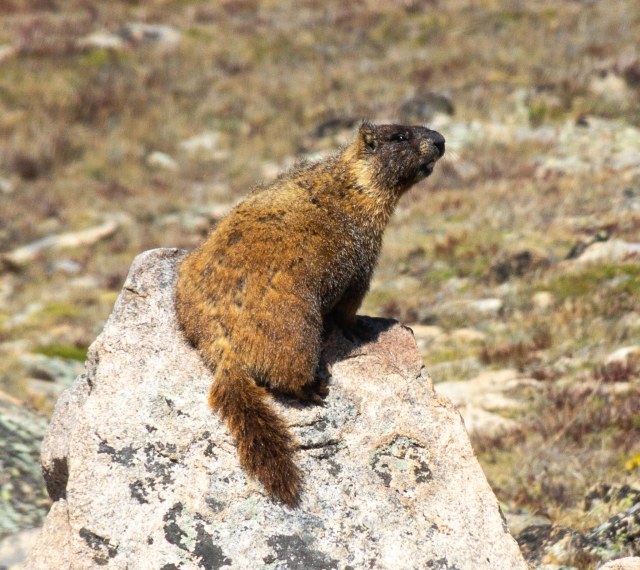
I had heard of marmots before, but never had the pleasure of meeting one in person. This guy must have been a lookout because we heard him screaming from the parking lot which was about a half mile away.

Marmot lookout squeals from atop a rock

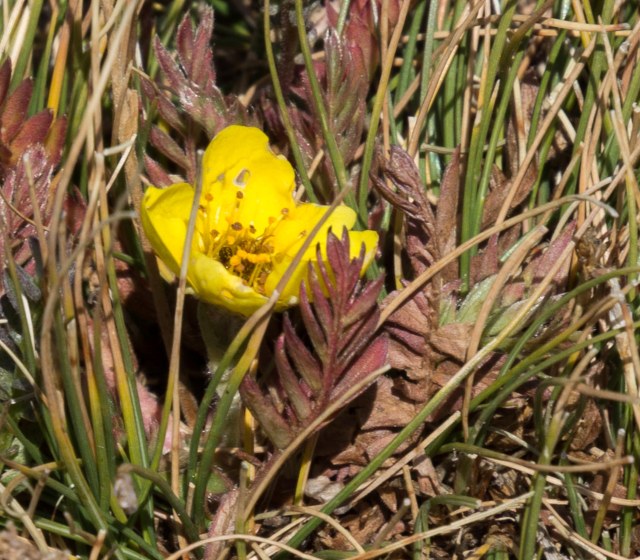
The tundra is similar to a desert in that it doesn’t look like much from a distance. Get down close to the ground, though, and it comes alive. All of the plants are miniaturized in the tundra. Some flowers are so tiny they’re hard to see. They stay low to stay warm and their little faces track with the sun.

Some alpine plants contain an antifreeze type chemical that converts sunlight into heat. Hairs also protect the plants from the ultraviolet radiation that in the tundra is twice what it is at sea level.

Yellow tundra flower nestles close to the ground for protection from wind and cold

It looks like someone came in with a skip loader and deposited piles of big rocks and boulders on the hill. The rocks actually were churned up; forming rock streams, strips, garlands, or polygons; when moist soil repeatedly froze and thawed.

Clusters of rocks provide shelter for tundra critters

An icy wind howled across the tundra cooling my left side as I made my way up the hill even though my right side was comfortably warm. On my way down the hill, my right side took the brunt of the wind. It was hard going, but oh, what a view. We envisioned a stressful drive pulling the trailer across the ridge after seeing the road from the top of the mountain.

Trail Ridge Road does not have guardrails
Even at 12,000 feet, smoke filled the air

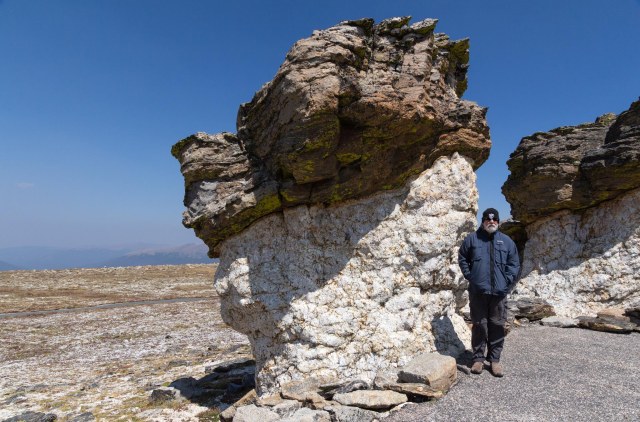
Strange mushroom-shaped rocks at the top of one hill looked out of place. The darker rock is schist which formed from sand, silt, and clay at the bottom of a long-ago sea. Magma pushed its way up from deep in the earth, cooled into granite forming the white mushroom stem.  Erosion finished the masterpiece and continues to shape and mold the formation.

Erosion shaped the mushroom formation

A little girl wanted to race across the field. Her father pulled her back. The girl cried and tried to wiggle out of her father’s arms. It could take 500 to a thousand years for trampled tundra to repair itself. Everyone must stay on the asphalt trail. Toddlers don’t understand.

Tundra Communities Trail

On our way back to base camp, we drove by the Alpine Visitor Center. There were even more cars lined up to find a spot to park. From the road, I saw a hill where people walked up and down. It looked like we didn’t miss much. We already completed our walk, viewed the tundra up close, and marveled at the views.

Trail Ridge Road

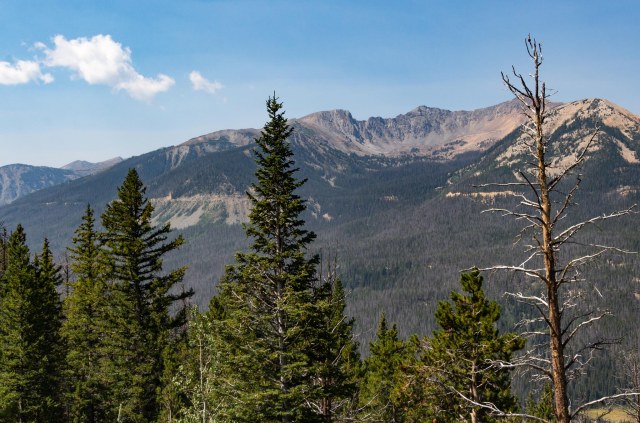
Driving along Trail Ridge Road we stopped at a few pullouts to take in the views. A portion of the Never Summer Mountains is depicted below. They are the only volcanic mountain range within Rocky Mountain National Park. With a length of 10 miles north to south, they form a section of the continental divide near the headwaters of Colorado River.

Mt. Stratus 12,500 feet
Never Summer Mountains
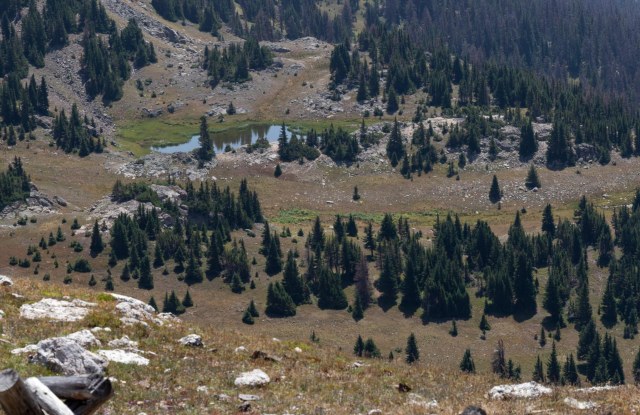
The valley below
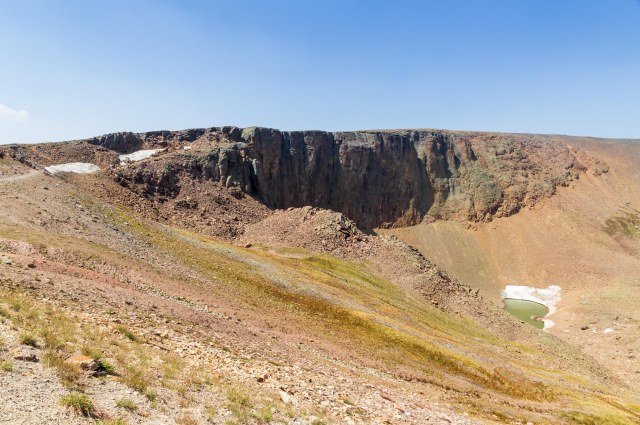
The Lava Cliffs were created 28 million years ago by a powerful volcanic explosion


More of our visit to Rocky Mountain National Park coming up next in Part 2.

Safe Travels
Steamboat Springs, Colorado

Our drive on Sunday, August 19, 2018, from Craig, Colorado, to Steamboat Springs only took us about 40 minutes. The scenery along the way that filled the windshield included canyons, green pastures, grazing cows, and rolling hills.

Where’s the Steamboat?

No actual steamboat has ever resided in Steamboat Springs. The story goes that trappers named the spring from where they heard what sounded like a steamboat. The city later adopted the name when it was incorporated in 1900. The economy originally rolled along supported by ranching and mining. In 1913, Carl Howelsen, a Norwegian, introduced ski jumping by building the first jump on Howelsen Hill, now part of the Howelsen Ski Area. A winter carnival soon followed and is the oldest continually operated ski area in the state. Founded by Jim Temple and John Fetcher, the Steamboat Ski Resort opened in 1963 and is now the largest employer in Steamboat for the population of nearly 13,000.

With a 2-bedroom condo offered at just under $500,000 and many single family residences going for over $1 million, this resort town is not an inexpensive place to live. I suspect many of the condos and residences are second homes for people who drive or fly in to enjoy the skiing and other winter activities.

Adventures in Laundry

Laundry day, usually a boring activity, turned out to be a challenge in Steamboat. After setting up and eating lunch, I strolled over to the Steamboat Springs KOA laundry to check out the facilities. They had four washers and six dryers crammed into the corner of a building. Really? Why would they have six dryers if they only had four washers? It seemed like a waste. Two women had the machines filled with their clothes and another woman waited for her turn. It was going to be a while before I could squeeze in and I really needed more than four machines.

A quick search online showed a public laundry not too far away. The pictures online of rows and rows of clean and modern machines promised a better facility. Sadly, most of the machines had “not working” signs on them. Water seeped out from under one machine. Congregated around folding tables and one of the doors, a group of hippy-dippy type young people gathered around a guy playing a ukulele and singing. With the young people sporting dreadlocks, baggy pants, and ill-fitting shirts, and the distinctive odor of ganja hanging in the air, Jon and I were transported back to 1967. I had to silently laugh when I saw one of the guys pulling on a pair of jeans that had not dried yet. Hey, I remember pulling on wet jeans and letting them dry while I wore them. Oh, to be young again. Well, maybe not.

Fish Creek Falls

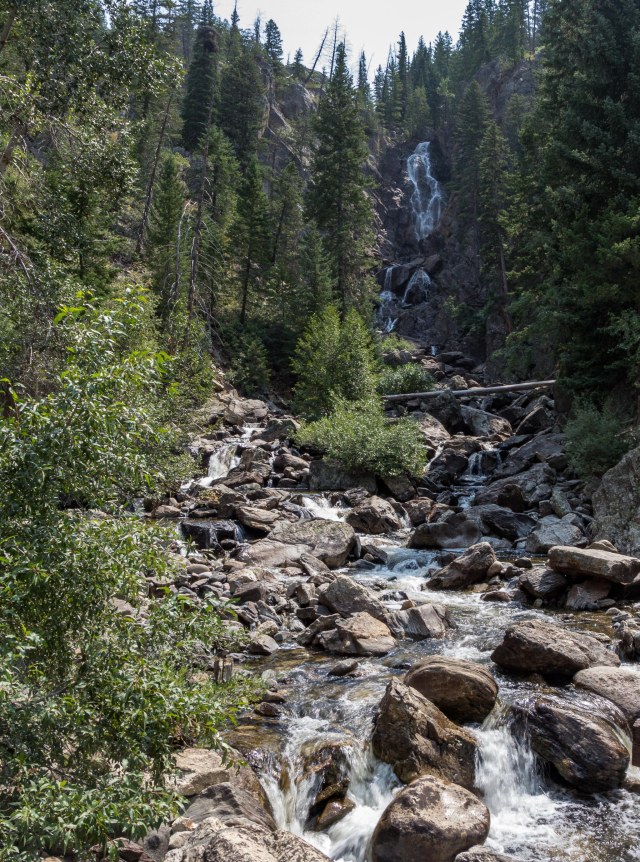
We sought out the Fish Creek Falls trail to start on our first full day of adventure. The accessible trail to the lower falls is only a 1/4 mile, so easy peasy even at an elevation of 7,440. The trail continued for another 5 miles, but it was a bit treacherous. Another ½ mile was enough for us.

Fish Creek Falls Trail
Fish Creek Falls
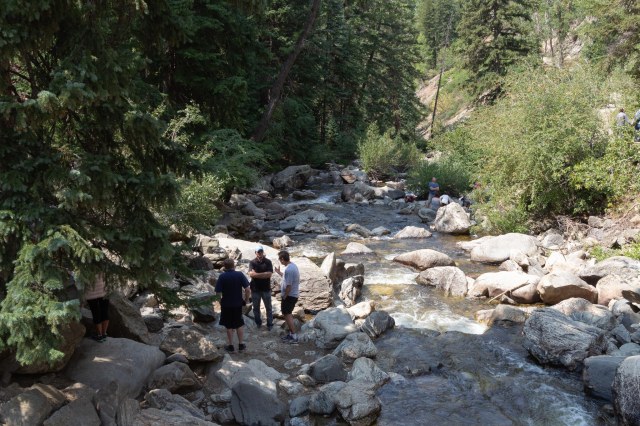
Watching the world go by
Accessibility of Fish Creek Falls makes it a popular place

Yampa River Botanic Garden

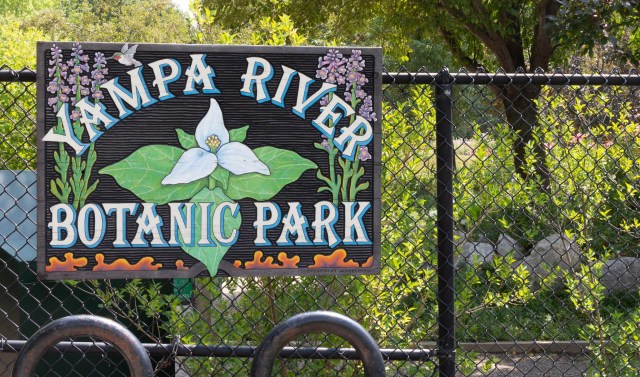
The Yampa River Botanic Park was next on our list. It took us a few tries to find the place. The instructions said to turn on Emerald Park Lane, but the actual street sign said Emerald Park Way. We finally saw the soccer field and knew we were in the right place. We were flabbergasted that a botanic garden thrived in a place that receives snow 7 to 8 months out of the year.

Yampa River Botanic Park

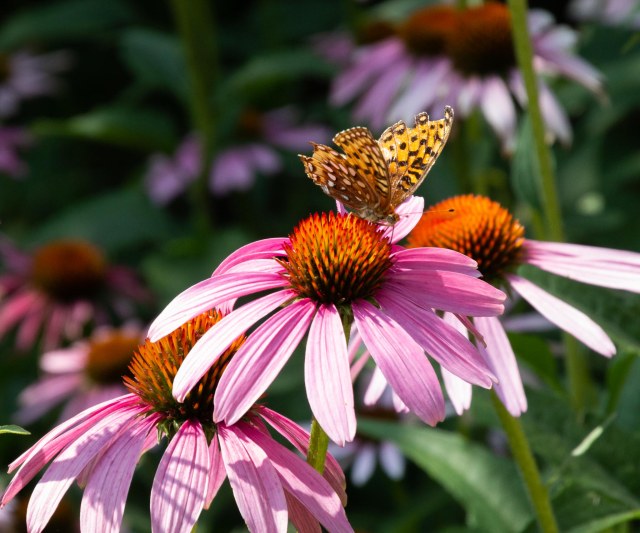
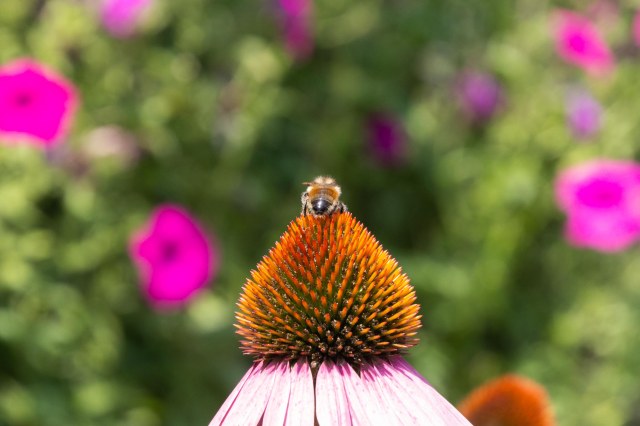
A butterfly garden inside the gate contained echinacea in full bloom with bees, moths, and butterflies whirling around and landing on the flowers.

Butterflies love echinacea
Bees love echinacea too

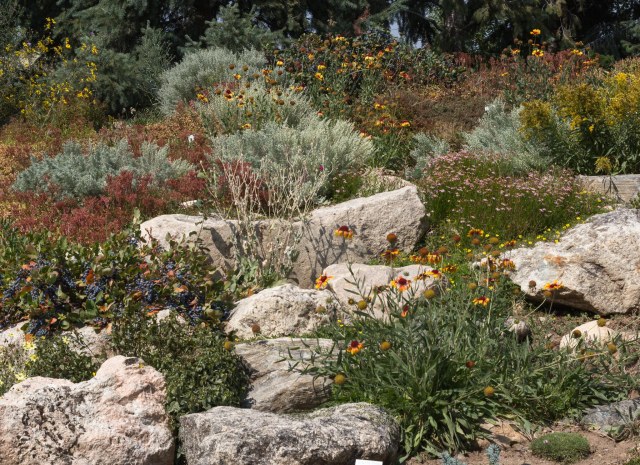
Rocks terraced on a small hill create pockets for a variety of plants and flowers to grow and flourish.

Rock garden
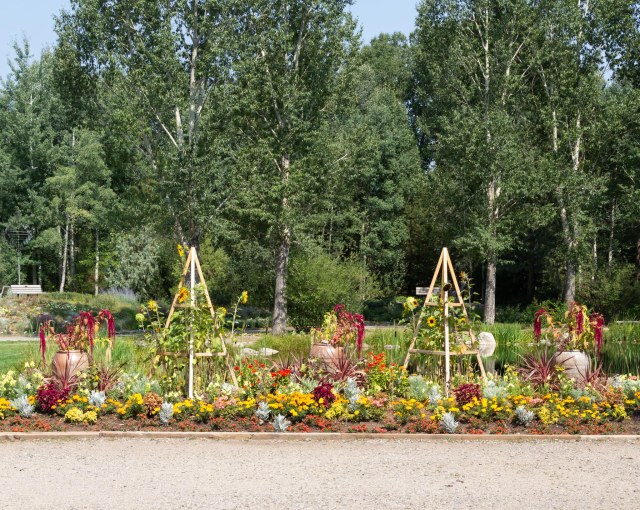
Colorful garden plot
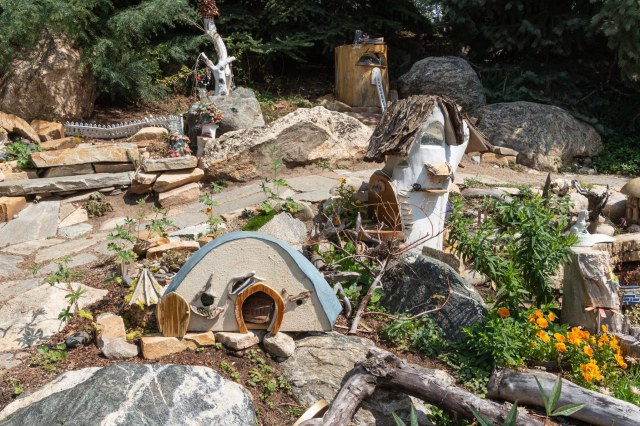
Whimsical houses for birds and other creatures

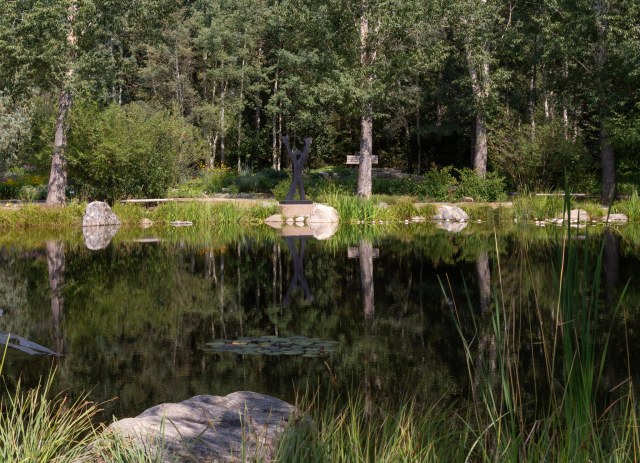
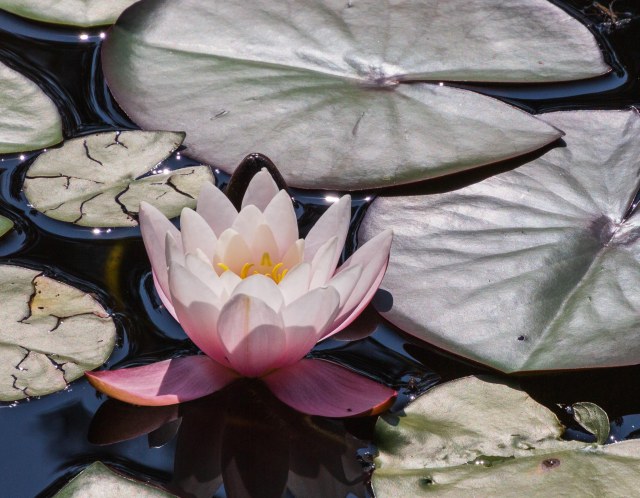
Plenty of benches throughout the park are strategically located for a view of the plant and flower displays. We picked a bench that overlooked a pond where cattails and water lilies bloomed.

Reflecting pond
Water lily and pads

Then we wandered around the pine forest and found a few hideaways to explore.

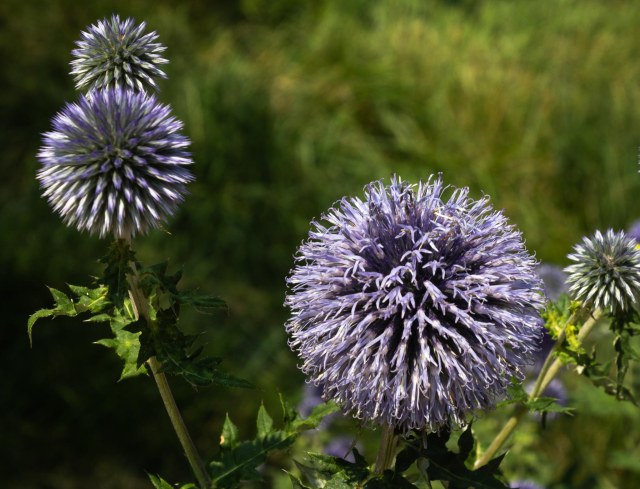
Alliums
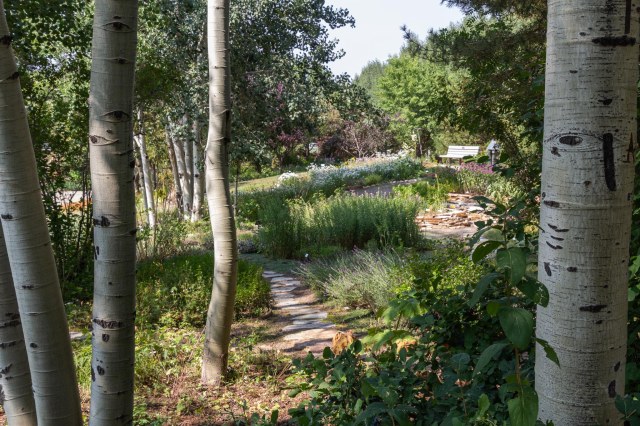
A trail led through an aspen grove

I wonder how many people visit Steamboat Springs every year and never realize there is a botanic garden growing with such bounty. It is truly a wonderful place to visit.

Downtown and The Shack Cafe

After the botanic garden, we ducked in and out of a few of the shops while we searched for a place to eat. I had expected the stores in the downtown area to consist of brand name upscale shops one might see in a ski resort, not so. It was a nice surprise to enter the independent establishments with unique offerings.

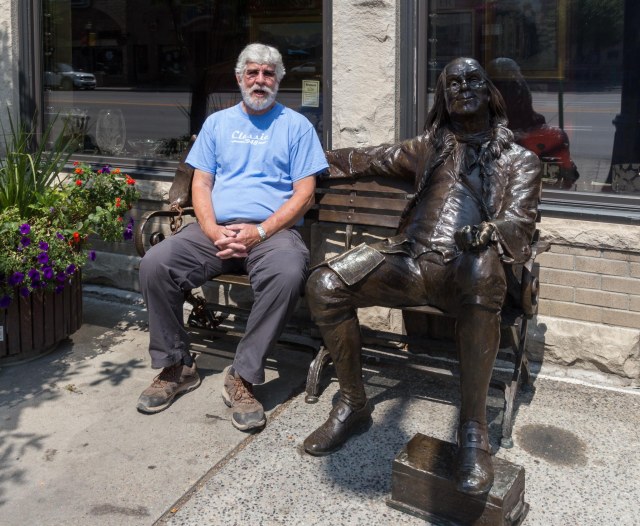
JT kicking back with Ben Franklin

The Shack Cafe closes for the day after lunch service, but we managed to make it inside before they flipped the sign over. A French dip and a side of sweet potato fries for me and a bowl of chili and salad for JT satisfied our hunger pains.

Steamboat Lake State Park

After Jon nursed a headache one morning and an hour’s worth of rain passed over, a drive to Steamboat Lake State Park occupied our afternoon. This state park looked like a great place to stay with stunning views of mountains. There are 113 campsites and most can accommodate large RVs and some are pull-through sites. Only electric hookups at some sites, with no water or sewer. One loop had a nice restroom, laundry, and store at the marina. Deer grazed and strolled through the sections of the campground that were less occupied.

Steamboat Lake and campground
Steamboat Lake State Park View
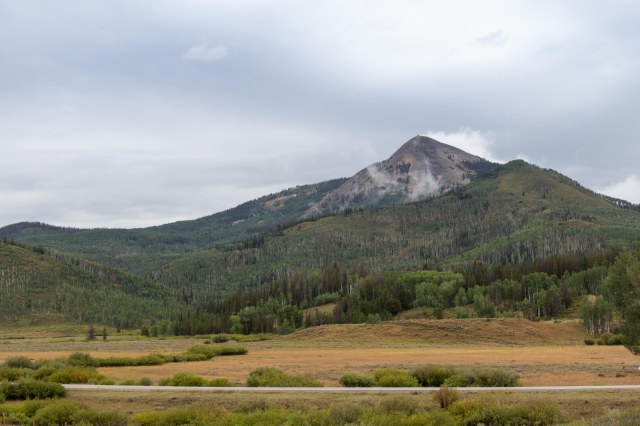
Hahn’s Peak

Vista Nature Trail

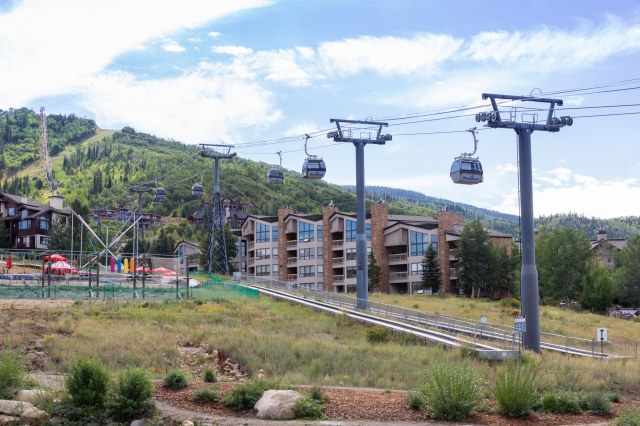
The highlight of our time in Steamboat was stumbling upon the naturalist-led hike on Vista Nature Trail followed by a gourmet lunch at the lodge. Our objective for the day was a hike along the Vista Nature Trail, but when trying to find its location we learned we had to take the gondola to the top of the mountain.

When we arrived to purchase our tickets, the offer for the hike and gourmet lunch was too good to pass up. The hike turned out to be led by not only the naturalist, Katy from Yampatika, but also Mark Bass a Steamboat Resort ambassador and a woman from the botanical garden.

Each of them added a unique perspective to the hike. Katy talked about the geology of the area. Mark talked about the history of the town and ski resort, and the woman from the botanical garden pointed out which plants were edible and which were poisonous. We even had a chance to taste huckleberries, which pack a sweet punch in a tiny berry.

Steamboat Springs Gondola
Steamboat Springs Resort
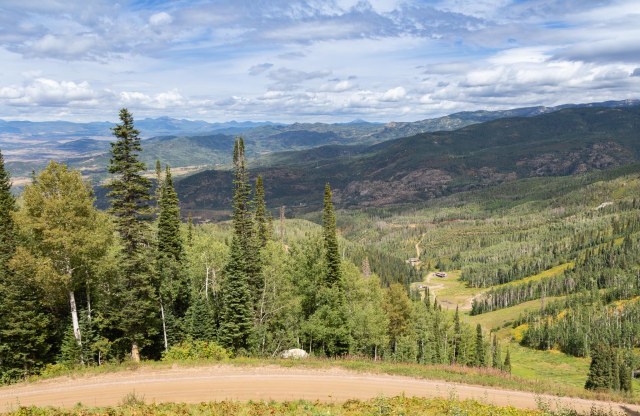
View south of Yampa Valley from the mountain range
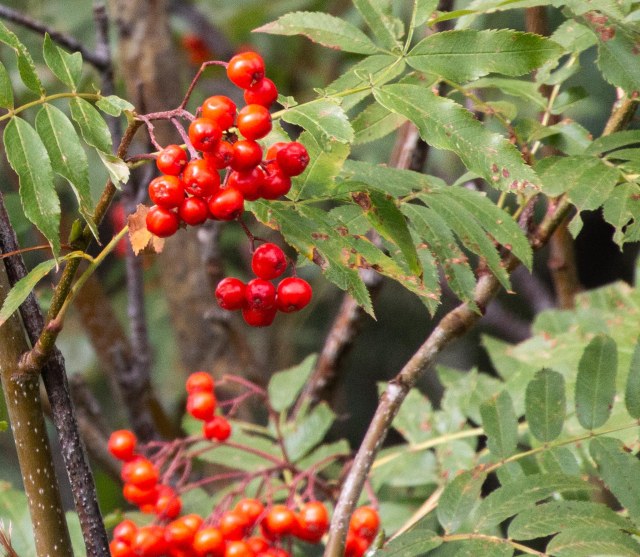
Sumac berries
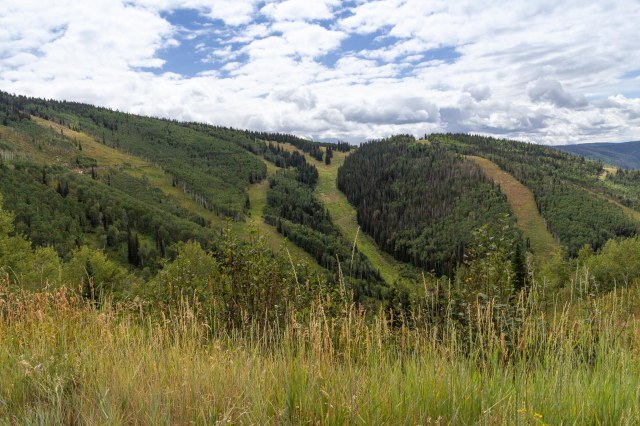
Ski runs
Not all was green

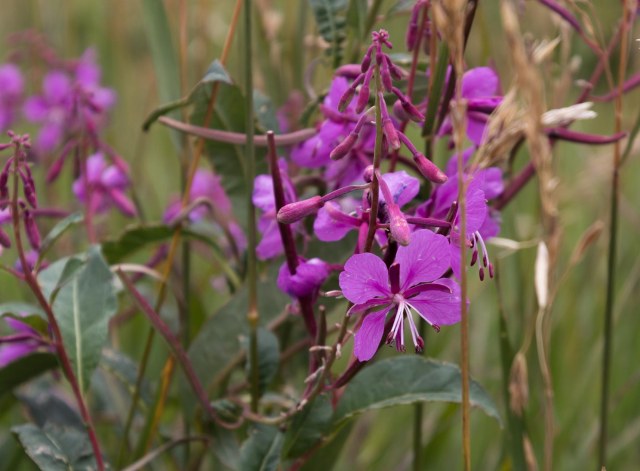
Even though it was mid-August, wildflowers still bloomed at the top of the mountain, much to our surprise.

Fireweed
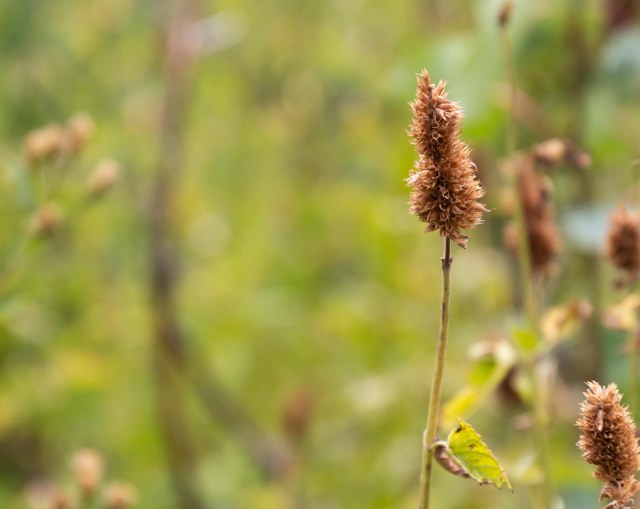
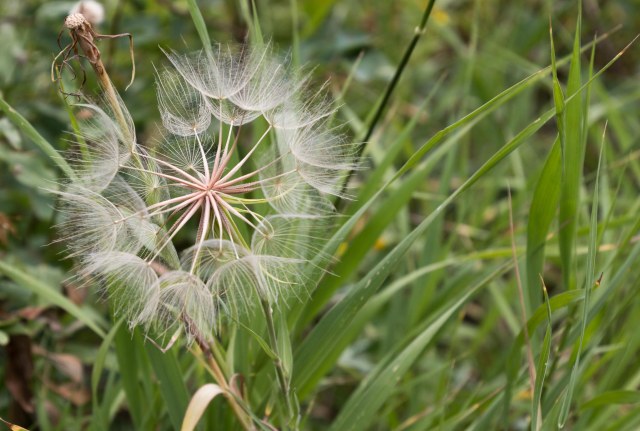
Puffball
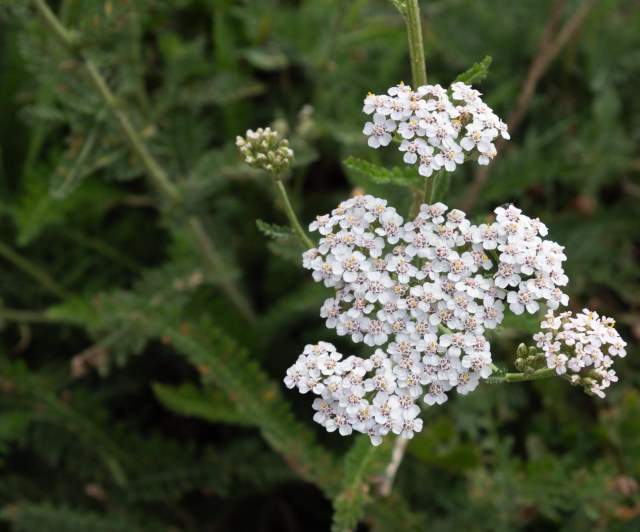
Alpine Yarrow

We managed to pick a good time to visit Steamboat Springs. Prior to our arriving, smoke filled the skies. A little rain cleared out the smoke leaving beautiful blue skies and puffy clouds.

View north from Steamboat mountain range

We would have stayed longer in Steamboat if the KOA hadn’t been booked solid for the weekend coming up. There was much more for us to explore. Perhaps we will make our way there again to spend more time.

Although we were sad to leave, we looked forward to making our way to Rocky Mountain National Park.

Safe Travels
Craig, Colorado

Our next stop in Colorado was a two-night stay in Craig starting August 17. We checked in at the KOA, which was an older RV park with new owners. They had already renovated the restrooms with new tile. The train tracks bordering the south end of the RV park gave us pause. Sounds of a train rumbling by in the middle of the night and disturbing our sleep didn’t seem like fun. As it turned out, the tracks only function as a spur line and no trains traveled the route during our stay.

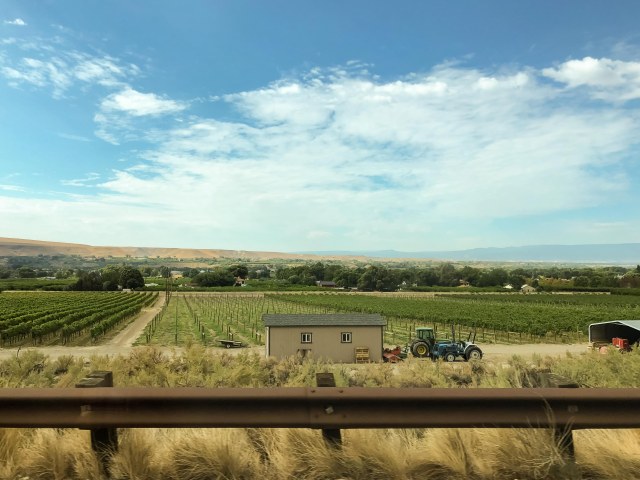
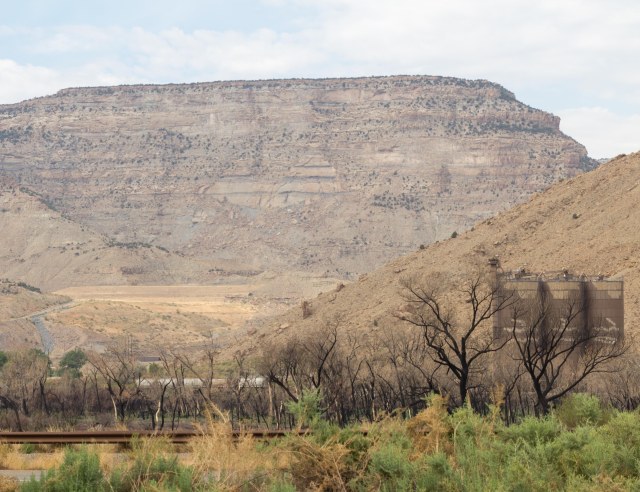
Our drive from Fruita took us along the Colorado River on Interstate 70 east then we headed north on Colorado state route 13. While wide and shallow in some spots, the river moved swiftly in other places. A local from Grand Junction told us the river’s level was the lowest he’d seen since the mid-eighties. The low level is probably not a good sign for the Zonis and Calis that rely on the river for recreation, farming, and drinking water.

Verdant valleys with orchards, vineyards, shade trees and green grasses fanned out from the river. On the other side of the freeway, the terrain was more desert looking with yellow grasses, short shrubs, or just rock. The mountain cliffs continued to tower above the valley floor with a plateau here and there.

One one side of the freeway a verdant valley
While the other side takes on a desolate look

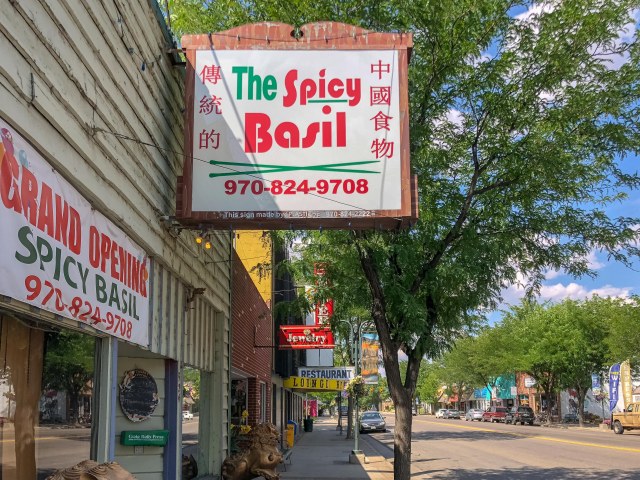
With a population of approximately 9,000, Craig serves as the Moffat County seat. A drive through town revealed a city in transition. While many of the residential streets contained well-maintained dwellings with tidy yards, other homes had slipped into disrepair. The downtown area was similarly checkerboard with businesses that looked like they had been around for years, others fairly new, and still others abandoned, like the Safeway grocery store. The City Market, however, stocks just about anything a person might want or need.

Craig, Colorado, street scene

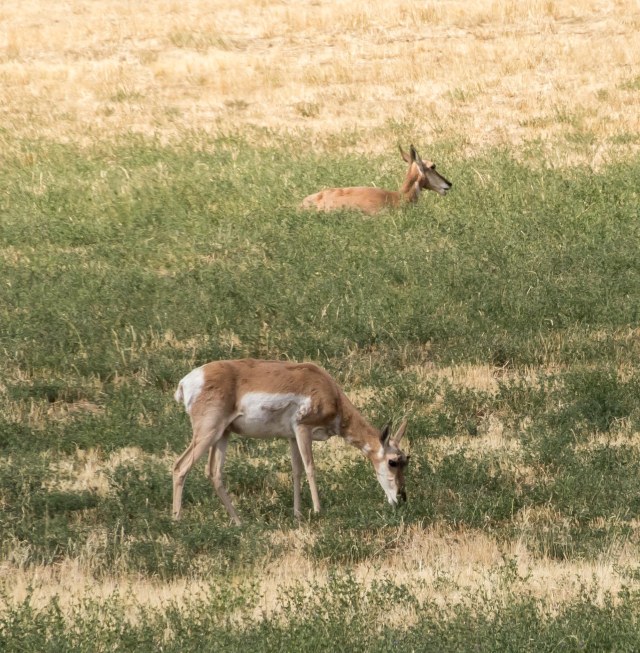
Some people consider the City of Craig as the Elk Hunting Capital of the World. Signs and posters on business property welcomed the hunters to town. We saw a group of elk trying to cross the road and plenty of pronghorn grazing in fields around town.

Grazing pronghorn

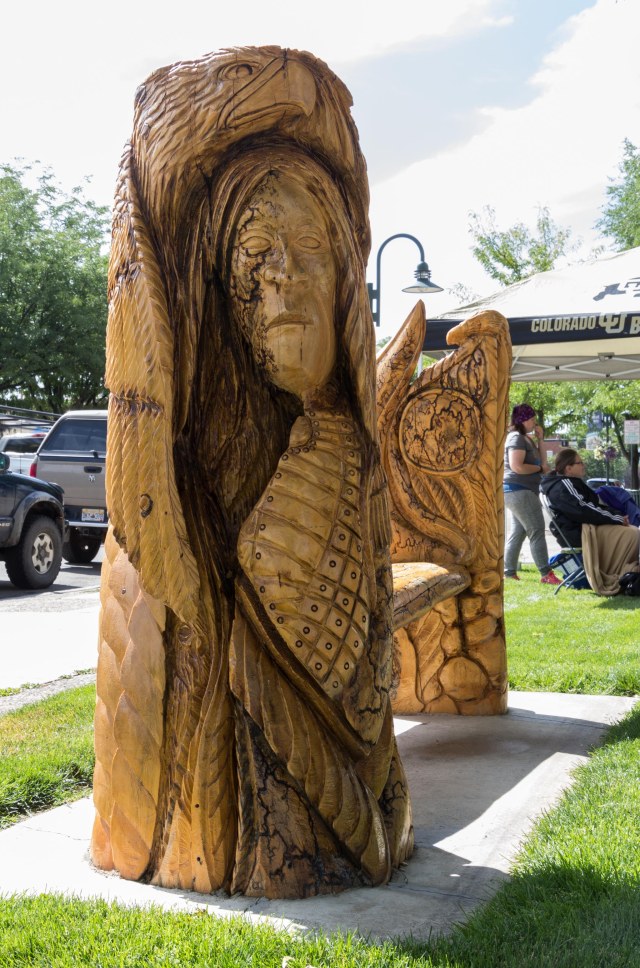
Other draws to the city include the Museum of Northwest Colorado and the Wyman Museum. June would be a good time to visit Craig. That’s when the city holds a Whittle the Wood Rendezvous chainsaw carving competition & festival. Several examples of past entries and winners occupy space in the downtown area.

Woodcarving made into a bench

The Museum of Northwest Colorado

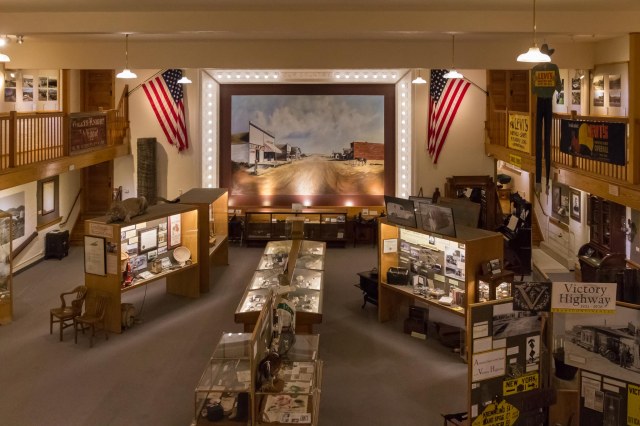
Open year round, except for holidays and Sundays, with free admission, the Museum of Northwest Colorado is a great place to visit. I liked the wide aisles, display signs, and how neat and orderly the artifacts were displayed.

View of the museum from upstairs

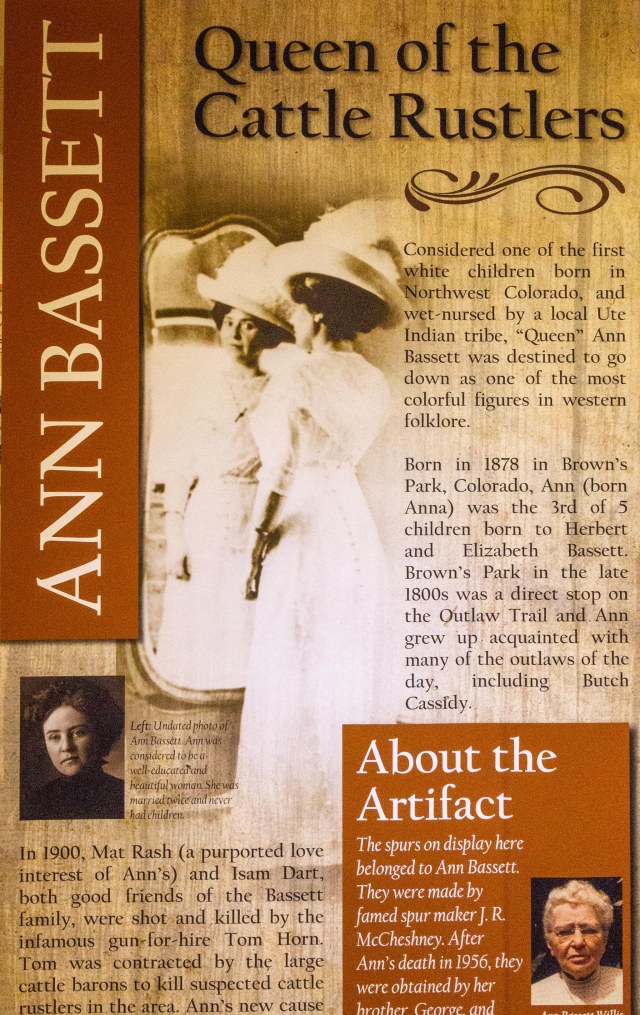
For instance, artifacts included a set of spurs once owned by Ann Basset, the queen of the cattle rustlers. The posters near the displays tell the stories of not only the artifact but also the owner and how the item came to the museum.

Ann Bassett, the queen of the cattle rustlers

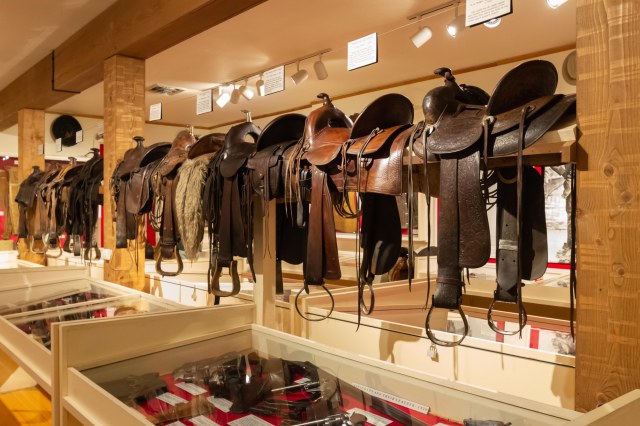
A whole room is dedicated to the western cowboy where saddles, spurs, and weapons are arranged.

Saddles, spurs, and firearms

Other displays included an entry from the June 2008 Whittle the Wood Rendezvous, mining equipment, stagecoach model, and information about prominent residents of the area.

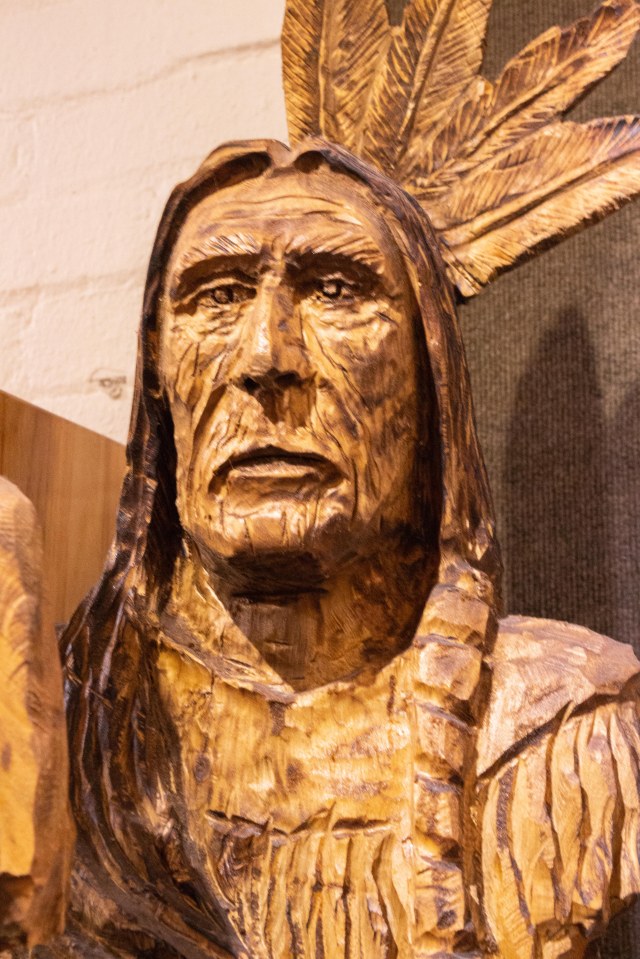
The detail of this carving caught my eye. It amazed me to think it was created with a chainsaw.

“We Were Free” by Ron Eye created during Whittle the Wood Rendezvous June 2008
Mining Equipment
Butterfield stagecoach model

Archie Smethurst was a stage driver and proprietor from 1904 – 1906.

Archie Smethurst display

Downstairs are posters of graduating classes dating back to the 1900s along with yearbooks that serve as a great resource for genealogists filling in the gaps of an ancestor’s past.

The Wyman Living History Museum

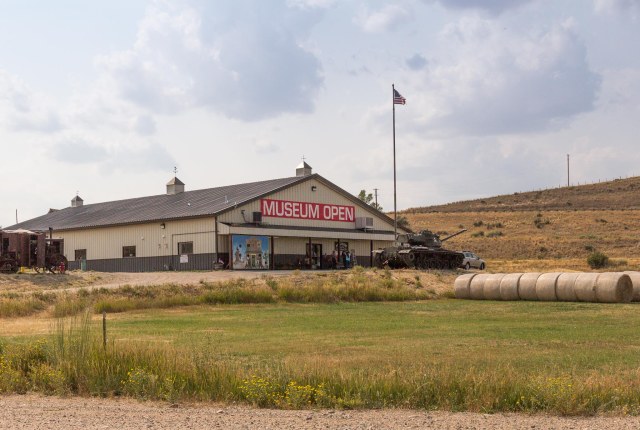
While the Museum of Northwest Colorado preserves the artifacts and legends of the old west, the Wyman Museum is an eclectic assortment of memorabilia collected by Lou Wyman since 1949.  A military tank takes center stage in front of the museum entrance.

Wyman Living History Museum

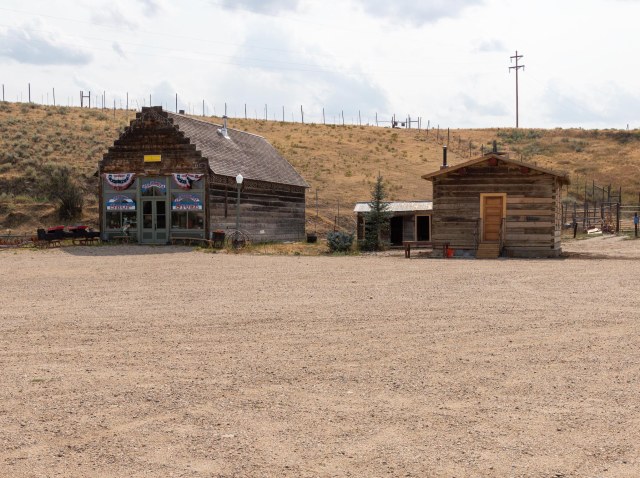
Outbuildings consist of an old barn, blacksmith building, schoolhouse complete with a three-stall outhouse, and a general store.

Blacksmith building and barn
General store on the left, schoolhouse on the right, and a three-stall latrine behind and to the left of the schoolhouse

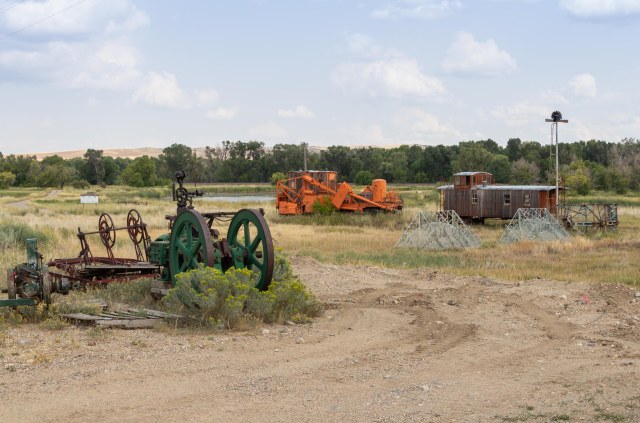
Also, on the property is Sherman Park, which contains a pond for fishing, a large population of leopard frogs, cattails, and other marsh grasses and plants. There is also a section dedicated to archery shooting.

Farm and train equipment scattered about the yard. Sherman Park and pond are behind the orange piece of equipment.
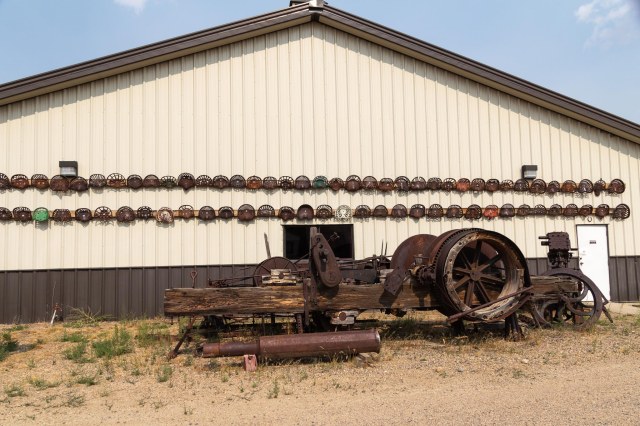
Collection of tractor seats

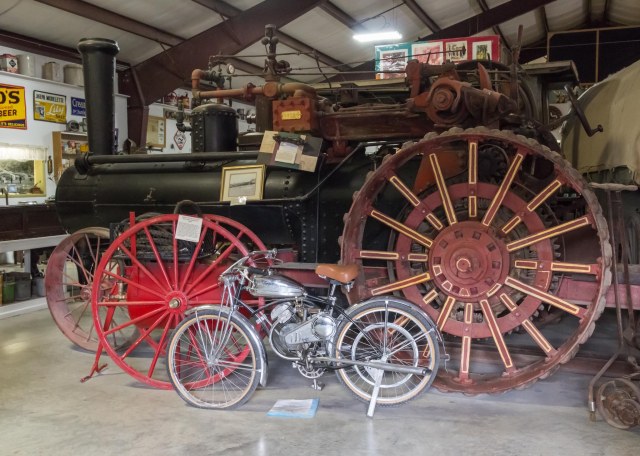
Inside the museum, visitors find automobiles, a hearse, military memorabilia, farming implements, and equipment, old boat motors, mining display with tools and much, much, more.
Western style kitchen
Plane
Various vehicles
Hearse and camera equipment
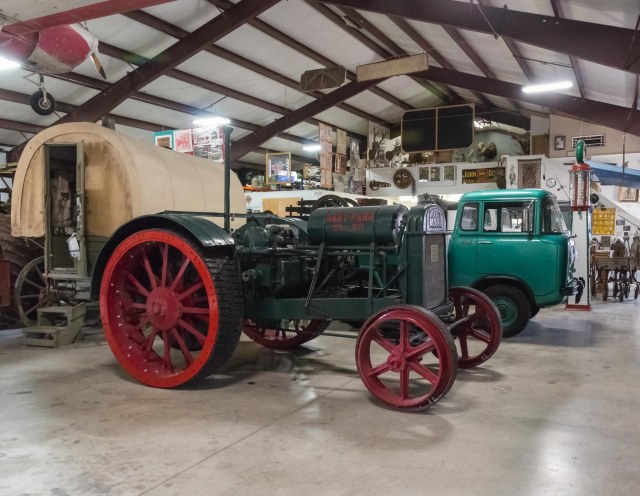
Sheepherder’s wagon and a tractor
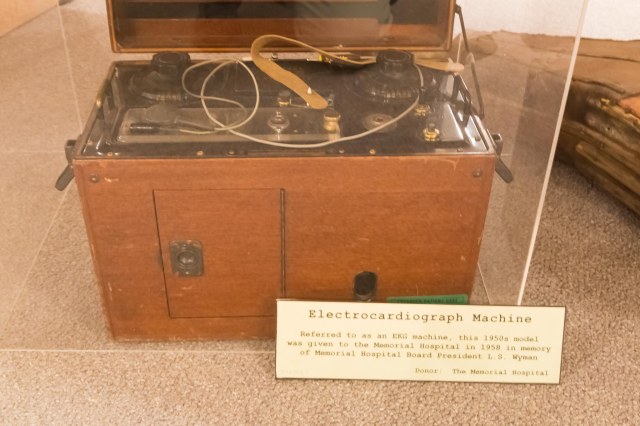
A 1950 model electrocardiograph (EKG) machine

The guys from American Pickers, the reality television program produced by A&E Television Networks and the History Channel, filmed an episode at the Wyman Living History Museum which aired with the title “One of Everything” on April 23, 2018. Take a look at the episode to see more of Lou Wyman’s collection.

That concludes our time in Craig, Colorado. A great place to stay for a little peace and quiet and a slower pace. Stay tuned for our next stop in Steamboat Springs.

Safe Travels