After our trip to Wisconsin, we settled in at home for a few weeks and caught up on chores. One chore we weren’t ready for was the purchase of a new car. I loved my 18-year-old Acura MDX and wasn’t eager to give it up. “We’ll just look,” I said when we left to visit the Toyota and Hyundai dealers.
Ha, ha, ha. We didn’t know how impossible it would be to walk away without leaving a deposit after a test drive in a Hyundai Santa Fe. As owners of our new car, we couldn’t just park it in the garage. We needed a place to take it. “Fort Bragg, California, here we come, and a ride on the Skunk Train will be fun.” That was something I’d wanted to do for years.

We stayed two nights at the North Cliff Hotel, which sits upon a bluff with views of waves crashing against boulders and cliffs below. We arrived with plenty of time to check in and watch the sun dip into the ocean while eating dinner.


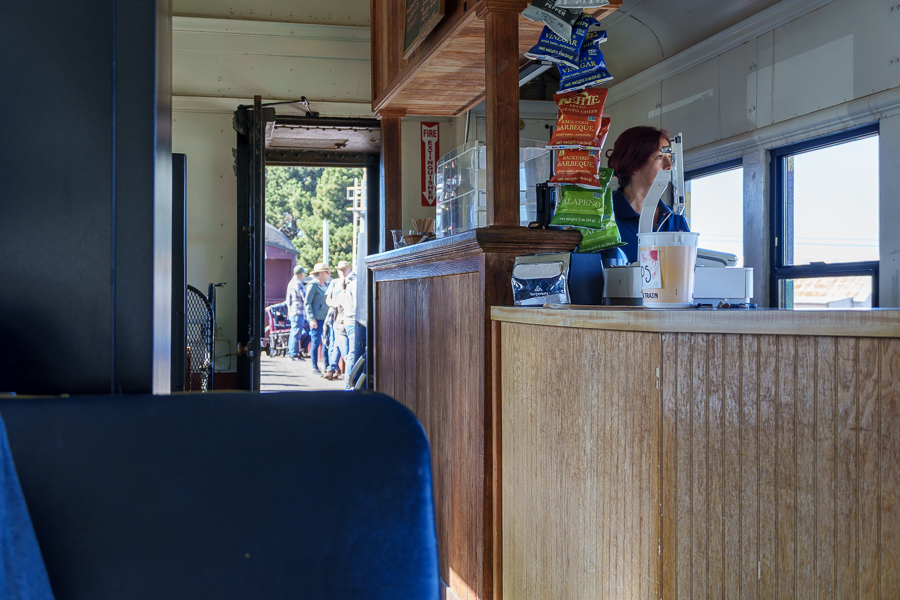
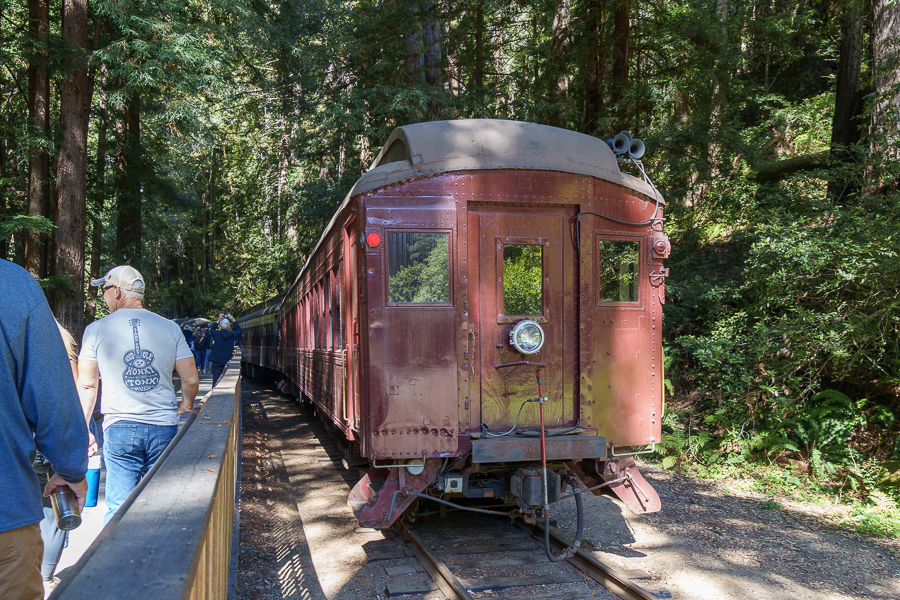
The next day, October 2, 2024, we started our day with breakfast at the Home Style Cafe. Then we rode the Pudding Creek Express, otherwise known as the Skunk Train. The 7-mile round-trip excursion to Pudding Creek Estuary stops at Glen Blair Junction.


The Skunk Train

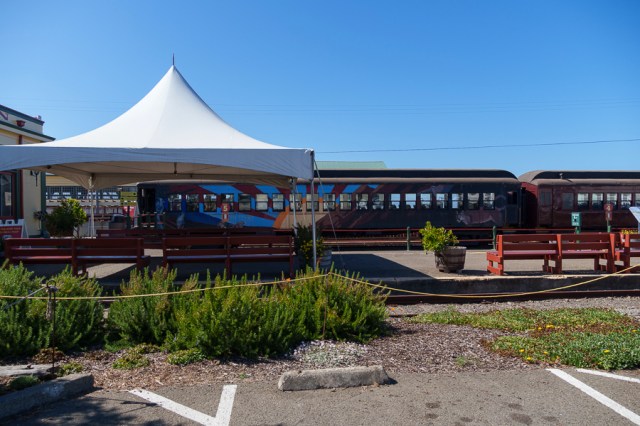

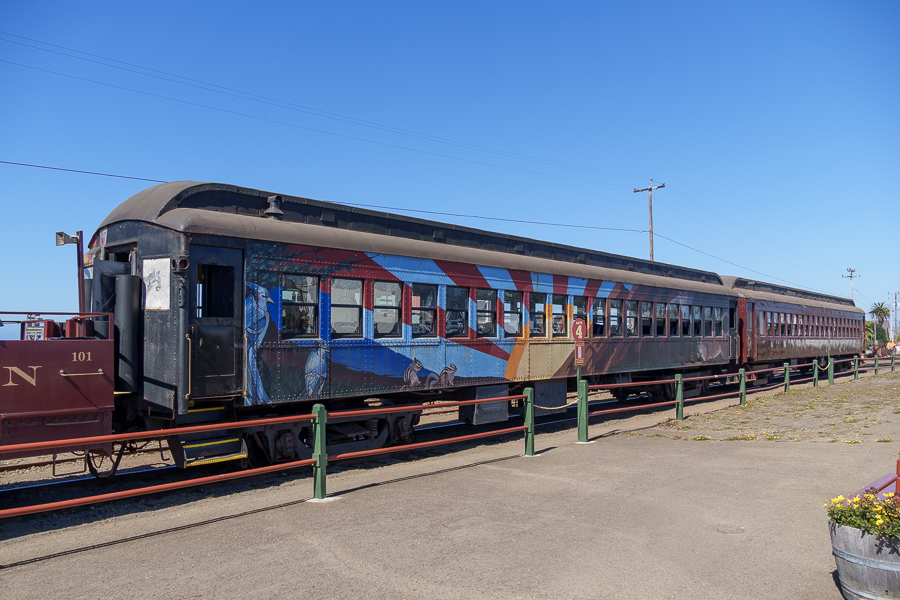
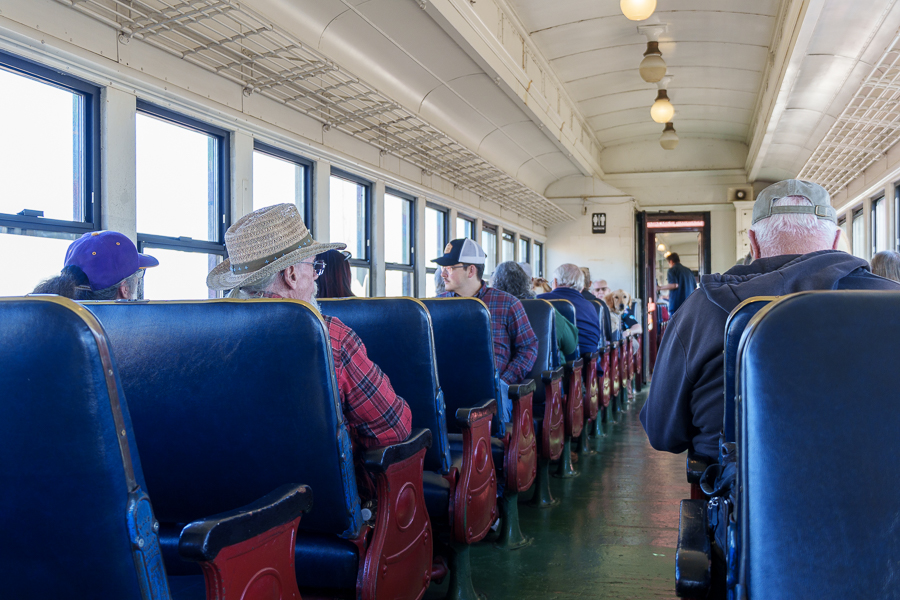
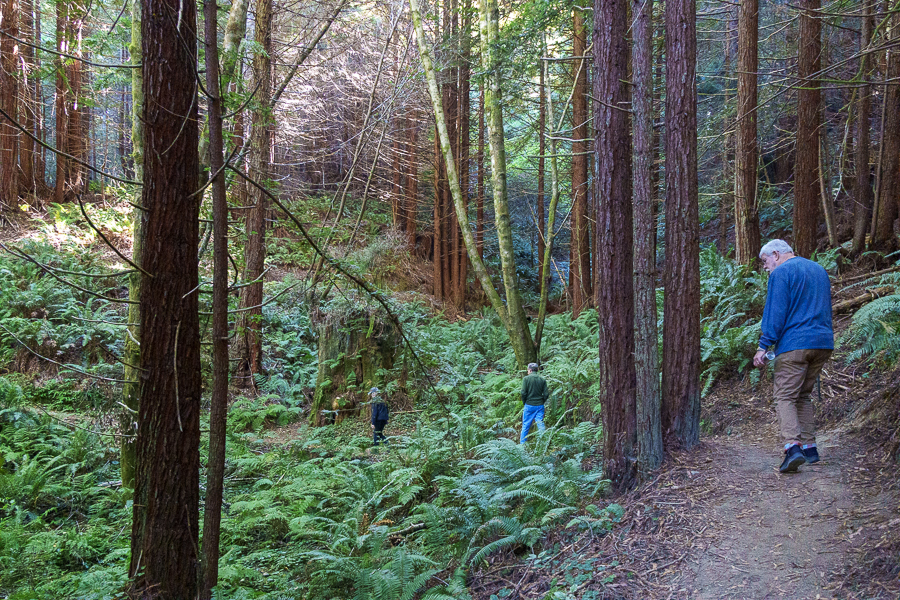
At Glen Blair Junction, the conductor encouraged us to stretch our legs, play yard games, and explore the path through the redwood forest for 45 minutes.
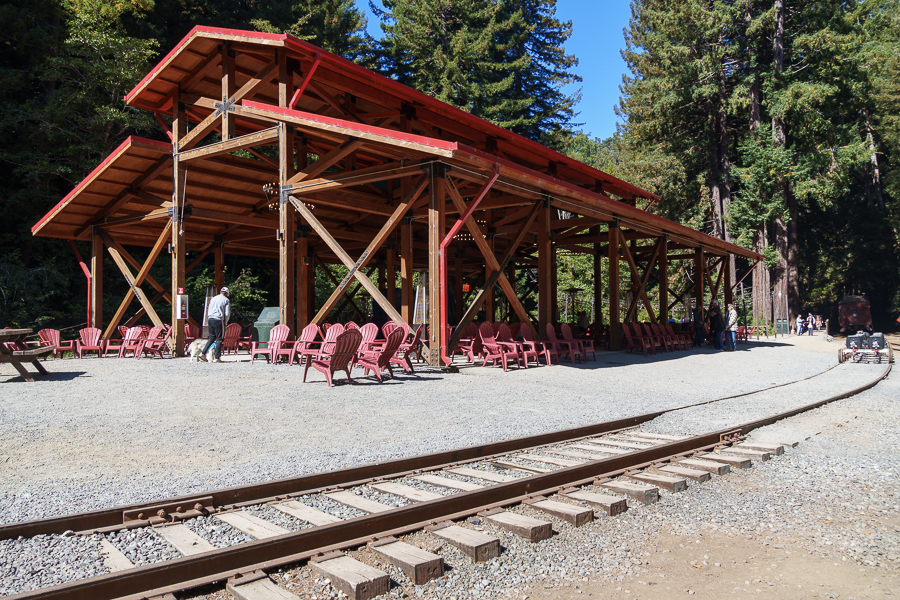
Other adventures are available from Fort Bragg. Ride the train up to Glen Blair Junction and take about a 1-hour walk back to town, or walk up, catch the train, and ride back. Railbikes for two are also a popular way to get to Glen Blair.

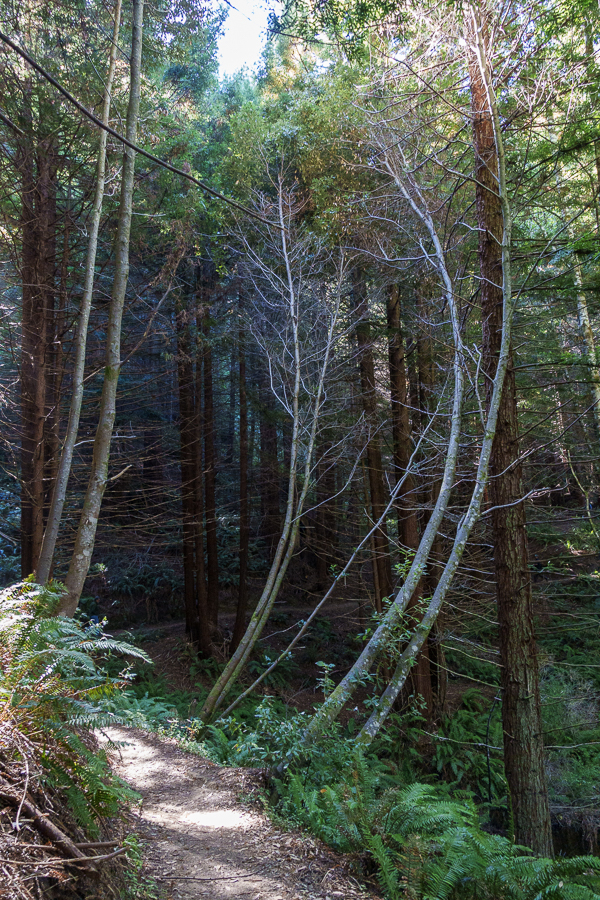
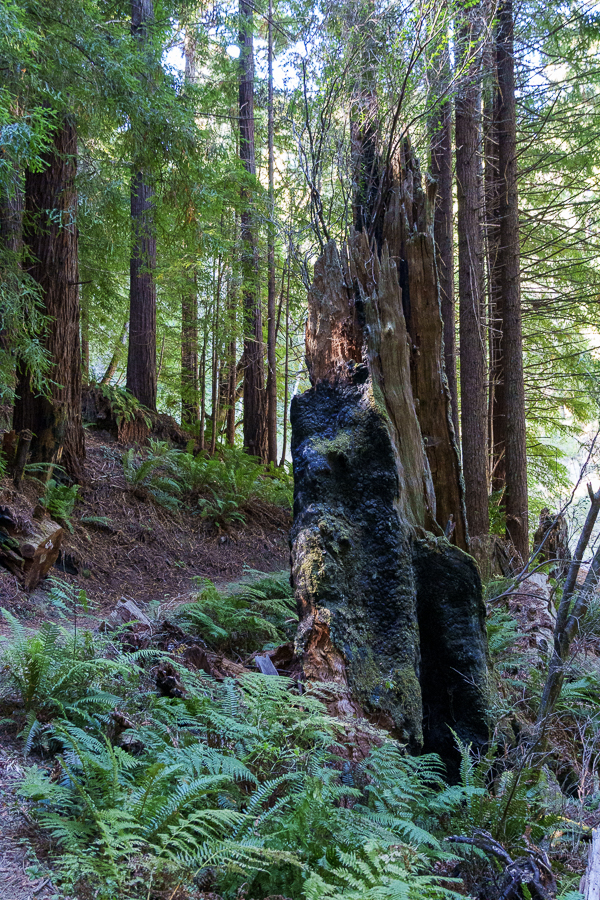
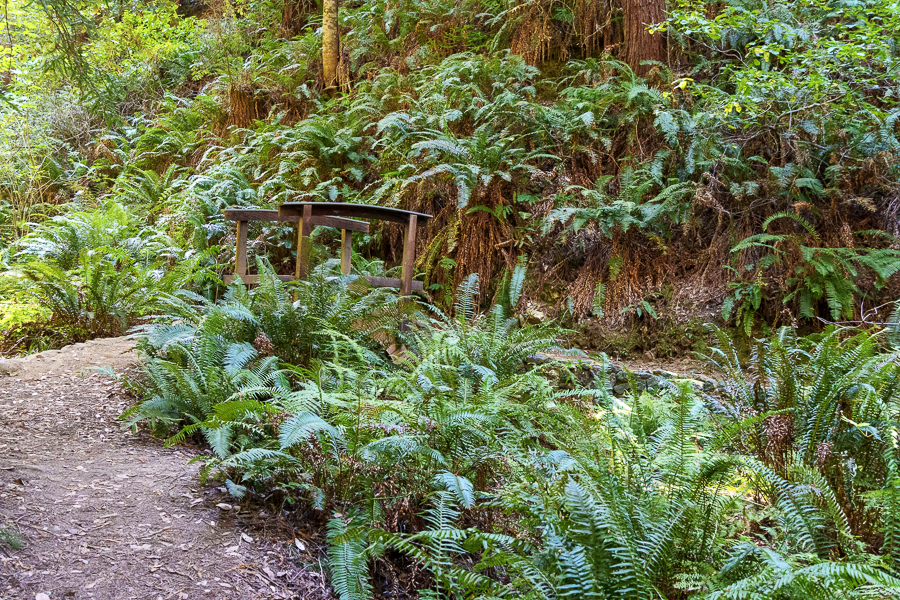
We moseyed along the path, enjoying the sights punctuated with earthy bark and pine aromas.
The Skunk Train and the railbikes operate year-round, rain or shine. Be sure to check the schedule before going because weekend and holiday schedules may apply during the winter months.


The train from Fort Bragg traveled to Willits, California, until 2015, when a tunnel collapse in 2015 cut the route in two. From Willits, the Wolf Tree Turn tour takes passengers on a 2-hour, 16-mile, round trip over a 1,740-foot summit, through Tunnel #2, and down into the Noyo River Canyon. The trip includes a brief stop at one of the oldest trees on the route. This train operates only from early spring through December.

So, why is it called the Skunk Train? I found two possible reasons. The first is that its name comes from the skunk cabbage, which is a plant that grows along the train’s route in the wetlands and blooms during spring. It’s said the plants have a pungent odor when disturbed, like a skunk.
The second reason is that the name came from the motorcars that replaced the steam locomotives. Apparently, the new locomotives reeked of gasoline and oil burning, so passengers called them Skunks. I think I like the skunk cabbage story best. I’m sure the railroad workers disturbed the plants while laying tracks. Thus, setting off the plants’ protective odor, and impregnating the workers’ clothes.
Other Skunk Train adventures from Fort Bragg include a guided redwood forest tour and a tour of the roundhouse. And for a late-night adventure, board the train to Glen Blair Junction, where firepits, heaters, group games, live music, and a world-class bar await. Check the schedule online for select Friday and Saturday nights.
The Depot Mall & Museum is up the street from the Skunk Train Depot. There, visitors will find the Laurel Deli & Desserts restaurant, shopping opportunities, restrooms, and Daisy. Daisy is a steam locomotive built by Burnham, Parry, Williams in 1885, according to the steamlocomotive.com website.

Guest House Museum
After our train ride, we walked up the hill to the Guest House Museum. Fort Bragg Redwood Company built this home in 1892 for the Johnson Family who owned the company.

Constructed with 67,000 board feet of lumber, the home served as a showcase to exhibit the ornate woodwork, decorative moldings, and door and window trims. The spool-spindle banister and stain glass windows added extra design features.
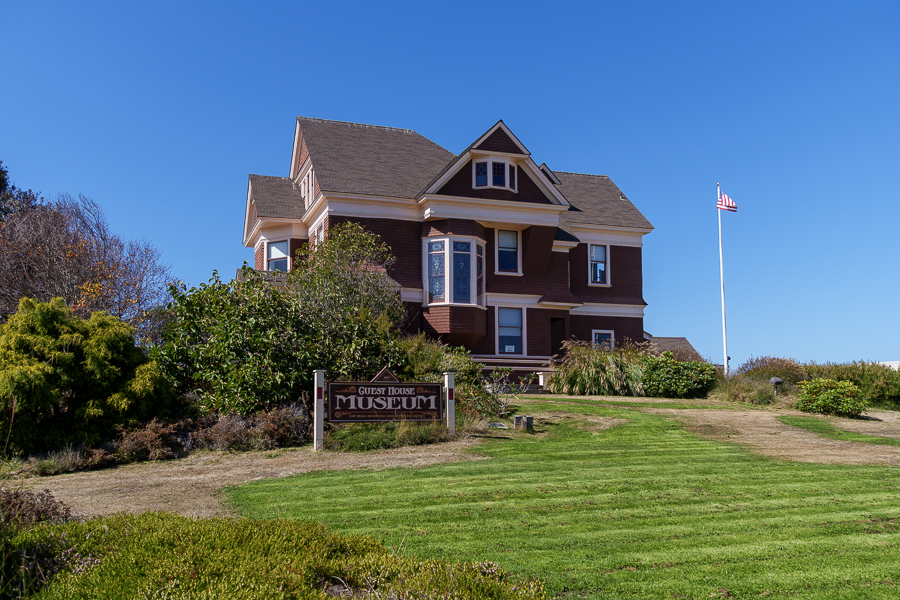


The company also used the house for guests from their San Francisco office, and for people visiting the mill and logging areas in Fort Bragg. All bedrooms included hot and cold running water and electric lights, the first home with such amenities on the Mendocino coast.
The museum is organized by theme. To name a few, they are: marine room, Pomo exhibit, train room, mill/loom room, and timber room.


After a few ownership changes, Georgia-Pacific Corp. became the owners and used it as a department store and later a museum. They donated the property to the City of Fort Bragg in 1985 with the understanding it would remain a museum for Fort Bragg, Mendocino County, and the community.
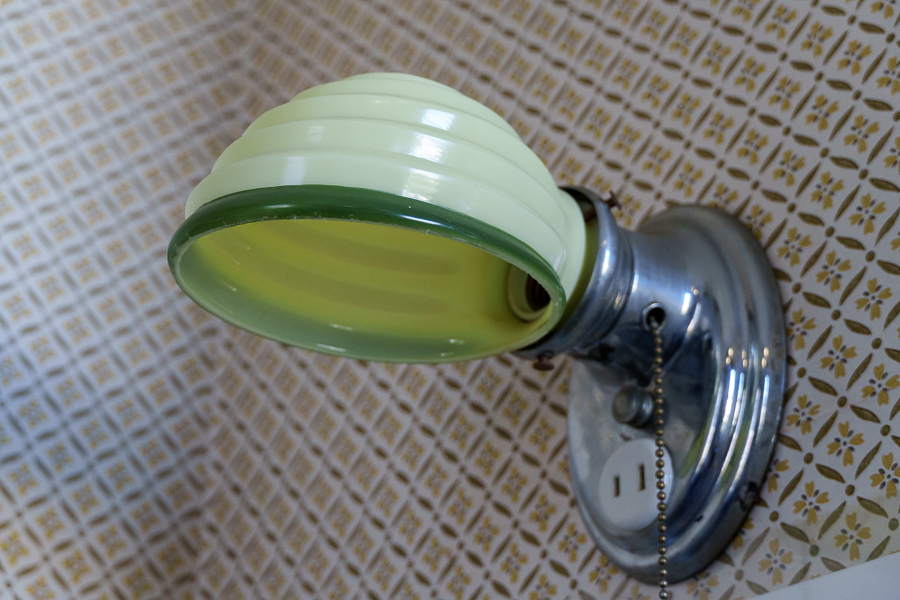
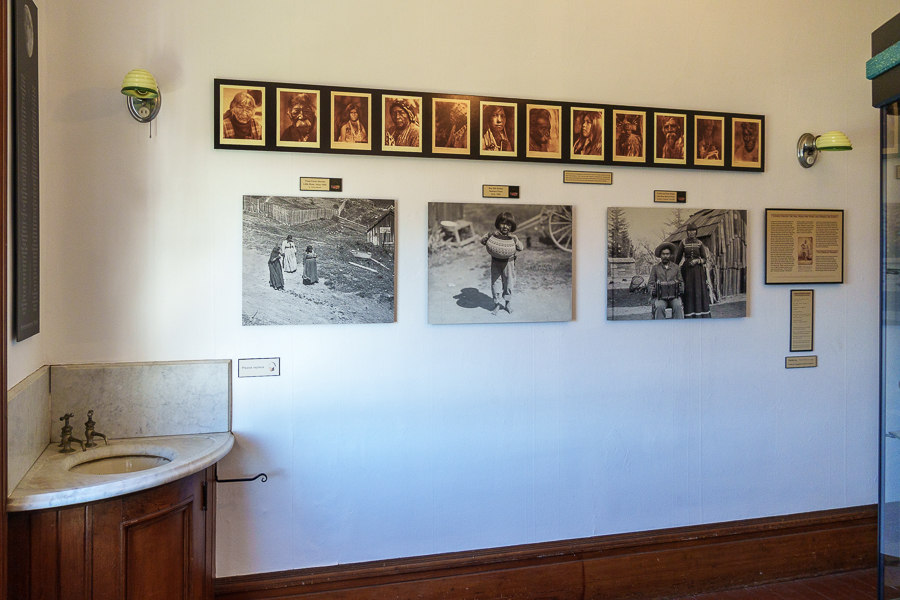
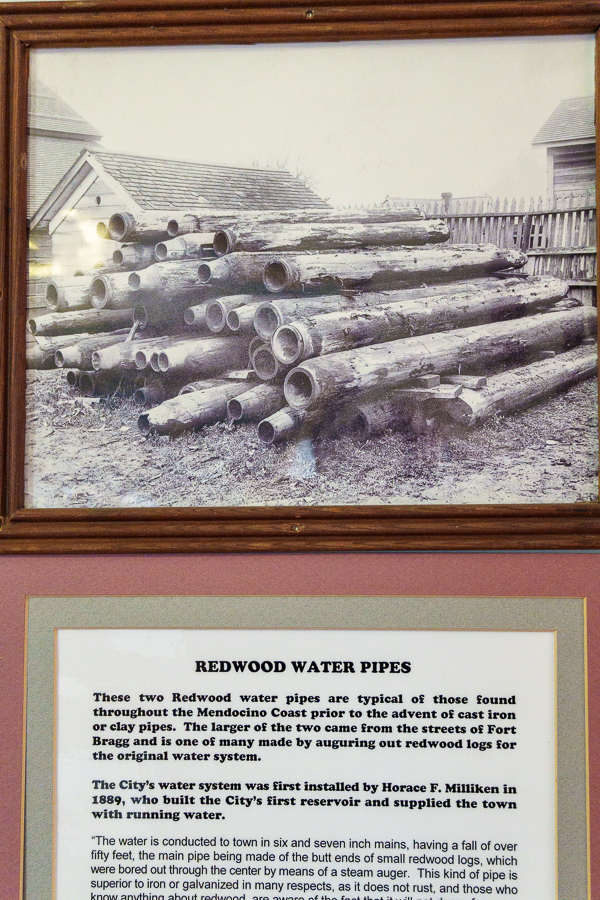
the first water pipes in Fort Bragg

Jon admires a section of the largest known redwood tree in Mendocino County.
It stands as a memorial dated in 1943 and dedicated to Charles Russell Johnson, who founded the city in 1889.

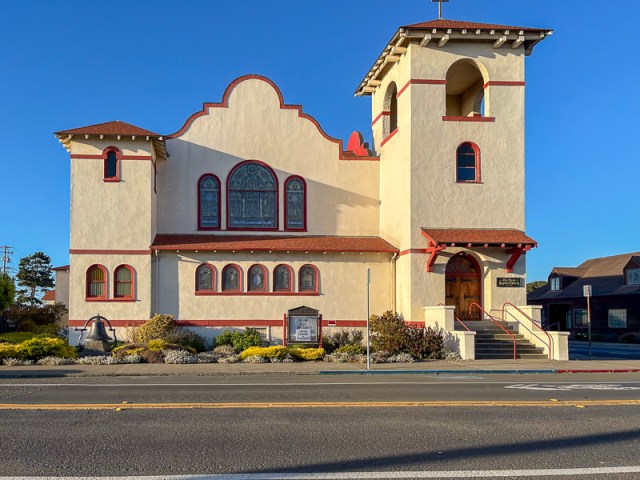
I like to capture a few buildings around town. Below are the city hall, a mural, the former Union Lumber Company Store, and the First Baptist Church.
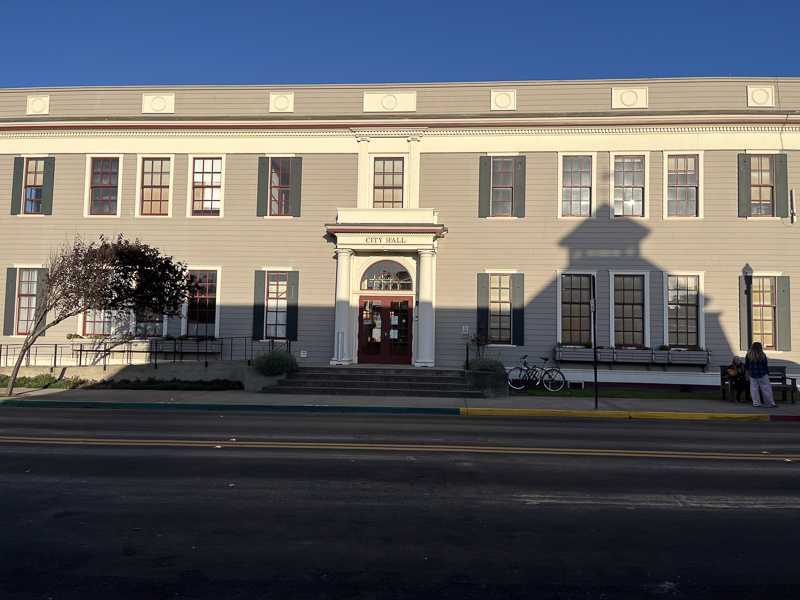


a collection of various stores and restaurants.
Whew! What a full day we had in Fort Bragg. As always happens during our visits, I wouldn’t mind coming back again someday. There are plenty more sights to see and things to do. And I would also like to visit Willits and take the train going the other direction. Then I can imagine what it was like to travel the entire route.
Next up: we make a stop at Point Arena Lighthouse on our way home.
Safe Travels


Thank you for the virtual tour. It sounds like you had great weather and a lot of fun!
LikeLiked by 2 people
Yes. We had a grand time.
LikeLiked by 1 person
💚
LikeLiked by 1 person
The rail bikes look super fun!
LikeLiked by 1 person