It’s a new year, and a new start on this old blog here. We published the final Hannibal, Missouri episode, on November 24, 2024. I thought I could at least finish our 2023 Fall Adventure before the end of 2024. Ha, that’s what I get for relying on wishful thinking.
I hope this post gets me back into updating the blog more often. Perhaps I’ll finish up 2023 in say two to three weeks and then start on 2024. A few months behind is fine with me. An entire year, not so much.
A Strange Site to See
Something strange happened during our drive from Hannibal, Missouri, to Oxford, Iowa, on October 10, 2023. As we drove in the slow lane, a tire and wheel shot across the road in front of us. Yikes! Was the van in the fast lane going to crash?
The tire and wheel bounced toward the shoulder, down a small embankment, into a farmer’s field, and slowed to a stop upright. The van, missing the right front wheel and tire, somehow pulled to a stop on the shoulder as if nothing happened.
As we drove past, I noticed several passengers in the van, including children. Whew! That could have been a disaster. I still wonder how I would react if I had been driving. “Hey, Jon. When did you last check the lug nuts?”
Sleepy Hollow Campground
The rest of our trip to Sleepy Hollow filled us with bucolic vistas of a rolling landscape dotted with farms. We couldn’t put our Solid Steps down (we hate dislike those steps) at the first assigned site, so the manager gave us a better one. The curb side of the trailer looked out over the lake where runner and Muscovy ducks entertained us as they paddled and waddled about. Yeah! More space and a beautiful view.

We opted for a dinner out, not wanting to cook after the long drive. In Tiffin, the neighboring town, we found Cheddars, where we had a fine meal. On our way home, we hit low-lying fog, which was unexpected, but it failed to deter us from finding our way back to the trailer.
Herbert Hoover Presidential Library and Museum and Boyhood Historic Site
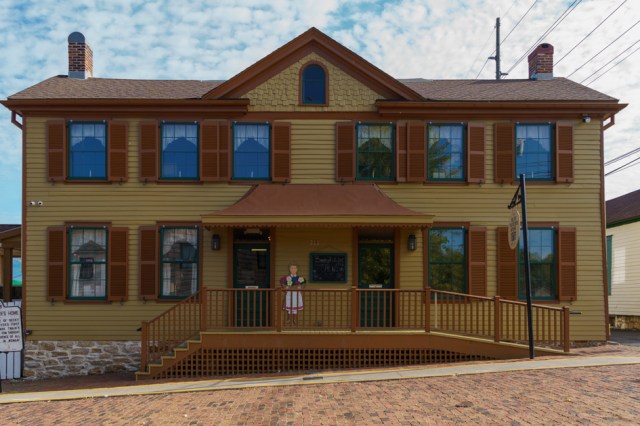
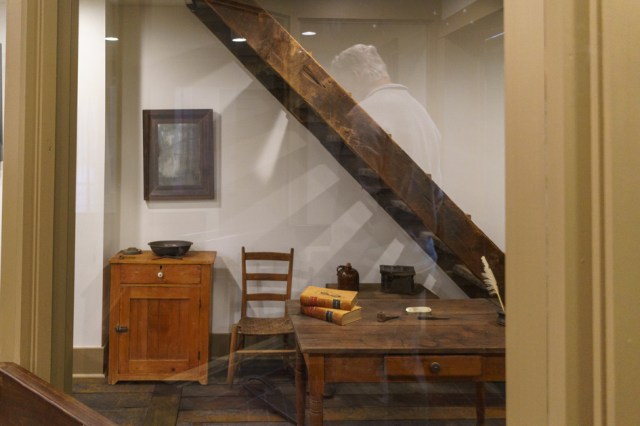
The next morning, we drove into West Branch to see the Hoover Presidential Museum and Boyhood Historic Site. We started with the boyhood historic site.
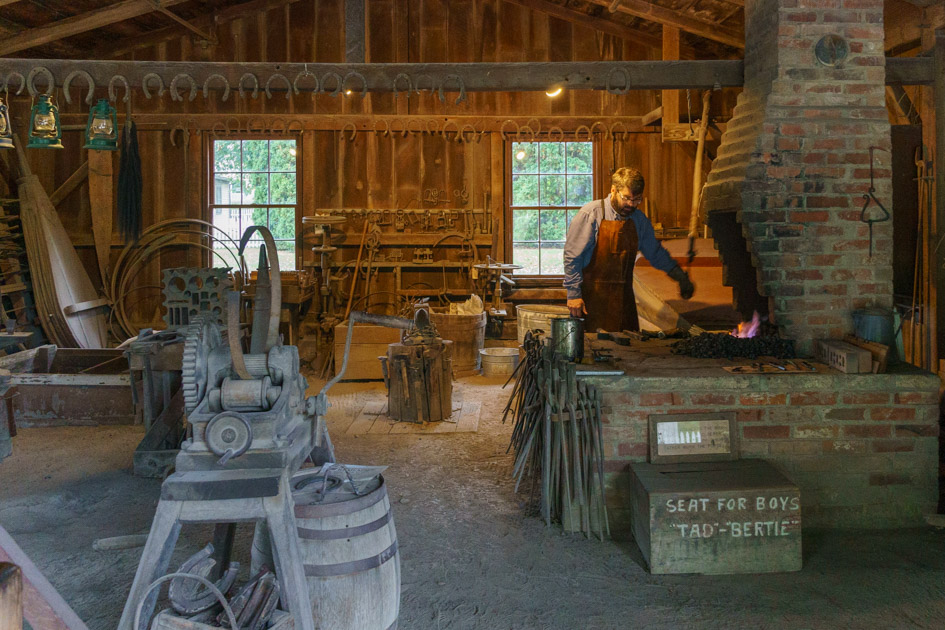
Herbert Hoover was born on August 10, 1874, in West Branch Iowa. His father Jesse Hoover was of German, Swiss, and English ancestry. He worked as a blacksmith and owned a farm implement store. His mother, Hulda Randall Minthorn, was raised in Norwich, Ontario, Canada. Both Jesse and Hulda were Quakers.


Hoover and his siblings—Theodore, an older brother, and May, a younger sister—became orphans when their mother died in 1884. His father had died earlier in 1880.


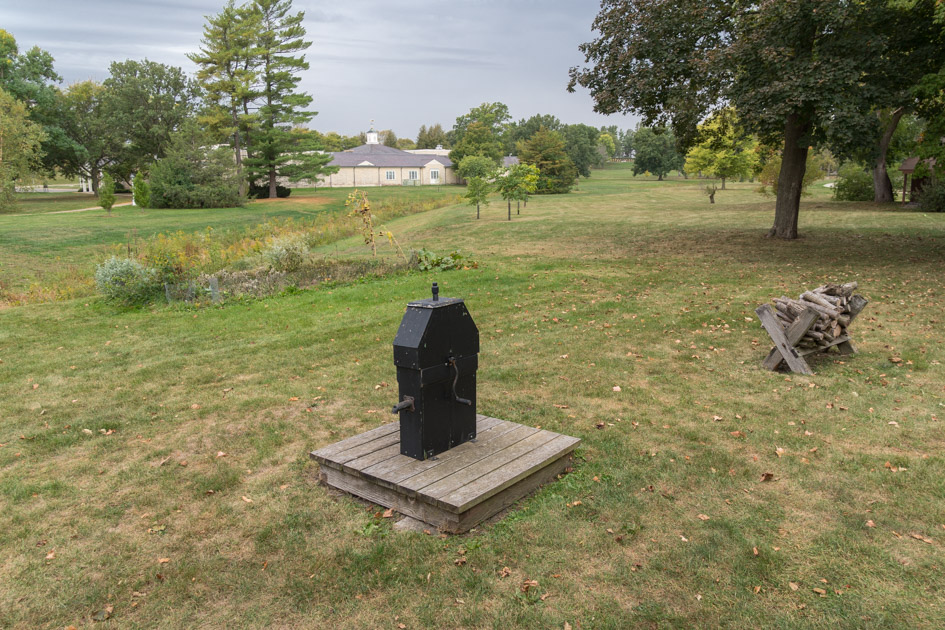

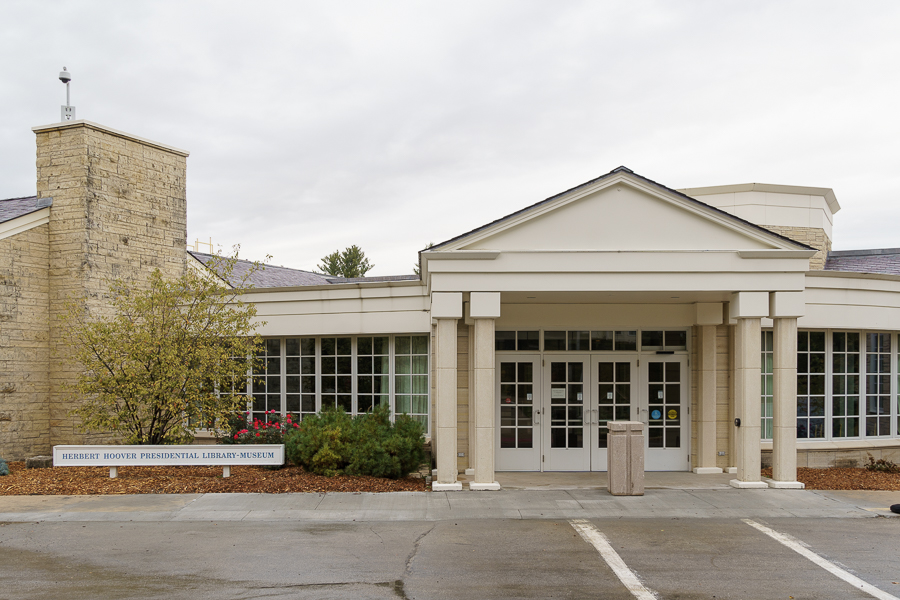
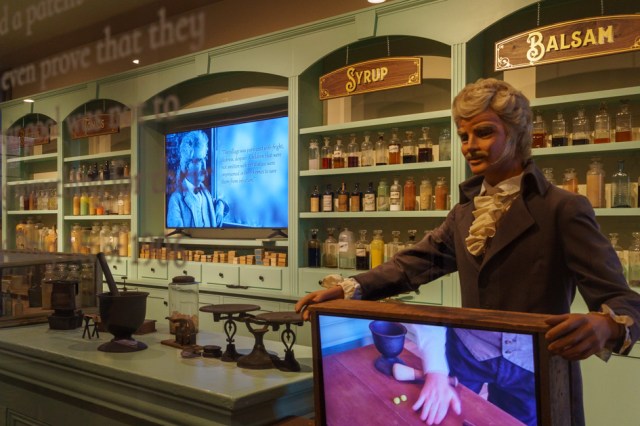
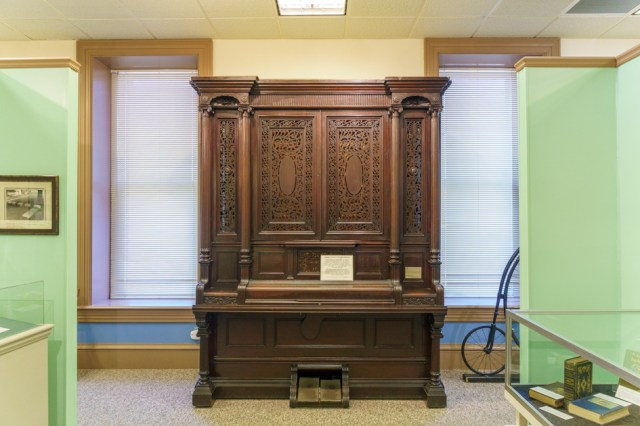
We found the museum building quite small compared to other presidential museums we had seen.

Hoover moved to Oregon to live with his aunt and uncle in November 1885, where he worked on the homestead and attended school.

Stanford University accepted Hoover in their pioneer class of 1891, where he earned a degree in geology in 1895 and later began a career as a geologist.
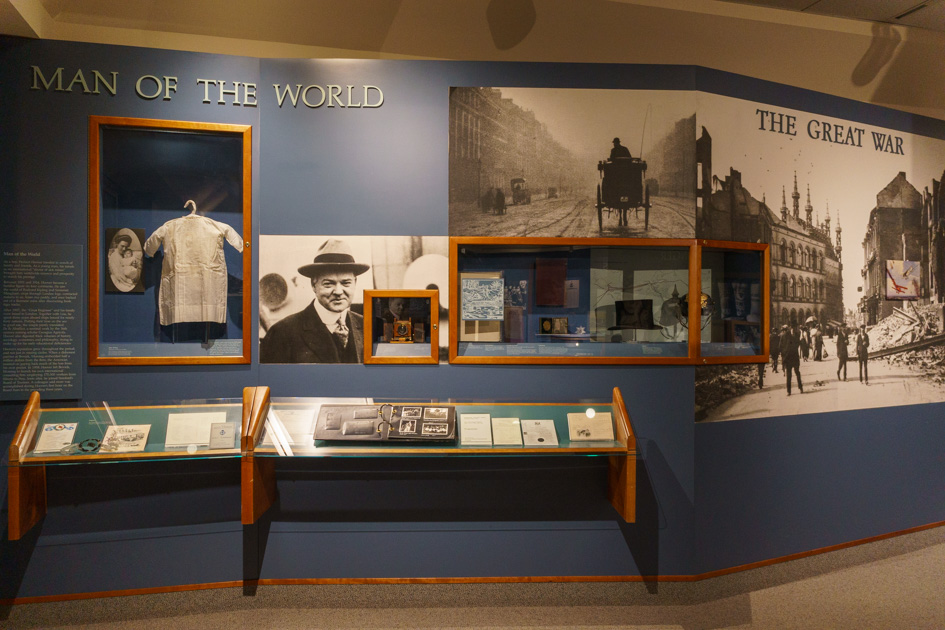
Hoover traveled throughout the world for work, often with Lou at his side after their marriage in 1899. They met at Stanford University and lived in London, England, between 1914 and 1917.
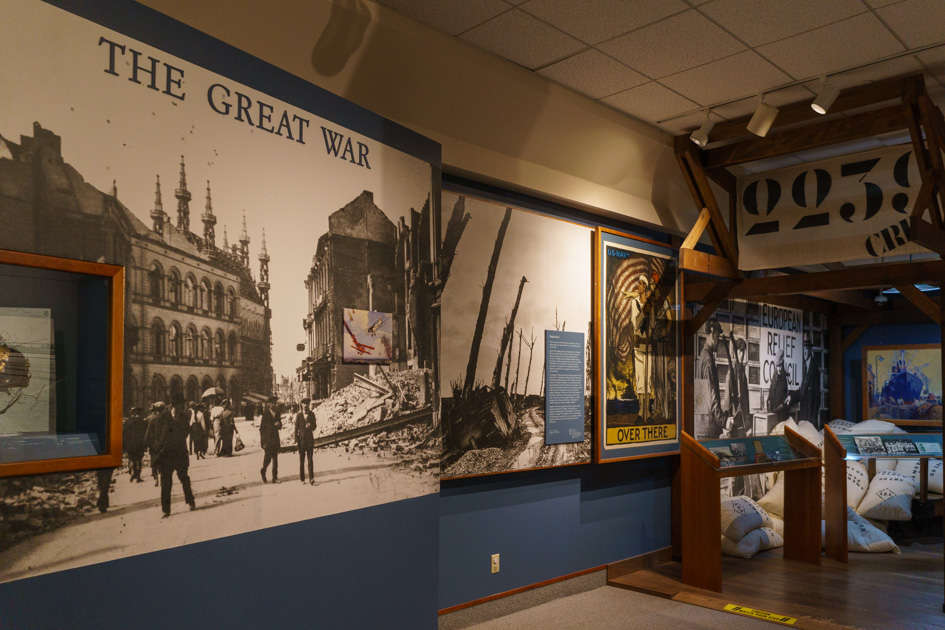
When WWI began in August 1914, Hoover lead the Commission for Relief in Belgium (CRB), which earned him the title “Great Humanitarian” for feeding up to 10 million civilians during the war in Belgium and France.

The CRB, established in October 1914 under Hoover’s direction, provided food relief to Belgium and France between 1914 and 1919. The commission sent 5.7 million tons of food, including flour packed in cotton sacks.

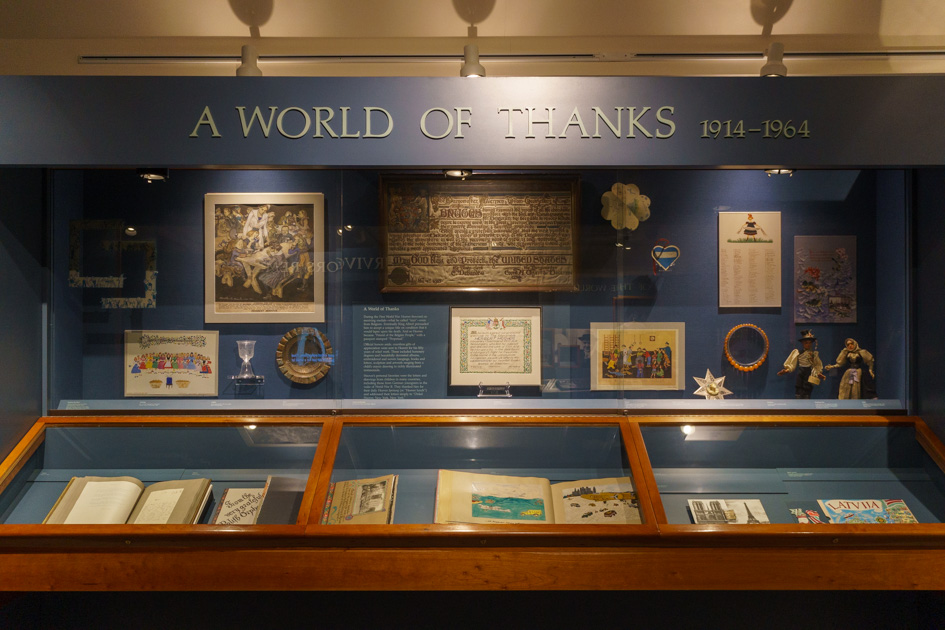
To prevent Germany from commandeering the food, the CRB kept close tabs on the food and the empty flour sacks. They distributed these sacks to professional schools, sewing workrooms, convents, and individual artists. This provided jobs for the women who made clothing, accessories, pillows, bags, and other items, which were then sold to raise money for the war effort.
After the war, several people expressed their gratitude to Hoover by sending painted flour sacks and other products to Hoover. The museum claims their collection of these items is the largest in the world.
The Hoovers moved to DC in 1917 when Herbert accepted his appointment as head of Food and Drug Administration.

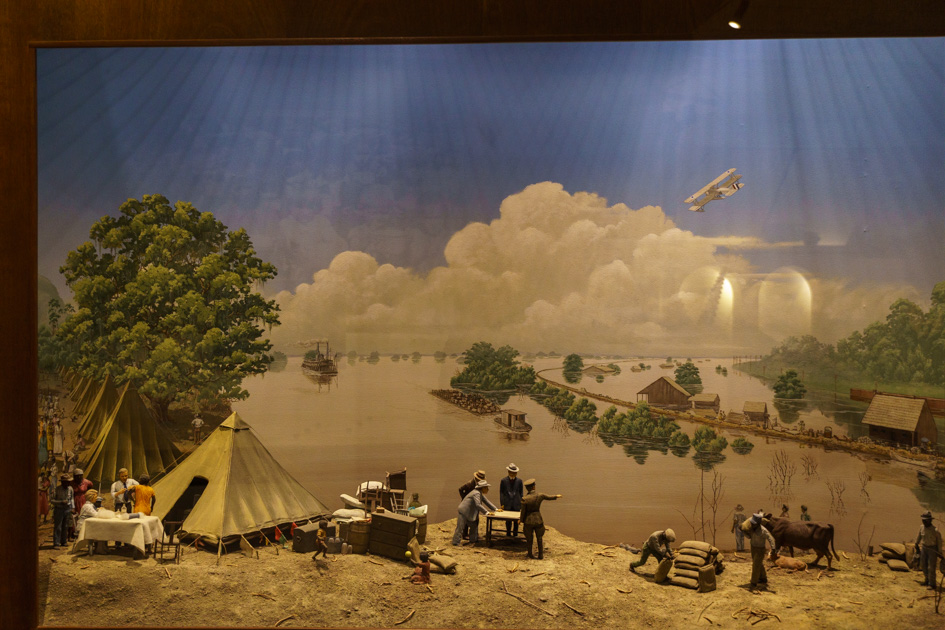
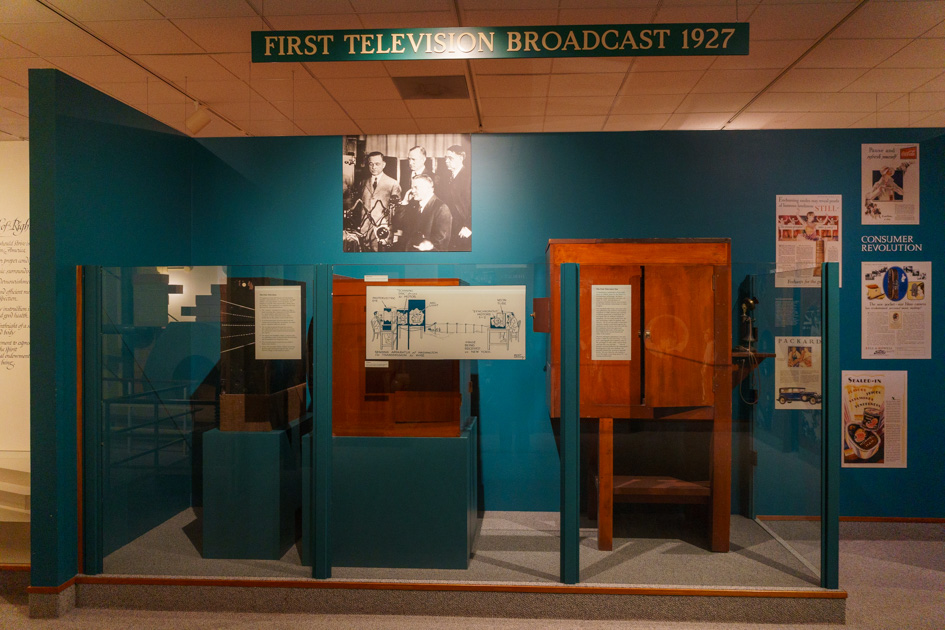

Hoover served as president from March 4, 1929 to March 4, 1933. He signed legislation on June 25, 1929, to build Boulder Dam, which was later renamed Hoover Dam. The Stock Market Crash on October 29, 1929, and subsequent Great Depression plagued Hoover’s presidency for the rest of his four-year term.
Hoover’s response to the depression included the repatriation of approximately one million Mexican Americans, even though some had been born in the United States.

After Hoover’s presidency, Harry S. Truman and Dwight D. Eisenhower assigned him to chair the Hoover Commission. The commission’s purpose was to make the government more efficient.
Although praised for his humanitarian and other public service, he is often ranked below average as a president. The 2024 American Political Science Association (APSA) survey ranked Hoover at 36 among all presidents.
Any support he earned during his campaign for office plummeted after his response to the Stock Market Crash and the Great Depression. Yet his humanitarian efforts before his presidency and his work on the Hoover Commission afterward earned him plenty of accolades.
What is it about the power of the presidency that can make or break a political career? How can someone work so diligently to save 10-million European people from starvation, and ten years later order the repatriation of Mexicans? Did Hoover dream up that idea on his own? Or did he cave under pressure from other politicians, the media, and outcries from the public to blame someone, anyone, even if they were citizens?
Maybe someday I’ll find the answers to my questions, yet at this point I doubt it. And maybe that’s the problem with the way things are in this country today. Few of us, as a society, take the time to dig deep and find the answers to questions like these. And if we don’t learn from mistakes made in the past, it’s likely we’ll repeat them, as the saying goes.
About the First Lady, Lou Henry Hoover (March 29, 1874 – January 7, 1944)
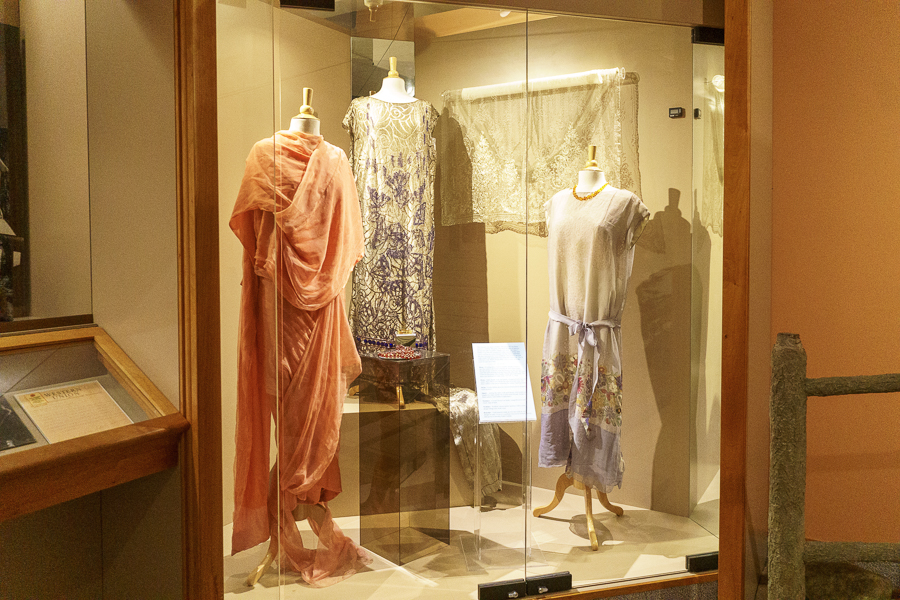
Raised in California before it became a state, Lou became the first woman to receive a degree in geology from Stanford University. She led the Girl Scouts of the USA from 1922 to 1925 and 1935 to 1937, was an advocate for women’s athletics, and supported women’s rights and independence. She spoke and wrote Mandarin and had a command of Latin.

Although she refused to accept reporters’ invitations for an interview, she gave regular radio addresses. Lou also dedicated more of her time as first lady to her volunteer work, shunning the White House hostess role.
From the small amount of research I’ve read about Lou Hoover, she seems like a person to admire. Maybe some day I’ll read more about her.
Up next: A day trip to the National Czech and Slovakia Museum in Cedar Rapids, and a day in the Amana Colonies.
Safe Travels





































 The Traveling Todds