2023 Fall Adventure Episode 12: Campground Animal Life & Amana Colonies in Amana, Iowa

Geese and Ducks on a Pond

By Friday, October 13, 2023, I had become accustomed to the serenade of the geese and ducks waddling on land and swimming in the pond. The fawn and white runner ducks walked around the pond like penguins. Muscovy ducks, with their black splotches on white fat bodies, joined the runners to poke in the grass around our trailer and along the pond’s edge.
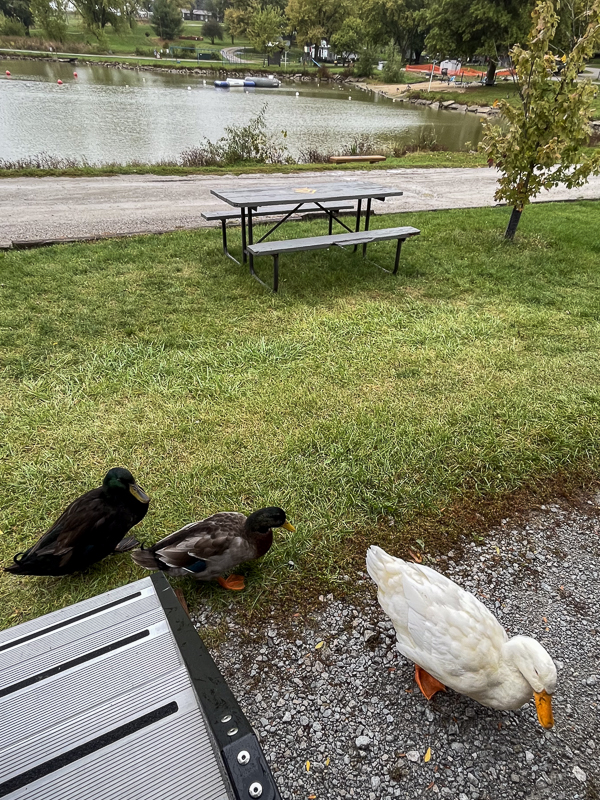
Watch your step out there

While the ducks ate their meal, a group of geese lined up on one side of the pond. Soldiers prepared for an attack. Across the pond, another gaggle of geese lined up. The aggressors. The armies paddled toward each other while quacking out their grievances. They paddled closer, and closer, and closer. Before the battle ensued, the attack group spread out across the waters as if to say, “Just kidding,” and the defenders did likewise. War averted. It’s too bad humans haven’t figured a similar way to resolve their differences.

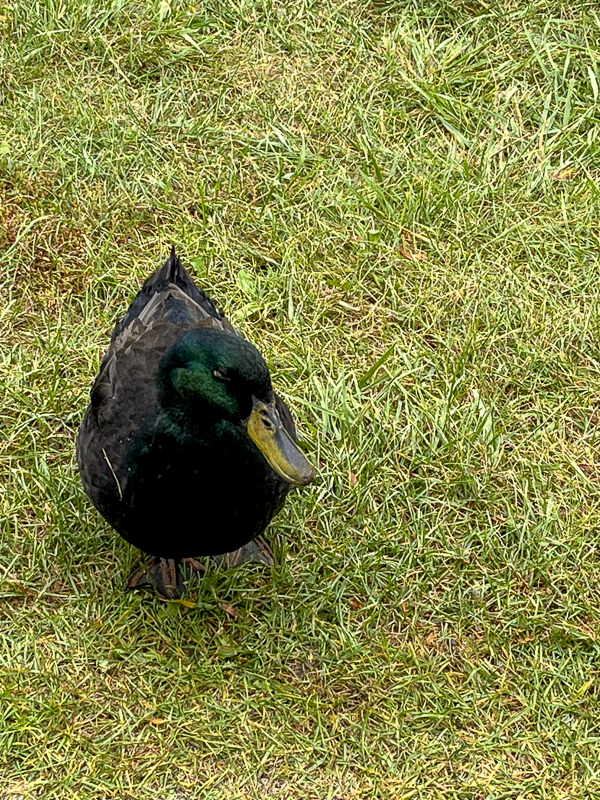
We’ve picked this place clean. Let’s go.
Wait for me.

I knew I’d miss those waterfowl when we moved the next day, the same way I still miss the prancing and whistling of the great-tailed grackles we saw in Texas.

Amana Colonies

We braved another rainy day to visit the seven villages within the Amana Colonies about 20 miles north of our campground. This National Historic Landmark attracts thousands of visitors annually. I understood why when I saw each month’s calendar packed with activities, festivals, and celebrations. Any time of year is a good time of year to visit Amana.

As first-time visitors, we started our tour of the downtown area at the visitor’s center. The lady who helped us pulled out a map and marked the best places to see. The bakery, chocolate factory, antique store, and meat shop landed on our must-see list and we headed out.
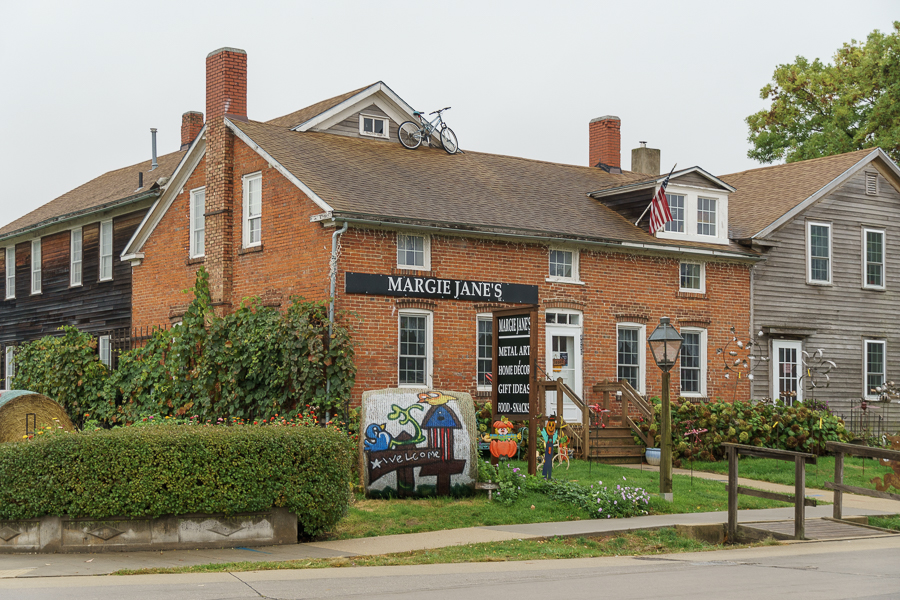
Margie Jane’s sells eclectic art, gifts, and snacks

A Bit of History Gleaned from Their Website and Visitor Guide

Amana Colonies history began in 1855 when Christian Metz led his growing community of Ebenezer Society members (religious inspirationists) to the Iowa River valley. They established six villages a mile or two apart across 26,000 acres, which grew to seven. Previously, they lived in Buffalo, New York, where they had occupied only 5,000 acres after immigrating from Germany. The group had left Germany to seek religious freedom and economic opportunities.

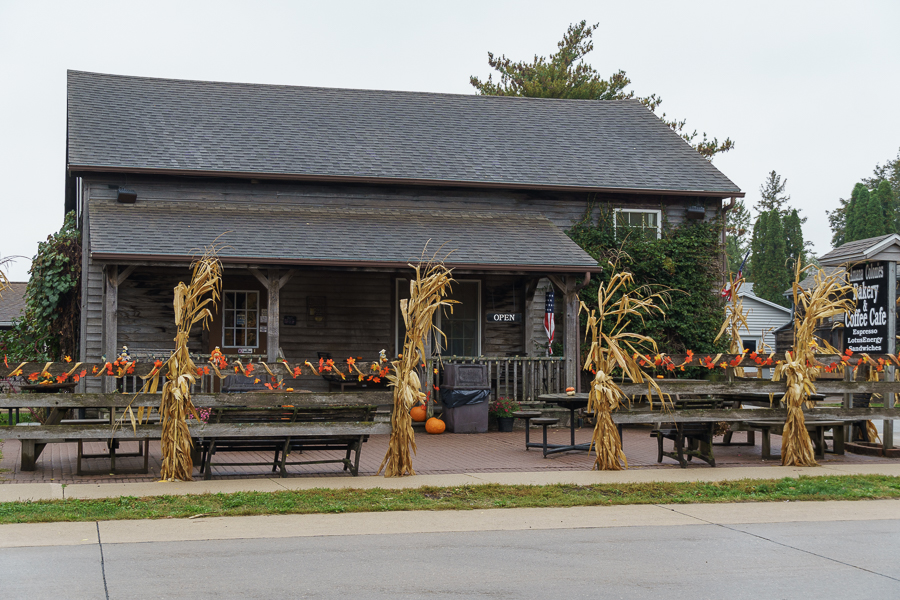
Modest home for the man who led the way
Bakery and Coffee Cafe

Under the community’s communal constitution, the members shared their property and resources. No one needed to earn a wage because the commune provided housing, medical care, meals, household necessities, and schooling to all residents.
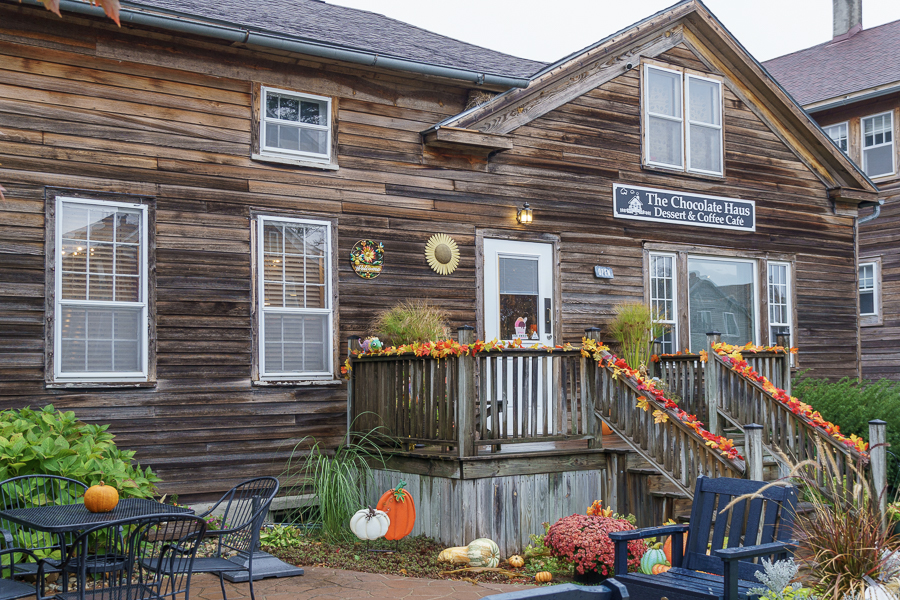
Chocolate Haus Dessert & Coffee Cafe

The residents engaged in farming, the production of wool and calico, and the crafting of other products to sell. They also supplied the residents with whatever they needed. Villagers operated the smokehouse, bakery, ice house, dairy, orchards, and vineyards. In addition, they supplied the 50-plus communal kitchens. The kitchens, where the women worked, created three meals and two snacks a day.
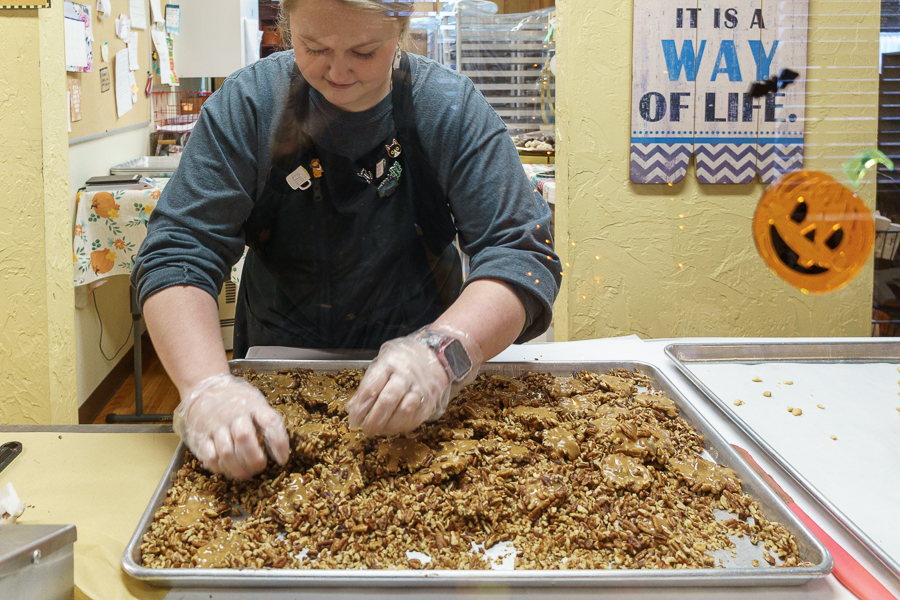
Preparing caramel-covered pecans to dip into chocolate for the bear claws

Children in the village attended school year round, six days a week until age 14. I wondered if this strenuous school calendar was a means to keep the women working on their tasks. Boys worked on the farm or in the craft shops. Girls worked in the communal kitchen or garden. Only a few boys earned college degrees as teachers, doctors, or dentists.
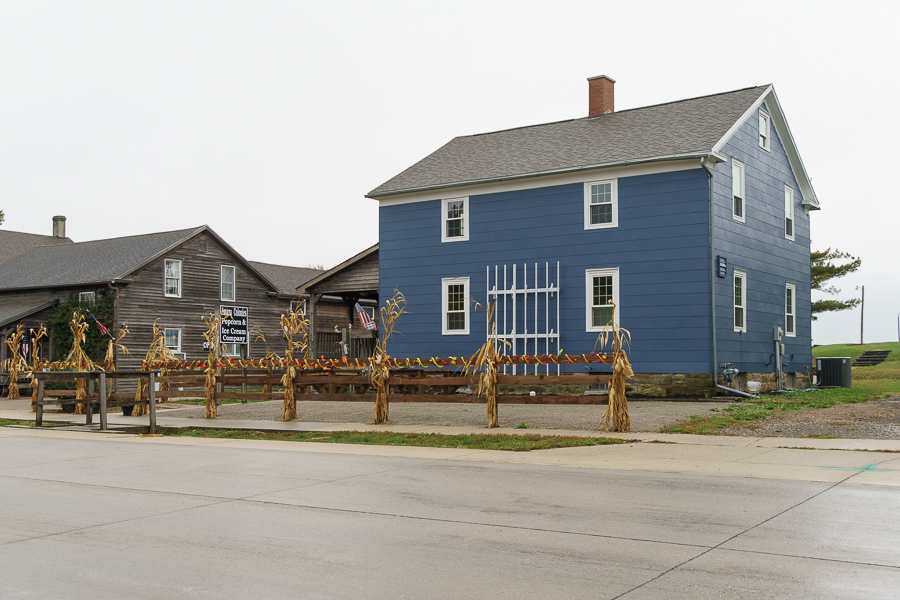
Amana Colonies Popcorn & Ice Cream Company

Life was not all work and education. At the center of each village stood an unadorned church where the inspirationists could incorporate quiet worship within their day. The churches offered 11 services a week.

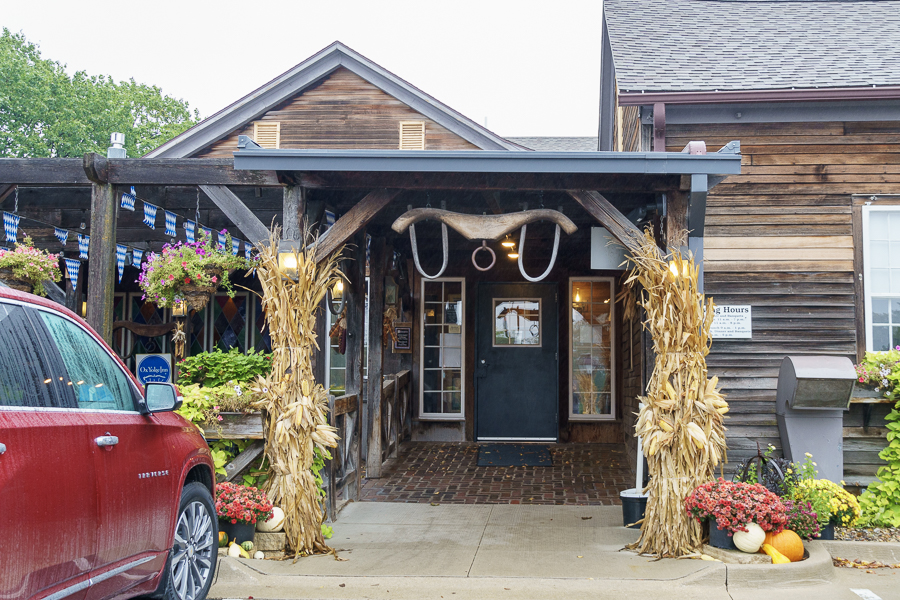
Jon rushes to the Meat Shop and Smokehouse
We ate dinner at The Ox Yoke Inn, an American-German restaurant. The honey pork loin, mashed potatoes and gravy, green beans, and cranberry-apple sauce were delicious.

The Stock Market Crash and the Great Depression brought about change to the Amana Colonies in 1932. To maintain their community, the residents established a profit-sharing corporation, the Amana Society, Inc. This corporation manages the farmland, the mills, and larger enterprises. And for the first time in 77 years, the community encouraged individuals to engage in private enterprises.

One interesting fact about Amana Colonies is its connection to Amana appliances. George C. Foerstner started a company in 1933 to manufacture beverage coolers after the repeal of Prohibition in 1933. Two years later, he sold to the Amana Society. The company grew, expanded, and sold again to Raytheon Corporation in January 1965. Other sales occurred in 1997 and 2001 and Whirlpool gained control in 2006. Since 2020, a Chicago-based limited liability company owns the Middle Amana Plant and assembles refrigeration products under the Amana, JennAir, KitchenAid, Maytag, and Whirlpool brands.

We had little time left to explore the other villages, so only drove, without stopping, through two more. With so much to see and do, Amana Colonies turned out to be another place I’d like to spend more time exploring. And its proximity to Cedar Rapids will make it convenient to return to both places.

To learn more about visiting Amana Colonies, visit their website at Amana Colonies. And to see the products and services available through Amana Society, Inc., visit their website at Amana Society Inc.

Next Up: Tour of the Grand Design RV Factory and the RV Hall of Fame and Museum in Elkhart, Indiana

Safe Travels
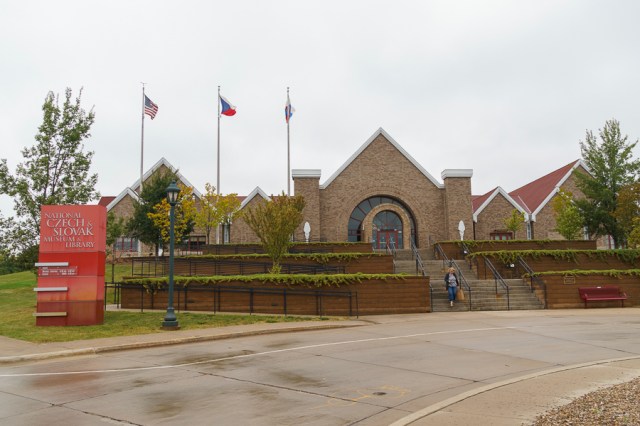
2023 Fall Adventure Episode 11: National Czech and Slovak Museum & Library in Cedar Rapids, Iowa

When we learned the National Czech and Slovak Museum & Library in Cedar Rapids, Iowa, was only a 30-minute drive away, we had to visit. Jon’s maternal grandparents were immigrants from Eastern Europe, and we couldn’t pass up a chance to learn more about their history. We refused to let the cloudy skies and rain dampen our drive to Cedar Rapids on October 23, 2023.

Front of building faces the Cedar River

Like many museums, the Czech Fine Arts Foundation began small in 1974 with a few volunteers. They gathered artifacts, shared them at local events, and gave talks in the community. In 1978, a three-room house provided space to display their collections and attract more volunteers.

Rozek Grand Hall
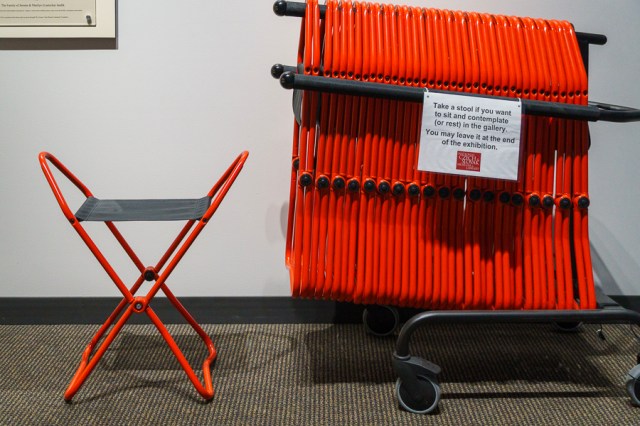
Grab a seat and have a sit

In 1984, the organization expanded by hiring their first employees, securing more funding, and continuing to add to their collections. They also changed the name to National Czech and Slovak Museum & Library.

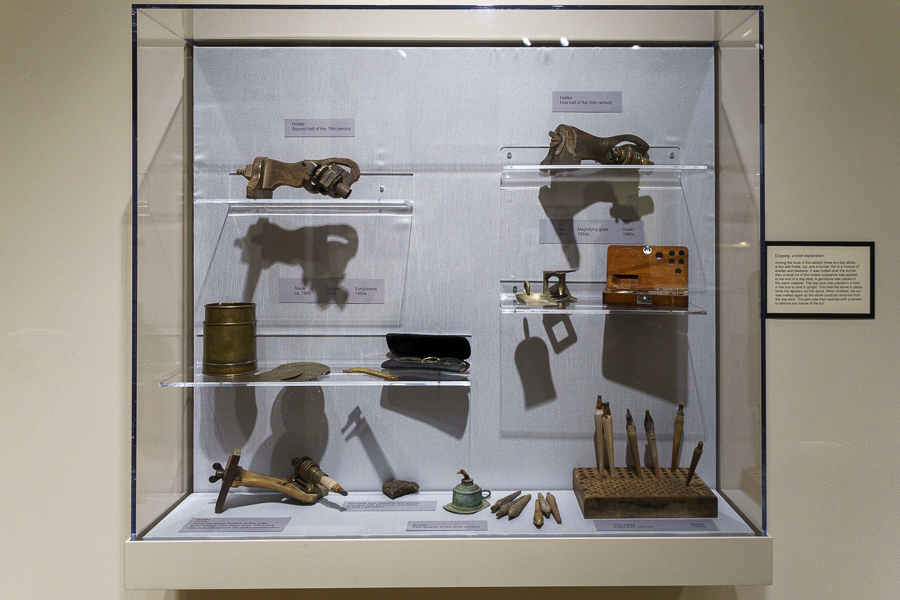
Garnet accessories
Garnet folk jewelry detail
Tools used to cut garnets
Garnets sewn in bodice
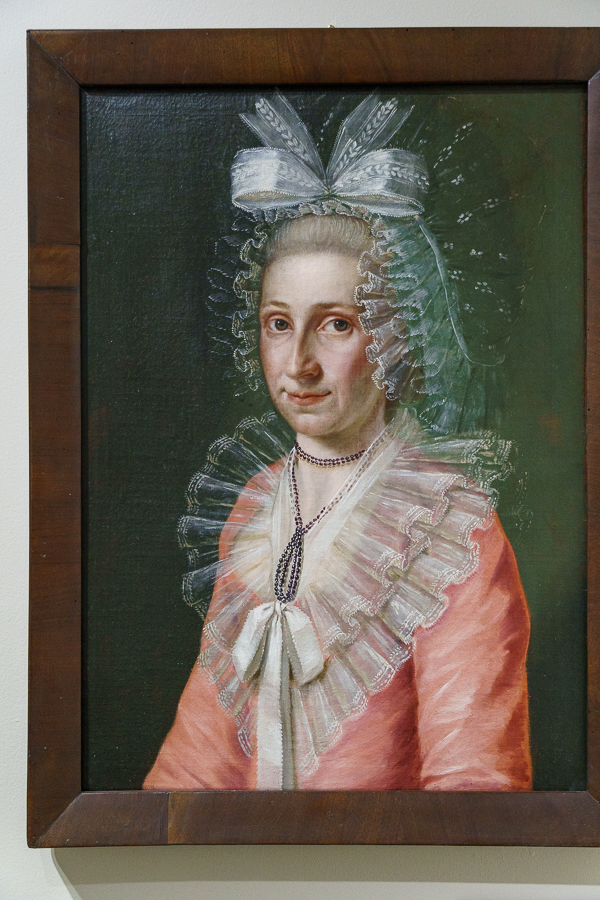
1778 portrait showing garnet necklace

Over the years, ongoing growth demanded larger spaces until 1993 when the organization broke ground for a new 16,000 square foot building. October 21, 1995, was a big day for the organization. That day, presidents Bill Clinton of the United States, Vaclav Hável of the Czech Republic, and Michal Kovác of the Slovak Republic presided over the new building’s dedication.

The struggle for freedom and democracy over the decades
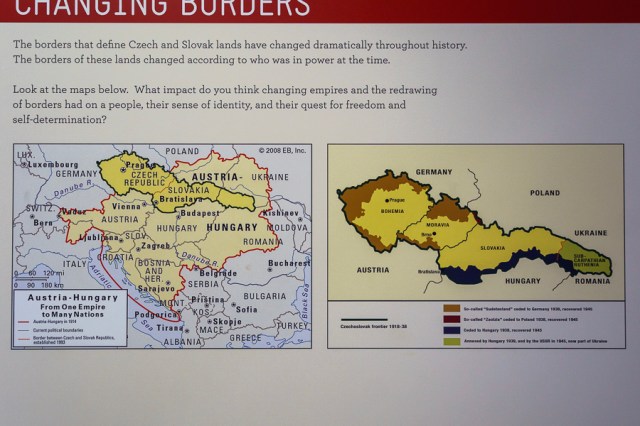
Changing borders exhibit
All the important events laid out in a line helped me understand what impact the changing regimes had on the population.

The exhibit “A Thousand Years of Czech Culture: Riches from the National Museum in Prague,” attracted 30,000 visitors in 1997. The library’s collection doubled with the addition of Benedictine University’s Slavic materials in 2000. A major renovation and remodel of the building also began that year.

From 1870 through 1924, many Slovak and Czech citizens sailed to America for the opportunity to start new lives and find employment and education.
Jon’s grandfather came to the US in 1912 at age 15 and his grandmother came in 1902 at age 5.
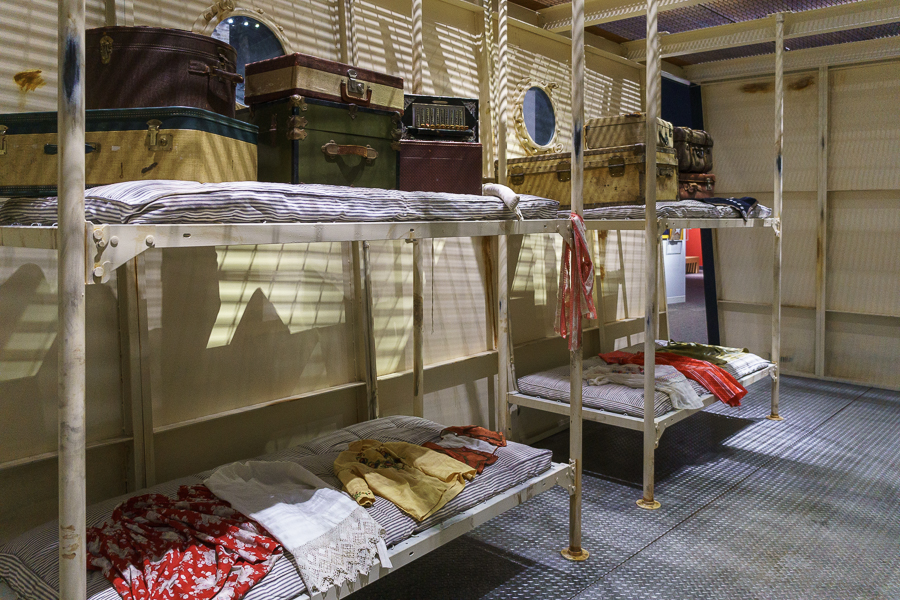
Not much room for families to make the trip across the Atlantic Ocean

Eight years later, a flood caused $11 million damages to the building and to some of the collection pieces. Restoration efforts continued for three years and in 2011, Expert House Movers relocated the building with much fanfare. The museum reopened to the public in 2012 and became a Smithsonian Affiliate in 2018.

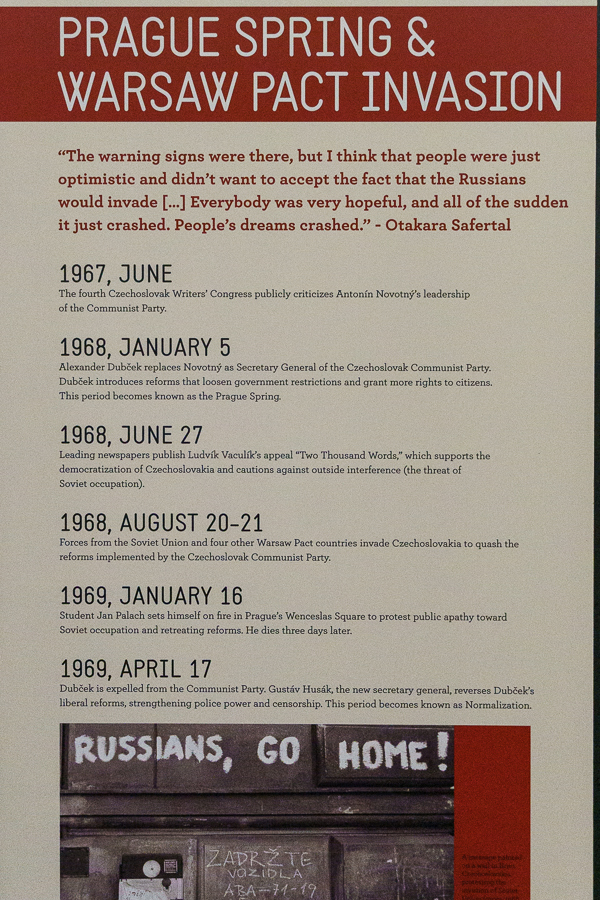
The Russian invasion was a shock
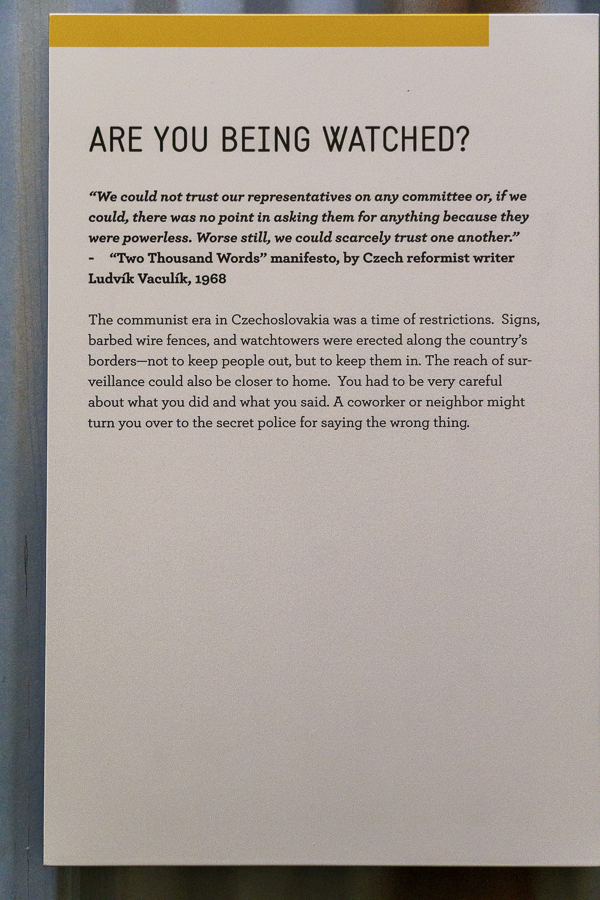
No one to trust under Russian rule
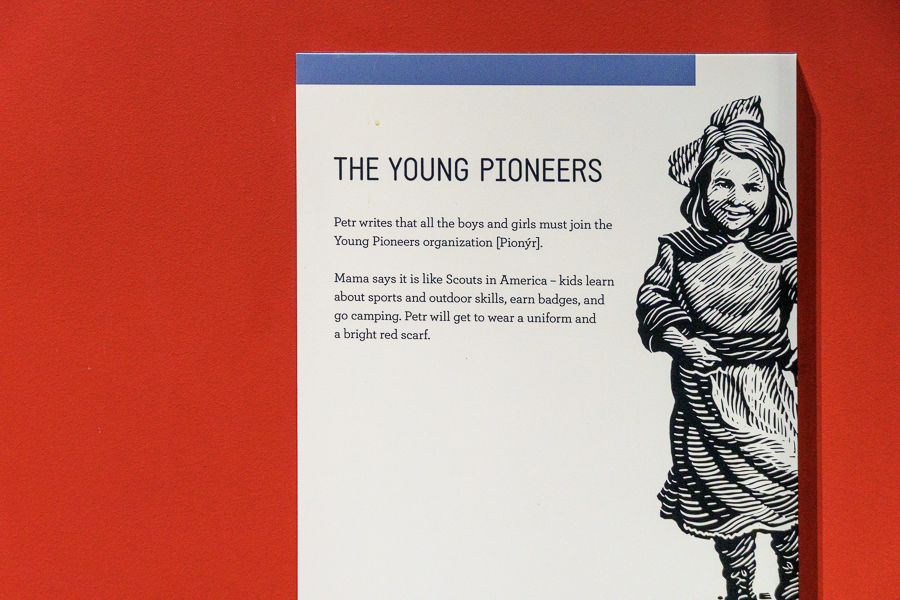
Indoctrination of children
Uniforms crush individuality
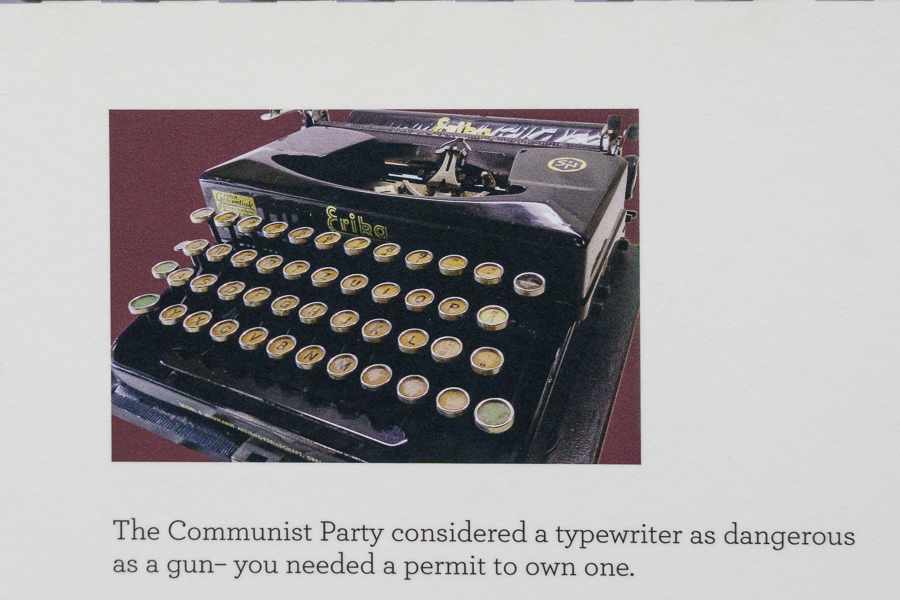
No typewriter? What was an author to do?
People of faith could not practice their religion
What? No Levis?
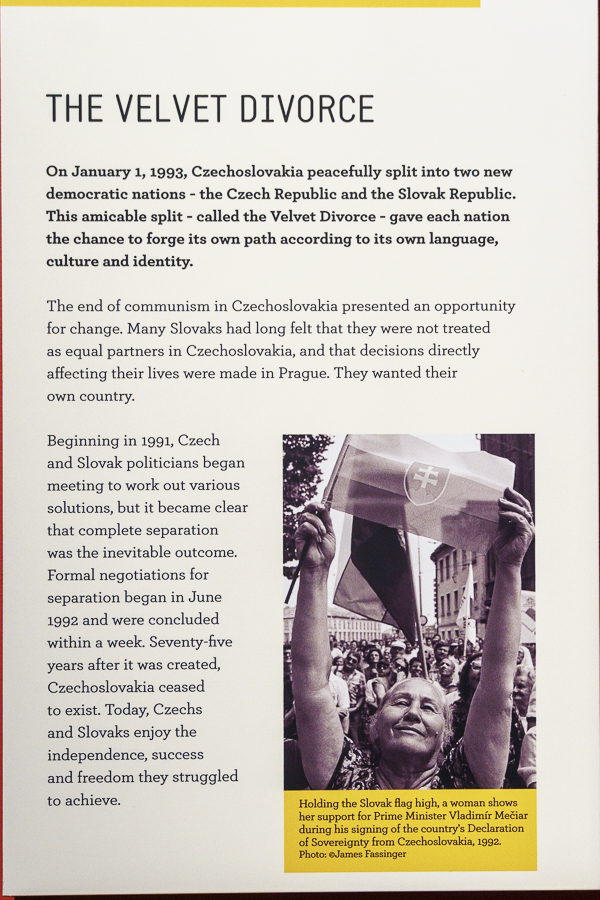
Peace at last
You go your way, we’ll do things our way, and we’ll all remain friendly neighbors

The building now stands 480 feet from its original site and 11 feet higher in elevation, which is 3 feet higher than the height of the flood. Interested in watching a short video of the move? You can find it on YouTube as of this post’s publish date, at this link: National Czech & Slovak Museum & Library (NCSML) Move – June 8th 2011

Kolache comes in sweet and savory varieties. Jon’s grandmother and mother made the nut rolls in the top right-hand corner of the photo and the cookies at the top left for Christmas. We’ve also made the cookies. One of these days we need to attempt the nut rolls. They were delicious.
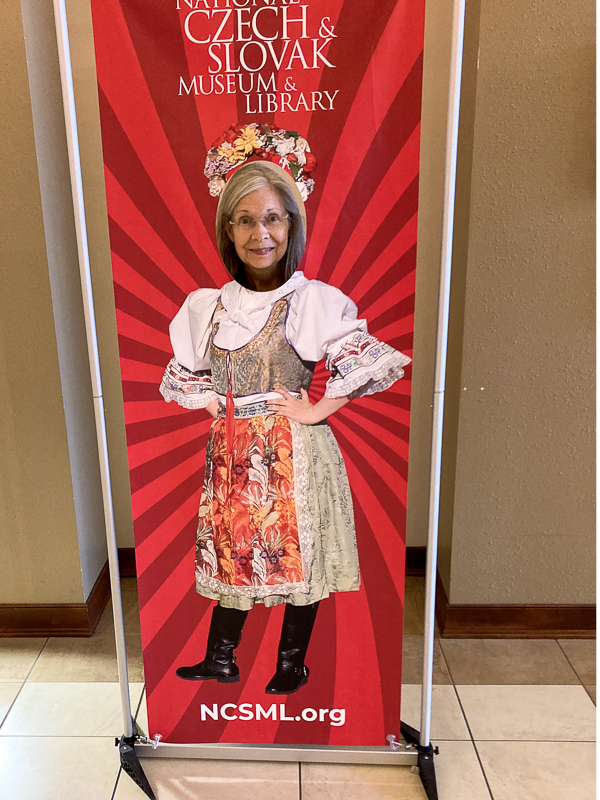
The colorful Kroje-Dress for the Dance of Life exhibit was my favorite. The costumes displayed are from different regions.

This is but a thumbnail sketch on the historical timeline of the organization and there is so much more to see at the museum than what we’ve presented here. For more detail, visit the museum’s website: https://ncsml.org/. A virtual tour is also available there.

Linda tried on a Kroje. Jon rolled his eyes.

Seeing the museum in person, though, would be so much more educational and enjoyable. Studying the history of these countries shed light on current problems that exist in countries around the world today. May they all experience peace someday.

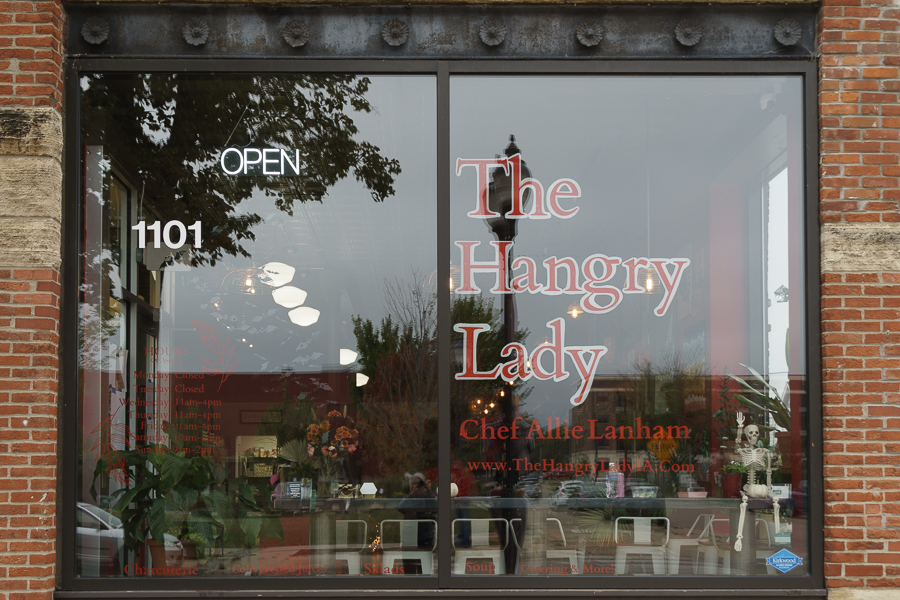
If it hadn’t been raining, we would have liked to walk around downtown Cedar Rapids after touring the museum. We settled for a bowl of soup at the Hangry Lady.

Great place for a warm cup of soup on a rainy day.

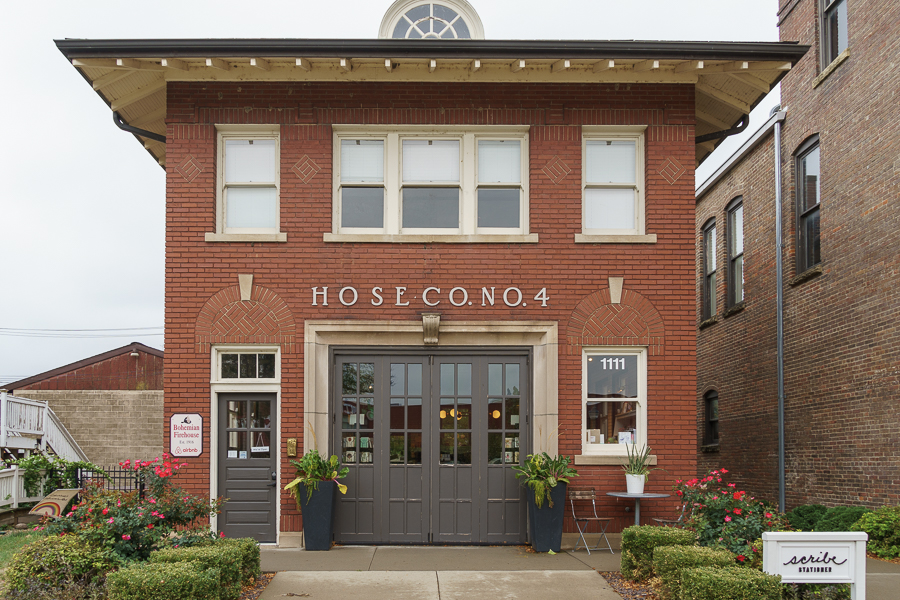
Walking to and from the car, we spotted a few unusual sights. Looking for a place to stay in downtown Cedar Rapids? How about this quaint little cottage?

Or, maybe this historic firehouse?

The Raygun store offers an array of clothing, household goods, and art. Looking for an item with a unique saying printed on it? They have plenty of those.

We enjoyed our visit to the Czech and Slovak Museum and Library and would have loved to spend more time in town. Perhaps we will make our way back someday. If we do, the Brucemore Estate, Czech Village and New Bohemia District, Indian Creek Nature Center, Cedar River Trail, and the Palisades-Kepler State Park are on my must see list.

Up Next: Another rainy day in the Amana Colonies

Safe Travels
2023 Fall Adventure Episode 10: Herbert Hoover Presidential Library Museum and Boyhood Historic Site

It’s a new year, and a new start on this old blog here. We published the final Hannibal, Missouri episode, on November 24, 2024. I thought I could at least finish our 2023 Fall Adventure before the end of 2024. Ha, that’s what I get for relying on wishful thinking.

I hope this post gets me back into updating the blog more often. Perhaps I’ll finish up 2023 in say two to three weeks and then start on 2024. A few months behind is fine with me. An entire year, not so much.

A Strange Site to See

Something strange happened during our drive from Hannibal, Missouri, to Oxford, Iowa, on October 10, 2023. As we drove in the slow lane, a tire and wheel shot across the road in front of us. Yikes! Was the van in the fast lane going to crash?

The tire and wheel bounced toward the shoulder, down a small embankment, into a farmer’s field, and slowed to a stop upright. The van, missing the right front wheel and tire, somehow pulled to a stop on the shoulder as if nothing happened.

As we drove past, I noticed several passengers in the van, including children. Whew! That could have been a disaster. I still wonder how I would react if I had been driving. “Hey, Jon. When did you last check the lug nuts?”

Sleepy Hollow Campground

The rest of our trip to Sleepy Hollow filled us with bucolic vistas of a rolling landscape dotted with farms. We couldn’t put our Solid Steps down (we hate dislike those steps) at the first assigned site, so the manager gave us a better one. The curb side of the trailer looked out over the lake where runner and Muscovy ducks entertained us as they paddled and waddled about. Yeah! More space and a beautiful view.

A Sleepy Hollow sunset

We opted for a dinner out, not wanting to cook after the long drive. In Tiffin, the neighboring town, we found Cheddars, where we had a fine meal. On our way home, we hit low-lying fog, which was unexpected, but it failed to deter us from finding our way back to the trailer.

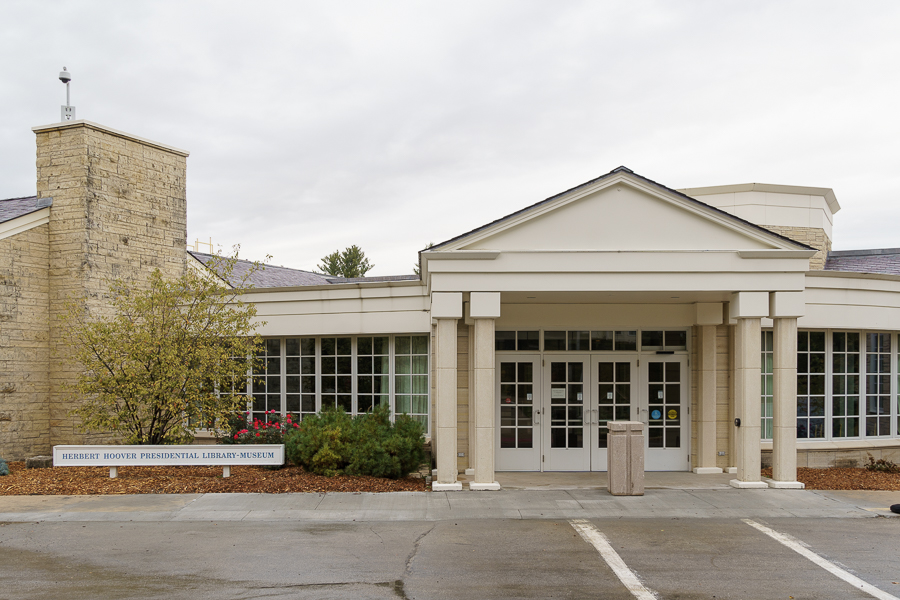
Herbert Hoover Presidential Library and Museum and Boyhood Historic Site

The next morning, we drove into West Branch to see the Hoover Presidential Museum and Boyhood Historic Site. We started with the boyhood historic site.

Herbert Hoover was born on August 10, 1874, in West Branch Iowa. His father Jesse Hoover was of German, Swiss, and English ancestry. He worked as a blacksmith and owned a farm implement store. His mother, Hulda Randall Minthorn, was raised in Norwich, Ontario, Canada. Both Jesse and Hulda were Quakers.

Jesse’s and Hulda’s combo sleeping quarters/dining room/playroom.
Beds for Theodore, Herbert, and May

Hoover and his siblings—Theodore, an older brother, and May, a younger sister—became orphans when their mother died in 1884. His father had died earlier in 1880.

Tight quarters in the combo kids’ bedroom and sewing room
Pantry and kitchen gadgets
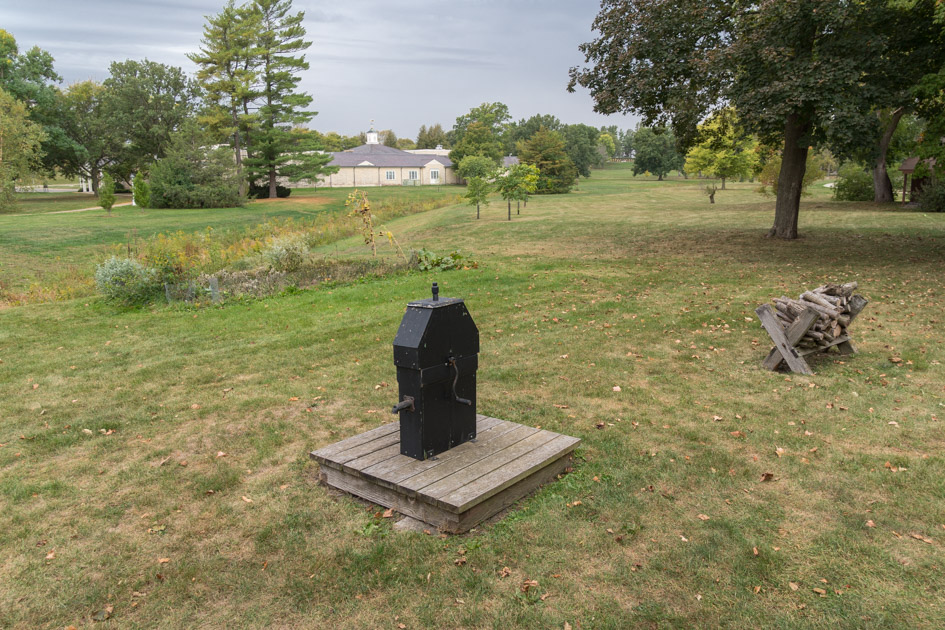
The site of the well used for water in the Hoover cottage
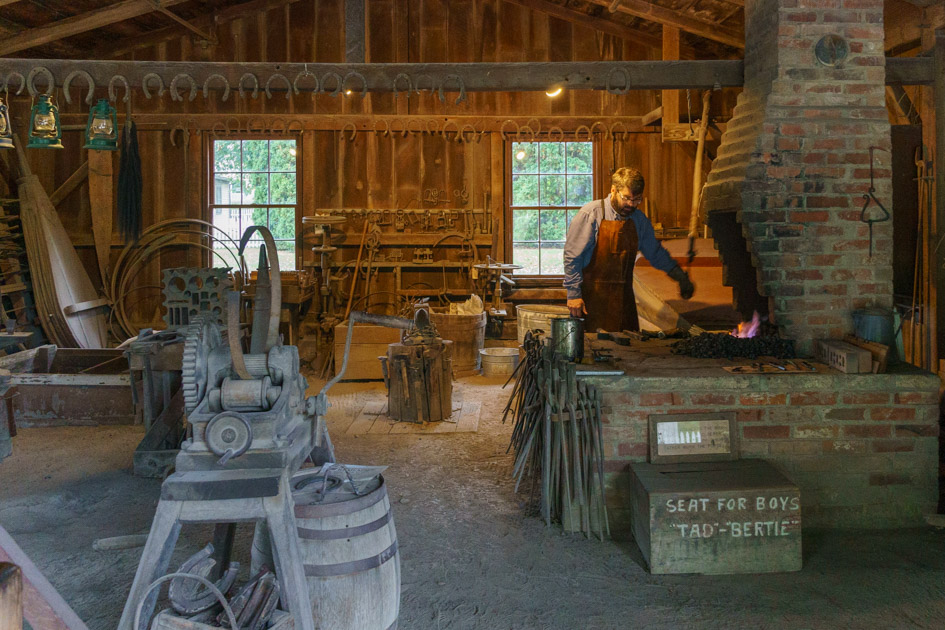
Replica of Jesse Hoover’s Blacksmith Shop
Theodore’s and Herbert’s nicknames were Tad and Bertie, respectfully.

We found the museum building quite small compared to other presidential museums we had seen.

Welcome to the museum
I waited for the school group to finish their tour before entering the galleries.

Hoover moved to Oregon to live with his aunt and uncle in November 1885, where he worked on the homestead and attended school.

Stanford University accepted Hoover in their pioneer class of 1891, where he earned a degree in geology in 1895 and later began a career as a geologist.

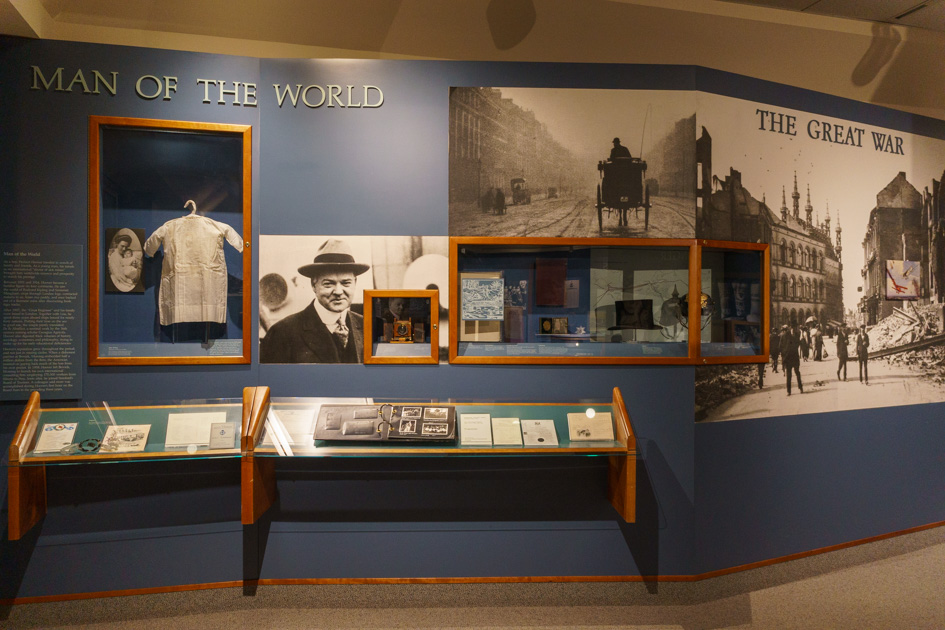
Work took Hoover around the world

Hoover traveled throughout the world for work, often with Lou at his side after their marriage in 1899. They met at Stanford University and lived in London, England, between 1914 and 1917.

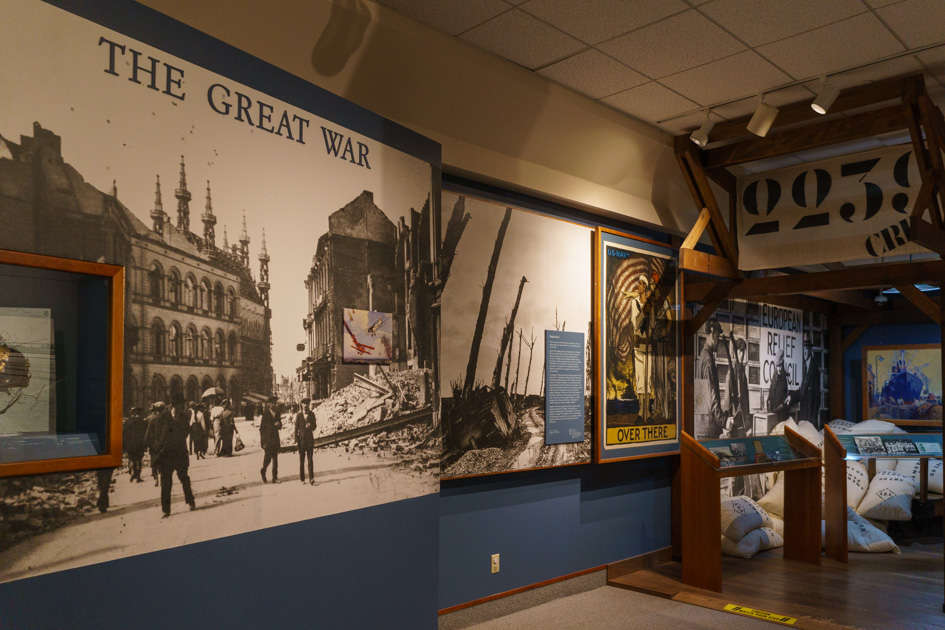
The Great War display

When WWI began in August 1914, Hoover lead the Commission for Relief in Belgium (CRB), which earned him the title “Great Humanitarian” for feeding up to 10 million civilians during the war in Belgium and France.

The CRB and flour sack display

The CRB, established in October 1914 under Hoover’s direction, provided food relief to Belgium and France between 1914 and 1919. The commission sent 5.7 million tons of food, including flour packed in cotton sacks.

One of many decorated flour sacks received by Hoover

To prevent Germany from commandeering the food, the CRB kept close tabs on the food and the empty flour sacks. They distributed these sacks to professional schools, sewing workrooms, convents, and individual artists. This provided jobs for the women who made clothing, accessories, pillows, bags, and other items, which were then sold to raise money for the war effort.

After the war, several people expressed their gratitude to Hoover by sending painted flour sacks and other products to Hoover. The museum claims their collection of these items is the largest in the world.

The Hoovers moved to DC in 1917 when Herbert accepted his appointment as head of Food and Drug Administration.

Modern conveniences hit the market
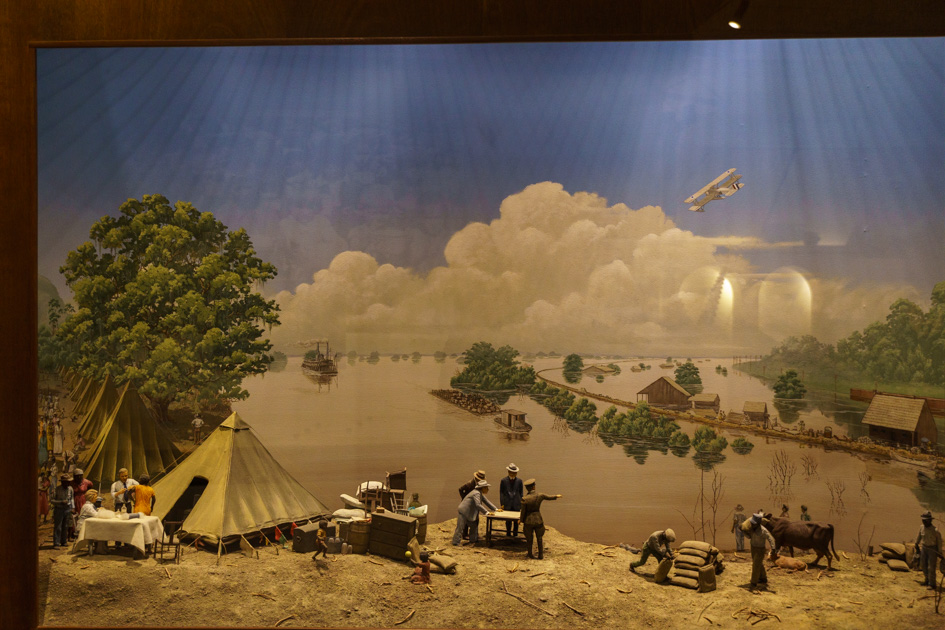
Depiction of response to the Mississippi Valley Flood of 1927
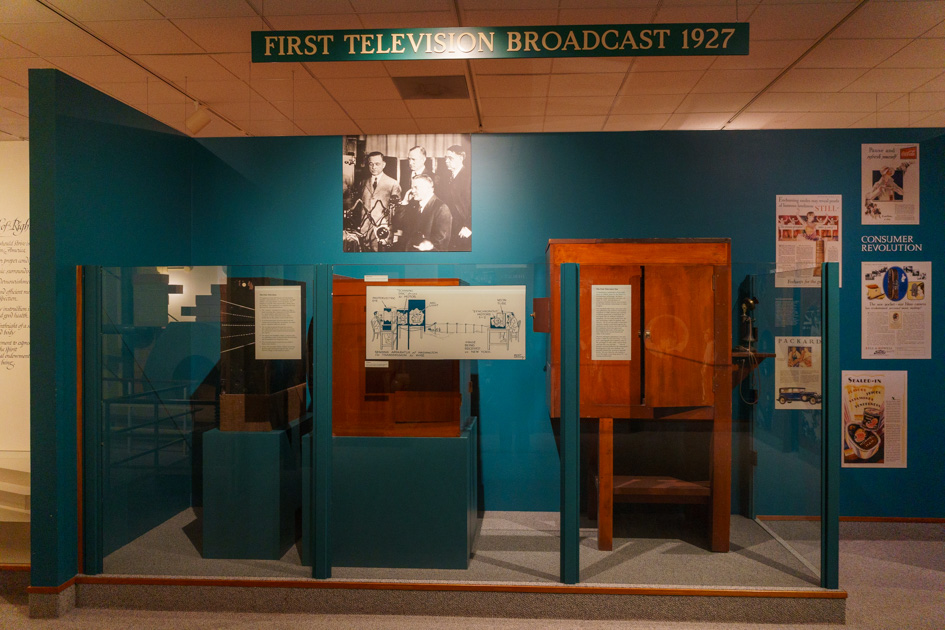
First intercity transmission of video imagery on April 27, 1927, a precursor to Zoom

Hoover served as president from March 4, 1929 to March 4, 1933. He signed legislation on June 25, 1929, to build Boulder Dam, which was later renamed Hoover Dam. The Stock Market Crash on October 29, 1929, and subsequent Great Depression plagued Hoover’s presidency for the rest of his four-year term.

Hoover’s response to the depression included the repatriation of approximately one million Mexican Americans, even though some had been born in the United States.

Not the typical oval office seen in presidential museums

After Hoover’s presidency, Harry S. Truman and Dwight D. Eisenhower assigned him to chair the Hoover Commission. The commission’s purpose was to make the government more efficient.

Although praised for his humanitarian and other public service, he is often ranked below average as a president. The 2024 American Political Science Association (APSA) survey ranked Hoover at 36 among all presidents.

Any support he earned during his campaign for office plummeted after his response to the Stock Market Crash and the Great Depression. Yet his humanitarian efforts before his presidency and his work on the Hoover Commission afterward earned him plenty of accolades.

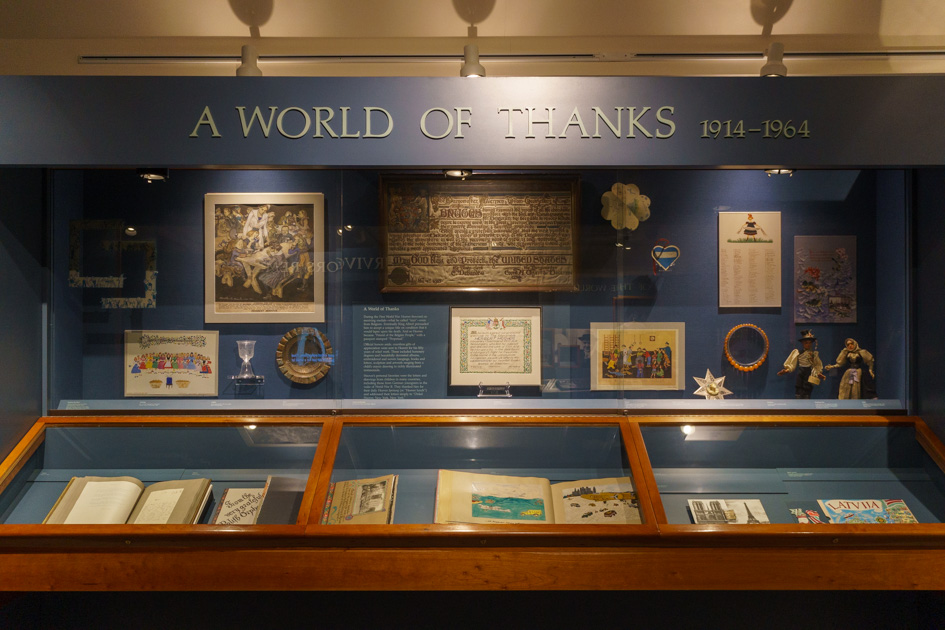
Although Hoover wasn’t one for accolades, the world insisted on thanking and honoring him throughout the years.

What is it about the power of the presidency that can make or break a political career? How can someone work so diligently to save 10-million European people from starvation, and ten years later order the repatriation of Mexicans? Did Hoover dream up that idea on his own? Or did he cave under pressure from other politicians, the media, and outcries from the public to blame someone, anyone, even if they were citizens?

Maybe someday I’ll find the answers to my questions, yet at this point I doubt it. And maybe that’s the problem with the way things are in this country today. Few of us, as a society, take the time to dig deep and find the answers to questions like these. And if we don’t learn from mistakes made in the past, it’s likely we’ll repeat them, as the saying goes.

About the First Lady, Lou Henry Hoover (March 29, 1874 – January 7, 1944)

Raised in California before it became a state, Lou became the first woman to receive a degree in geology from Stanford University. She led the Girl Scouts of the USA from 1922 to 1925 and 1935 to 1937, was an advocate for women’s athletics, and supported women’s rights and independence. She spoke and wrote Mandarin and had a command of Latin.

Portrait of Lou Henry Hoover

Although she refused to accept reporters’ invitations for an interview, she gave regular radio addresses. Lou also dedicated more of her time as first lady to her volunteer work, shunning the White House hostess role.

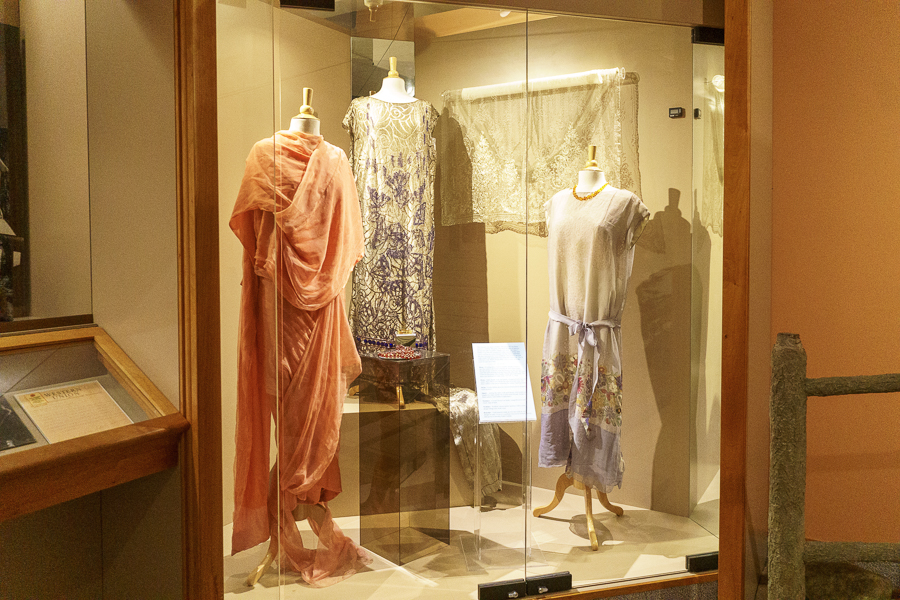
1920’s – 1930’s Elegant fashions for women

From the small amount of research I’ve read about Lou Hoover, she seems like a person to admire. Maybe some day I’ll read more about her.

Up next: A day trip to the National Czech and Slovakia Museum in Cedar Rapids, and a day in the Amana Colonies.

Safe Travels

2023 Fall Adventure Episode 8: Hannibal Missouri, Mark Twain Boyhood Home and Museum

October 8, 2023. Finally, time to explore Mark Twain’s Hannibal, Missouri. I fell in love with my fellow Sagittarius writer at an early age. About the time in my life when I was looking for people to admire, I read the Adventures of Tom Sawyer and Adventures of Huckleberry Finn. Learning more about the author convinced me that Samuel L. Clemens must be on my list of most admired people.

The town has gone all out to honor their favorite son. His name graces business signs, a statue in the harbor honors him as a steamboat captain, a museum details his life story. And homes where he and his friends lived extend the museum experience.

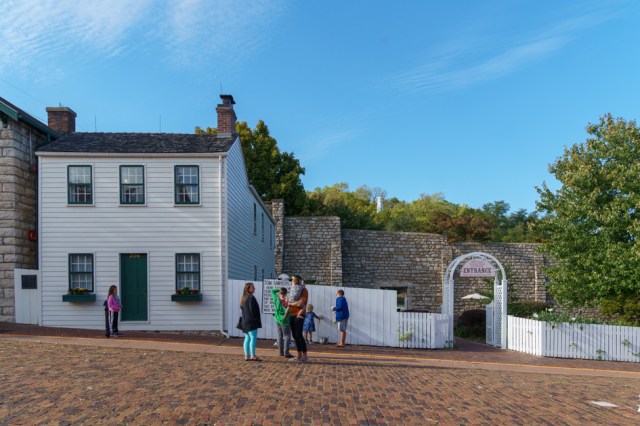
The Boyhood Home

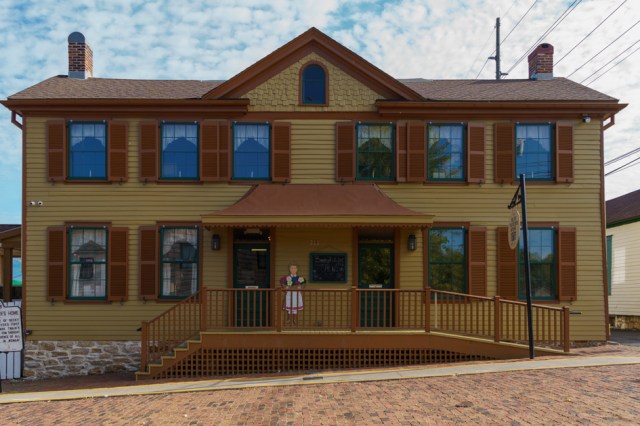
The Boyhood Home was built in 1843 or 1844. The Clemens family lived there until they moved above Grant’s Drug Store.

The Boyhood Home where children can try their hand at painting the fence.
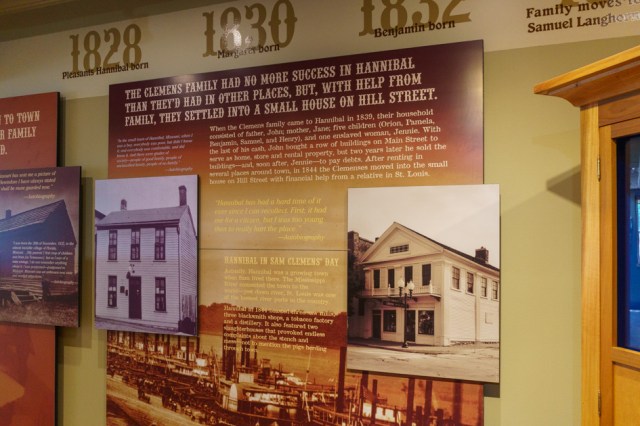
Timeline of the Clemens family in Hannibal, Missouri

A bit of history reveals the John Marshall Clemens family of five moved to Hannibal, Missouri, in November 1839. Eight years later, Samuel’s father died from pneumonia, leaving the family in poverty. Samuel left school to work and help keep the family afloat. He hopped from one job to another, getting fired or quitting work he found boring. These included stints as a grocery, bookstore, and apothecary clerk; he also worked for a blacksmith and delivered papers for the Hannibal Gazette.

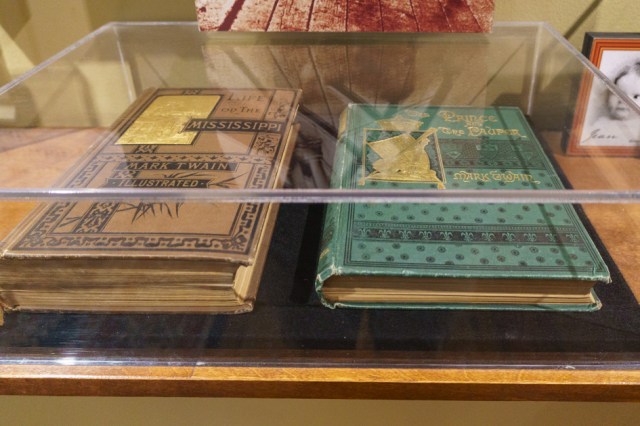
Life on the Mississippi and The Prince and the Pauper books by Mark Twain
Twain with his characters

Eighteen months after his father’s death, his mother Jane apprenticed the boy to Joseph P. Ament, the new publisher of the Gazette. Typesetting suited Samuel better than his previous forays in the working world. Later, he worked for his brother Orion on his paper and started writing articles and short stories. And the rest, as one might say, is history I’ll leave to readers to explore on their own. The photos below are but a few of many I took on our self-guided tour.

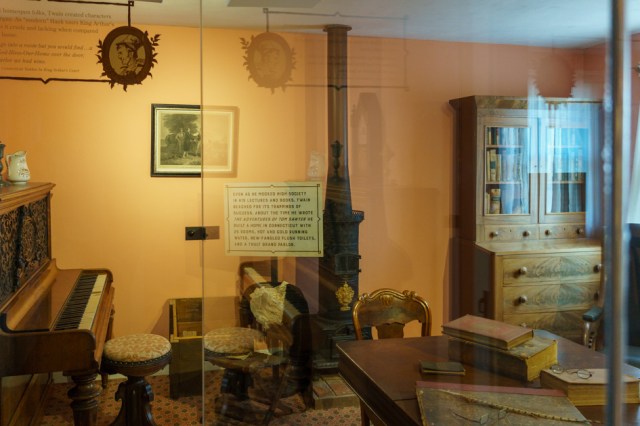
Sample of interpretations in the museum and homes
Twain stood 5′ 8″, by his account
The parlor room
The boys’ room

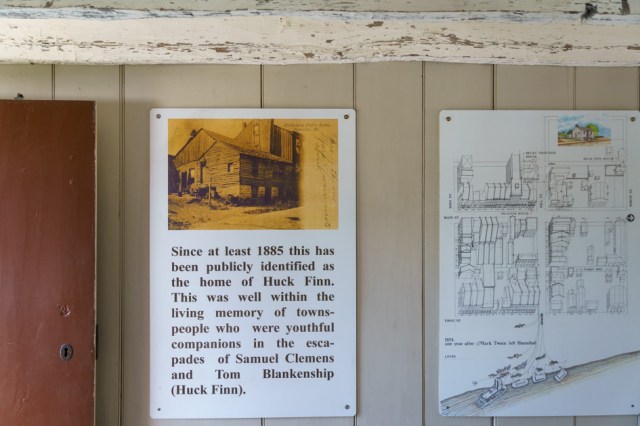
The Blankenship Home (Huck Finn)

The following photos are of the rebuilt Blankenship Home, identified as the home of Huck Finn. The original Blankenship house was demolished in 1911. Chris Coons owned the land in 1998 and donated the property with a stipulation the home would be reconstructed.

Rebuilt Huck Finn house

The Parham family funded the reconstruction. The builder used the original plans and materials as a guide, making modifications to correspond to a photo that showed the original house was framed and not built as a log cabin.

The house was completed and dedicated on May 26, 2007.

The Hawkins Home (Becky Thatcher)

The following photo is of the Elijah Hawkins’ house where his daughter Laura (Becky Thatcher) lived. The home went through a full restoration in 2013 and in 2020, a new interpretation was installed.

Becky Thatcher House

Justice of the Peace Office

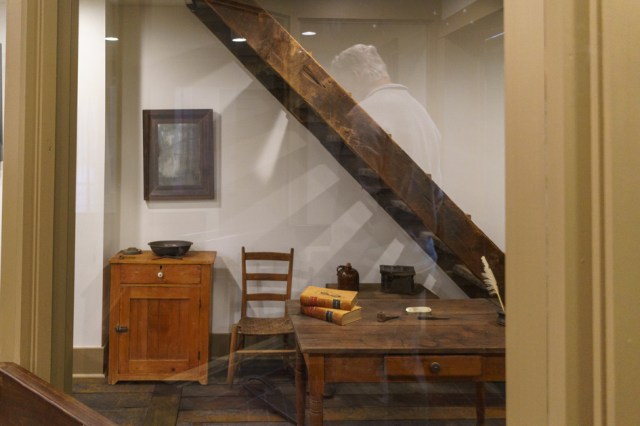
Inside Judge John Marshall Clemens’ justice of the peace office

Grant’s Drug Store

Hard times hit the Clemens family in 1846, so they moved above Grant’s Drug Store. Samuels’ father died in one of the rooms on March 24, 1847. Mrs. Sarah Marshall Mahan gave the building to the city in 1955. (Imagine living in a house where Twain slept) The building opened for tours to the public in 1959 after extensive rehabilitation. Additional restoration took place in 2017 and the museum installed a new interpretation in 2020.

Grant’s Drug Store, also known as the Pilaster House
Grant’s Drug Store building
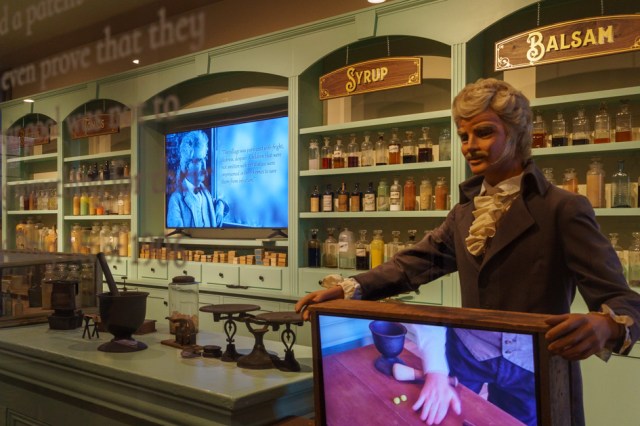
Apothecary
Upstairs dining area
Upstairs office

Mark Twain Museum

The museum holds a collection of Norman Rockwell paintings, books, and artifacts.

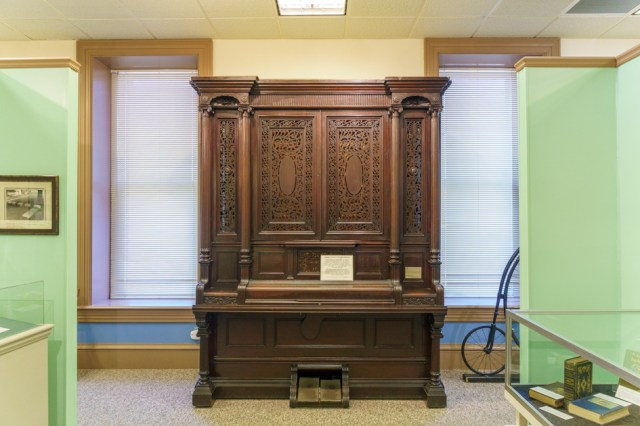
Mark Twain’s Orchestrelle
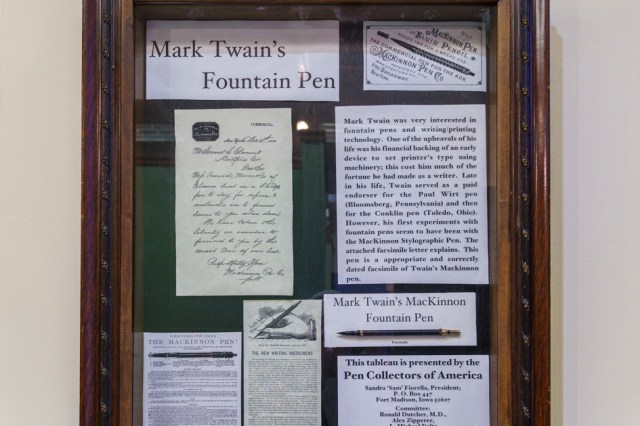
Mark Twain’s Pen

In 1935, Heritage Press commissioned Norman Rockwell to illustrate special editions of The Adventures of Tom Sawyer and The Adventures of Huckleberry Finn

Norman Rockwell paintings

Rockwell completed preliminary sketches of the paintings before he visited Hannibal. He had to redraw one of those sketches because it did not match the actual house.

This photo shows a roof and shutters, but this did not match the actual house.
So, Rockwell revised the sketch to include a drain pipe and eliminated the shutters.
Twain converses with his characters

Several years ago, I visited Twain’s home in Hartford, Connecticut, and gained a deeper understanding of the man in his prime. We’ve seen the replica cabin near Angels Camp, California, where Twain gathered material for his short story, “Jumping Frog of Calaveras County” and the semi-autobiographical book Roughing It. And in Virginia City, Nevada, Mark Twain popped up as an editor of the Territorial Enterprise.
On this day, I gained a deeper understanding of the town, the boy, and the friends and neighbors that inspired many of the stories Twain wrote. One of these days I hope to visit Elmira, New York, where Twain and his family spent many summers with his sister-in-law’sfamily.

Up Next: A riverboat cruise, a lighthouse, lover’s leap, and a walk through Sodalis Nature Preserve

Safe Travels