Welcome back! Today, we restart our travel blog after a three-month hiatus. Annual medical appointments, taxes, and a kitchen renovation didn’t leave us much time for reporting on our 2024 travels until now. Without further delay, we present our first 2024 adventure, a trip to the Napa Valley in March.
Passing up a chance to ride a historic train is not in our DNA when we are traveling. So why oh why had we never ridden the Napa Valley Wine Train? We’ve lived within sixty miles of Napa for the past thirty years and never found time to ride the train? Shame on us. The time for us to do so had arrived.
Hennessey House Bed & Breakfast
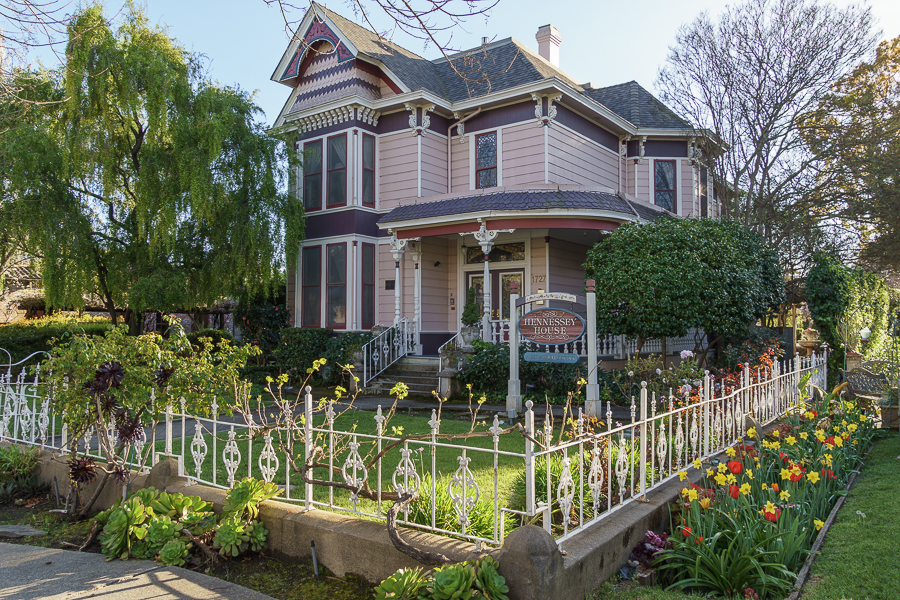
On March 17, 2024, we left the fifth wheel at home for our two-nights in Napa and opted for accommodations at the Hennessey House Bed & Breakfast instead. M. E Johnson, a local carpenter, built the Stick Eastlake style home in 1889 for Dr. Edwin Hennessey. The home continued as a private residence until 1985, when it became a Bed & Breakfast.
Wanting to know a few facts about Dr. Hennessey, I found an article in the Napa Valley Register. According to the article dated October 17, 2010, Hennessey was born in Decatur, Illinois, in 1863. He studied medicine in 1883 and moved to Napa in 1884, where he lived until his death in 1924.
He ran his private practice while also engaged in other prominent positions. His medical career included positions in Napa County, the Yountville Veterans Home, and Napa State Hospital. He also served as a board member at various political and business organizations.

The article included a creepy story that could in no way occur in today’s society. A man hanged for his crimes willed his body for “the benefit of science.” Hennessey was present at the autopsy and took possession of the body for his “anatomical collection”. He had the skeleton cleaned and placed on top of a building to sun bleach. Imagine what the residents of Napa felt after hearing the skeleton had been there for six months.
Was the skeleton used in Napa County school as a teaching aid? Perhaps, according to a few unverified stories. I wonder where the skeleton is now. Is it boxed up in a storage closet somewhere? Could students have stolen it for a gag? The mystery continues.
Napa Valley Train
After a hearty breakfast at Hennessey’s, we headed to the train depot. Our table’s coziness between two etched-glass dividers gave us a sense of privacy, even though across the aisle sat another couple.


Let the ride and dining begin. Our server brought us sparkling wine to toast to our 50 years of marriage. We sipped our bubbly as the train lumbered through the City of Napa, paralleling State Route 29, as it traveled 18 miles toward St. Helena. The train returned to Napa after a brief stop.

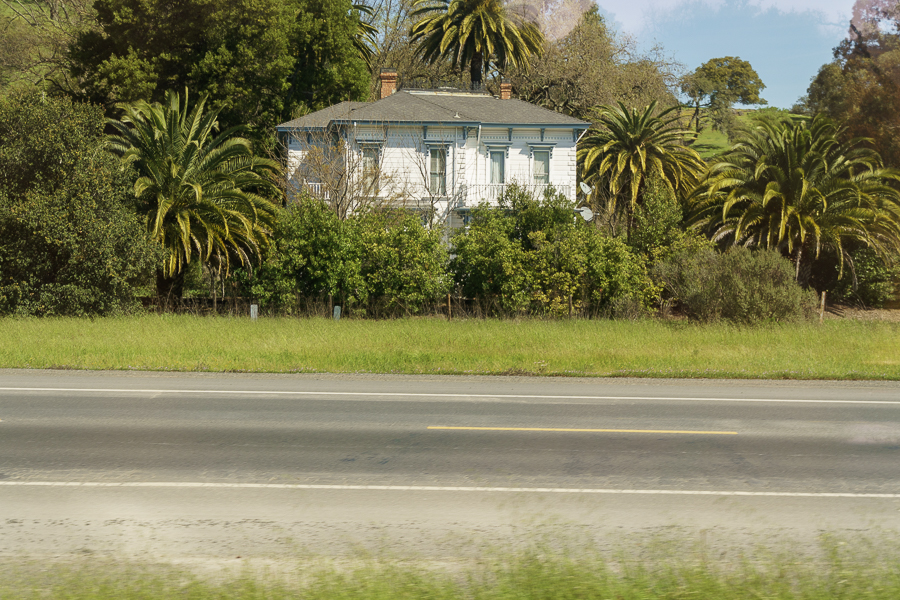
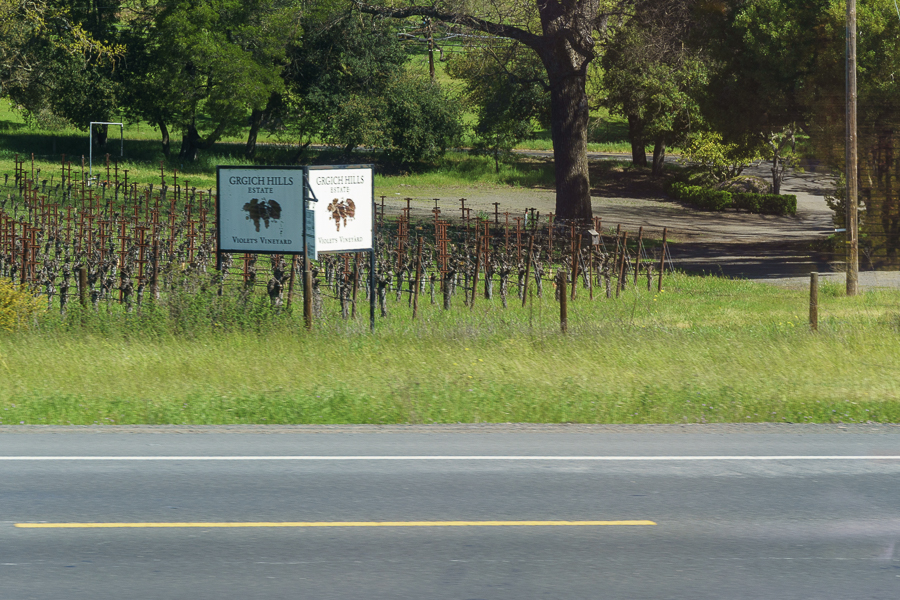
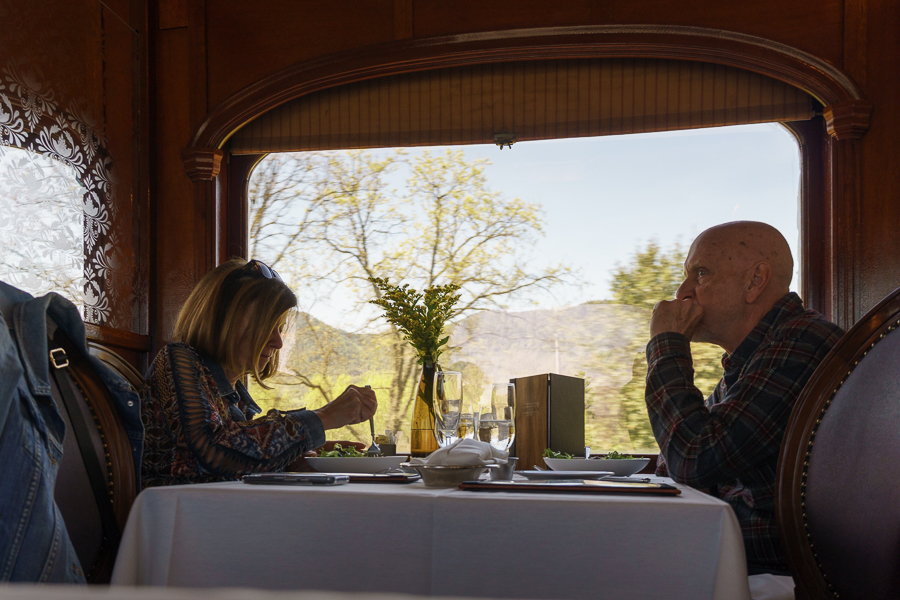
Along the way, we alternated the joy of eating our meal and gazing outside the window as we passed various towns. Between the towns, green rolling hills gave way to grassy vineyard floors and pruned vines. Spring in Northern California is when grass is at its greenest. We picked a great time to visit.
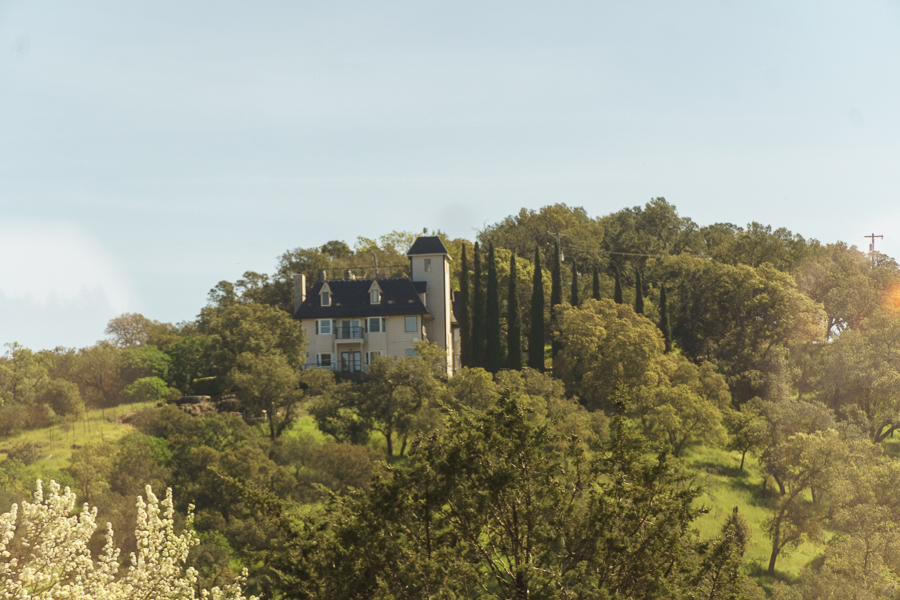
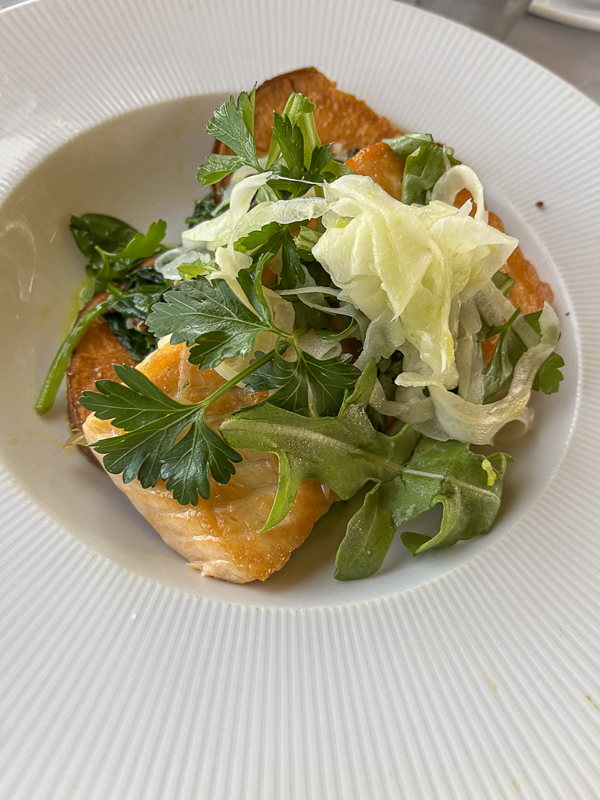
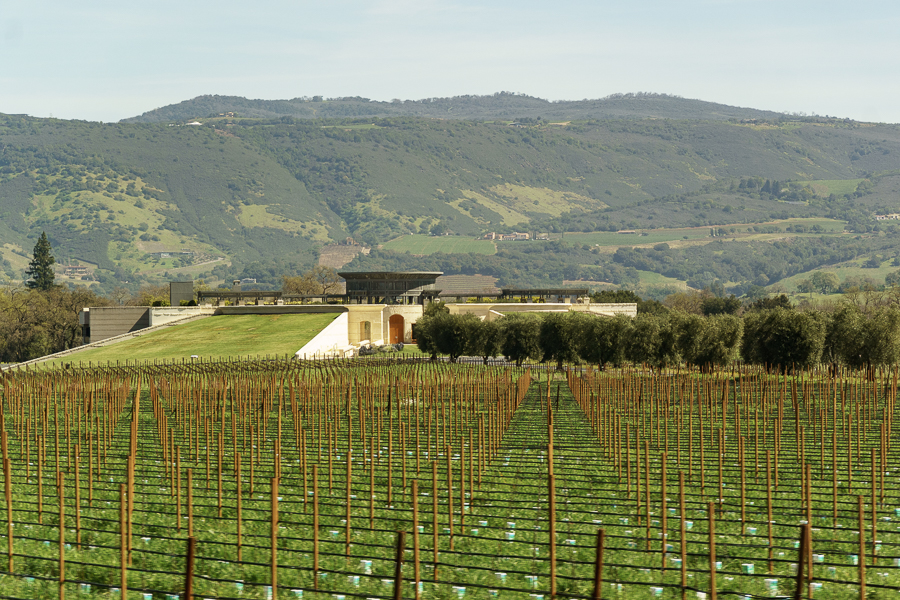
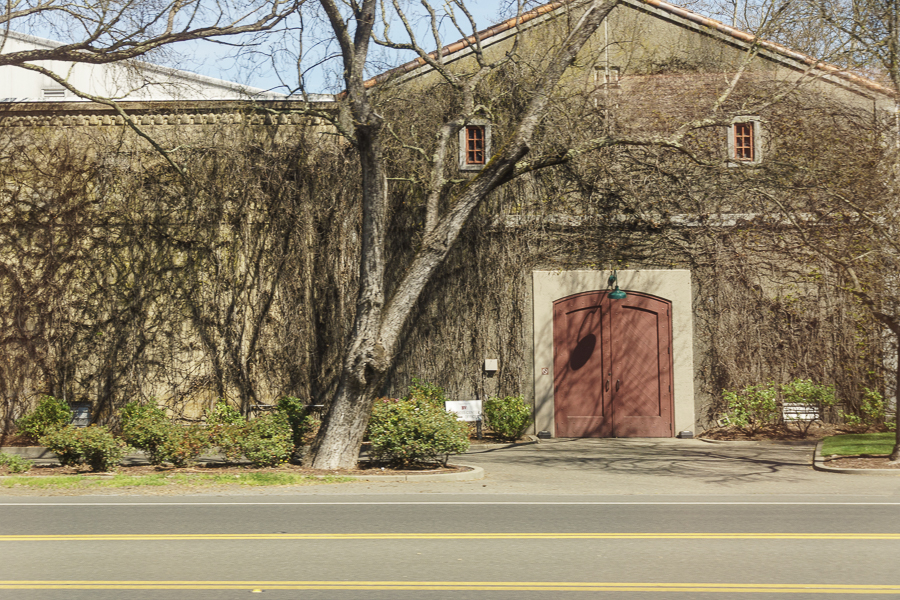
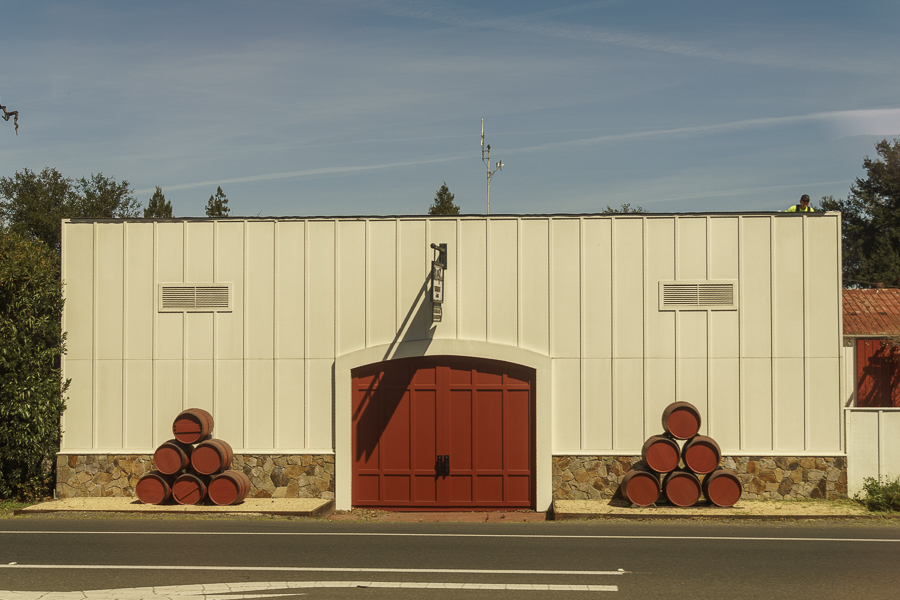
I made a game of capturing images of the scenery. It’s not like the train stopped to allow me to click the shutter without jiggling, and the lighting didn’t always cooperate. Luckily, a few shots turned out to contrast the historic homes and buildings with the newer construction of estate mansions and wineries.


History:
- The Napa Valley Railroad began operations in 1864.
- Southern Pacific abandoned the line 1985.
- Vince DeDomenico acquired the right of way and the Napa Valley Wine Train was born after a $20 million rehabilitation.
- The family took over running the train upon the death of DeDomenico.
- Nobel House Hotels & Resorts purchased the railroad in 2015 and remains the current owner.

The Napa Valley Train ride was the most elegant historic train we have taken. We were glad we opted for the food service because it added to the ambience and made our time together memorable.

I’d love to go back for another ride in the fall when the grape leaves splash their autumn colors across acres of vineyards.
Oxbow Public Market
Before we left town on March 19, 2024, we stopped at the Oxbow Public Market on the banks of the Napa River to see what they offered.
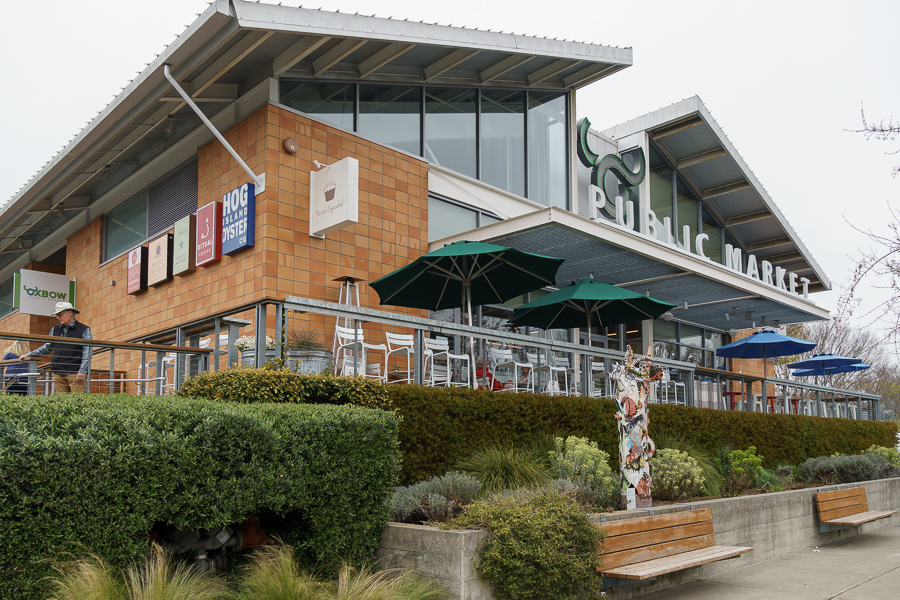
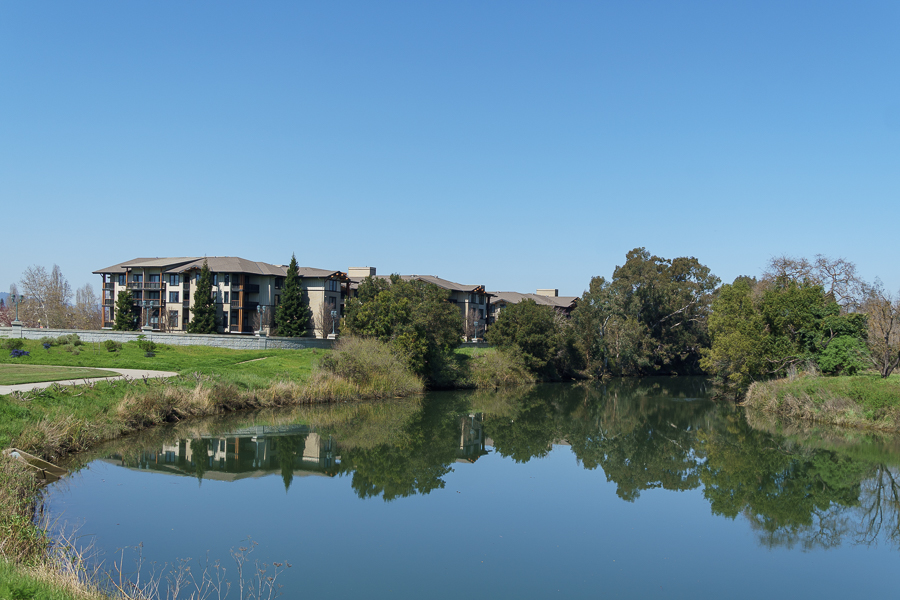
Not as large as San Francisco‘s Ferry Building, the vendors at Oxbow sell a variety of goods for residents and tourists alike. Visitors will find an array of vendors equipped to satisfy anybody’s yearnings, be they savory or sweet.
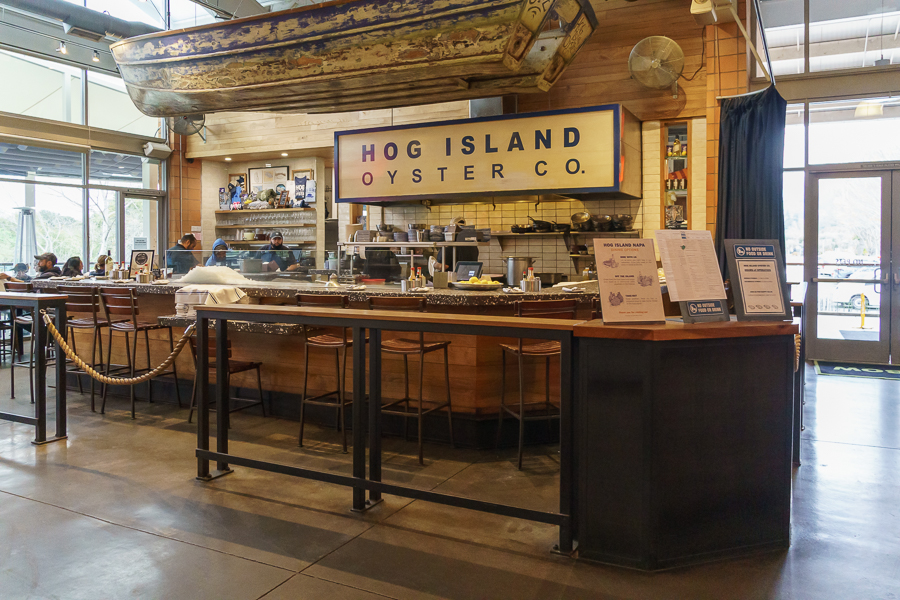
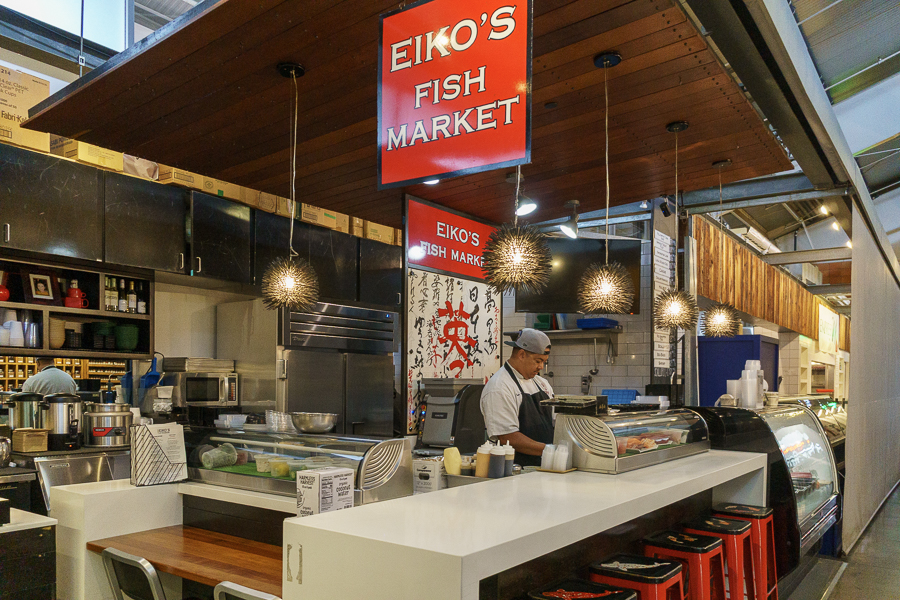
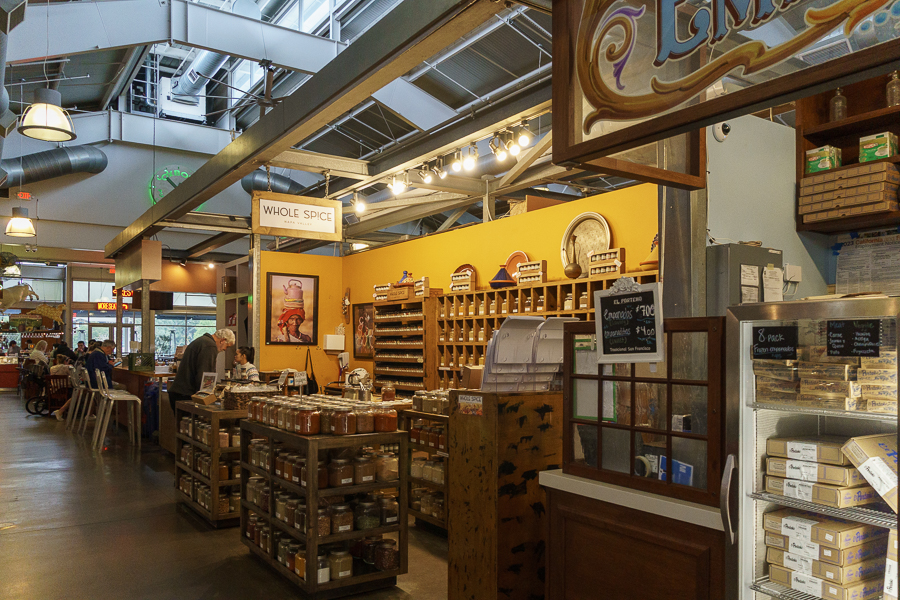
Beer, wine, and cocktails are also available. And book lovers of all ages will want to search for their next read among the tables and bookshelves in Napa Bookmine.
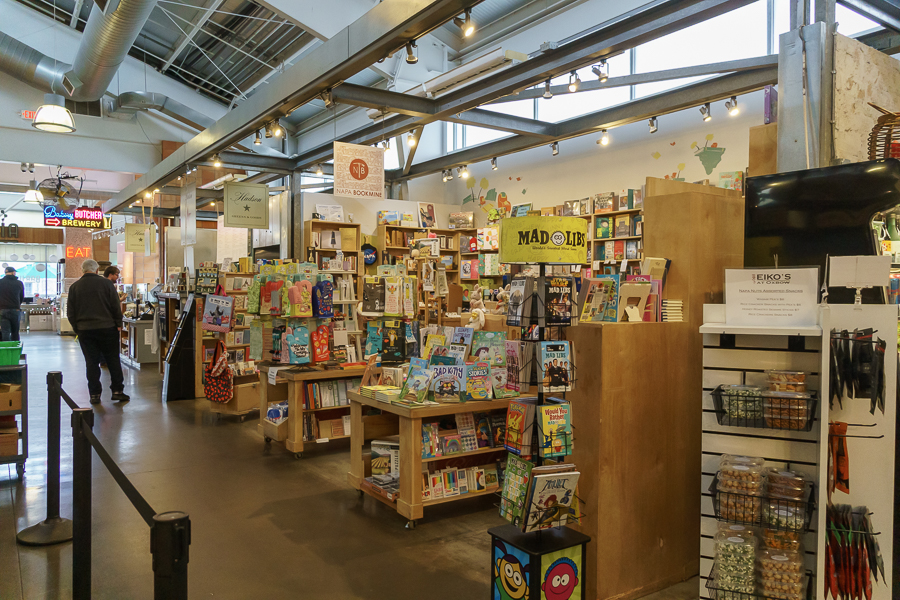
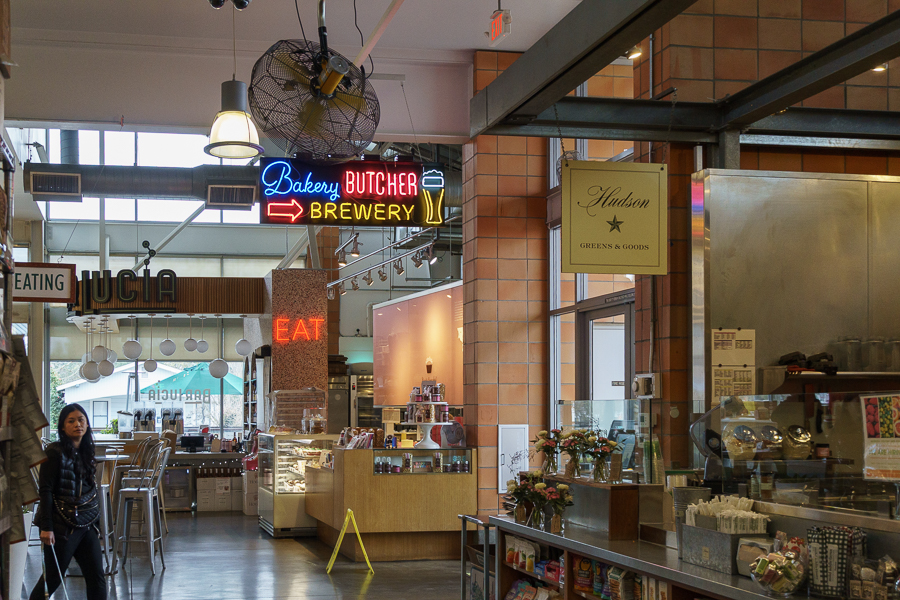

More vendors surround the market and across the street.
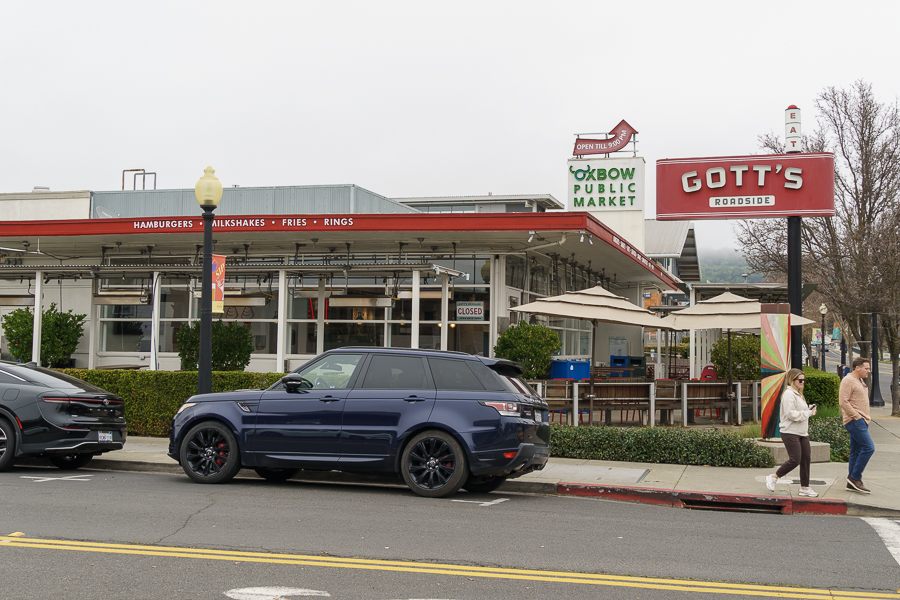
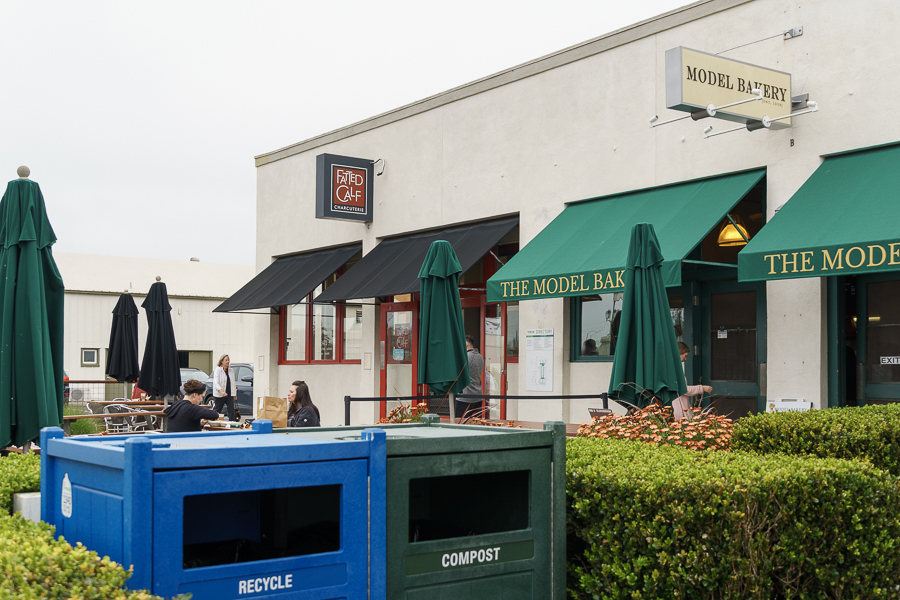

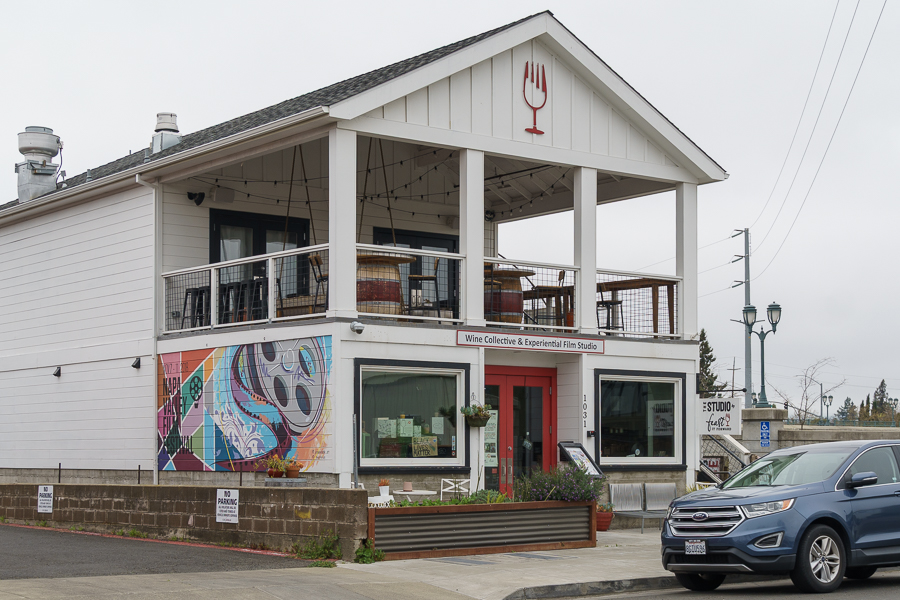
Without an ice chest, we had to pass on loading up the car with groceries. Instead, we enjoyed coffee and pastries.
Copia: Now and Then
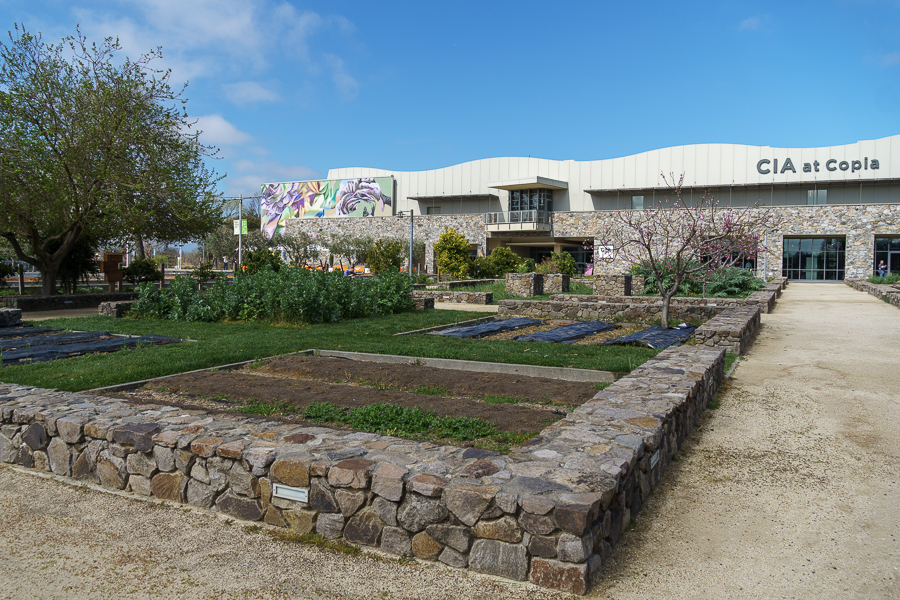
Now 2024
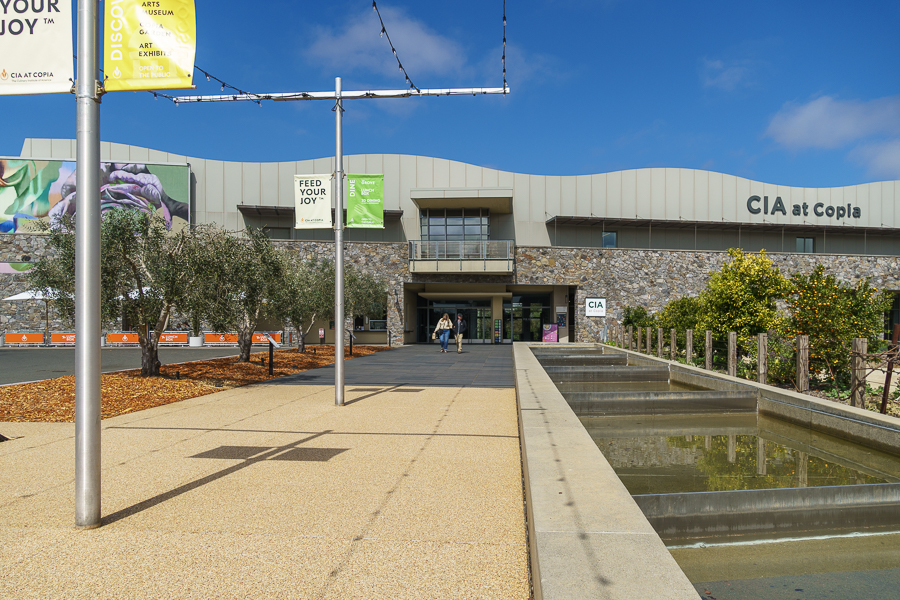
Across the parking lot from the Oxbow Public Market is the Culinary Institute of America (CIA) at Copia. The CIA offers a five-day Basic Training Bootcamps and other courses that focus on certain types of cuisine, such as Mexican or Italian.
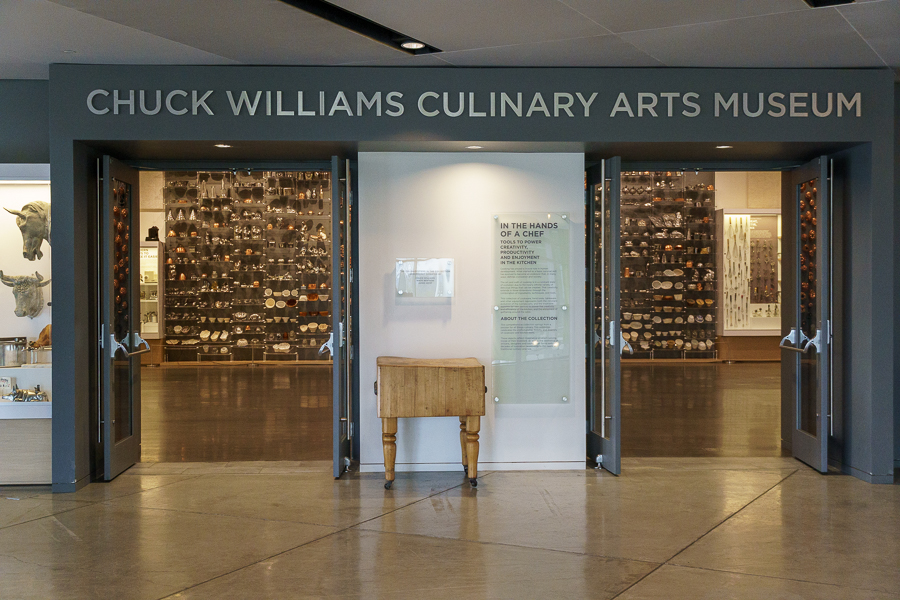
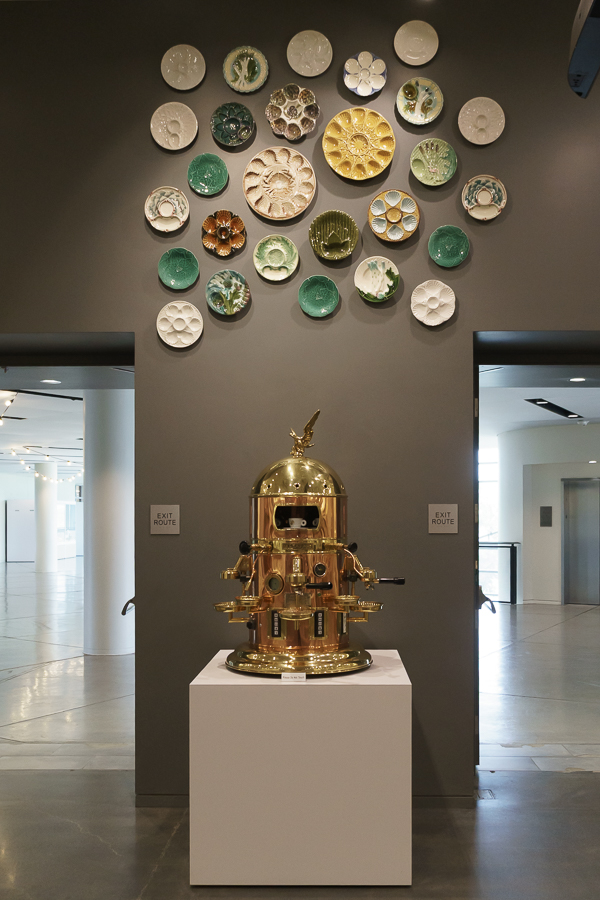
Upon seeing the wall of displays outside of The Chuck Williams Culinary Arts Museum, we couldn’t pass up a look inside. Chuck Williams, the founder of Williams Sonoma, collected the items over his lifetime. Cooking utensils and tools hung on peg boards, sat on shelves in the display cases, and graced space on the floor.

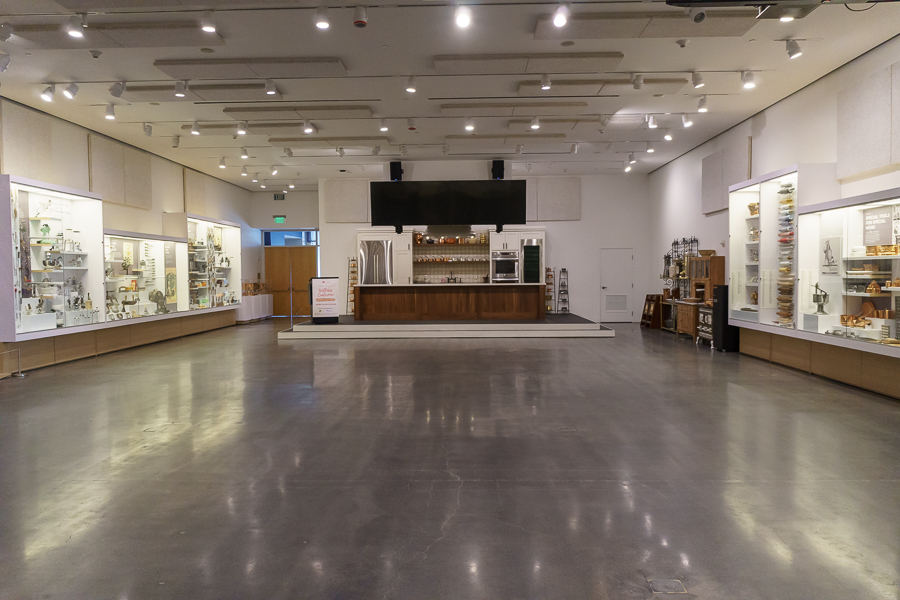
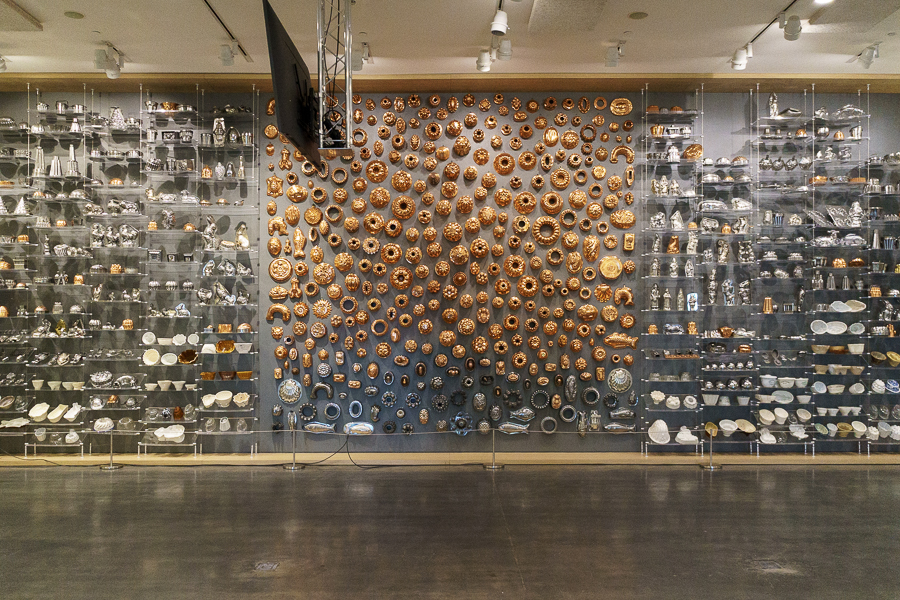
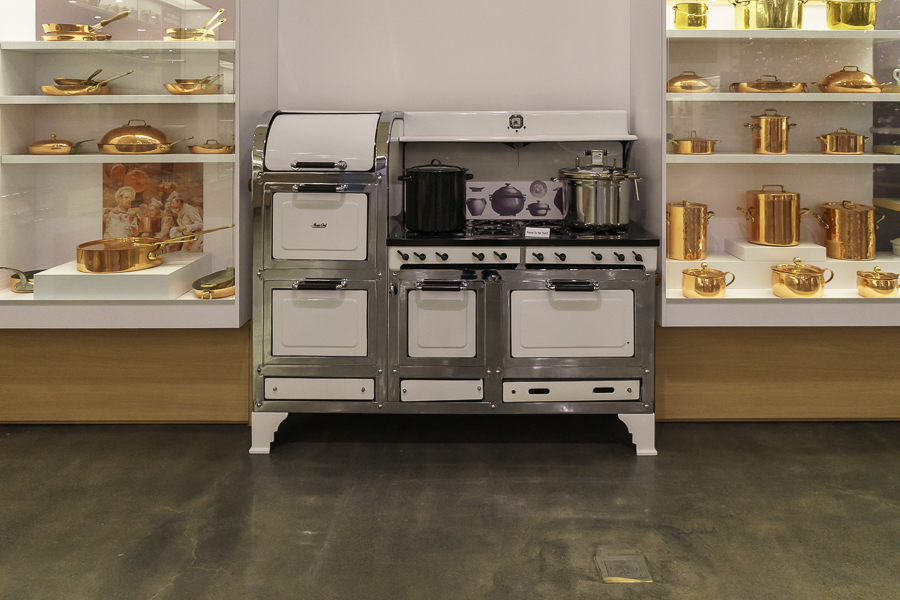
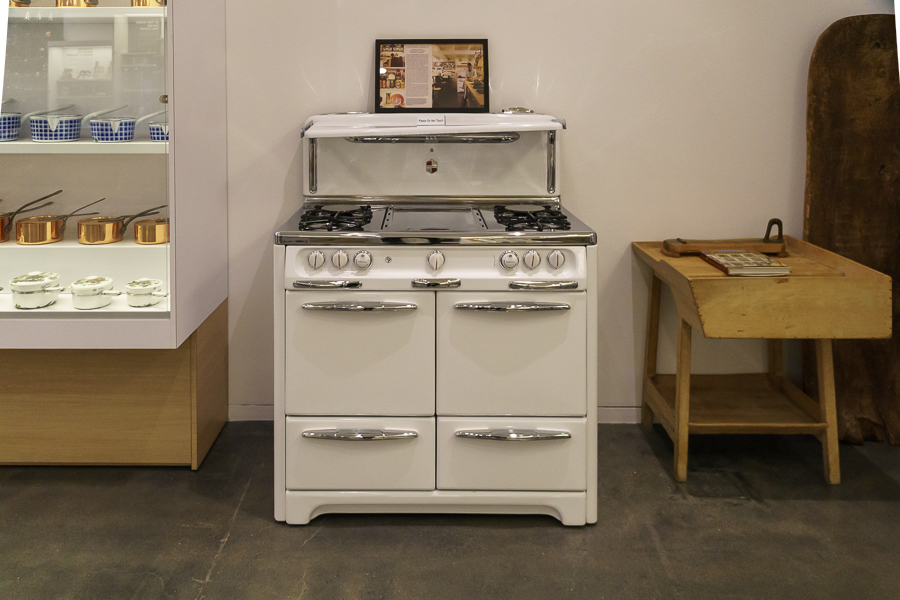
The range in the photo below is very similar to the one we had in the house we bought in the 1970s. It wasn’t the most energy efficient model to use, but I sure loved the griddle for making pancakes.

Then 2008
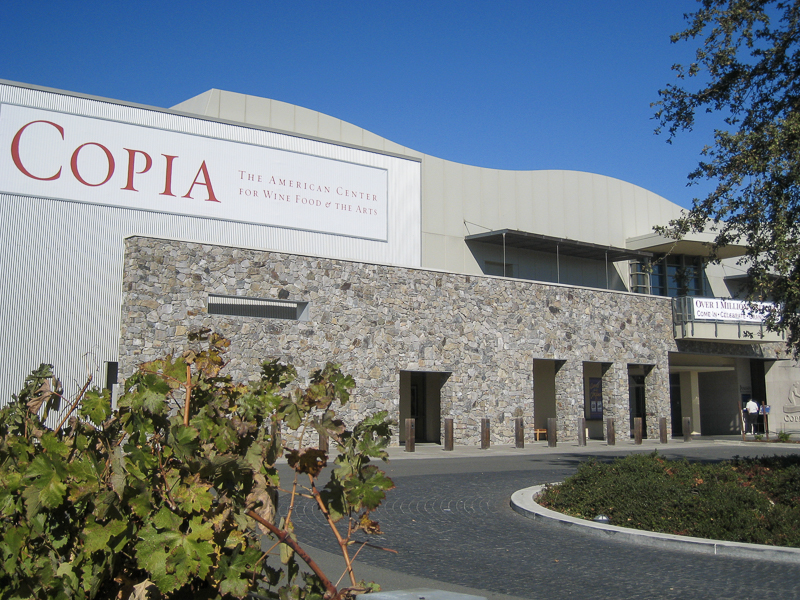
The facility once housed The American Center for Wine & Arts—later named Copia—which operated from 2001 to 2008. Robert and Margrit Mondavi had donated land and provided other funding for the museum.
The major draw to the Copia Museum was Julia Child’s copper pots and pans, which she donated in 2001.
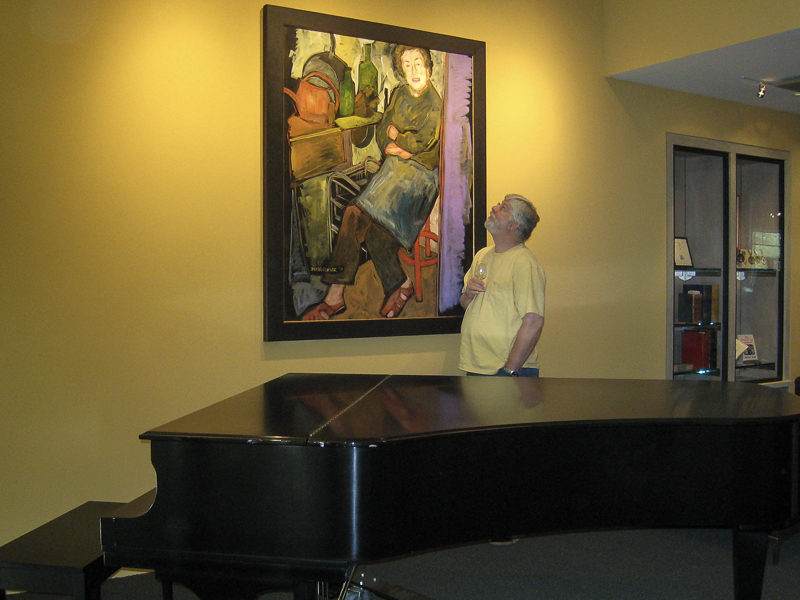
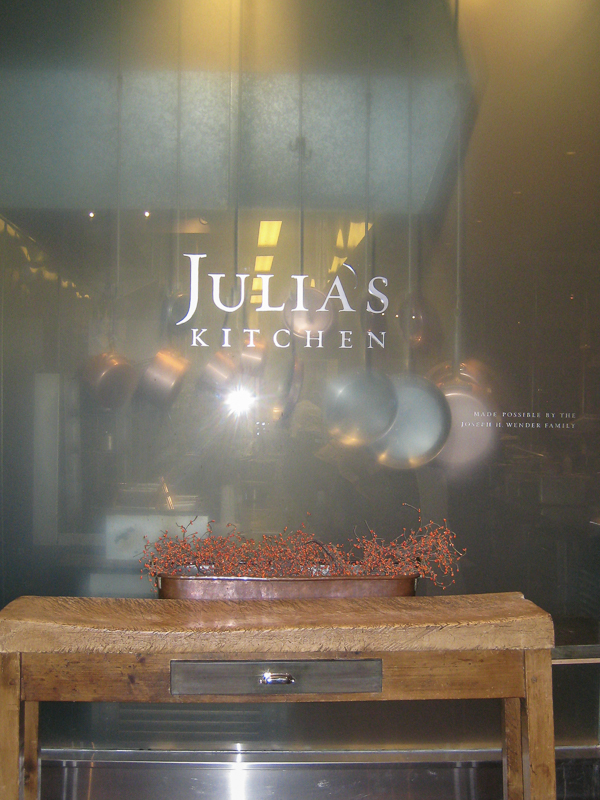
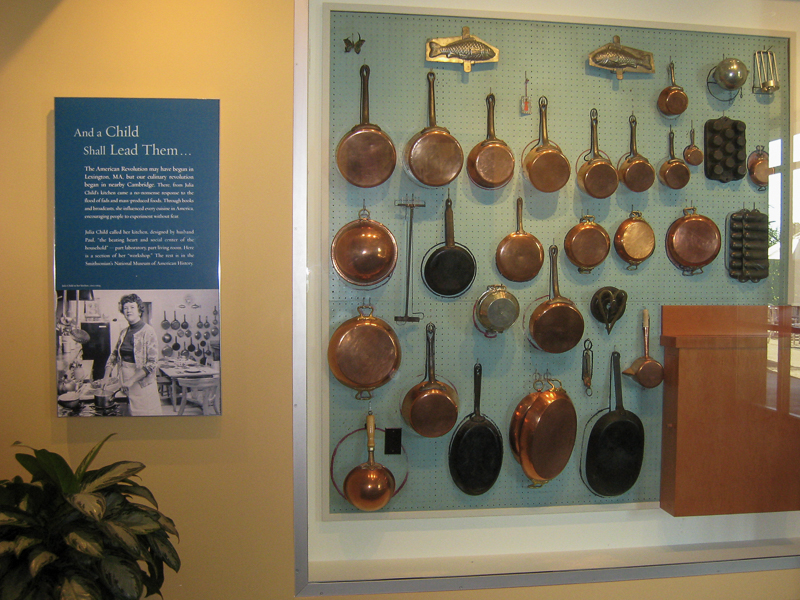
After seven years, the museum failed to generate enough revenue to pay its debt and keep the doors open. When the museum closed, Napa Valley College took possession of the center’s library. And the Julia Child cookware exhibit went to the National Museum of American History to join the rest of her kitchen, which Child had also donated in 2001.
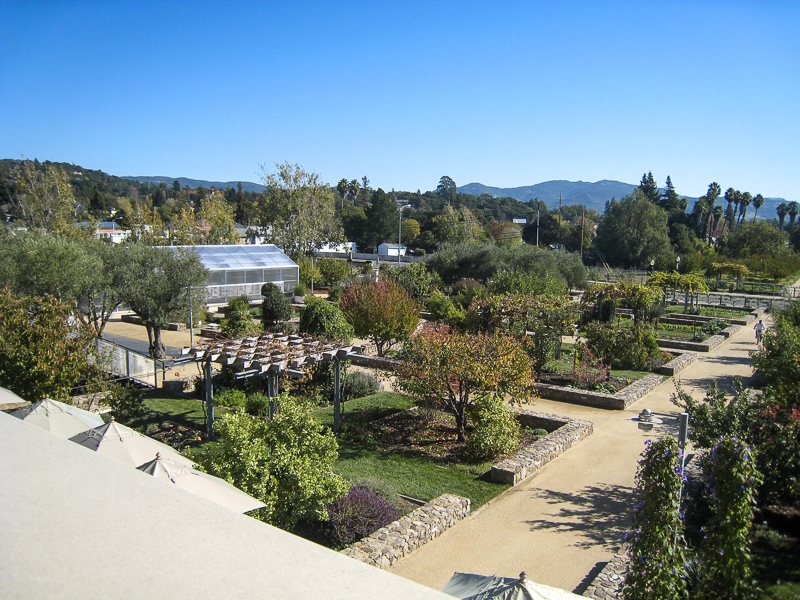
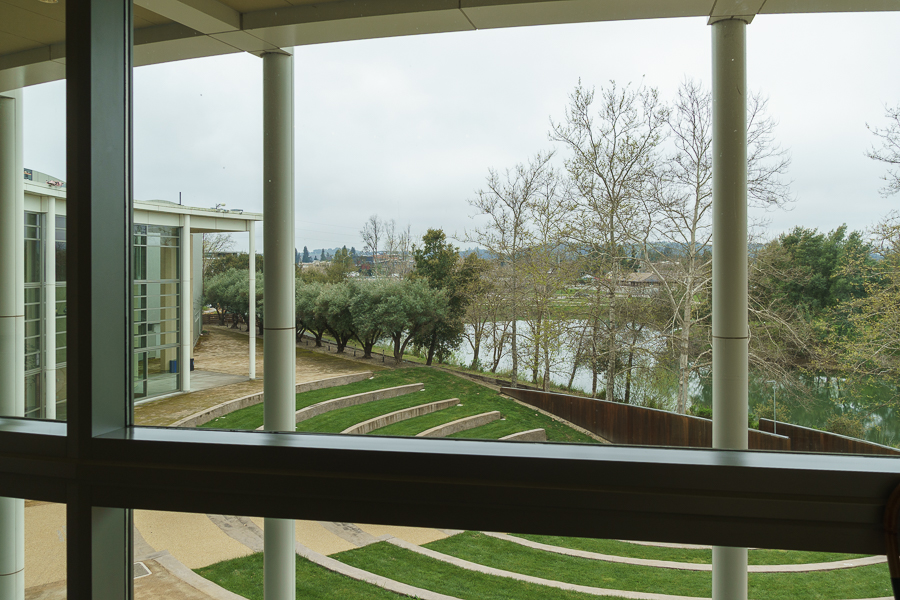
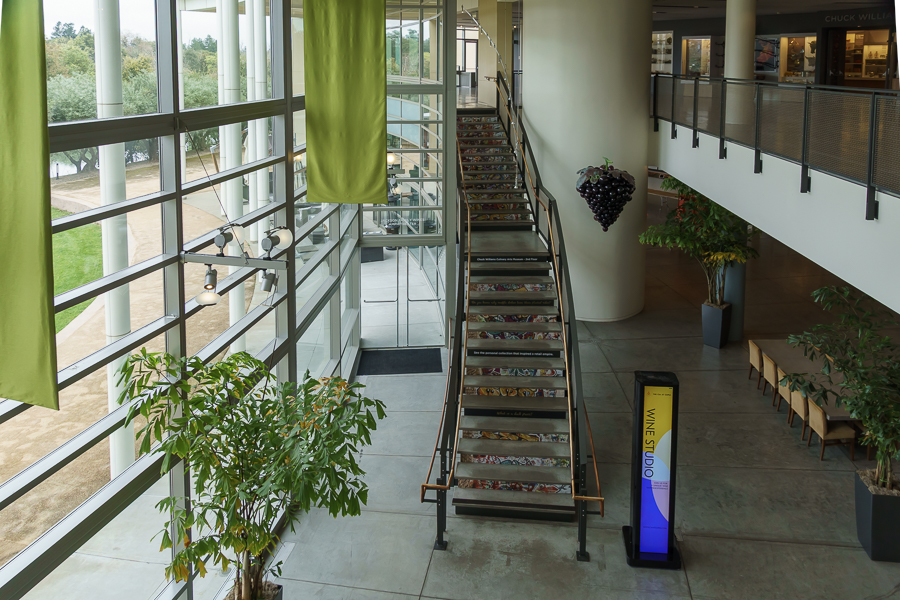
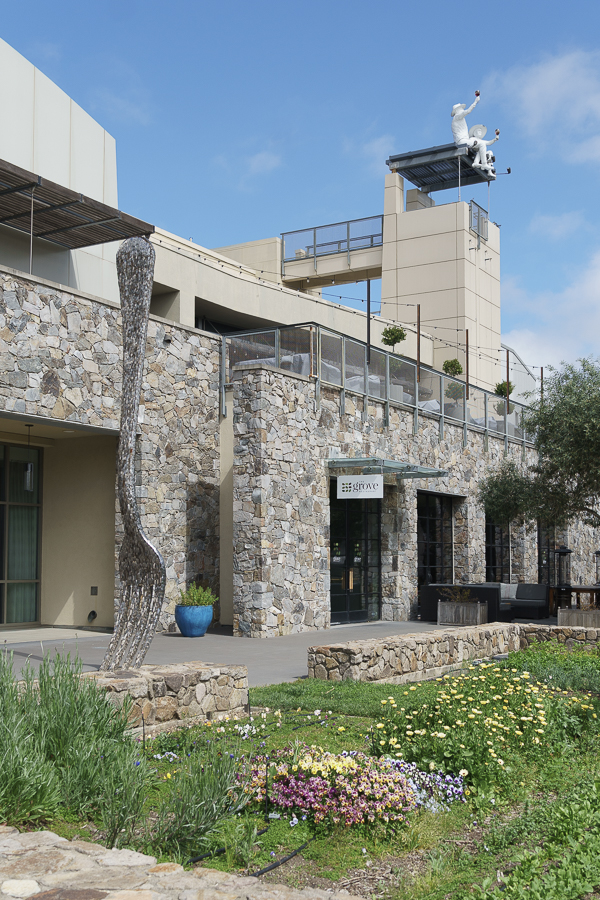
I enjoyed going through the photos from our previous trip and comparing them to the current photos. Although the architecture of the building constructed 25 years ago remains the same, I expect some changes to the exterior. The extension of the rock facing to the right of the entrance and the addition of the mural soften the exterior, making it look less industrial.
Up next: We head to the Pacific Northwest
Safe Travels
 The Traveling Todds
Wow! Thanks for the memories. It’s been forever since we’ve been to Napa Valley, but I recognized a few places, but only a few.
Eloise
LikeLiked by 1 person
It’s definitely a fun place to visit.
LikeLike
💚
LikeLiked by 1 person
What a delightful return to your travel blog, Linda! I loved the mix of history, reflection, and your signature sense of curiosity—from the fascinating tale of Dr. Hennessey’s skeleton to the elegant ride aboard the Wine Train. You really brought Napa’s layered past and vibrant present to life. Your photos add so much texture, especially those contrasting old and new architecture along the tracks. And I appreciated the glimpse into Copia’s evolving story—how wonderful to see it revitalized while honoring its roots. I enjoy following your and Jon’s adventures.
LikeLiked by 1 person
Wow, Michael. I am blessed to have you as a follower and so much appreciate your kind comments. I hope I can continue to meet your expectations.
LikeLiked by 1 person